
Fat-Burning HIIT Workout at Home: A Simple 20-Minute Routine for Beginners
Want a fat-burning HIIT workout at home that actually fits into a busy day?
You don’t need a gym, expensive equipment, or an hour of free time. With the right combination of bodyweight exercises, short bursts of effort, and recovery periods, you can get a challenging workout done in about 20 minutes.
The goal isn’t to destroy yourself with exercise. It’s to build a routine you can repeat consistently while supporting your overall fitness, strength, and weight-loss goals.
Key Takeaways
- A fat-burning HIIT workout at home can be effective with nothing more than your bodyweight and a little floor space.
- Beginners can start with low-impact movements and gradually increase intensity as fitness improves.
- A good HIIT session should include a warm-up, work intervals, recovery periods, and a cool-down.
- Fat loss depends on your overall habits, including nutrition, daily activity, sleep, and consistency—not one workout alone.
What Is a Fat-Burning HIIT Workout?
HIIT stands for high-intensity interval training. It involves alternating short periods of challenging exercise with periods of easier movement or rest.
For example, you might exercise for 30 seconds, rest for 30 seconds, and repeat the pattern several times.
The “high-intensity” part doesn’t mean you have to exercise at maximum effort every time. You can adjust the intensity to your current fitness level.
For a beginner, marching quickly, stepping side to side, or performing controlled bodyweight squats may be enough to raise your heart rate.
The best fat-burning workout is one you can perform safely and consistently.
Can HIIT Help You Burn Fat?
Yes, HIIT can be a useful part of a fat-loss routine.
During HIIT, your body works hard during the active intervals, which increases your energy expenditure. Regular exercise can also help improve cardiovascular fitness and support muscle strength.
But there’s an important point that often gets missed: one workout doesn’t automatically cause fat loss.
Your body weight and body composition are influenced by your overall energy balance, food intake, physical activity, sleep, and other lifestyle factors.
Think of HIIT as one useful tool in your toolbox rather than a magic fat-burning solution.
The 20-Minute Fat-Burning HIIT Workout at Home
Here’s a simple routine you can do without equipment.
You’ll perform 8 exercises, using:
- 30 seconds of work
- 30 seconds of rest
- 2 rounds
That gives you 16 minutes of intervals. Add a 3-minute warm-up and a 2- to 4-minute cool-down, and your entire session takes roughly 20 to 23 minutes.
If you’re completely new to HIIT, start with just one round.
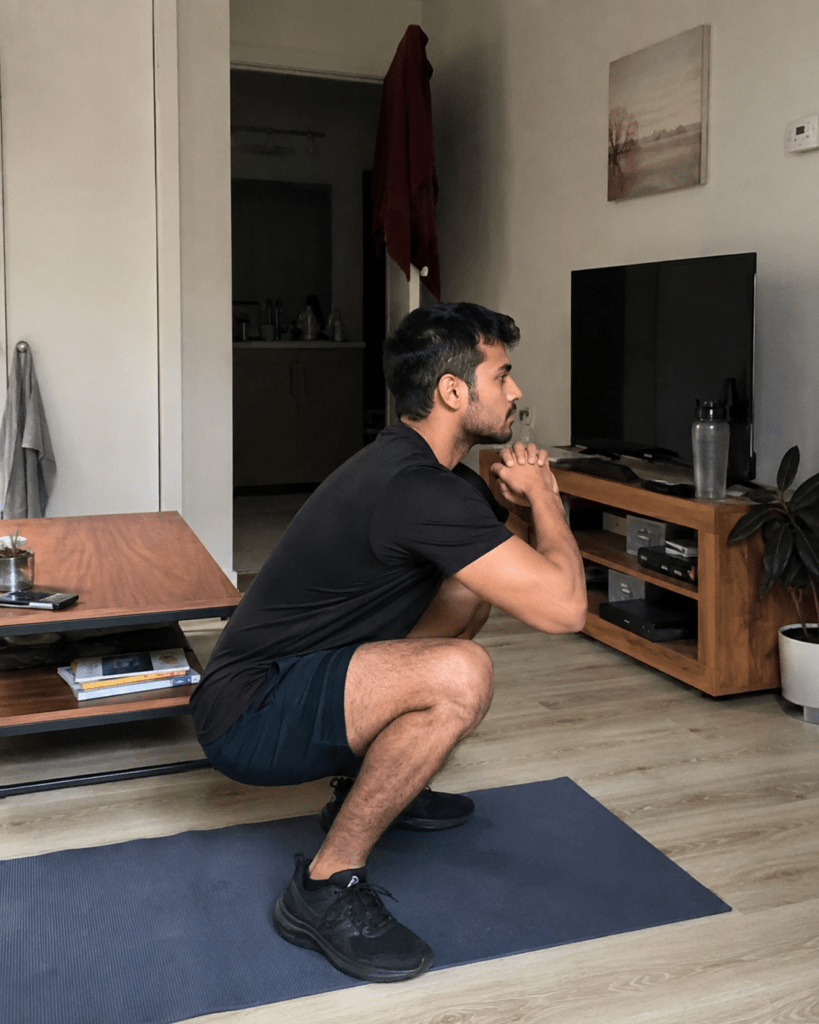
1. Bodyweight Squats
Stand with your feet about shoulder-width apart.
Push your hips back and bend your knees as though you’re sitting into a chair. Keep your chest lifted and stand back up.
Work: 30 seconds
Rest: 30 seconds
Focus on smooth, controlled repetitions rather than trying to squat as quickly as possible.
If your knees or hips feel uncomfortable, reduce the depth or switch to a chair squat.
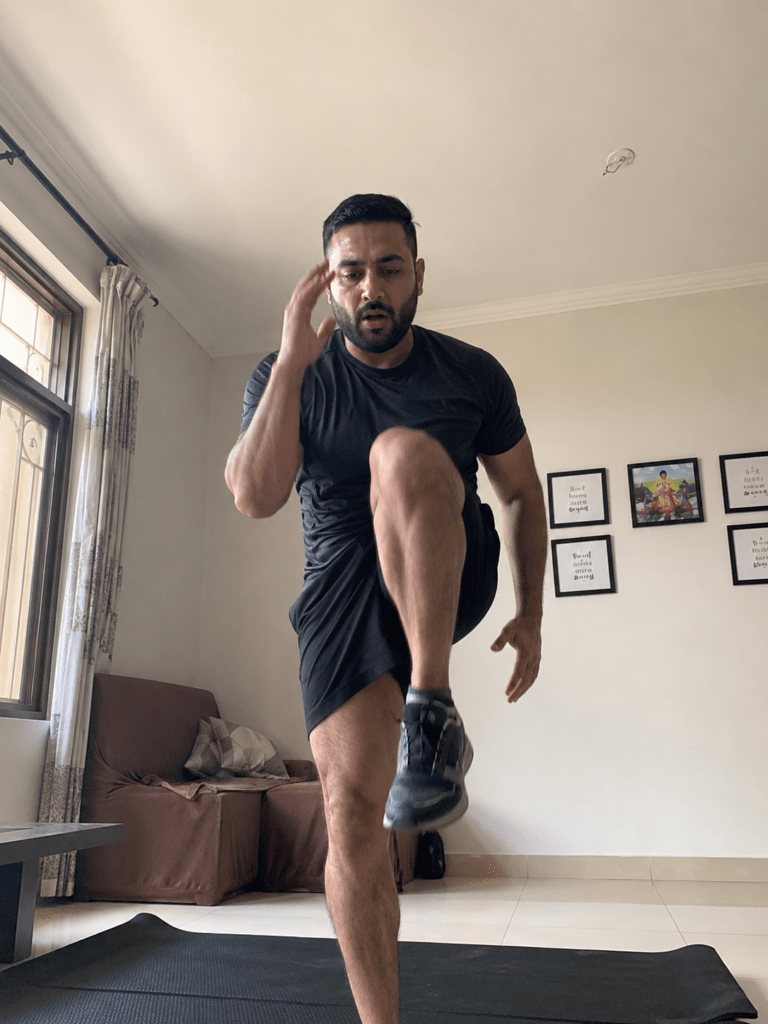
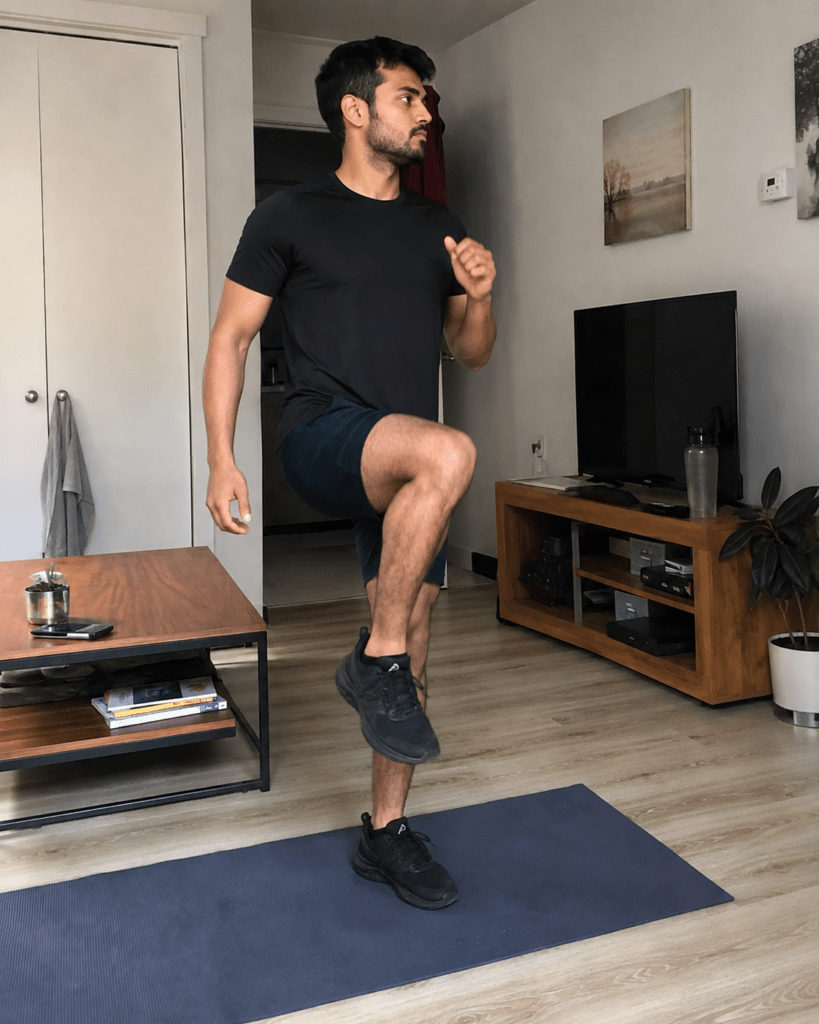
2. Marching High Knees
Stand tall and begin marching in place.
Lift one knee at a time toward your waist while swinging your arms naturally. Gradually increase your pace if it feels comfortable.
Work: 30 seconds
Rest: 30 seconds
This is a great low-impact alternative to running or jumping high knees.
Want more intensity? Drive your knees higher and move your arms faster.
3. Incline Push-Ups
You don’t have to start with traditional floor push-ups.
Place your hands on a sturdy countertop, table, or other stable elevated surface. Keep your body in a straight line as you bend your elbows and lower your chest toward the surface.
Push yourself back to the starting position.
Work: 30 seconds
Rest: 30 seconds
Keep your elbows at a comfortable angle rather than letting them flare dramatically to the sides.
As you become stronger, move to a lower surface and eventually progress toward floor push-ups.
4. Alternating Reverse Lunges
Stand tall with your feet together.
Step one foot backward and lower your body until both knees are comfortably bent. Push through the front foot to return to standing, then switch sides.
Work: 30 seconds
Rest: 30 seconds
Reverse lunges are often easier to control than forward lunges because you can focus on stepping backward rather than reaching forward.
If balance is challenging, hold onto a sturdy chair or wall.
5. Step Jacks
Traditional jumping jacks can be tough on your joints, especially if you’re just starting.
Instead, step one foot out to the side while raising your arms, return to the center, and repeat on the other side.
Work: 30 seconds
Rest: 30 seconds
Keep the movement quick enough to elevate your heart rate while maintaining control.
If you want a higher-intensity version, turn the steps into traditional jumping jacks.
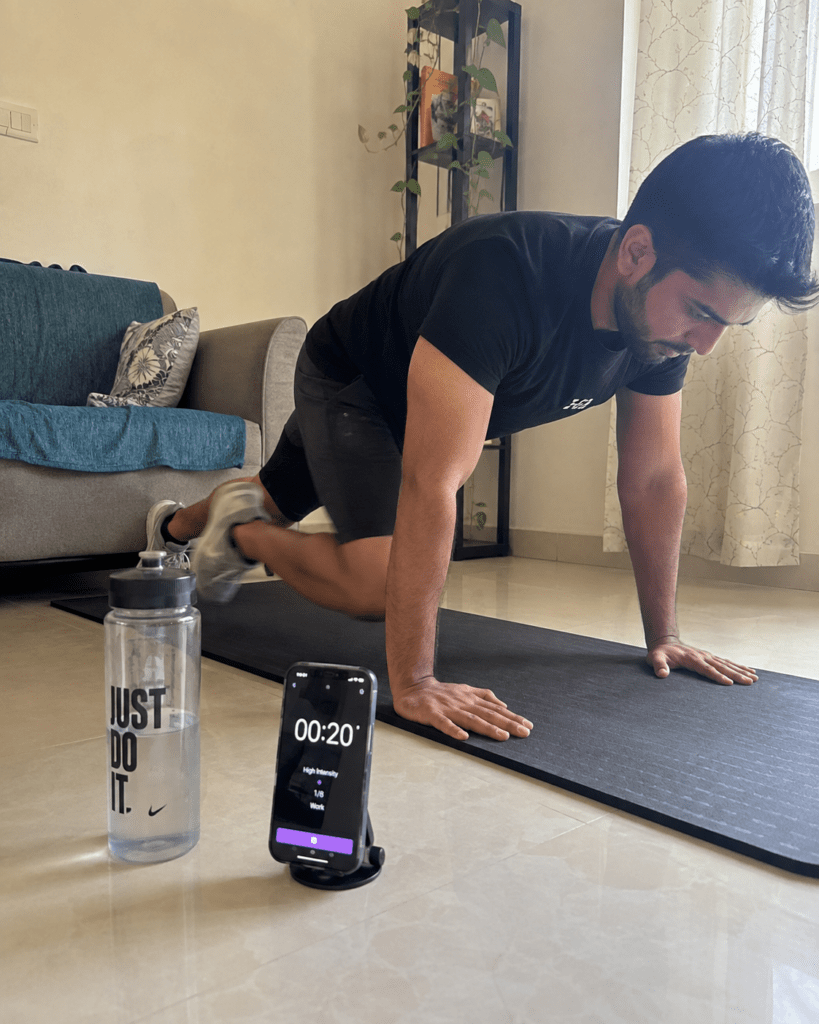
6. Mountain Climbers
Start in a high plank with your hands underneath your shoulders.
Bring one knee toward your chest, return it, and then bring the opposite knee forward.
Work: 30 seconds
Rest: 30 seconds
You don’t need to race.
A slower mountain climber performed with good form is more useful than a frantic version that causes your hips to bounce and your lower back to lose position.
For a beginner-friendly option, place your hands on a sturdy elevated surface and perform the movement there.
7. Glute Bridges
Lie on your back with your knees bent and feet flat on the floor.
Press through your feet and squeeze your glutes as you lift your hips. Pause briefly at the top, then lower with control.
Work: 30 seconds
Rest: 30 seconds
Keep your ribs relaxed and avoid aggressively arching your lower back.
This movement gives your legs a break from jumping while still challenging your glutes and posterior chain.
8. Fast Feet or Quick March
Finish the circuit with a simple cardio movement.
Stand with your feet slightly apart and move your feet quickly in place. If that feels too intense, switch to a brisk march.
Work: 30 seconds
Rest: 30 seconds
Keep your breathing controlled and finish the interval at a challenging but manageable pace.
How to Warm Up Before HIIT
Don’t jump straight into your hardest intervals.
A short warm-up prepares your body for movement and gives you a chance to gradually increase your heart rate.
Try this 3-minute warm-up:
- 30 seconds of easy marching
- 30 seconds of shoulder rolls and arm circles
- 30 seconds of bodyweight squats
- 30 seconds of alternating knee lifts
- 30 seconds of step-touch movements
- 30 seconds of gradually faster marching
You should feel warmer and more mobile by the end—not exhausted.
How Hard Should HIIT Feel?
This is where many beginners make a mistake.
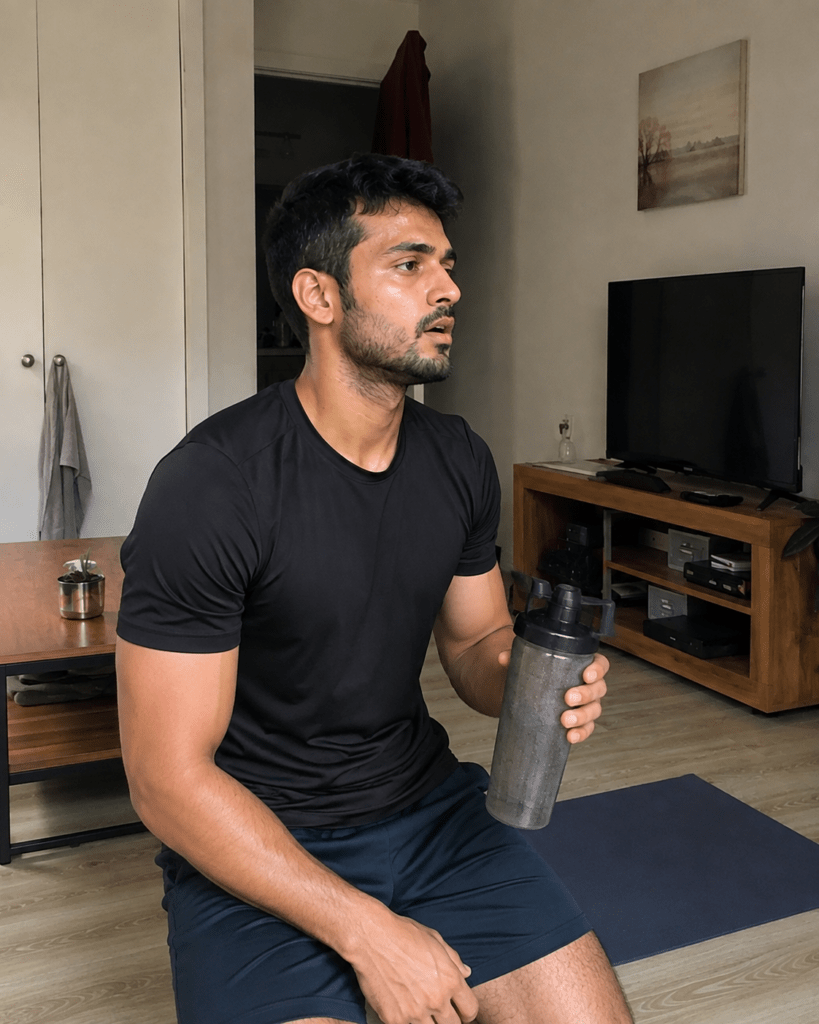
You don’t need to go all-out during every interval. If you’re gasping for air after the first exercise, the workout is probably too intense for your current fitness level.
A useful approach is to aim for a challenging effort where you can still maintain reasonable form.
During the harder intervals, you might be breathing heavily and find conversation difficult. During recovery, your breathing should gradually settle.
Your intensity should also match your experience.
Beginner
Try:
- 20 seconds of work
- 40 seconds of rest
- 1-2 rounds
Choose low-impact exercises and concentrate on technique.
Intermediate
Try:
- 30 seconds of work
- 30 seconds of rest
- 2-3 rounds
You can increase the pace or choose more challenging variations.
More Experienced
Try:
- 40 seconds of work
- 20 seconds of rest
- 3 rounds
Only increase intensity if you can maintain good technique throughout the session.
More isn’t automatically better.
Low-Impact Fat-Burning HIIT Modifications
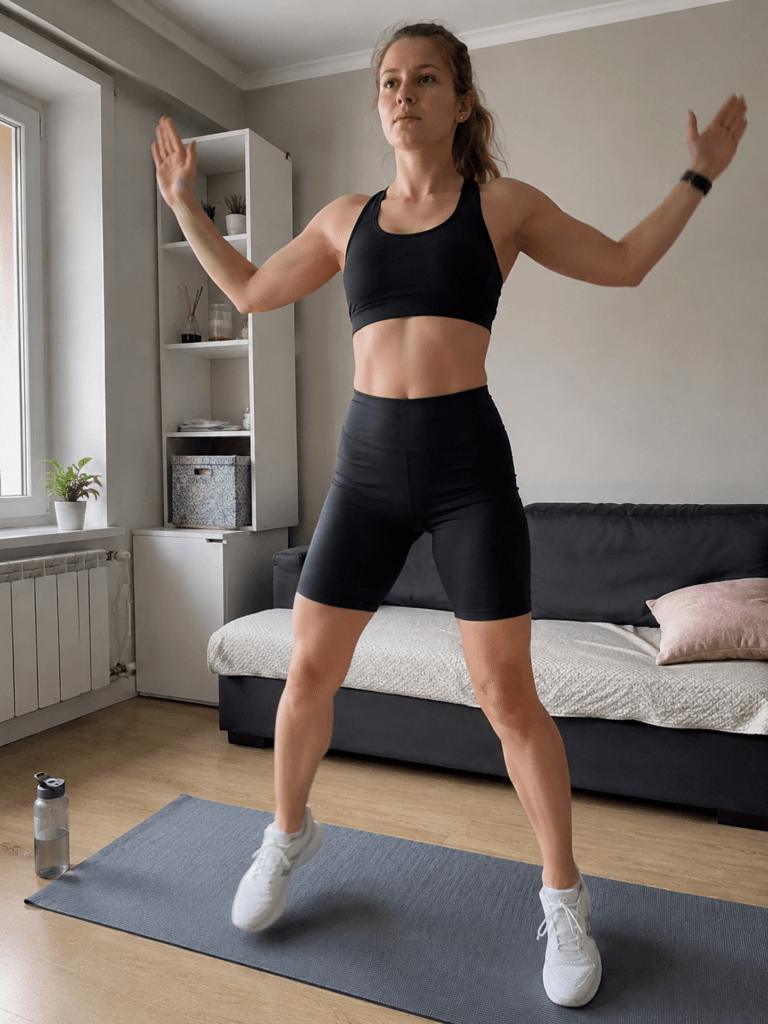
If jumping doesn’t feel good, you can still have an excellent HIIT workout.
Try these swaps:
- Jumping jacks → Step jacks
- High knees → Fast marching
- Jump squats → Bodyweight squats
- Burpees → Incline walk-outs
- Jumping lunges → Reverse lunges
- Fast mountain climbers → Slow mountain climbers
- Running in place → Quick marching
Low-impact doesn’t mean ineffective.
You can increase your pace, range of motion, or work duration without adding jumping.
A 10-Minute Version for Busy Days
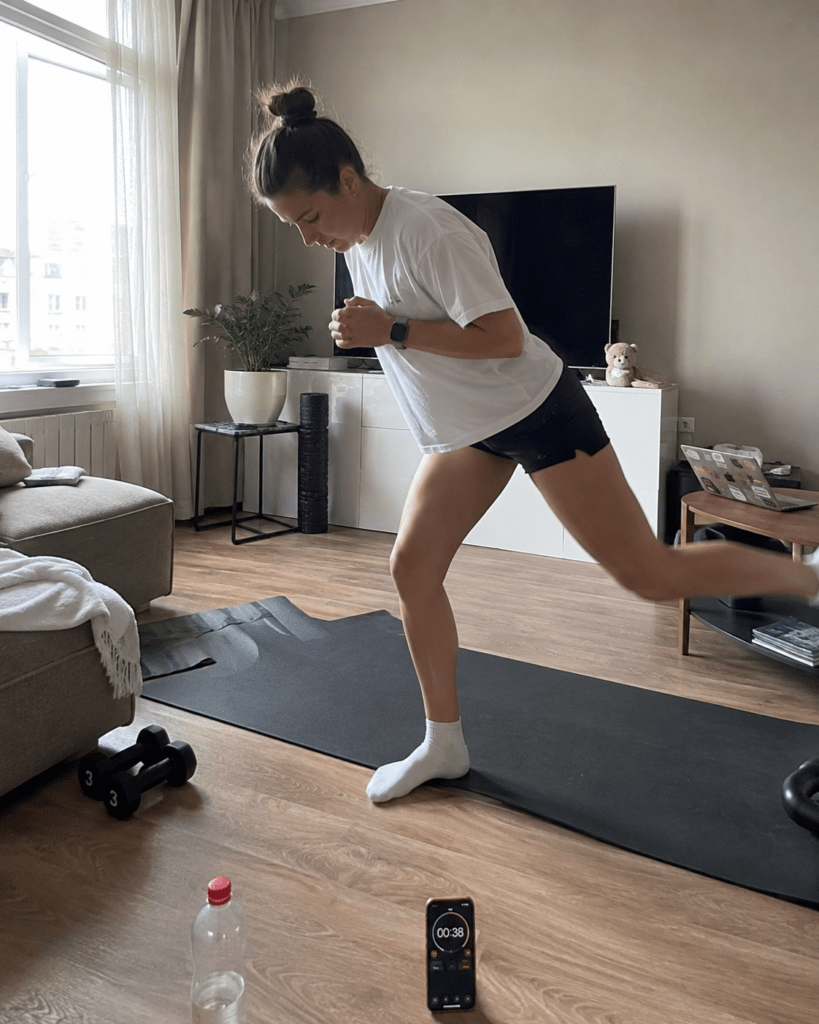
Some days, 20 minutes simply isn’t realistic.
That’s okay.
Try this quick version:
- Squats — 30 seconds
- Marching high knees — 30 seconds
- Incline push-ups — 30 seconds
- Reverse lunges — 30 seconds
- Step jacks — 30 seconds
Rest for 30 seconds between exercises and repeat once.
Add a short warm-up and cool-down when possible.
A shorter workout you actually complete is far more useful than a perfect workout you continually postpone.
How Often Should You Do HIIT?
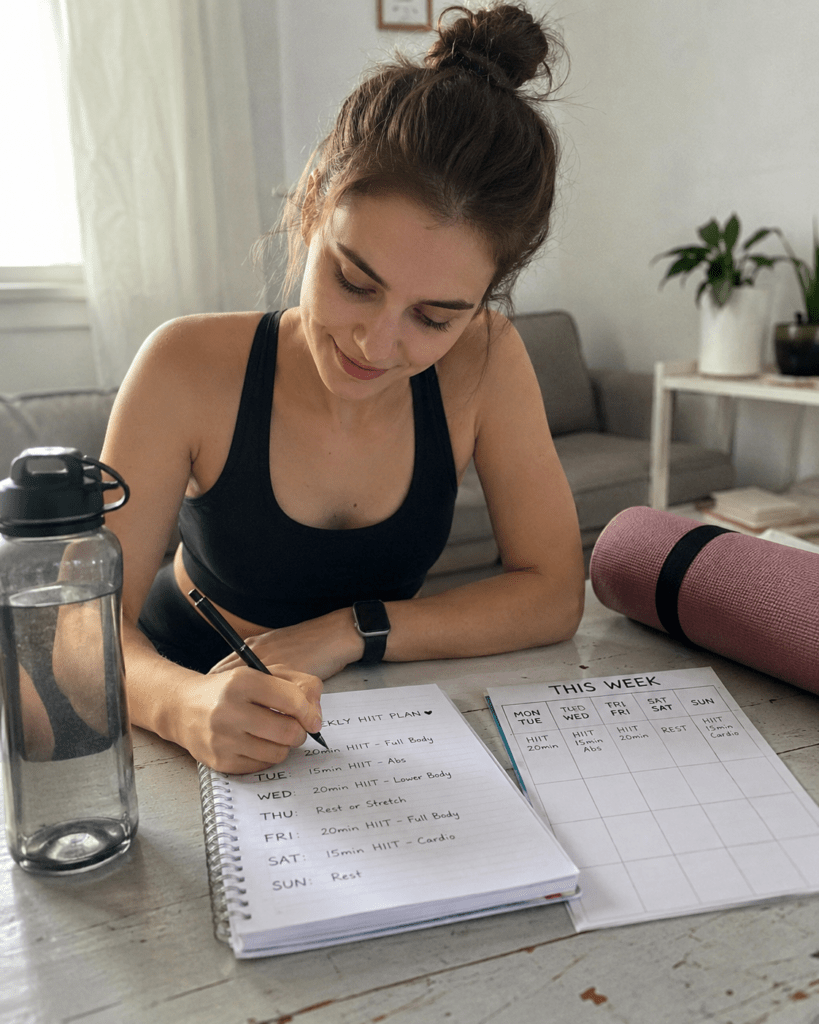
You don’t need HIIT every day.
For many beginners, 2 to 3 HIIT sessions per week can be a reasonable starting point, with easier activity or rest days between harder workouts.
On other days, consider activities such as:
- Walking
- Easy cycling
- Mobility exercises
- Light strength training
- Recreational sports
- Gentle cardio
Your body needs recovery time.
If you’re constantly sore, exhausted, or losing motivation, that’s a sign to reduce your training load rather than adding more workouts.
Combine HIIT With Strength Training
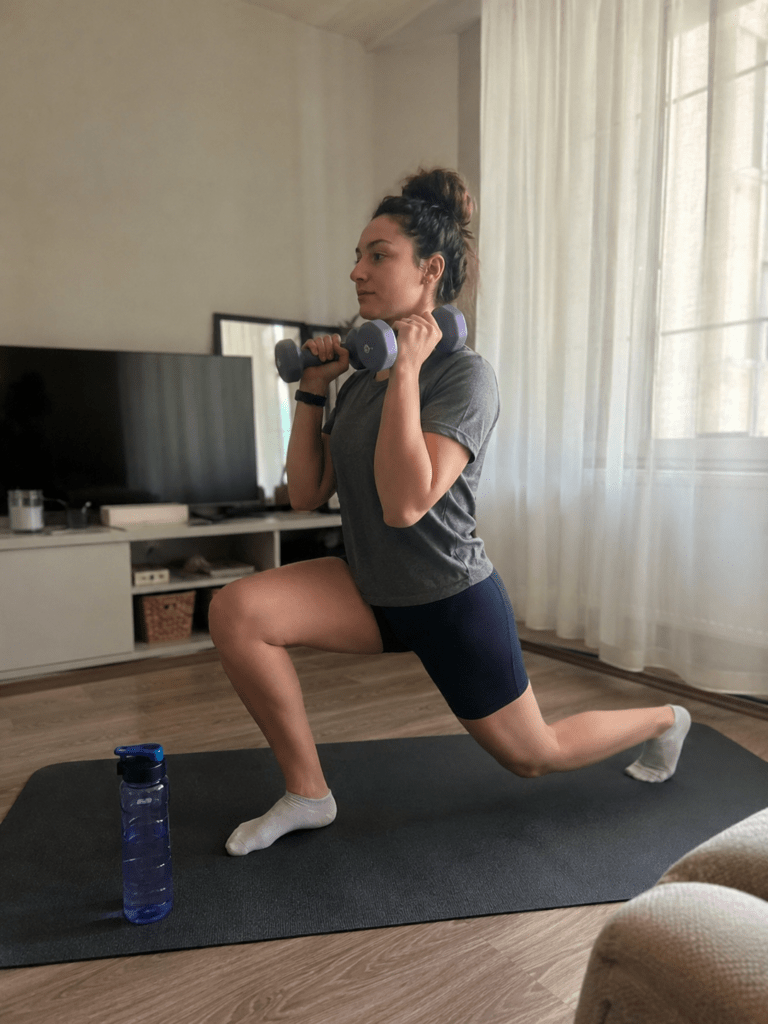
HIIT can raise your heart rate and challenge your cardiovascular system, but strength training deserves a place in your routine too.
Building and maintaining muscle is especially useful when your goal includes improving body composition and becoming stronger.
A simple weekly schedule could look like this:
| Day | Activity |
|---|---|
| Monday | HIIT workout |
| Tuesday | Walking or easy cardio |
| Wednesday | Strength training |
| Thursday | Rest or gentle movement |
| Friday | HIIT workout |
| Saturday | Walking or recreational activity |
| Sunday | Rest |
You can adjust this schedule around your fitness level and lifestyle.
You don’t need a complicated program to make progress.
What to Eat Before a HIIT Workout
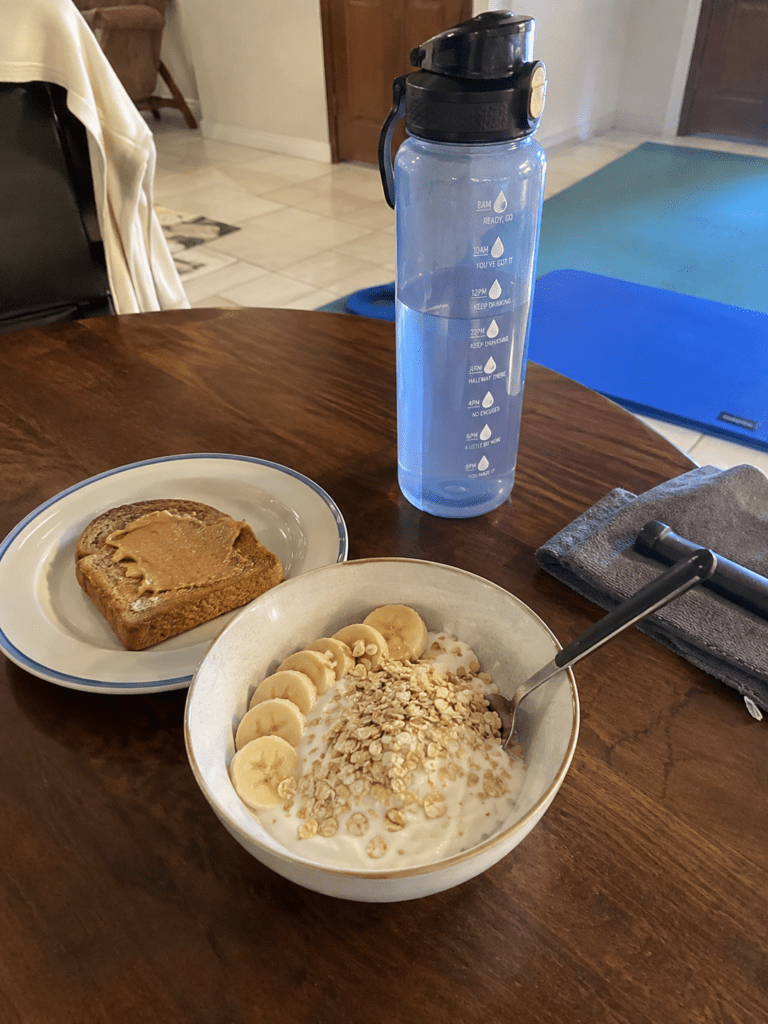
You don’t necessarily need a special pre-workout meal.
If you’ve eaten a normal meal within the last few hours and feel comfortable exercising, you may be ready to go.
If you’re hungry before exercising, choose something light and easy to digest, such as:
- A banana
- Yogurt with fruit
- A small bowl of oatmeal
- Whole-grain toast with a little peanut butter
- Fruit and a small handful of nuts
Avoid forcing yourself to exercise on an empty stomach if it leaves you weak, dizzy, or uncomfortable.
Your personal tolerance matters.
What to Eat After a Fat-Burning Workout
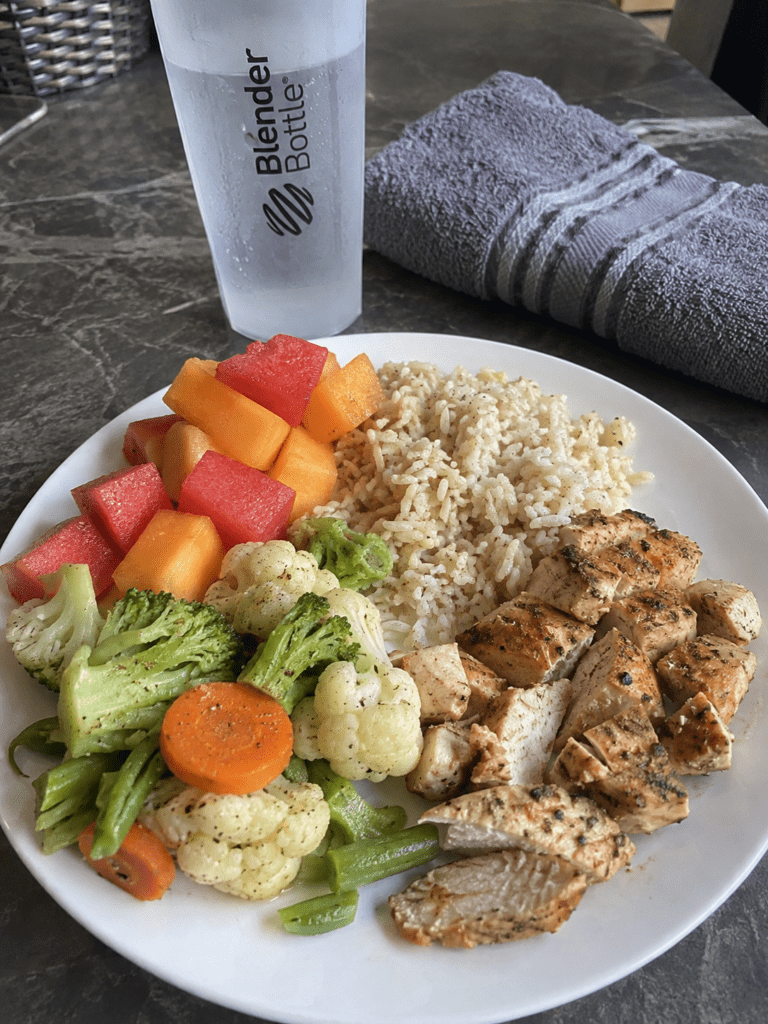
You don’t need to “earn” food with exercise.
After a workout, focus on a balanced meal or snack containing protein, carbohydrates, and other nutrient-rich foods.
Simple options include:
- Eggs with whole-grain toast and fruit
- Greek yogurt with berries and oats
- Chicken, vegetables, and rice
- Beans with whole grains and vegetables
- Cottage cheese with fruit
- A balanced smoothie with fruit and yogurt
The goal is to support your overall nutrition rather than trying to compensate for the workout.
Common HIIT Mistakes to Avoid
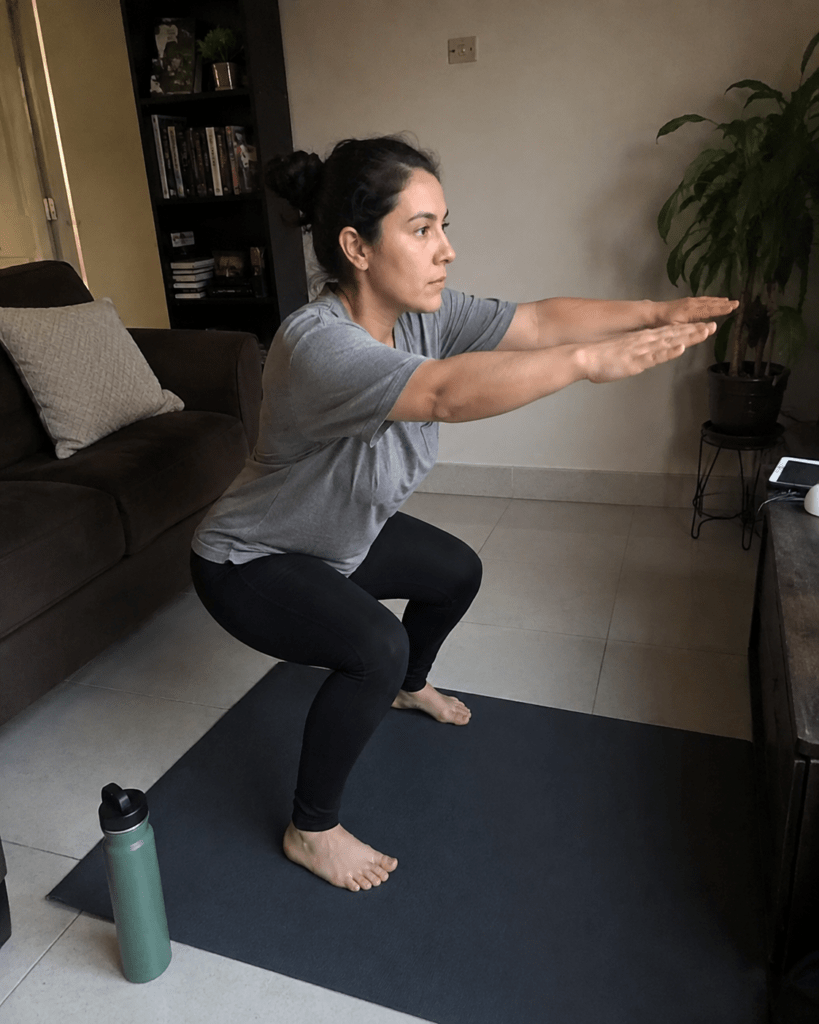
Going Too Hard Too Soon
It’s tempting to turn your first workout into a fitness test.
Don’t.
Start at a level that allows you to finish the session with decent technique. You can gradually increase the challenge as your fitness improves.
Skipping the Warm-Up
A few minutes of preparation can make the workout feel much better.
Use simple movements that gradually increase your temperature and range of motion.
Sacrificing Form for Speed
Fast repetitions aren’t automatically better repetitions.
If your squat becomes sloppy or your plank position collapses, slow down or choose an easier variation.
Doing HIIT Every Day
More exercise isn’t always better.
HIIT is demanding, so give your body time to recover between hard sessions.
Expecting Spot Reduction
You can’t choose exactly where your body loses fat.
Exercises that target your abs, legs, or arms can strengthen those muscles, but they don’t selectively remove fat from that specific area.
Using Exercise to Compensate for Food
A workout shouldn’t become punishment for eating.
Instead, build sustainable eating and movement habits that you can maintain for months and years.
How to Make Your HIIT Workouts More Effective
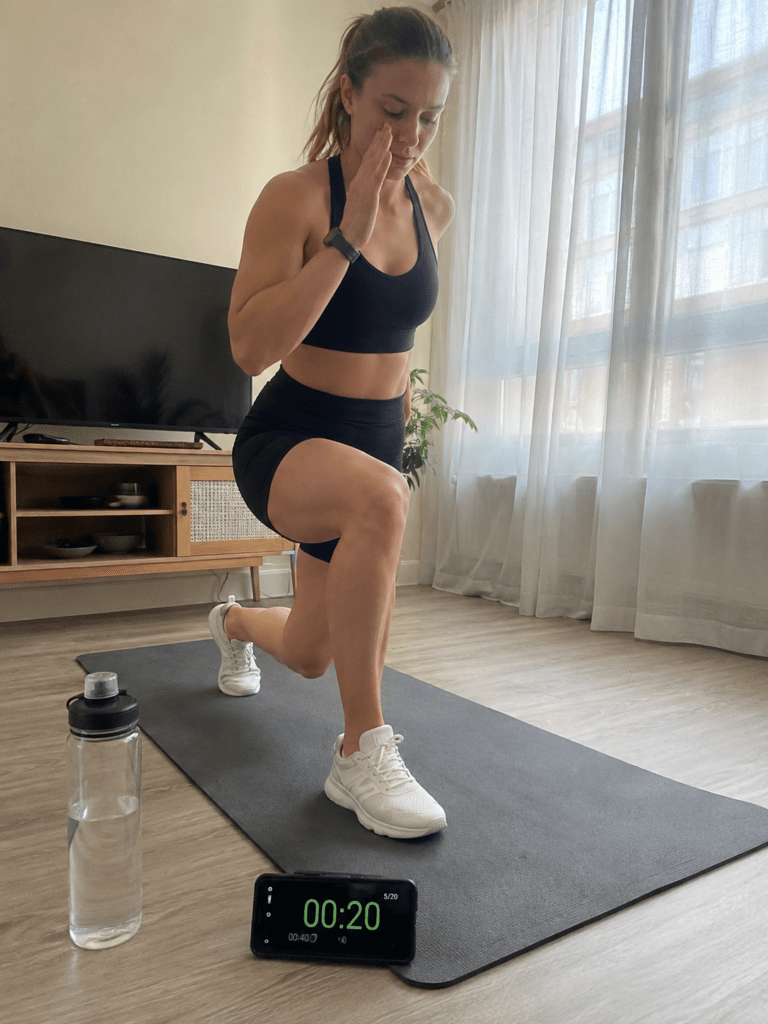
Once the basic routine becomes easier, you don’t have to completely redesign your workout.
Make one small change at a time.
You could:
- Add another round
- Increase your work interval
- Reduce your rest slightly
- Choose a harder exercise variation
- Increase your movement speed
- Improve your range of motion
- Add resistance training on separate days
Don’t change everything at once.
Progress should feel challenging, not overwhelming.
How to Track Your Progress
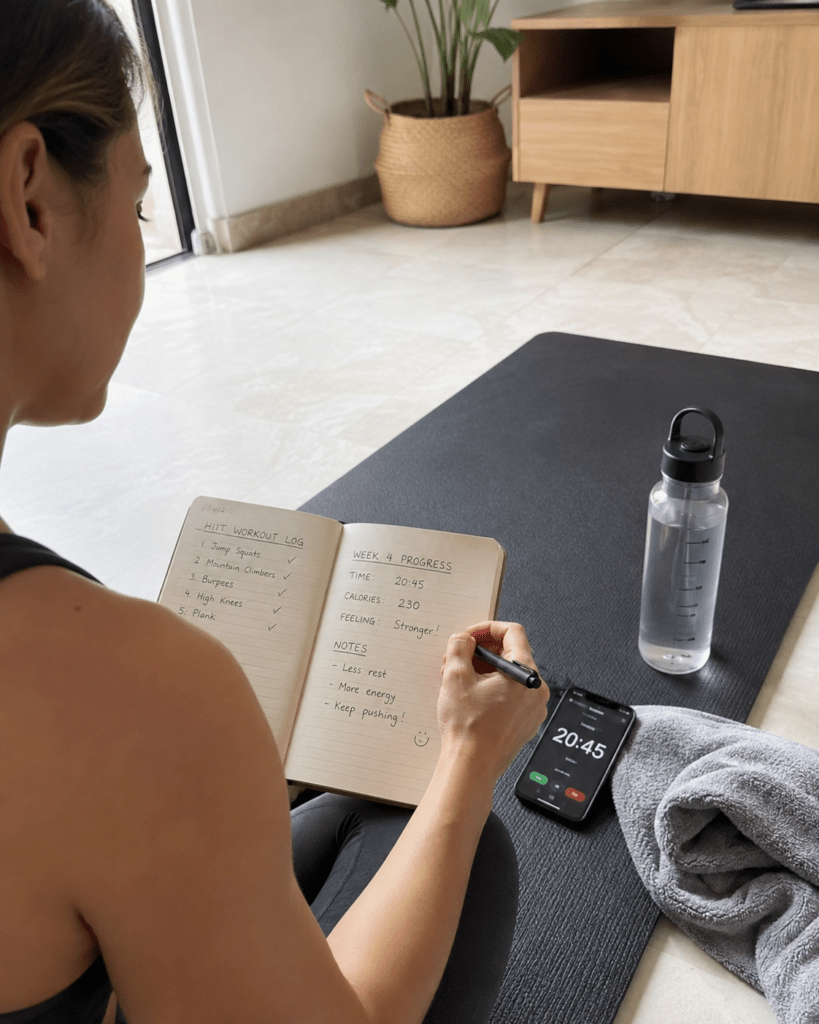
The scale is only one way to measure progress.
Pay attention to other signs, too.
You might notice that:
- You can exercise for longer
- Your breathing recovers faster
- Squats feel easier
- You can perform more push-ups
- Your balance improves
- You recover more quickly
- Your everyday energy feels better
- Your clothes fit differently
These changes can be meaningful even when your body weight isn’t moving quickly.
Consistency matters more than chasing dramatic results from one workout.
Is HIIT Better Than Walking for Fat Loss?
Not necessarily.
HIIT can provide a challenging workout in a relatively short period, while walking is accessible, low-impact, and easy to repeat frequently.
You don’t have to choose one.
A practical fat-loss routine can include both.
For example, you might perform HIIT two days per week while taking regular walks throughout the week. This gives you a combination of higher-intensity exercise and easier movement.
Can Beginners Do HIIT at Home?
Absolutely.
The key is choosing appropriate exercises and controlling the intensity.
You don’t need burpees, jump squats, or sprinting to call something HIIT.
A beginner can alternate brisk marching with slower marching, for example.
As your fitness improves, you can gradually introduce more challenging movements.
Safety Tips for Home HIIT
Before starting, make sure you have enough space to move safely.
Remove objects that could cause you to trip, and use a stable surface for exercises such as incline push-ups.
During your workout:
- Keep your movements controlled.
- Stop if you experience sharp or unusual pain.
- Take additional rest when needed.
- Stay hydrated.
- Wear supportive footwear if appropriate.
- Don’t exercise through dizziness or feeling faint.
- Modify exercises that aggravate your joints.
If you have a medical condition, are pregnant, have recently had an injury, or aren’t sure whether vigorous exercise is appropriate for you, speak with a qualified healthcare professional before starting a HIIT program.