
Why Am I Not Losing Weight in a Calorie Deficit? 11 Reasons Your Weight Isn’t Budging
You’re eating less, trying to stay consistent, and expecting the scale to move.
Then you step on the scale after a week or two and… nothing.
If you’ve been asking yourself, “Why am I not losing weight in a calorie deficit?”, you’re not alone. It can be incredibly frustrating when your effort doesn’t seem to match the results.
The good news is that a stalled scale doesn’t automatically mean your body is refusing to lose fat. Weight can fluctuate because of water, digestion, hormones, sodium, carbohydrates, activity levels, and even changes in how accurately you’re tracking food.
Let’s look at what may actually be happening and what you can do about it without resorting to crash diets or extreme workouts.
Key Takeaways
- A calorie deficit can be smaller than you think because food portions, drinks, cooking oils, sauces, and snacks are easy to underestimate.
- Your scale weight can stay the same temporarily even when you’re losing body fat because of water retention and normal fluctuations.
- You don’t need to slash calories dramatically. Small, consistent adjustments are usually more sustainable.
- If your weight hasn’t changed for several weeks despite consistent tracking, it’s worth reassessing your calorie intake, activity, and overall routine.
Why Am I Not Losing Weight in a Calorie Deficit?
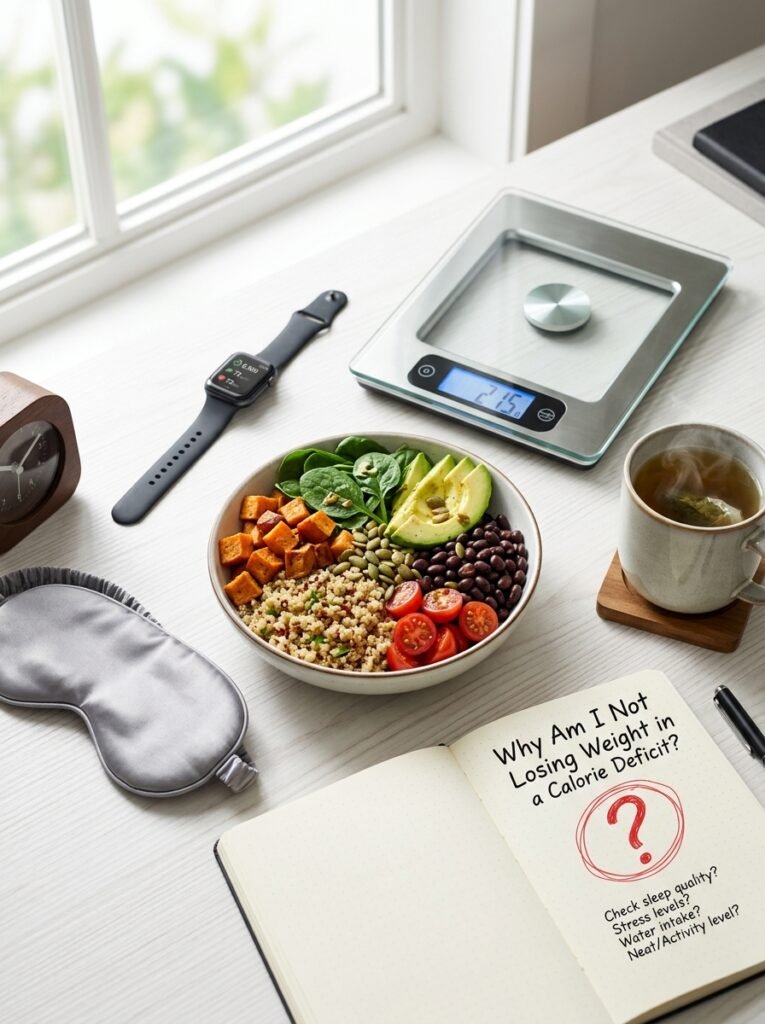
At its simplest, weight loss requires your body to use more energy than it gets from food over time.
But real life isn’t as simple as looking at one day of calories and one morning weigh-in.
If you’re genuinely maintaining a calorie deficit over a long enough period, your body weight should generally trend downward. However, the scale may not show that loss immediately.
You could be losing fat while temporarily holding extra water.
You could also be eating more calories than you realize.
And sometimes, your calorie needs have changed as your body weight, activity, or routine has changed.
The goal isn’t to panic when the scale stalls. The goal is to figure out which part of the process needs attention.
1. You May Not Actually Be in a Calorie Deficit
This is probably the first thing to check.
I know that can sound frustrating, especially if you feel like you’re eating very little. But calorie intake is surprisingly easy to underestimate.
A meal that looks “healthy” can still contain a significant amount of energy.
For example, a salad might seem like a light meal until you add:
- Olive oil
- Cheese
- Nuts
- Avocado
- Dressing
- Croutons
- Seeds
- A large portion of chicken
None of these foods are bad.
The issue is simply that calorie-dense foods can add up quickly.
Small Extras Can Make a Big Difference
You might carefully track breakfast, lunch, and dinner but forget about the things you eat between meals.
Consider:
- A handful of nuts
- A few bites while cooking
- Coffee creamer
- Sugary drinks
- Condiments
- Cooking oil
- Weekend meals
- Desserts
- Alcohol
- Larger-than-estimated portions
These calories don’t mean you’ve failed.
They simply show why accurate tracking can matter when you’re trying to understand why your weight isn’t changing.
2. Your Portion Sizes May Be Larger Than You Think
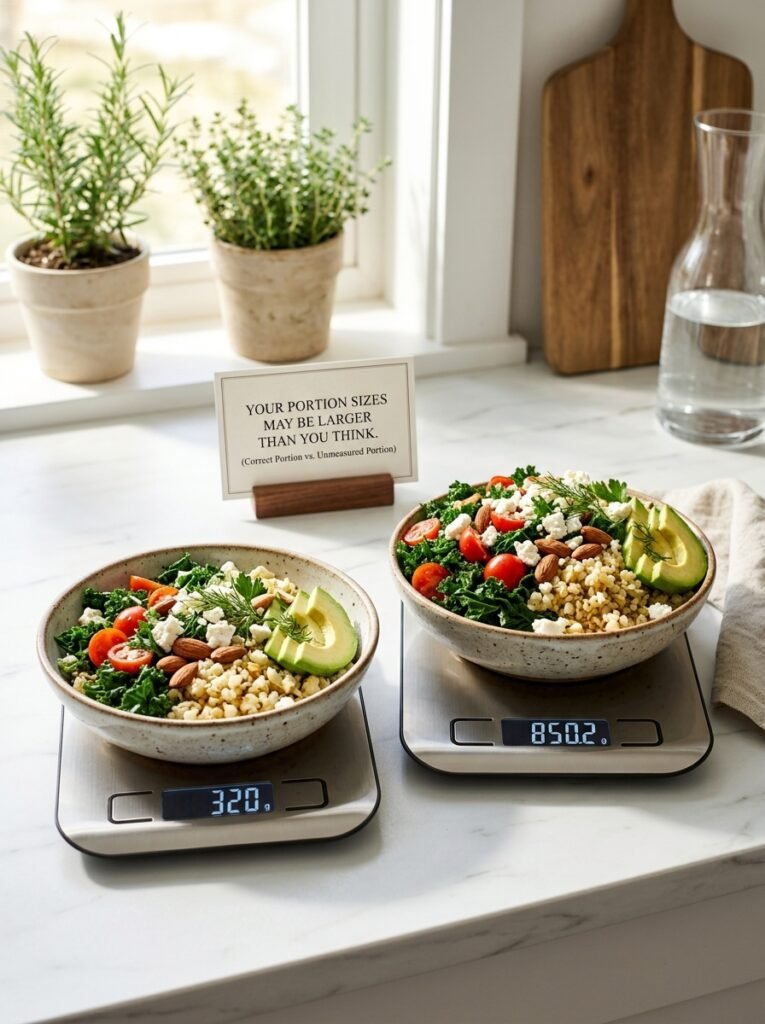
Portion estimation becomes particularly difficult with calorie-dense foods.
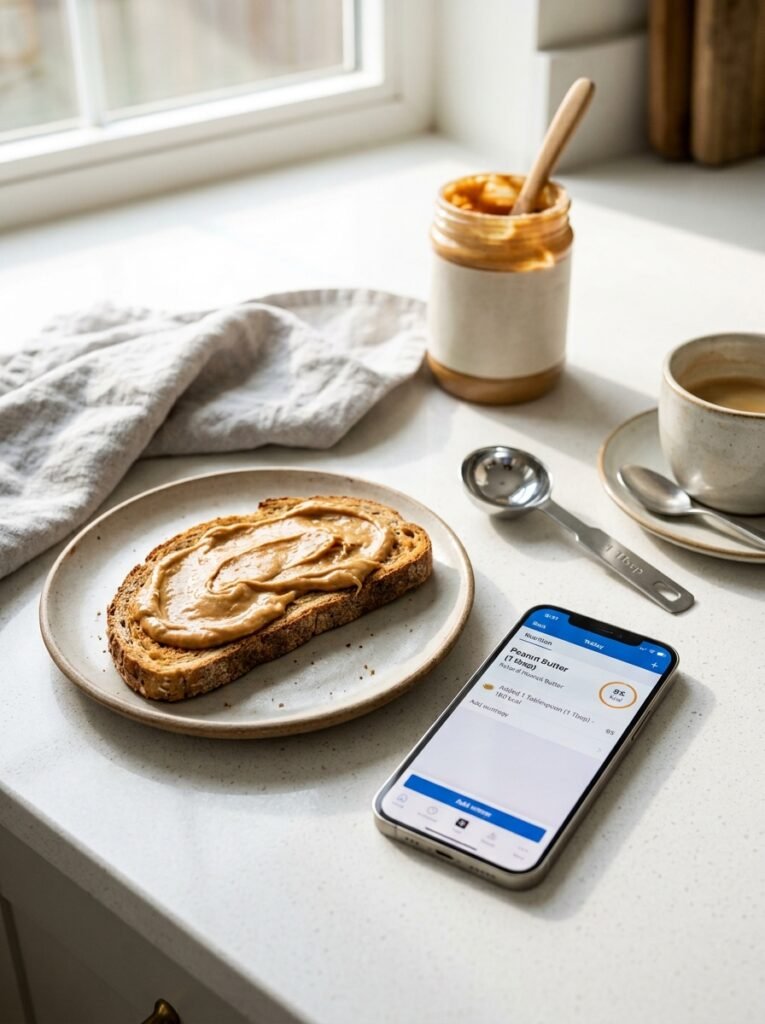
A tablespoon of oil, for example, contains considerably more calories than a quick pour from the bottle might suggest.
The same applies to peanut butter, rice, pasta, cereal, nuts, cheese, and dressings.
Try Weighing Food Temporarily
You don’t have to weigh every bite of food forever.
But using a kitchen scale for a couple of weeks can help you understand what your usual portions actually look like.
Pay particular attention to calorie-dense ingredients.
You may discover that your estimated serving of peanut butter is two tablespoons while your actual serving is closer to three.
That difference can become meaningful when repeated every day.
3. You’re Eating Back the Calories You Burned

Exercise is excellent for your health, fitness, strength, and overall wellbeing.
But calorie-burn estimates from watches, machines, and fitness apps aren’t always perfectly accurate.
If your workout says you burned 500 calories, that doesn’t necessarily mean you should eat an extra 500 calories.
You may also naturally move less after exercising because you’re tired.
For example, you might complete a hard workout in the morning and spend much of the afternoon sitting because you’re exhausted.
That reduction in everyday movement can partially offset the additional exercise.
What Should You Do?
Think of exercise as a health habit rather than a permission slip to eat back every estimated calorie.
Keep your meals consistent and monitor your weight trend over several weeks.
Your actual results will tell you much more than a machine’s calorie-burn estimate.
4. You’re Losing Fat but Holding Water

This is one of the biggest reasons people wonder, “Why am I not losing weight in a calorie deficit?”
Your scale measures much more than body fat.
It also reflects:
- Water
- Food in your digestive system
- Glycogen
- Muscle tissue
- Body fat
- Waste
- Changes in hydration
So you can lose fat without immediately seeing a lower number on the scale.
Exercise Can Temporarily Increase Water Weight
Starting a new workout routine can cause temporary water retention.
Your muscles experience stress during exercise and need time to recover. That process can cause short-term changes in fluid levels.
You might therefore notice that the scale stays flat or even increases after starting a workout program.
That doesn’t necessarily mean you’ve gained body fat.
5. You’re Checking the Scale Too Often
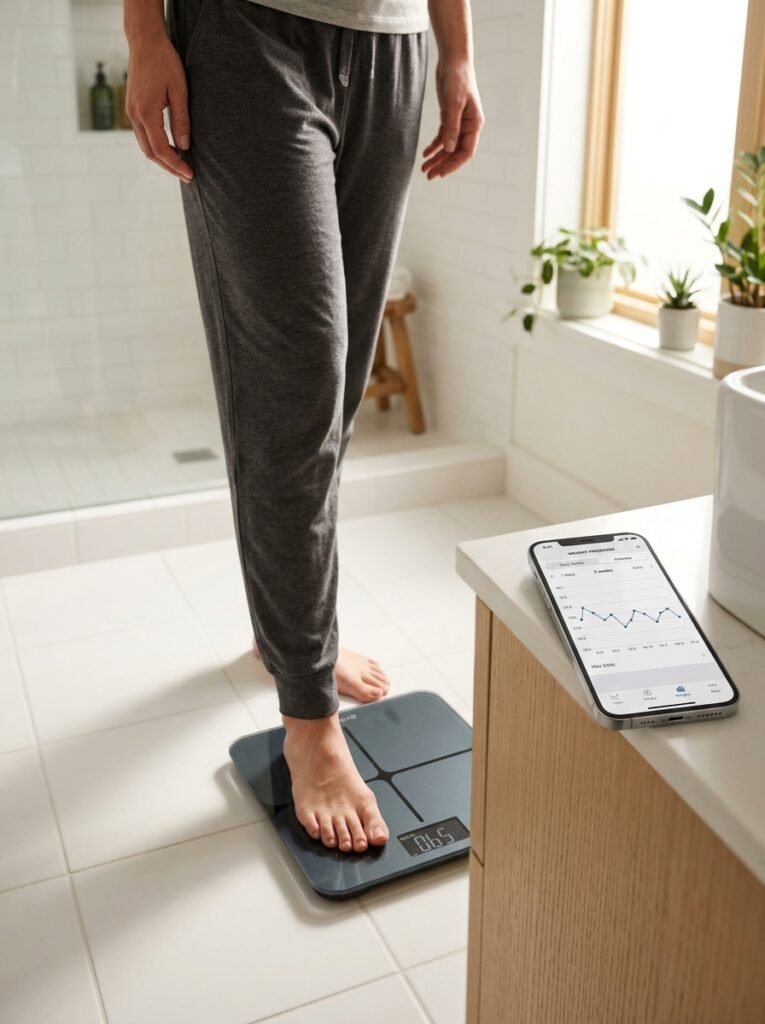
Daily weighing isn’t automatically bad.
For some people, frequent weigh-ins are useful because they reveal normal fluctuations.
But if you interpret every individual number as a verdict on your progress, it can become incredibly discouraging.
Your weight can change from one day to the next for reasons that have nothing to do with fat gain or fat loss.
A salty meal can affect water retention.
A higher-carbohydrate day can change stored glycogen and associated water.
A late dinner can mean there’s simply more food in your digestive system the next morning.
Look at the Trend Instead
If you weigh yourself regularly, compare weekly averages rather than individual weigh-ins.
For example, imagine your morning weights look like this:
- Monday: 75.2 kg
- Tuesday: 75.6 kg
- Wednesday: 74.9 kg
- Thursday: 75.4 kg
- Friday: 74.8 kg
- Saturday: 75.0 kg
- Sunday: 74.7 kg
Looking at one day might make you think nothing is happening.
Looking at the overall trend gives you much more useful information.
6. You Haven’t Given It Enough Time

Fat loss isn’t perfectly linear.
You might lose weight quickly during the first week, see little change during the next week, and then suddenly see the scale drop again.
That’s normal.
A few days of no movement aren’t enough to conclude that your calorie deficit isn’t working.
How Long Should You Wait?
Instead of reacting to a single week, look for a consistent trend over several weeks.
If you’ve been accurately tracking your intake and your average weight hasn’t changed for roughly 3–4 weeks, then it makes sense to reassess your plan.
Before making changes, check whether your tracking has been consistent.
7. Your Calorie Intake May Have Increased Without You Realizing

This is extremely common.
You might start a diet with strict attention to portions.
Then, after a few weeks, you become more comfortable.
Your breakfast gets slightly bigger.
Your afternoon snack becomes a little more generous.
You stop measuring cooking oil.
Saturday becomes a “cheat day.”
None of these individual changes seems significant.
Together, they can shrink or eliminate your calorie deficit.
Do a Tracking Reset
If you’re stuck, try returning to careful tracking for 7–14 days.
Measure calorie-dense ingredients.
Record drinks.
Include sauces and condiments.
Track weekend meals just as carefully as weekday meals.
You aren’t punishing yourself.
You’re simply collecting better information.
8. Your Activity Outside Exercise Has Changed

Your formal workouts aren’t the only movement that matters.
Everyday activity contributes to your total energy expenditure.
This includes:
- Walking around your home
- Cleaning
- Shopping
- Taking the stairs
- Standing
- Gardening
- Walking during breaks
- Moving around at work
When people begin eating fewer calories, they sometimes unconsciously move less.
You might sit longer, take fewer steps, or feel less energetic.
That doesn’t mean your metabolism is “broken.”
It means your overall daily energy expenditure can change.
Increase Everyday Movement
You don’t need to spend two hours at the gym.
Try simple habits such as:
- Taking a 10-minute walk after meals
- Parking farther away
- Taking stairs when practical
- Walking while talking on the phone
- Taking regular movement breaks
- Adding more steps gradually
These habits can support your overall activity without requiring extreme workouts.
9. Your Body Weight Has Changed, So Your Calorie Needs May Have Changed Too

Your calorie needs aren’t fixed forever.
As you lose weight, your body generally requires less energy to maintain its new weight.
That means a calorie intake that produced a deficit at a higher body weight may eventually produce a smaller deficit.
This doesn’t mean you need to constantly reduce your calories.
It simply means your original calculation may no longer perfectly represent your current needs.
Don’t Automatically Slash Calories
If your progress slows, don’t immediately cut hundreds of calories.
Start by checking:
- Are you tracking accurately?
- Has your activity changed?
- Are your portions consistent?
- Has your average weight actually plateaued?
- How long has the plateau lasted?
Then make a small adjustment if necessary.
10. Your Weekend Eating May Be Canceling Your Weekday Deficit

This is one of the easiest patterns to overlook.
Imagine you create a modest deficit Monday through Friday.
Then you eat significantly more on Saturday and Sunday.
You may still feel like you’re “dieting” because five days were controlled.
But your weekly calorie balance is what matters.
The Weekend Effect
You don’t have to eat perfectly on weekends.
Instead, aim for flexibility without turning Saturday and Sunday into unrestricted eating days.
You can enjoy pizza, dessert, restaurant meals, or your favorite foods.
The trick is portion awareness and returning to your normal routine afterward.
One meal doesn’t ruin your progress.
A repeated pattern of overeating can, however, make your weekly deficit much smaller.
11. Stress, Sleep, and Hormonal Changes May Affect the Scale

Sleep and stress deserve attention when you’re trying to understand why your weight appears stuck.
Poor sleep can affect hunger, appetite, food choices, and energy levels.
High stress can also influence eating behavior and water retention.
And hormonal changes can cause noticeable shifts in scale weight, particularly around menstrual cycles.
These factors don’t magically override energy balance.
Instead, they can make fat loss harder to maintain and make scale changes more difficult to interpret.
Focus on the Basics
Try to build a routine that supports:
- Consistent sleep
- Regular meals
- Adequate protein
- Plenty of fiber-rich foods
- Regular movement
- Strength training
- Stress-management habits
- Adequate hydration
You don’t need a perfect lifestyle.
You need habits you can repeat.
Could You Be Gaining Muscle While Losing Fat?

Yes, particularly if you’ve recently started resistance training.
Muscle gain and fat loss can happen at the same time, especially in beginners, people returning to training, and some individuals with higher body-fat levels.
The scale may therefore change slowly even though your body composition is improving.
Look for other signs of progress.
You might notice:
- Clothes fitting differently
- A smaller waist measurement
- Improved strength
- Better workout performance
- More muscle definition
- Improved fitness
- Better energy
That’s why the scale shouldn’t be your only measurement.
Use Multiple Progress Measurements
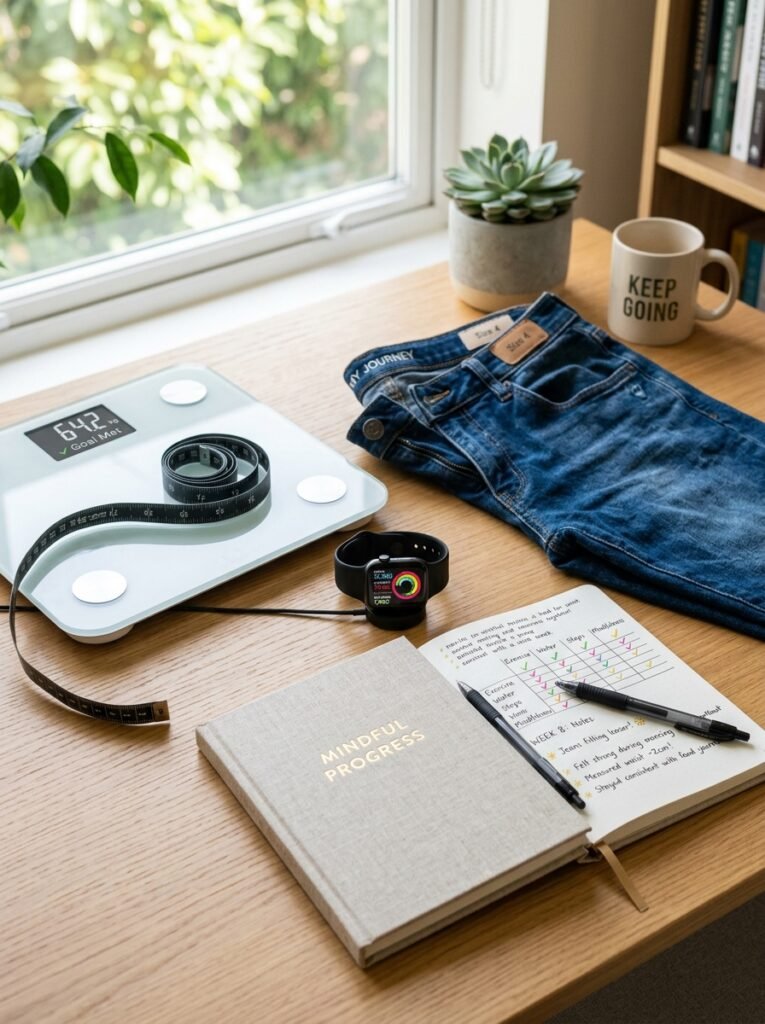
Consider tracking:
Body Weight
Use consistent conditions.
For example, weigh yourself in the morning after using the bathroom and before eating.
Waist Measurement
Measure around the same location each time.
Do this every couple of weeks rather than multiple times per day.
Progress Photos
Take photos under similar lighting, clothing, and positioning.
You don’t need to share them with anyone.
They’re simply another way to notice changes that the scale may miss.
Fitness Performance
Track improvements such as:
- More push-ups
- Heavier weights
- Longer walks
- Better endurance
- More repetitions
Health progress isn’t always measured in kilograms or pounds.
What If You’re Eating Very Little but Still Not Losing Weight?
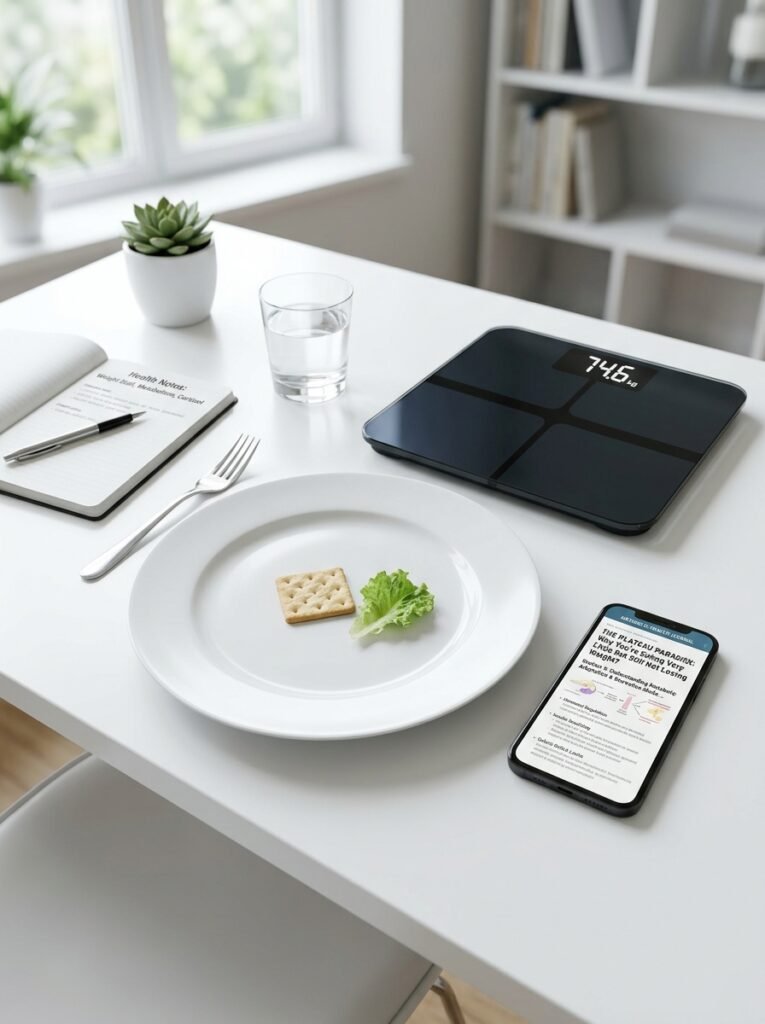
This is where I would slow down rather than cut calories further.
If you’re eating an extremely low amount of food and believe you’re maintaining your weight despite a consistent deficit, it’s worth checking whether your calorie estimates are accurate.
It may also be useful to speak with a doctor or registered dietitian if your weight changes seem unusual or you have other concerning symptoms.
Certain medications and medical conditions can affect weight regulation.
Don’t assume that eating less and less is always the answer.
Your goal should be sustainable fat loss while still giving your body enough nutrition.
How to Troubleshoot a Weight-Loss Plateau

If you’re genuinely stuck, don’t make ten changes at once.
Use a simple troubleshooting process.
Step 1: Check Your Tracking
For the next 7–14 days, carefully record everything you eat and drink.
Pay special attention to oils, sauces, snacks, beverages, and portion sizes.
Step 2: Monitor Your Weight Trend
Weigh yourself under similar conditions if you choose to weigh regularly.
Calculate your weekly average instead of focusing on individual numbers.
Step 3: Check Your Activity
Look at your average daily steps and workouts.
Has your activity decreased since you started dieting?
If so, gradually bring your movement back up.
Step 4: Check Your Protein and Fiber
Protein and fiber can make meals more satisfying.
Include foods such as:
- Eggs
- Greek yogurt
- Chicken
- Fish
- Beans
- Lentils
- Tofu
- Vegetables
- Fruit
- Whole grains
You don’t need to eliminate carbohydrates or fats.
A balanced diet can absolutely support weight loss.
Step 5: Make One Small Change
If you’ve confirmed that your tracking is accurate and your weight trend has genuinely plateaued for several weeks, consider a modest adjustment.
You could slightly reduce calorie intake or increase daily movement.
Avoid making dramatic changes.
Small adjustments are easier to maintain and evaluate.
How Much of a Calorie Deficit Should You Have?

You don’t need the largest possible calorie deficit.
A moderate deficit is generally easier to maintain than an aggressive one.
The ideal amount depends on factors such as your body size, activity level, current weight, goals, and individual circumstances.
Rather than chasing the lowest possible calorie number, aim for an approach that allows you to:
- Eat satisfying meals
- Get enough protein
- Eat fruits and vegetables
- Include healthy fats
- Stay active
- Sleep adequately
- Maintain your routine long term
If your diet leaves you constantly hungry, exhausted, or obsessed with food, it’s probably too aggressive.
What Should You Eat in a Calorie Deficit?

A calorie deficit doesn’t require special “diet foods.”
Build meals around nutritious foods that you actually enjoy.
A simple plate can include:
- Protein: chicken, fish, eggs, tofu, beans, lentils, yogurt
- Vegetables: leafy greens, carrots, peppers, broccoli, cucumber
- Carbohydrates: potatoes, rice, oats, whole grains, fruit
- Healthy fats: nuts, seeds, avocado, olive oil
You can still eat foods like bread, pasta, chocolate, or dessert.
Weight loss doesn’t require completely removing foods you enjoy.
Why Does My Weight Go Up After Eating Healthy?

This can feel confusing.
You might eat a very nutritious meal and wake up heavier the next morning.
That doesn’t mean the meal caused meaningful fat gain overnight.
Your body weight reflects water, food volume, sodium, carbohydrate intake, digestion, and other factors.
For example, a higher-sodium meal can temporarily increase water retention.
A larger meal can also mean there’s simply more food in your digestive system.
Give the scale time to settle before judging your progress.
Should You Stop Eating Carbs If You’re Not Losing Weight?

No.
Carbohydrates aren’t inherently responsible for weight gain.
Foods such as oats, potatoes, rice, fruit, and whole grains can all fit into a calorie-controlled diet.
Reducing carbohydrates may cause a quick drop in scale weight for some people because glycogen and associated water decrease.
But that doesn’t mean carbohydrates were preventing fat loss.
Choose the eating pattern you can maintain consistently.
Do You Need to Exercise Every Day to Lose Weight?

No.
You don’t have to work out every day.
A combination of regular movement and resistance training can be useful, while rest days help you recover.
A practical weekly routine might include:
- Strength training 2–4 days
- Walking most days
- Optional cardio sessions
- At least some recovery time
The best exercise routine is one you can actually continue.
When Should You Talk to a Doctor?

If you’ve been consistently tracking your food, maintaining an appropriate calorie intake, staying active, and seeing no meaningful change over an extended period, consider discussing your situation with a healthcare professional.
It’s particularly important to seek professional advice if you experience other unexplained symptoms or significant changes in weight.
A doctor can review medications, health conditions, lifestyle factors, and other possible contributors.
You don’t need to solve everything through willpower.
The Bottom Line: Why Am I Not Losing Weight in a Calorie Deficit?
If you’re asking, “Why am I not losing weight in a calorie deficit?”, don’t immediately assume that your metabolism is broken or that you need to eat dramatically less.
Start with the basics.
Check your portions.
Track calorie-dense ingredients.
Look at your weekly average rather than one weigh-in.
Consider water retention.
Review your activity.
Give the process enough time.
And remember that successful weight loss doesn’t have to be fast to be effective.
If you’ve been consistent for several weeks and the trend genuinely isn’t moving, make one small adjustment rather than completely changing your diet.
You don’t need an extreme plan.
You need a realistic plan that you can keep following.