
Simple Calorie Deficit Guide for Beginners: How to Lose Weight Without Starving
If you’ve ever tried to lose weight and felt overwhelmed by calories, food labels, portion sizes, and complicated diet rules, you’re not alone.
The good news is that weight loss doesn’t have to mean eating tiny portions or cutting out everything you enjoy. A calorie deficit simply means eating slightly fewer calories than your body uses over time.
This Simple calorie deficit guide for beginners will show you how to create a realistic deficit, choose satisfying foods, estimate your calorie needs, avoid common mistakes, and make weight loss feel manageable.
Key Takeaways
- A calorie deficit happens when you consistently consume fewer calories than your body uses.
- You don’t need an extreme deficit to lose weight. A modest reduction is usually easier to maintain.
- Protein, fiber, whole foods, and satisfying portions can make a calorie deficit much easier.
- Your calorie needs are individual, so use weight trends and how you feel to adjust your approach.
- You can enjoy your favorite foods while losing weight. Consistency matters more than perfection.
What Is a Calorie Deficit?
A calorie deficit means your body is using more energy than you’re getting from food and drinks.
Your body needs energy every day for things like breathing, keeping your heart beating, moving around, digesting food, exercising, and simply staying alive.
When you consistently consume less energy than you use, your body has to draw on stored energy. Over time, this can lead to weight loss.
Think of it like a simple budget.
If your body uses roughly 2,000 calories on a particular day and you eat around 1,700 calories, you’ve created a 300-calorie gap.
You don’t need to make that gap as large as possible. In fact, trying to eat dramatically less can make hunger, fatigue, cravings, and overeating much harder to manage.
The goal is to find a small, sustainable calorie deficit that you can actually live with.
How Does a Calorie Deficit Help You Lose Weight?
Body weight is influenced by several factors, but energy balance plays an important role.
If you consistently consume fewer calories than your body needs, your body can use stored energy, which can result in weight loss.
However, the scale doesn’t always move in a straight line.
Your body weight can change from day to day because of water retention, food volume, sodium intake, carbohydrate intake, digestion, hormones, and other factors.
That’s why looking at your overall weight trend is more useful than panicking over a single weigh-in.
For example, you might weigh slightly more after a salty meal even though you haven’t gained meaningful body fat.
This is one reason beginners should focus on weekly and monthly trends rather than daily fluctuations.
How Many Calories Should You Eat to Lose Weight?
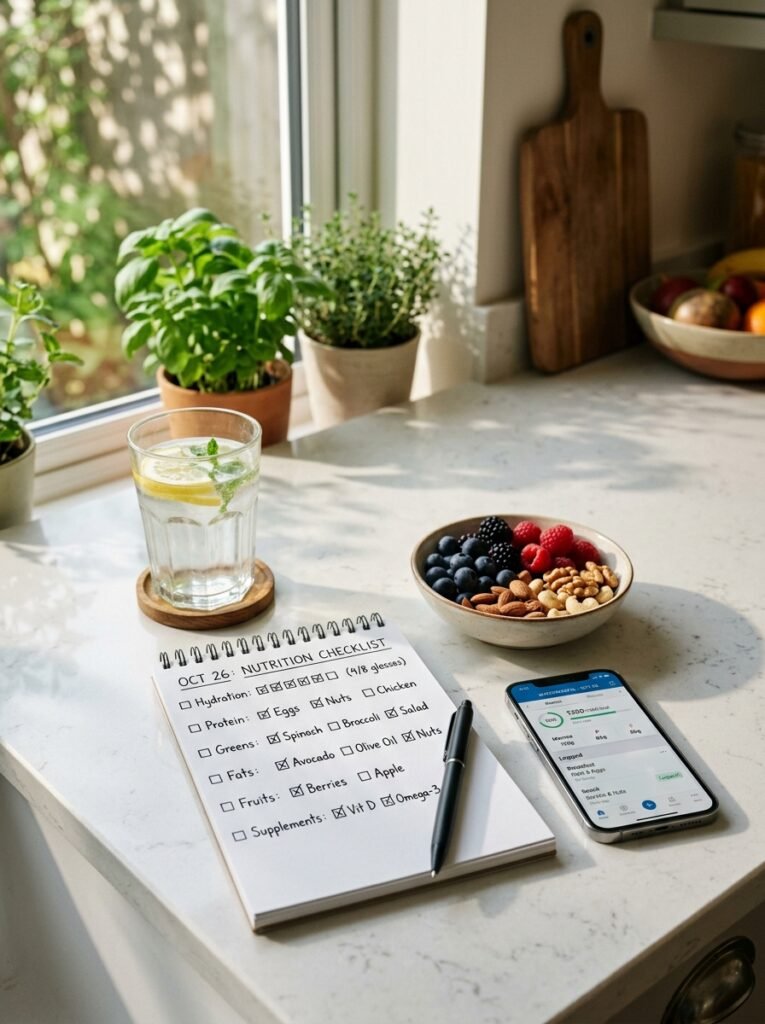
There’s no single calorie target that works for everyone.
Your calorie needs depend on factors such as:
- Age
- Sex
- Body size
- Muscle mass
- Daily activity
- Exercise
- Occupation
- Lifestyle
- Individual differences in energy expenditure
A calorie target that works well for one person may be too much or too little for another.
A practical approach is to estimate your maintenance calorie needs first, then create a modest reduction.
For many adults, a starting deficit of roughly 250–500 calories per day can be a reasonable approach, although the appropriate amount varies from person to person.
You don’t have to hit an exact number every day.
If your estimated maintenance intake is 2,200 calories, for example, you might start around 1,700–1,950 calories and monitor your progress.
That’s only an example, not a universal prescription.
If you’re very active, already relatively lean, under 18, pregnant or breastfeeding, or have a medical condition or history of disordered eating, calorie restriction may need a different approach. It’s best to speak with a qualified healthcare professional or registered dietitian.
How to Estimate Your Maintenance Calories
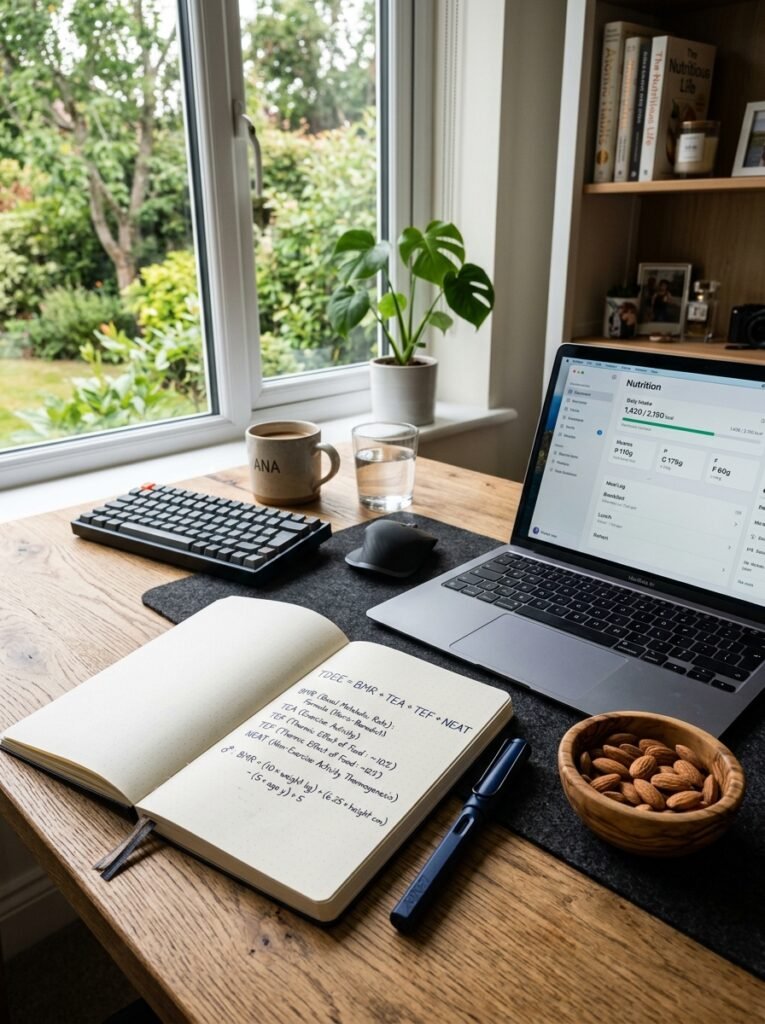
Your maintenance calories are roughly the amount of energy you need to maintain your current body weight over time.
Online calorie calculators can provide an estimate using information such as your age, height, weight, sex, and activity level.
The important word is estimate.
A calculator isn’t measuring your metabolism directly. Your actual calorie needs may be higher or lower.
A useful beginner strategy is:
- Estimate your maintenance calories.
- Choose a modest calorie deficit.
- Follow the target consistently for several weeks.
- Track your weight trend.
- Adjust gradually if needed.
This approach is much more useful than constantly changing your calorie target based on one or two days of scale readings.
The Easiest Way to Create a Calorie Deficit

You don’t necessarily need to completely redesign your diet.
Small changes can add up.
Instead of asking yourself, “How can I eat as little as possible?” ask:
“How can I make my usual meals a little more filling for fewer calories?”
That mindset can make a huge difference.
Here are some simple changes you can try:
- Choose grilled or baked foods more often than heavily fried foods.
- Add vegetables to lunch and dinner.
- Include a protein source with each main meal.
- Replace sugary drinks with water or low-calorie alternatives.
- Measure calorie-dense oils, sauces, and spreads.
- Choose fruit when you want something sweet.
- Use slightly smaller portions of high-calorie foods.
- Keep satisfying snacks available.
- Eat slowly enough to notice when you’re comfortably full.
- Reduce mindless snacking while watching television or scrolling.
You don’t need to make every change at once.
Pick two or three that feel easy and build from there.
Build Your Meals Around Protein and Fiber
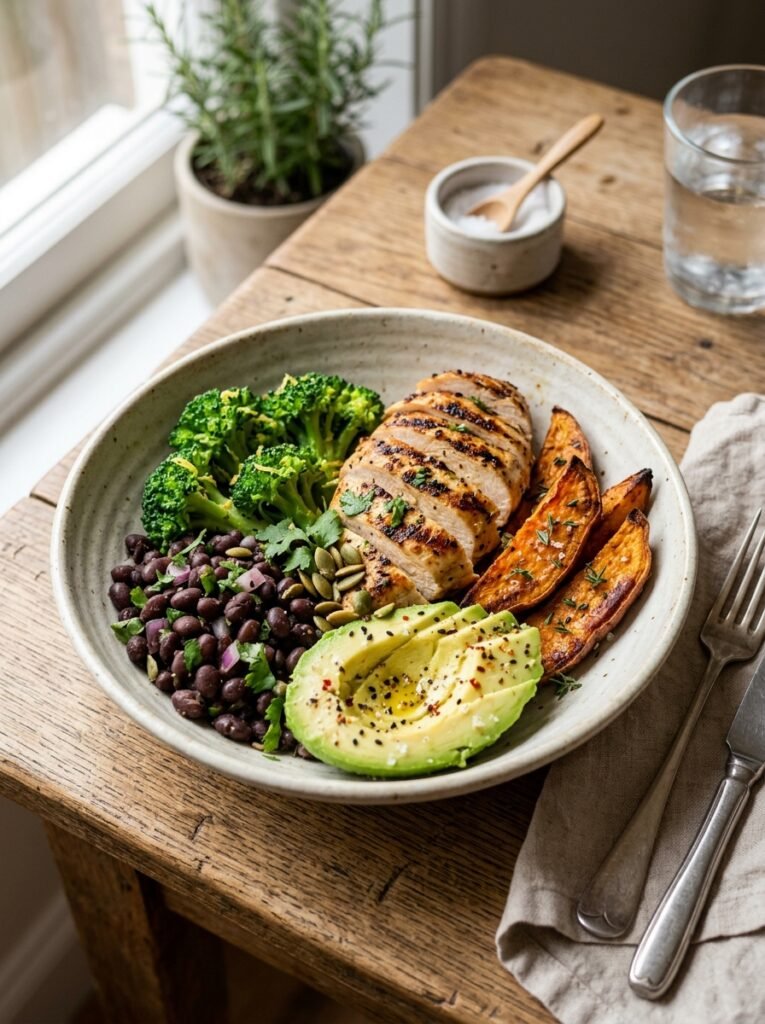
One of the biggest challenges of a calorie deficit is hunger.
If your meals are mostly small portions of low-protein, low-fiber foods, you may feel hungry again quickly.
Building meals around protein and fiber can make your diet much more satisfying.
Protein
Protein is useful during weight loss because it helps make meals more filling and supports the maintenance of muscle mass when you’re losing weight.
Good options include:
- Eggs
- Chicken
- Fish
- Lean meat
- Greek yogurt
- Cottage cheese
- Milk
- Beans
- Lentils
- Chickpeas
- Tofu
- Soy foods
You don’t need to eat enormous amounts of protein.
Instead, try including a reasonable protein source in your breakfast, lunch, dinner, and, when useful, snacks.
Fiber
Fiber-rich foods can also help you feel satisfied while adding volume to meals.
Good choices include:
- Vegetables
- Fruits
- Beans
- Lentils
- Oats
- Whole grains
- Potatoes with their skins
- Nuts and seeds in sensible portions
A simple meal formula is:
Protein + vegetables or fruit + a high-fiber carbohydrate + a moderate amount of healthy fat.
For example, grilled chicken with roasted vegetables and potatoes can be filling without requiring an extreme calorie restriction.
Don’t Be Afraid of Carbohydrates

One of the most common beginner mistakes is assuming that carbohydrates automatically prevent weight loss.
They don’t.
You can lose weight while eating rice, potatoes, oats, bread, pasta, fruit, and other carbohydrate-containing foods.
What matters for weight loss is your overall energy intake and expenditure over time.
The trick is paying attention to portions and choosing foods that keep you satisfied.
For example, instead of eliminating rice completely, you could have a moderate serving alongside chicken, lentils, vegetables, and yogurt.
That’s much easier to maintain than banning an entire food group.
Don’t Eliminate Fat Either
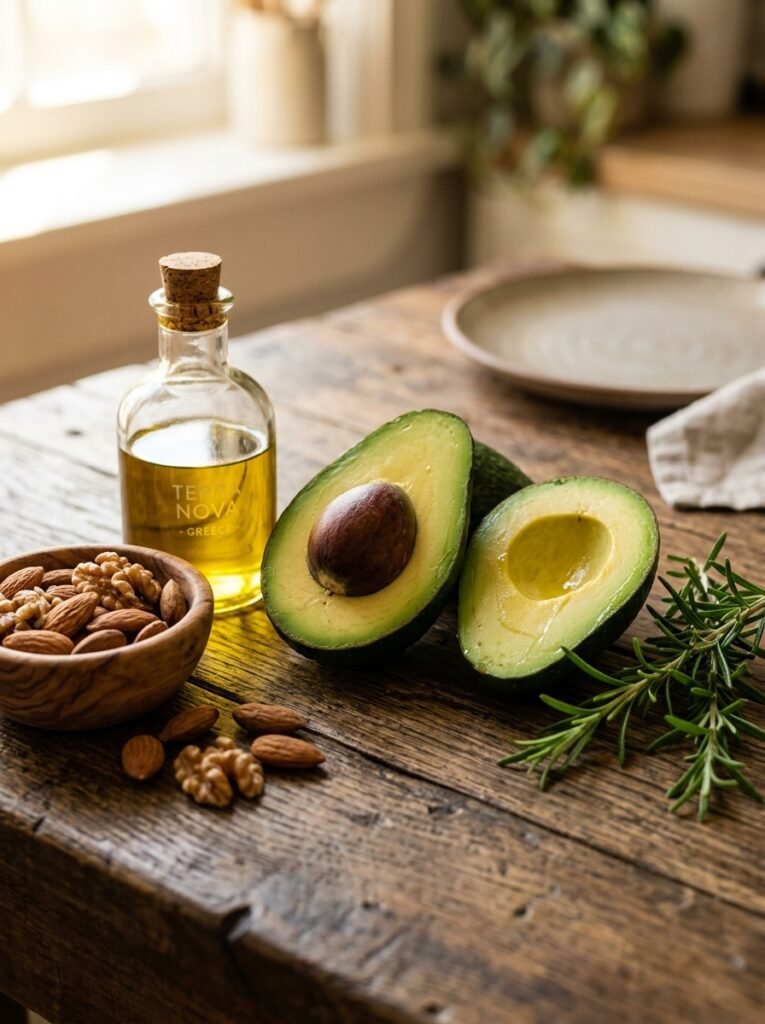
Dietary fat contains more calories per gram than protein or carbohydrates, so portions can matter.
But that doesn’t mean you need to avoid it.
Foods such as nuts, seeds, olive oil, avocado, eggs, and fatty fish can fit into a balanced weight-loss diet.
The key is portion awareness.
A large pour of cooking oil can add significantly more calories than you realize, especially because oil is easy to consume without feeling particularly full.
Try measuring calorie-dense ingredients occasionally until you become better at estimating portions.
Watch Your Drinks

Liquid calories can make a calorie deficit surprisingly difficult.
You may carefully control your meals while regularly drinking calories through:
- Sugary soda
- Sweetened coffee
- Milkshakes
- Energy drinks
- Sweetened tea
- Fruit drinks
- Specialty coffee beverages
You don’t have to eliminate every enjoyable drink.
But if you’re struggling to create a calorie deficit, beverages are an easy place to look.
Water, unsweetened tea, and other low-calorie drinks can help reduce your overall calorie intake without making your meals smaller.
Learn Portion Control Without Obsessing
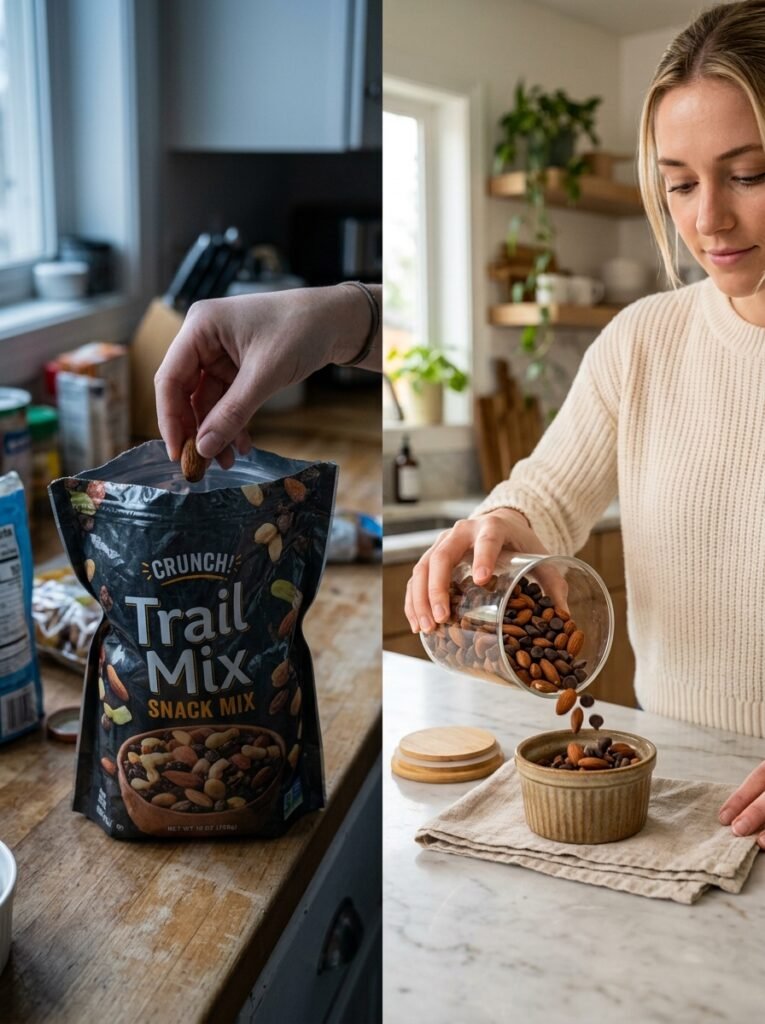
You don’t need to weigh every piece of lettuce for the rest of your life.
A food scale can be useful when you’re learning about portions, especially for calorie-dense foods.
But you can also use visual portion guides.
A simple plate can look like:
- About half: vegetables and/or fruit
- About one-quarter: protein
- About one-quarter: grains or other starchy carbohydrates
- A moderate amount: healthy fats
This isn’t a rigid rule.
Your ideal portions depend on your calorie needs, hunger, activity, preferences, and goals.
The purpose is simply to give you a practical starting point.
Foods to Eat More Often During a Calorie Deficit

A calorie deficit becomes easier when you choose foods that provide plenty of nutrition and satisfaction for their calories.
Consider building your meals around:
Vegetables
Vegetables can add volume, color, nutrients, and fiber to meals.
Try:
- Spinach
- Carrots
- Cucumber
- Tomatoes
- Broccoli
- Cauliflower
- Peppers
- Green beans
- Cabbage
- Mushrooms
- Zucchini
Fruit
Fruit can satisfy a sweet craving while providing fiber and nutrients.
Easy choices include:
- Apples
- Oranges
- Bananas
- Berries
- Melons
- Peaches
- Pears
- Grapes
You don’t need to fear the natural sugars in whole fruit.
Lean Protein
Protein can make meals more satisfying and supports muscle maintenance during weight loss.
Try:
- Chicken breast
- Turkey
- Fish
- Eggs
- Low-fat dairy
- Greek yogurt
- Lentils
- Beans
- Tofu
High-Fiber Carbohydrates
These can help provide energy and satisfaction.
Examples include:
- Oats
- Potatoes
- Brown rice
- Whole-grain bread
- Whole-grain pasta
- Beans
- Lentils
- Quinoa
What About Your Favorite Foods?
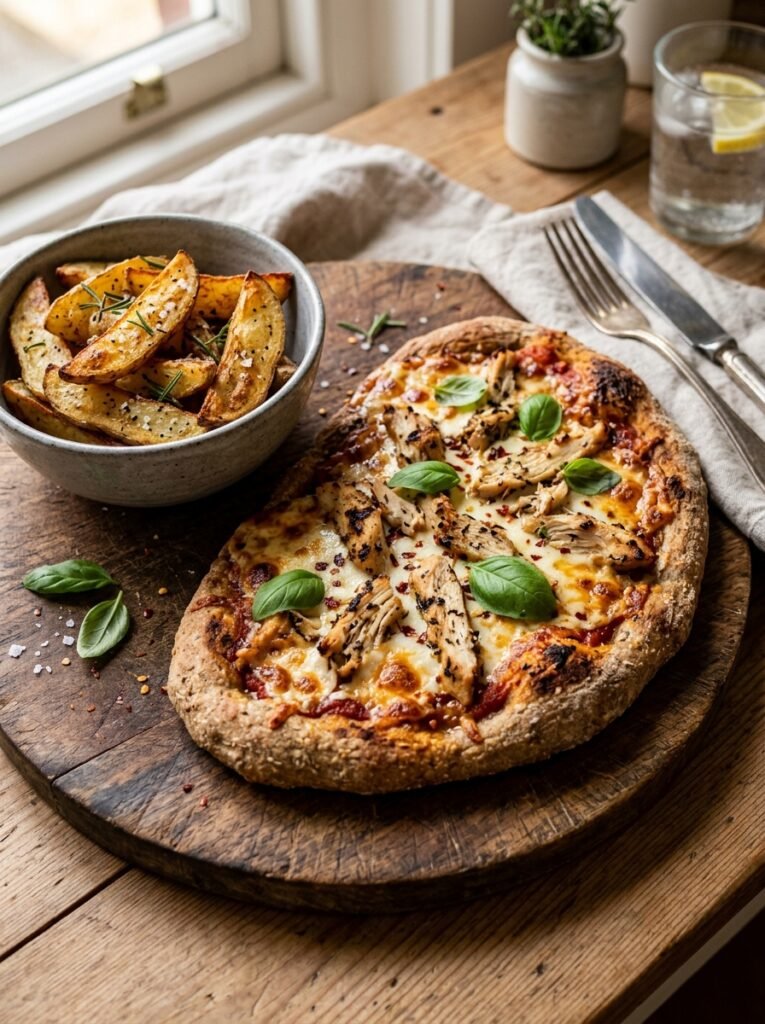
Please don’t assume that losing weight means giving up pizza, burgers, chocolate, dessert, or your favorite traditional meals forever.
That’s usually an unnecessary way to make weight loss harder.
You can include higher-calorie foods while maintaining a calorie deficit.
For example, instead of eating an entire large dessert without thinking about it, have a portion you genuinely enjoy and move on.
You might also modify favorite meals.
Try:
- Adding vegetables to pizza or pasta.
- Choosing a smaller serving of fries.
- Using a lighter sauce.
- Pairing dessert with fruit.
- Choosing grilled instead of fried protein.
- Sharing a large restaurant dessert.
- Saving a favorite treat for a planned meal.
A sustainable diet should leave room for real life.
A Simple Calorie Deficit Meal Example
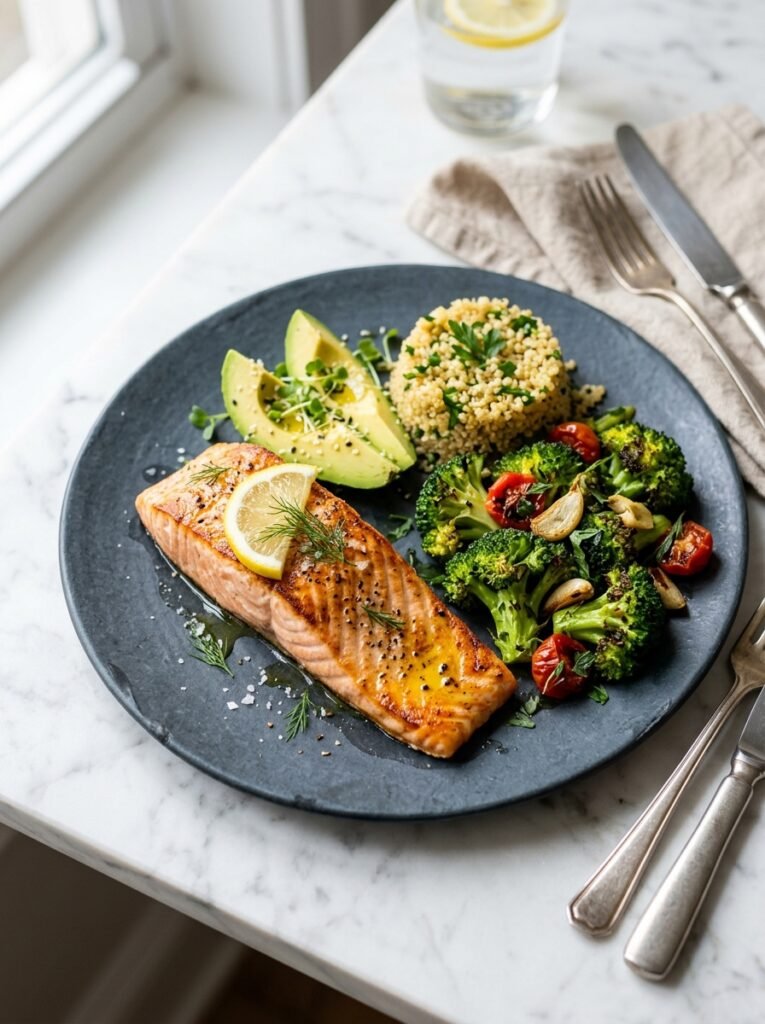
You don’t need complicated recipes to eat for weight loss.
Here’s an example of how a day might look:
Breakfast
- Eggs or Greek yogurt
- Oats or whole-grain toast
- A piece of fruit
- Tea or coffee
Lunch
- Grilled chicken, beans, or lentils
- Rice or whole-grain bread
- A large serving of vegetables
- Yogurt or another protein-rich side
Snack
- Fruit and Greek yogurt
- Or a small portion of nuts and fruit
Dinner
- Fish, chicken, tofu, or lentils
- Potatoes, rice, or another carbohydrate
- Plenty of vegetables
- A moderate amount of healthy fat
The exact foods aren’t important.
The principle is what matters: protein + fiber-rich foods + sensible portions + enough food to feel satisfied.
How Exercise Fits Into a Calorie Deficit

You don’t need to exercise for hours to lose weight.
Your calorie deficit can come from eating fewer calories, moving more, or a combination of both.
For many people, combining modest dietary changes with regular movement is easier than trying to create the entire deficit through food restriction.
Walking is a great place to start.
You can also use:
- Bodyweight workouts
- Resistance training
- Cycling
- Swimming
- Jogging
- Dancing
- Sports
- Short home workouts
Exercise is also valuable for fitness and overall health, even when the scale isn’t changing quickly.
Strength Training During Weight Loss

If you have access to resistance training, consider including it in your routine.
Strength training can help you build or maintain muscle while losing weight.
A beginner home workout might include movements such as:
- Squats
- Lunges
- Push-ups
- Glute bridges
- Rows using resistance bands
- Planks
Start at a level you can perform safely and focus on gradually improving.
You don’t need an exhausting workout every day.
How Fast Should You Lose Weight?
There’s no single perfect rate of weight loss for everyone.
Your starting body size, calorie intake, activity level, genetics, and other factors can influence how quickly your weight changes.
A gradual approach is generally easier to maintain than trying to lose weight as quickly as possible.
Remember that weight loss often slows over time.
As your body weight decreases, your energy needs can also change, meaning the calorie deficit you started with may become smaller.
That’s normal.
It doesn’t mean you’ve failed.
What If the Scale Isn’t Moving?
Don’t immediately slash another 500 calories from your diet.
First, look at the bigger picture.
Ask yourself:
- Have I followed my calorie target consistently?
- Am I accurately estimating portions?
- Are drinks adding calories?
- Am I eating more on weekends?
- Have my portions gradually increased?
- Am I weighing myself under similar conditions?
- Has my activity level changed?
- Has enough time passed to identify a real trend?
One week of unchanged weight doesn’t necessarily mean your plan isn’t working.
Water retention can temporarily hide fat loss.
Look at several weeks of data before making major changes.
A Simple Way to Track Your Progress
You can track your progress without becoming obsessed with numbers.
If you choose to weigh yourself, try doing it under similar conditions, such as in the morning after using the bathroom and before eating.
Then look at the trend rather than individual measurements.
You can also track:
- Waist measurements
- How your clothes fit
- Workout performance
- Daily energy
- Hunger levels
- Consistency with your meals
- Progress photos, if you’re comfortable taking them
The scale is only one measurement.
Common Calorie Deficit Mistakes Beginners Make
Creating a calorie deficit sounds simple, but several common mistakes can make it unnecessarily difficult.
Making the Deficit Too Large
Eating as little as possible may seem like the fastest solution.
But a very aggressive calorie restriction can increase hunger, fatigue, cravings, and the likelihood of overeating.
A smaller deficit that you can maintain is often a better starting point.
Ignoring Portion Sizes
Healthy foods still contain calories.
Nuts, oils, peanut butter, cheese, granola, avocado, and dressings can be nutritious while also being calorie-dense.
You don’t need to avoid them.
Just recognize that portions can matter.
Eating Too Little Protein
A diet based mostly on snacks, refined carbohydrates, and small portions may leave you hungry.
Try to include a protein source at your main meals.
Drinking Lots of Calories
It’s easy to forget about beverages when tracking food.
If weight loss has stalled, check your drinks before making dramatic changes to your meals.
Being Perfect During the Week and Overeating on Weekends
A calorie deficit is about your overall pattern.
You can eat carefully from Monday through Friday and unintentionally erase much of your deficit with very large portions on Saturday and Sunday.
Instead, aim for flexibility without turning weekends into an all-you-can-eat event.
Giving Up After One Off-Plan Meal
One large meal doesn’t ruin your progress.
Don’t respond by starving yourself the next day.
Simply return to your normal eating pattern at your next meal.
Do You Need to Count Calories?
No.
Calorie counting can be helpful because it teaches you how much energy different foods contain and makes portion sizes easier to understand.
But it’s not the only way to create a calorie deficit.
You can also focus on:
- Eating mostly minimally processed foods
- Building balanced meals
- Controlling portions
- Eating slowly
- Prioritizing protein and fiber
- Limiting calorie-containing drinks
- Reducing mindless snacking
- Staying physically active
Some people enjoy tracking calories.
Others find it stressful.
The best method is the one that helps you make consistent choices without taking over your life.
A Beginner-Friendly 7-Day Calorie Deficit Strategy
If the idea of changing everything at once feels overwhelming, try this simple approach.
Day 1: Observe
Don’t immediately restrict your food.
Pay attention to what you normally eat and drink.
Notice where most of your calories are coming from.
Day 2: Improve Breakfast
Add a protein source and fruit or another high-fiber food.
For example, eggs with whole-grain toast and fruit can be more satisfying than a breakfast based mainly on sugary foods.
Day 3: Improve Lunch
Build lunch around protein, vegetables, and a sensible carbohydrate portion.
Don’t try to make lunch tiny.
Day 4: Check Your Drinks
Look at your beverages.
Replacing just one high-calorie drink with a low-calorie alternative can be an easy change.
Day 5: Add Movement
Take a walk or complete a short home workout.
Choose something you actually enjoy.
Day 6: Plan Your Treat
Instead of thinking of favorite foods as forbidden, intentionally include a reasonable portion.
This can make your diet feel much less restrictive.
Day 7: Review
Ask yourself:
- What was easy?
- What was difficult?
- When was I most hungry?
- Which meals kept me satisfied?
- Where could I make one small improvement?
Then use what you learned to plan the following week.
How to Make a Calorie Deficit Sustainable
The best calorie deficit isn’t the one that produces the fastest result.
It’s the one you can maintain while still living your life.
Give yourself room for birthdays, family meals, restaurants, holidays, and unexpected events.
You don’t have to eat perfectly.
Instead, aim for consistency most of the time.
A useful mindset is:
Don’t ask, “Can I follow this diet forever?”
Ask:
“Can I continue eating this way for the next few weeks without feeling miserable?”
If the answer is no, your approach may be too restrictive.
What to Do When You’re Hungry All the Time
Persistent hunger is a sign worth paying attention to.
Try increasing the amount of filling, nutrient-rich foods in your meals.
For example:
- Add more vegetables.
- Increase your protein portion moderately.
- Choose whole fruit instead of juice.
- Include high-fiber carbohydrates.
- Drink enough fluids.
- Avoid skipping meals if it causes overeating later.
- Make sure your calorie target isn’t unnecessarily low.
If you’re constantly exhausted, dizzy, weak, preoccupied with food, or struggling with restrictive eating, don’t simply push harder.
Consider speaking with a qualified healthcare professional or registered dietitian.
Can You Lose Weight Without Counting Calories?
Yes.
Counting calories is one method, not a requirement.
Many people can reduce their calorie intake naturally by changing the types and portions of foods they eat.
For example, replacing sugary drinks with water, adding vegetables to meals, eating more protein, and reducing oversized portions can lower calorie intake without entering every food into an app.
However, if you aren’t seeing the progress you want, tracking for a short period can provide useful information.
You might discover that foods you assumed were low in calories are actually quite calorie-dense.
Your Simple Calorie Deficit Checklist
Before you start, keep this checklist handy:
- Estimate your maintenance calorie needs.
- Choose a modest calorie deficit.
- Include protein with your main meals.
- Eat plenty of vegetables and fruit.
- Choose high-fiber carbohydrates.
- Pay attention to calorie-dense foods and sauces.
- Check your drinks.
- Stay physically active.
- Sleep consistently.
- Monitor your weight trend rather than individual days.
- Adjust gradually instead of making drastic changes.
- Keep some favorite foods in your diet.
- Don’t expect perfection.