
Best Weight Loss Tips for Busy Professionals: A Realistic Guide for Losing Weight Without Living at the Gym

Between early meetings, packed calendars, long commutes, deadlines, and family responsibilities, finding time to lose weight can feel almost impossible.
The good news? You don’t need a perfect schedule, a strict diet, or hours at the gym. With a few practical habits, you can make steady progress while still enjoying your work and personal life.
If you’re looking for the best weight loss tips for busy professionals, the goal is to make healthy choices easier to repeat—not to make your life more complicated.
Key Takeaways
- Build simple meals around protein, vegetables, fiber-rich carbohydrates, and healthy fats to stay satisfied.
- Use short workouts, walking, and everyday movement instead of relying on long gym sessions.
- Prepare a few meals and snacks ahead of time so busy days don’t automatically lead to takeout.
- Focus on consistency, sleep, stress management, and realistic portions rather than extreme dieting.
Why Weight Loss Is So Difficult for Busy Professionals

Busy professionals often know what healthy eating looks like. The harder part is making those choices when you’re exhausted, rushed, or surrounded by convenient food.
You might start your morning with coffee, skip breakfast, eat lunch at your desk, grab something quick in the afternoon, and arrive home hungry enough to eat whatever is easiest.
This isn’t necessarily a lack of willpower. Your environment and schedule can strongly influence your decisions.
That’s why an effective weight loss plan needs to fit your actual life.
Instead of asking, “How can I follow the perfect diet?” ask, “What healthy habit can I realistically repeat even on my busiest day?”
That small change in mindset can make weight loss much more manageable.
1. Stop Trying to Follow a Perfect Diet
One of the biggest mistakes busy people make is choosing a diet that requires too much time, planning, or restriction.
A plan may look great on paper but become difficult to follow when you’re working late or traveling for meetings.
You don’t need to eat perfectly every day.
Aim for meals that are generally nutritious and portions that support your goals. If you have a restaurant meal or dessert occasionally, simply return to your normal routine at the next meal.
Think in Terms of Better Choices
Instead of completely changing your diet overnight, make small upgrades.
For example:
- Choose grilled chicken instead of fried chicken.
- Add vegetables to lunch or dinner.
- Replace sugary drinks with water or unsweetened beverages.
- Choose fruit and yogurt instead of pastries for an everyday snack.
- Use a smaller portion of calorie-dense foods.
- Add protein to meals that usually leave you hungry.
These changes may seem simple, but repeating them consistently can make a meaningful difference.
2. Prioritize Protein at Every Meal
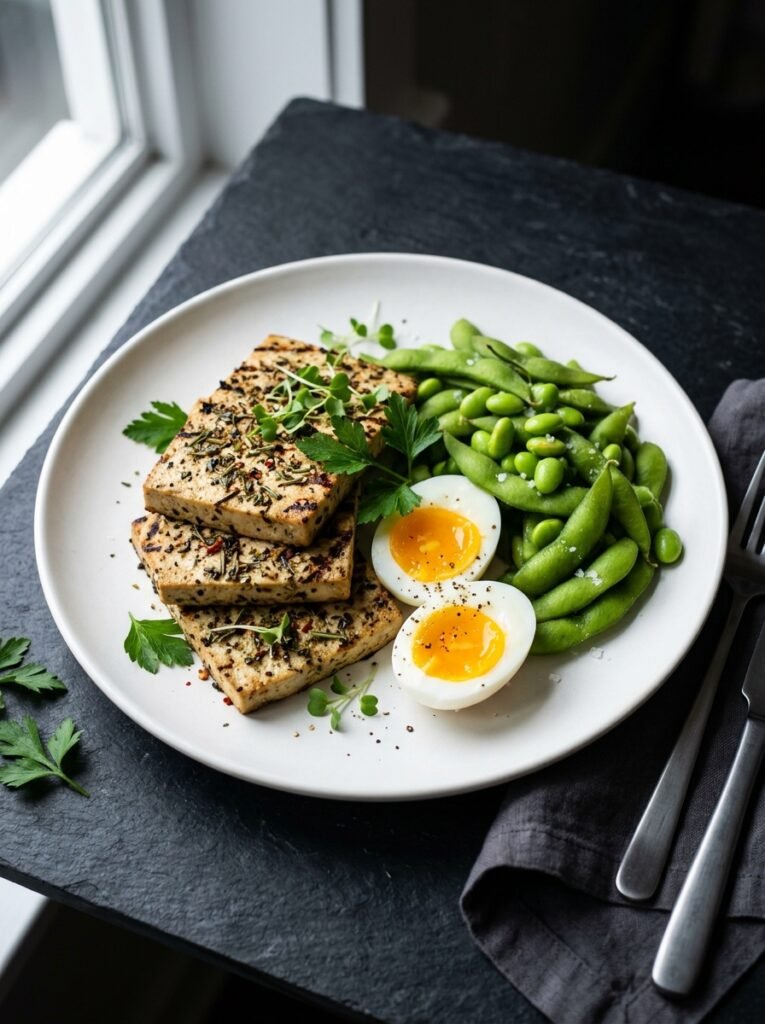
Protein is especially useful when you’re trying to lose weight because it can help you feel satisfied after eating.
It also makes it easier to build balanced meals without relying heavily on snacks throughout the day.
Convenient protein choices include:
- Eggs
- Greek yogurt
- Cottage cheese
- Chicken
- Fish
- Lean beef
- Beans
- Lentils
- Tofu
- Tempeh
- Milk
- Tuna
- Turkey
You don’t have to prepare complicated recipes.
A bowl of Greek yogurt with fruit and nuts can work for breakfast. A chicken and vegetable wrap can make a practical lunch. Eggs with whole-grain toast and fruit can be a quick dinner when you’re short on time.
3. Make Your Meals Simple
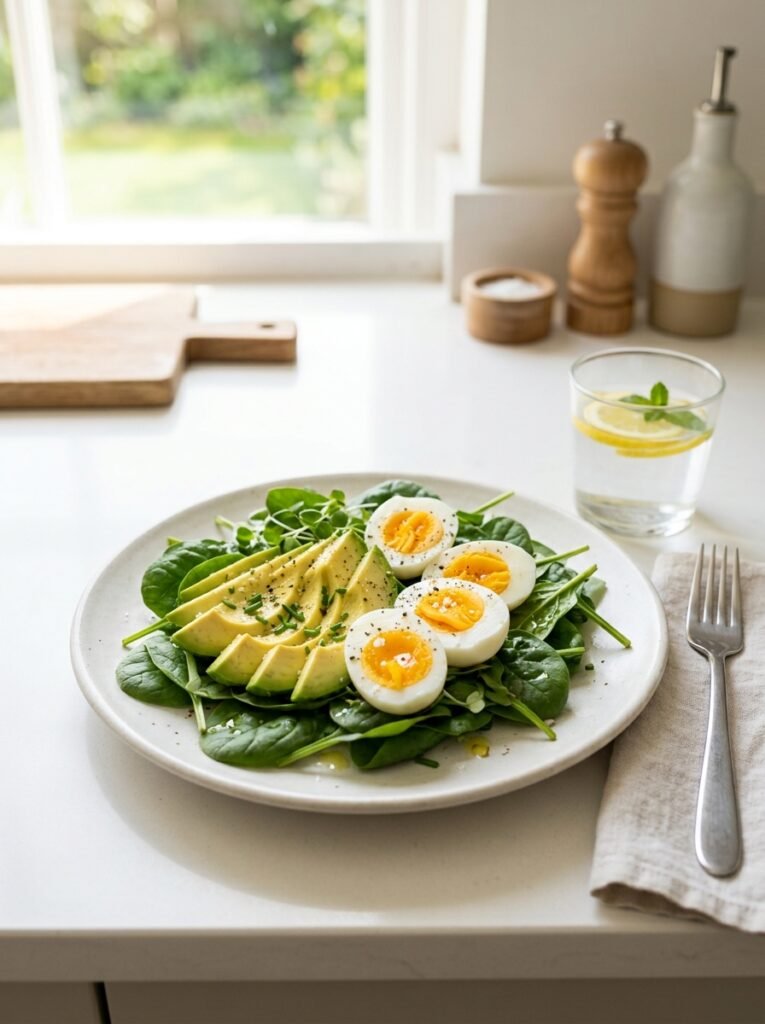
Healthy eating doesn’t have to mean cooking a different recipe every night.
In fact, keeping meals simple may be one of the best weight loss tips for busy professionals because it reduces decision fatigue.
Try building most meals using a simple formula:
Protein + vegetables or fruit + high-fiber carbohydrate + healthy fat
For example:
- Chicken + roasted vegetables + brown rice + olive oil
- Eggs + spinach + whole-grain toast + avocado
- Lentils + mixed vegetables + whole-grain roti + yogurt
- Fish + salad + potatoes + a small amount of olive oil
- Tofu + stir-fried vegetables + rice + sesame seeds
You can adjust the portions according to your hunger, goals, and individual needs.
4. Prepare Food Before Your Week Gets Busy
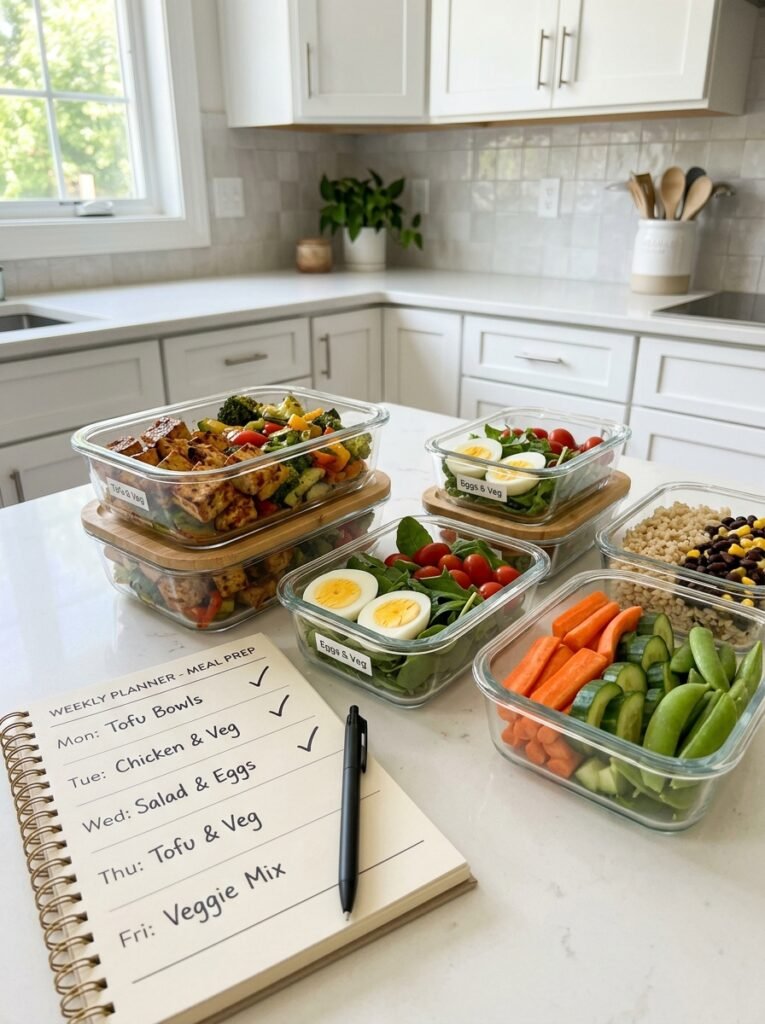
You don’t need to spend your entire Sunday cooking.
Even 30–60 minutes of basic preparation can make weekday eating much easier.
Try preparing two or three ingredients rather than complete meals.
For example, you could:
- Cook a batch of chicken or lentils.
- Wash and chop vegetables.
- Prepare rice or another whole grain.
- Boil several eggs.
- Portion nuts into small containers.
- Wash fruit.
- Prepare overnight oats.
- Keep yogurt available in the refrigerator.
Then you can mix and match ingredients throughout the week.
This approach gives you flexibility without requiring daily meal preparation.
5. Keep Emergency Meals at Home
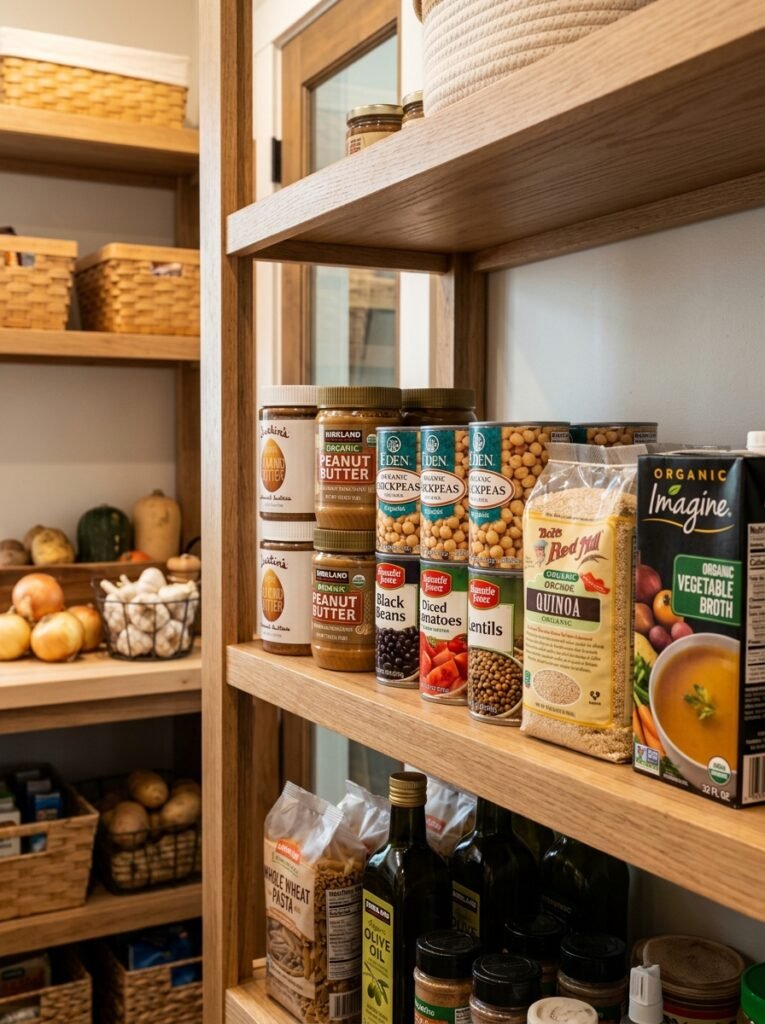
Busy evenings are when many healthy intentions disappear.
If you arrive home exhausted and there’s nothing ready to eat, ordering takeout can become the obvious choice.
Keep a few quick options available for these situations.
Good emergency foods include:
- Frozen vegetables
- Canned beans
- Eggs
- Canned tuna
- Whole-grain bread or wraps
- Greek yogurt
- Pre-cooked chicken
- Frozen fruit
- Oats
- Soup with a reasonable ingredient list
A quick meal doesn’t have to be fancy.
Scrambled eggs with vegetables and whole-grain toast can be ready in minutes. A bean and chicken wrap can also make a filling meal with minimal preparation.
6. Don’t Let Breakfast Become a Calorie Trap
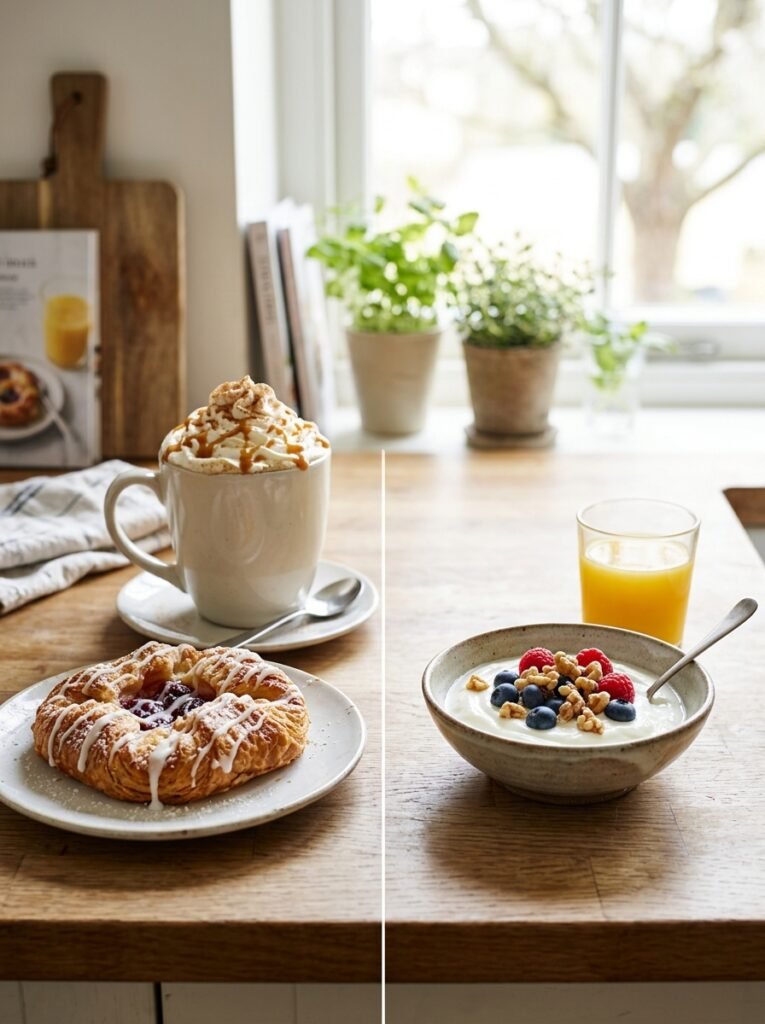
Breakfast isn’t mandatory for everyone, but if you’re hungry in the morning, make it satisfying.
A common problem is choosing a breakfast that’s high in added sugar but low in protein and fiber.
You may feel hungry again within a couple of hours.
Instead, consider combinations such as:
- Eggs + whole-grain toast + fruit
- Greek yogurt + berries + oats
- Oatmeal + milk + nuts + banana
- Cottage cheese + fruit + whole-grain toast
- Smoothie with fruit, yogurt or milk, and a protein-rich ingredient
The best breakfast is one that keeps you satisfied and fits your schedule.
7. Build a Better Office Lunch Routine
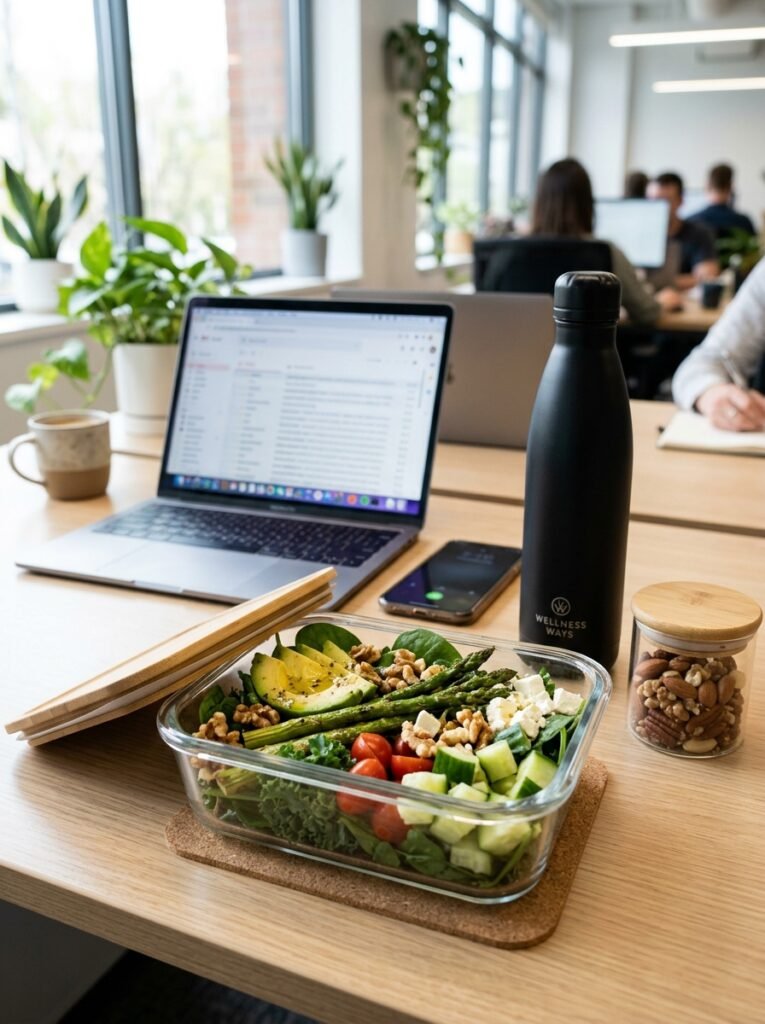
Lunch can be challenging when you’re surrounded by cafeterias, restaurants, delivery apps, and workplace treats.
You don’t have to avoid eating out completely.
Instead, look for meals that contain a clear protein source and plenty of vegetables or other high-fiber foods.
When ordering, consider:
- Grilled or roasted protein
- Vegetable-based sides
- Salads with protein
- Bean-based meals
- Rice or whole grains in reasonable portions
- Sauces and dressings served separately when practical
You can also use the “half now, half later” approach if restaurant portions are very large.
8. Be Careful With Liquid Calories

Drinks can quietly add a lot of calories without making you feel as full as solid food.
This can happen with sugary coffee drinks, soft drinks, sweetened tea, energy drinks, and some smoothies.
You don’t have to eliminate everything you enjoy.
Try making lower-calorie choices most of the time, such as:
- Water
- Sparkling water
- Unsweetened tea
- Plain coffee
- Coffee with a modest amount of milk
- Reduced-sugar beverages
If you enjoy a sweet coffee drink, you can have one occasionally and account for it as part of your overall eating pattern.
9. Walk More During the Workday

You don’t need a 60-minute workout every day to become more active.
Walking is one of the easiest ways to increase daily movement without requiring specialized equipment.
Look for small opportunities:
- Walk during a phone call.
- Take the stairs when practical.
- Walk for 5–10 minutes after lunch.
- Park slightly farther away.
- Take short movement breaks between tasks.
- Walk while listening to a podcast.
- Have walking meetings when appropriate.
Ten minutes here and ten minutes there can add up.
The goal is to make movement part of your normal workday rather than treating exercise as another major appointment.
10. Use Short Workouts When You’re Busy
If you only have 15 or 20 minutes, use them.
A short workout is still a workout.
For example, a simple home routine could include:
- Squats
- Incline push-ups
- Glute bridges
- Reverse lunges
- Plank variations
- Marching in place
Perform the exercises at a comfortable level and take breaks when needed.
You don’t need to destroy yourself during every workout. Regular, manageable exercise is easier to maintain than occasional extreme sessions.
A Simple 20-Minute Structure
Try:
3 minutes: Easy warm-up
12 minutes: Strength circuit
3 minutes: Light cardio or walking
2 minutes: Cool-down
If you have more time, you can extend the session.
If you have less time, do what you can.
11. Strength Train During Weight Loss
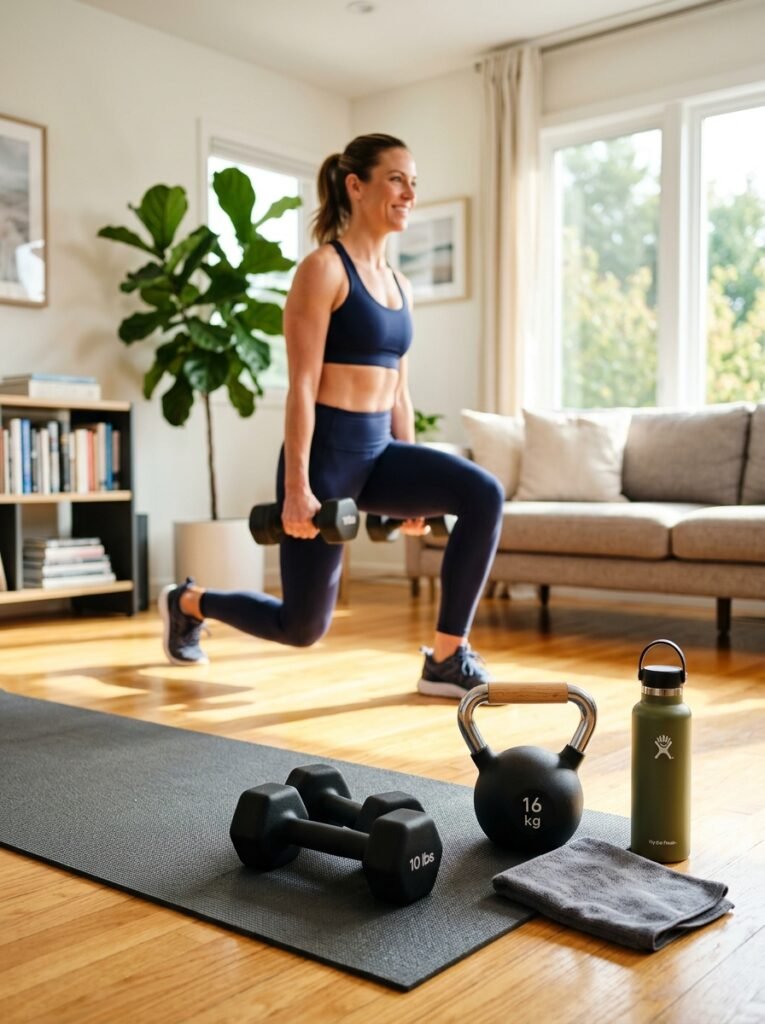
Cardio isn’t your only option.
Strength training can help you maintain and develop muscle while you’re losing weight, especially when combined with adequate nutrition.
You don’t necessarily need a gym membership.
Bodyweight exercises can provide a useful starting point.
Try exercises such as:
- Squats
- Lunges
- Push-ups
- Glute bridges
- Rows using resistance bands
- Shoulder presses with dumbbells
- Hip hinges
- Planks
Start with a manageable amount and gradually increase difficulty as you become stronger.
12. Don’t Sit for Hours Without Moving

Even if you exercise in the morning, sitting for most of the remaining day can leave your overall activity fairly low.
If your job involves a desk, create simple movement reminders.
Every hour or so, consider standing up, walking around, stretching, or getting some water.
You don’t need to turn your workday into a workout.
You’re simply breaking up long periods of inactivity.
13. Use the 80/20 Mindset
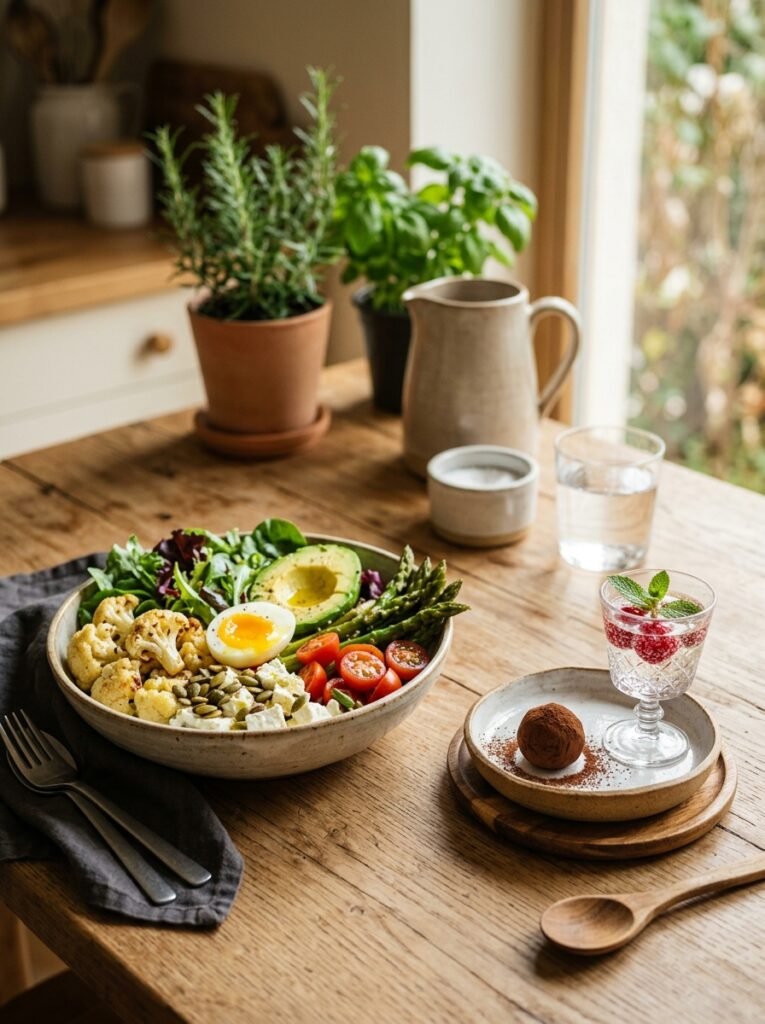
A healthy lifestyle doesn’t require you to say no to every food you enjoy.
If you try to eliminate everything you like, you may eventually feel restricted and overeat.
Instead, make nutritious foods the foundation of your diet while leaving room for enjoyable foods.
You can enjoy pizza, dessert, restaurant meals, or your favorite snack without deciding that you’ve “ruined” your progress.
One meal doesn’t determine your results.
Your overall pattern matters much more.
14. Learn Portion Awareness

Healthy foods can still contribute substantial calories when portions become very large.
You don’t need to weigh every food forever.
Start by learning what a comfortable portion looks like.
A practical plate can include:
- A generous serving of vegetables
- A solid source of protein
- A moderate portion of carbohydrates
- A smaller amount of calorie-dense fats
Your individual needs will vary, so use hunger, fullness, goals, and progress as guides.
If you’re consistently hungry, your meals may need more protein, fiber, or overall food.
15. Don’t Skip Meals Just to “Save Calories”
Skipping meals can backfire for some people.
If you arrive at dinner extremely hungry, it’s much harder to make calm decisions about food.
Instead of trying to eat as little as possible during the day, build satisfying meals that keep you comfortable.
If you know you’ll have a late meeting, keep a convenient snack nearby.
For example:
- Apple + peanut butter
- Greek yogurt + fruit
- Boiled eggs + fruit
- Cottage cheese + berries
- A small handful of nuts + fruit
The right choice depends on your hunger and dietary preferences.
16. Keep Healthy Snacks Within Reach

Your environment matters.
If cookies and chips are sitting directly beside your computer, they’re easy to grab during stressful work.
Make nutritious options equally convenient.
Keep options such as fruit, yogurt, nuts, roasted chickpeas, or whole-grain crackers available.
You don’t have to rely on willpower when you can make the healthier choice the easier choice.
17. Plan for Business Meetings and Work Events

Work events can make weight loss feel particularly difficult.
You don’t need to avoid them.
Before attending, consider eating a normal meal or small protein-rich snack if you expect the event to have mostly appetizers.
At the event, look for:
- Protein-rich foods
- Vegetables
- Fruit
- Reasonable portions of higher-calorie foods
- Water or unsweetened beverages
Choose the foods you genuinely want rather than automatically sampling everything available.
18. Handle Restaurant Meals Without Stress

Eating at restaurants can absolutely fit into a weight loss plan.
Before ordering, consider what will make the meal satisfying without leaving you uncomfortably full.
You might choose:
- Grilled fish with vegetables
- Chicken with rice and salad
- A bean-based bowl
- A vegetable-heavy stir-fry
- A salad with a substantial protein source
- Soup with a protein-rich side
You can also share an appetizer or dessert if that works for you.
The objective isn’t to find the lowest-calorie item on every menu.
It’s to make a reasonable choice you can enjoy.
19. Manage Stress Before It Drives Your Eating

Stress can change eating behavior.
Some people lose their appetite when stressed, while others reach for highly palatable foods as a way to cope.
If stress eating is common for you, create a short list of non-food ways to decompress.
Try:
- Taking a short walk
- Calling someone you trust
- Listening to music
- Taking a shower
- Doing a few minutes of stretching
- Stepping outside
- Practicing slow breathing
- Taking a short break from your screen
These strategies won’t remove every stressful situation.
They can simply give you another option before automatically reaching for food.
20. Protect Your Sleep

Sleep is often pushed aside when work becomes demanding.
But consistently poor sleep can make healthy habits harder to maintain, particularly when you’re tired and looking for quick energy.
Aim for a consistent sleep schedule when possible.
Helpful habits include:
- Keeping a regular bedtime.
- Limiting unnecessary late-night screen time.
- Creating a relaxing wind-down routine.
- Keeping your bedroom comfortable and dark.
- Avoiding excessive caffeine late in the day.
You don’t need a perfect sleep routine.
Even making bedtime more consistent can be a useful step.
21. Set Realistic Weight Loss Goals
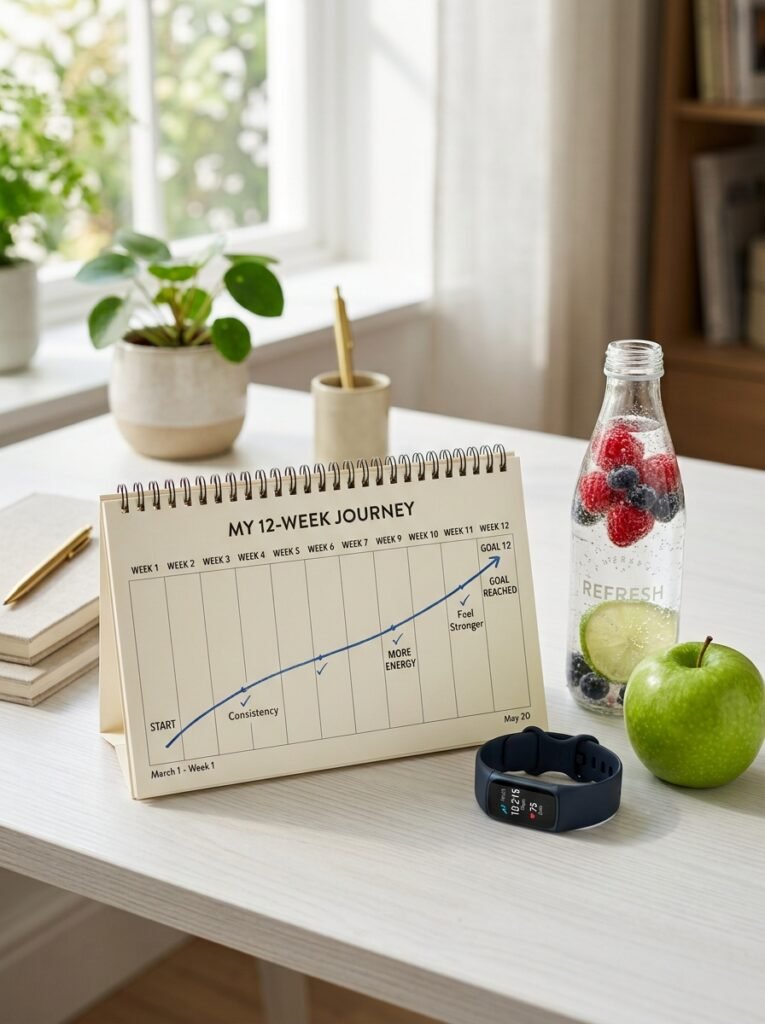
One of the most important best weight loss tips for busy professionals is to stop expecting dramatic results immediately.
Healthy weight loss is usually a gradual process.
Your weight can also fluctuate from day to day because of hydration, food intake, sodium, digestion, hormones, and other factors.
Instead of judging yourself based on one morning’s number, look at longer-term trends.
You can also track progress through:
- Waist measurements
- How your clothes fit
- Workout performance
- Energy levels
- Food consistency
- Daily movement
- Sleep habits
The scale is useful, but it isn’t the only measure of progress.
22. Track Your Food—But Don’t Obsess Over It
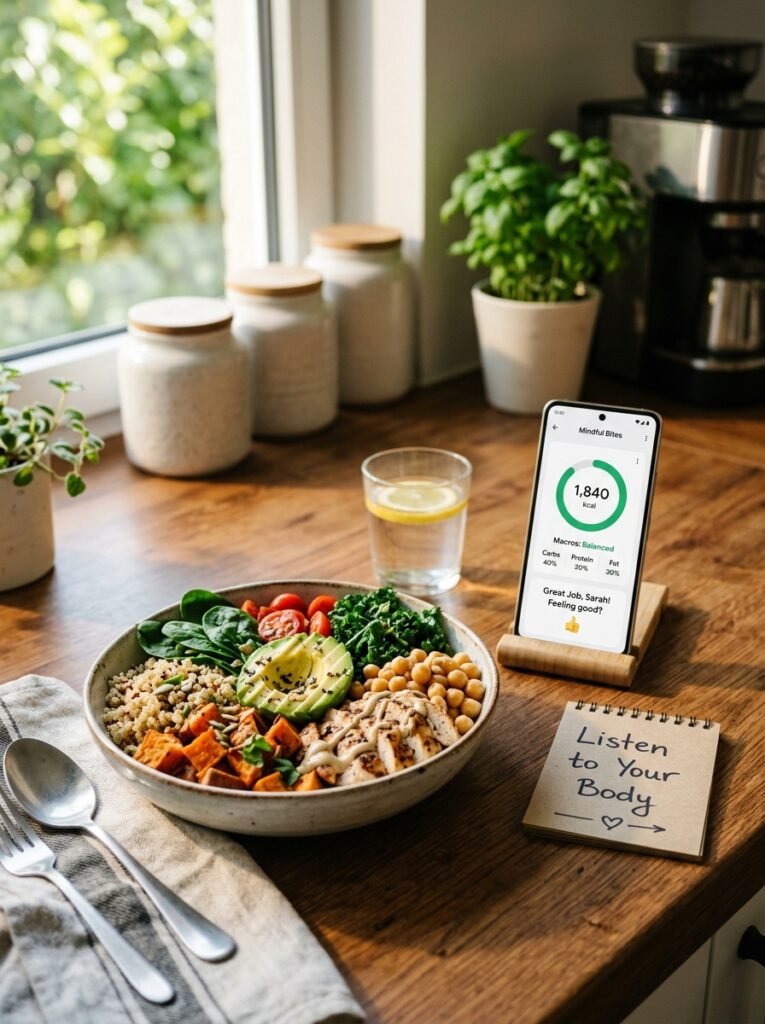
Food tracking can help some people understand their portions and eating patterns.
It can also become unnecessarily stressful for others.
If you choose to track, use it as an educational tool rather than a punishment system.
You can track for a short period to learn:
- Where most of your calories come from
- How much protein you’re eating
- Which meals leave you hungry
- How often you’re eating out
- How frequently you’re drinking calories
Once you understand your habits, you may not need to track everything permanently.
23. Create a “Busy Day” Version of Your Plan
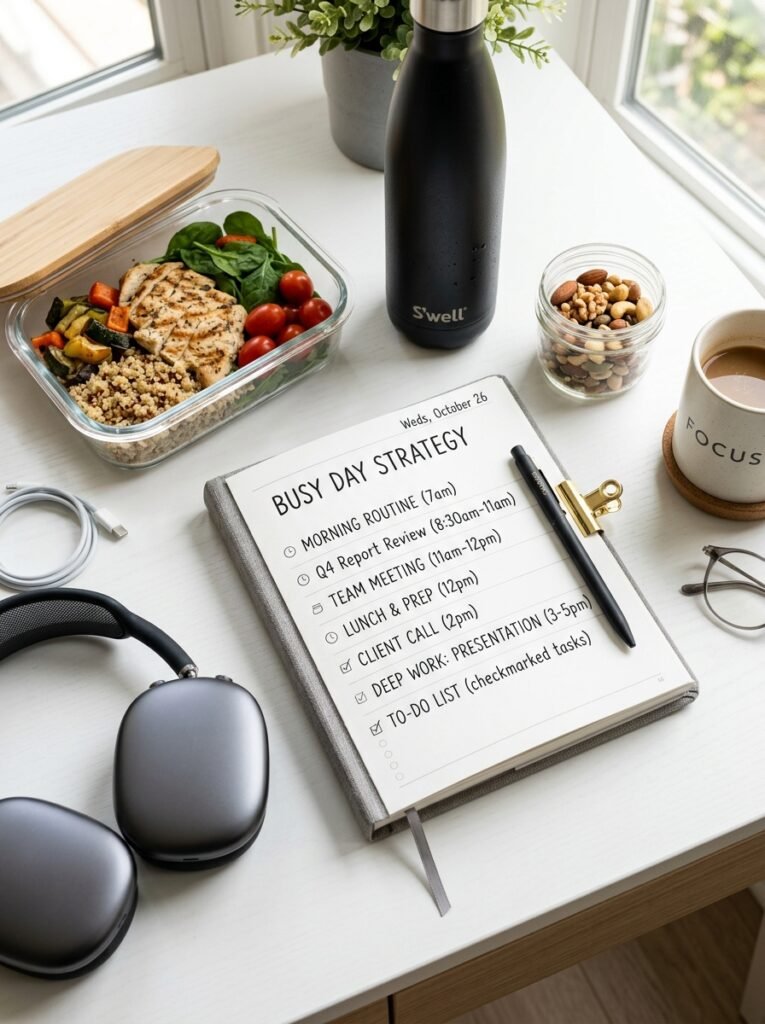
Your normal routine may work beautifully on an ordinary Tuesday.
Then a crazy workday happens and everything falls apart.
Prepare for that possibility.
Create a minimum version of your healthy routine.
For example:
Nutrition: Two balanced meals plus one protein-rich snack.
Movement: 10–20 minutes of walking.
Exercise: A short bodyweight workout if time allows.
Sleep: Get to bed at a reasonable time instead of staying up unnecessarily.
This prevents one chaotic day from turning into an entire chaotic week.
24. Use Habit Stacking
Habit stacking means attaching a healthy behavior to something you already do.
For example:
- After morning coffee → drink a glass of water.
- After lunch → walk for 10 minutes.
- After finishing work → do a short workout.
- While on a phone call → walk when possible.
- After dinner → prepare tomorrow’s lunch.
The less effort a habit requires to remember, the easier it can be to maintain.
25. Focus on Your Weekly Routine, Not One Bad Day
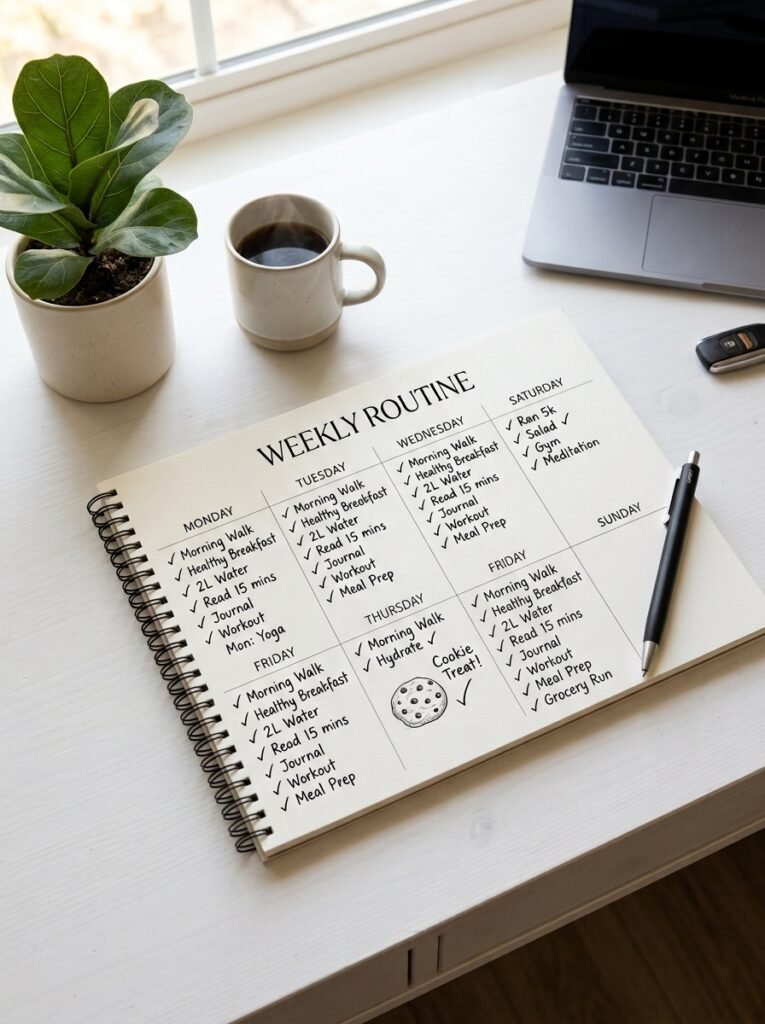
Maybe you had a stressful Monday.
You ate takeout, skipped your workout, and grabbed dessert.
That’s okay.
Don’t turn one imperfect day into a week of giving up.
Your next meal is another opportunity to return to your normal routine.
Successful weight loss doesn’t require perfection.
It requires getting back on track repeatedly.
A Simple Weight Loss Routine for Busy Professionals
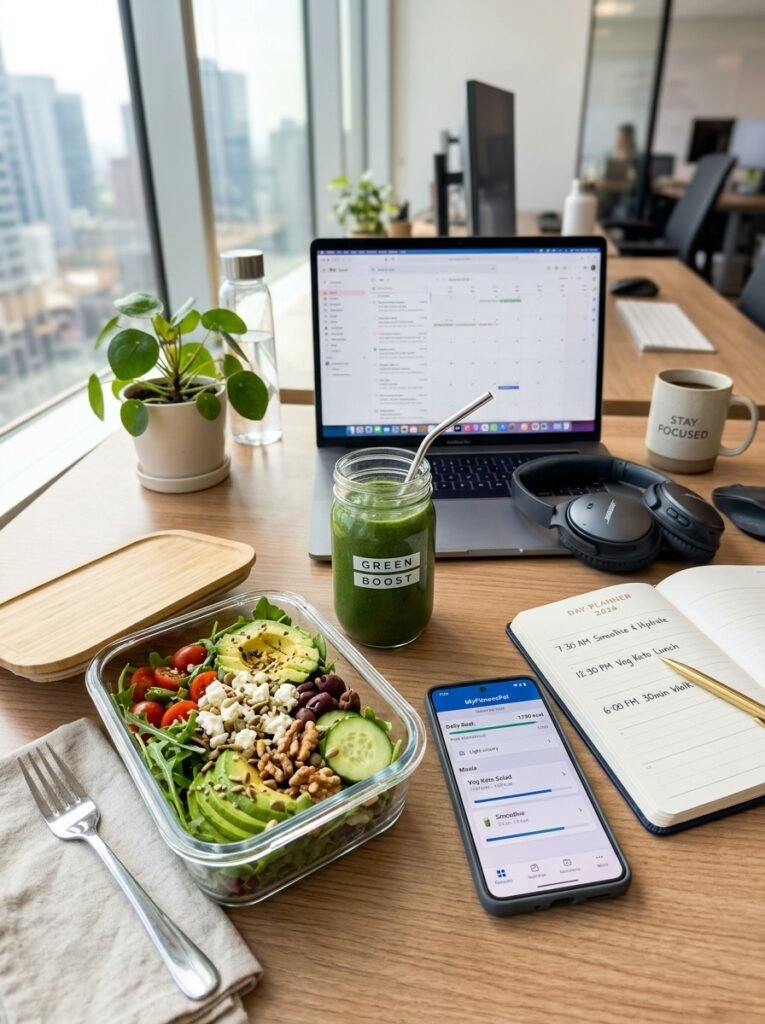
If you’re overwhelmed by all these suggestions, start here.
Morning
- Drink water when you wake up.
- Eat a protein-rich breakfast if you’re hungry.
- Take a few minutes to move or stretch.
- Prepare or pack your lunch if possible.
During Work
- Keep water nearby.
- Take short movement breaks.
- Eat a balanced lunch instead of waiting until you’re starving.
- Keep a nutritious snack available.
- Walk during suitable calls or breaks.
Evening
- Eat a balanced dinner.
- Take a short walk afterward if practical.
- Prepare something for tomorrow.
- Reduce unnecessary screen time before bed.
- Aim for a consistent bedtime.
You don’t need to execute every step perfectly.
Pick two or three habits first and build from there.
A 7-Day Practical Plan
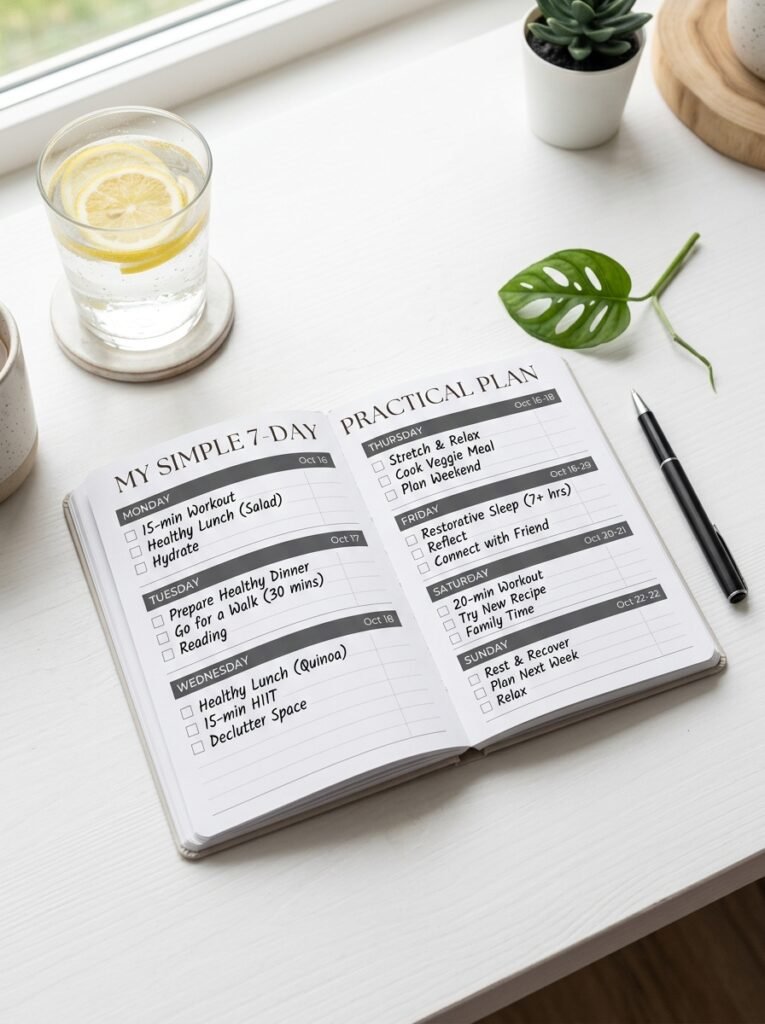
Here’s an example of how you could put the best weight loss tips for busy professionals into practice.
Day 1: Improve Breakfast
Choose a breakfast containing protein and fiber.
For example, try eggs with whole-grain toast and fruit.
Day 2: Add Walking
Take a 10-minute walk after lunch or dinner.
Don’t worry about speed. Focus on making it part of your day.
Day 3: Prepare Protein
Cook enough chicken, eggs, beans, lentils, or another preferred protein source for several meals.
This can make the next few days easier.
Day 4: Do a Short Workout
Complete a 15–20 minute strength workout at home.
Keep the intensity appropriate for your fitness level.
Day 5: Improve Your Drinks
Replace one regular sugary drink with water, unsweetened tea, or another lower-calorie option.
Day 6: Plan Restaurant Food
If you’re eating out, decide ahead of time what type of meal you’d like.
Look for a combination of protein, vegetables, and a reasonable carbohydrate portion.
Day 7: Review Your Week
Ask yourself:
- What worked?
- What felt difficult?
- Which habit was easiest?
- Where did I struggle?
- What can I simplify next week?
Then repeat what worked.
Common Weight Loss Mistakes Busy Professionals Should Avoid
Crash Dieting
Severely restricting food may produce quick changes on the scale, but it can be difficult to sustain.
A moderate, consistent approach is usually more practical.
Exercising Excessively
More exercise isn’t automatically better.
Your body also needs recovery, and an exhausting routine may be difficult to maintain alongside a demanding career.
Skipping Meals All Day
Going from morning until evening with almost no food can leave you extremely hungry later.
Build meals around foods that keep you satisfied.
Relying on Motivation
Motivation changes.
Systems are more dependable.
Keep healthy food available, schedule workouts when possible, and make your environment support the habits you’re trying to build.
Trying to Change Everything at Once
You don’t need ten new habits tomorrow.
Start with one or two.
Once they become normal, add another.