
How to Lose Weight Naturally Without Starving: A Realistic Guide That Actually Works
If you think losing weight means feeling hungry all day, skipping your favorite foods, or surviving on tiny portions, I want you to know something: it doesn’t have to be that way.
Learning how to lose weight naturally without starving is really about creating simple habits that help you eat satisfying foods, manage portions, stay active, sleep well, and maintain a modest calorie deficit without making your life miserable.
You don’t need a crash diet. You need a plan you can actually live with.
Key Takeaways
- Eat filling foods: Build meals around protein, vegetables, fruit, whole grains, beans, and other high-fiber foods to help control hunger.
- Don’t slash calories too aggressively: A moderate calorie deficit is generally easier to maintain than severe restriction.
- Move in ways you enjoy: Walking, strength training, and simple home workouts can support weight loss without punishing exercise sessions.
- Focus on habits, not perfection: Consistency matters more than having a perfect diet every single day.
What Does Losing Weight Naturally Actually Mean?
Natural weight loss doesn’t mean avoiding all carbohydrates, eating only organic foods, or following a detox plan.
It simply means using sustainable lifestyle habits to help your body lose excess weight without relying on extreme restriction, unsafe supplements, or crash diets.
At its simplest, weight loss happens when you consistently use more energy than you consume. But that doesn’t mean you need to count every calorie or go hungry.
Your goal is to create a small, manageable calorie deficit while keeping your meals satisfying and nutritious.
That’s where the difference between a sustainable diet and a miserable diet becomes obvious.
A plan that leaves you constantly thinking about food may work for a short time, but it’s difficult to maintain. A plan that helps you feel satisfied while gradually improving your eating and activity habits has a much better chance of becoming part of your lifestyle.
How to Lose Weight Naturally Without Starving

The biggest mistake people make when trying to lose weight is assuming that eating less always means eating tiny portions.
Instead, think about eating smarter rather than simply eating less.
You can often make your meals much more filling by choosing foods that provide plenty of protein, fiber, water, and nutrients for relatively few calories.
For example, compare a small pastry with a bowl containing Greek yogurt, berries, and a little oatmeal.
The pastry may be delicious, but the yogurt bowl provides protein and fiber that can help you stay satisfied for longer.
Start With Protein at Every Meal
Protein is one of the most useful nutrients to prioritize when you’re trying to lose weight.
It can help you feel fuller after eating and makes it easier to maintain muscle while losing weight, especially when combined with resistance training.
Good protein choices include:
- Eggs
- Chicken
- Turkey
- Fish
- Greek yogurt
- Cottage cheese
- Milk
- Beans
- Lentils
- Chickpeas
- Tofu
- Tempeh
- Lean beef
- Seafood
You don’t need enormous portions.
Try making a protein source the centerpiece of breakfast, lunch, and dinner, then add vegetables, fruit, or whole grains around it.
For example, breakfast could be eggs with whole-grain toast and fruit. Lunch might be chicken with a large salad and rice, while dinner could be lentils with vegetables and yogurt.
Simple meals like these can be much more satisfying than trying to survive on tiny portions.
Eat More High-Fiber Foods
If hunger is your biggest problem while dieting, take a closer look at your fiber intake.
Fiber-rich foods can add bulk and help meals feel more substantial. Many high-fiber foods also provide important vitamins, minerals, and other nutrients.
Try adding more:
- Vegetables
- Fruits
- Beans
- Lentils
- Chickpeas
- Oats
- Whole grains
- Potatoes with the skin
- Nuts and seeds
- Chia seeds
You don’t have to suddenly eat huge amounts of fiber.
Increase it gradually and drink enough fluids so your digestive system has time to adjust.
Choose Foods That Give You More Volume
One of my favorite strategies for losing weight without feeling deprived is food volume.
The basic idea is simple: choose foods that give you a generous serving for a reasonable amount of calories.
Vegetables are especially useful here.
A large bowl of mixed vegetables can take up plenty of space on your plate without contributing as many calories as a small serving of a calorie-dense food.
Try adding foods such as:
- Cucumbers
- Tomatoes
- Lettuce
- Spinach
- Carrots
- Cabbage
- Broccoli
- Cauliflower
- Bell peppers
- Mushrooms
- Green beans
- Zucchini
You don’t have to remove rice, bread, pasta, or potatoes.
Instead, combine moderate portions of these foods with plenty of vegetables and a good source of protein.
Don’t Skip Carbohydrates
Carbohydrates often get blamed for weight gain, but you don’t need to eliminate them to lose weight.
Rice, potatoes, oats, fruit, beans, and whole grains can all fit into a healthy weight-loss diet.
The issue is often portion size and overall calorie intake, not the mere presence of carbohydrates.
If you love rice, keep eating rice.
You might simply serve a moderate portion alongside chicken, lentils, vegetables, and yogurt instead of making rice the entire meal.
This approach is much easier to maintain than banning your favorite foods.
Build a Balanced Plate
If calorie counting feels exhausting, use the plate method as a simple starting point.
For many meals, aim for:
- About half the plate: vegetables or salad
- About one-quarter: protein
- About one-quarter: whole grains, potatoes, rice, or another carbohydrate
- A small amount: healthy fats such as nuts, seeds, olive oil, or avocado
You don’t need to measure every ingredient perfectly.
Think of this as a visual guide that helps you create balanced meals without turning every meal into a math problem.
Example of a Filling Lunch
Try a bowl containing:
- Grilled chicken
- Cucumber and tomato salad
- A moderate serving of rice
- Plain yogurt
- Lemon, herbs, and spices
It’s satisfying, flavorful, and doesn’t require a complicated diet recipe.
Stop Trying to Make Every Meal “Diet Food”
One reason diets fail is that people make healthy eating unnecessarily boring.
You don’t need to eat plain chicken and steamed vegetables every day.
Use herbs, spices, garlic, ginger, chili, lemon, vinegar, and homemade sauces to make nutritious meals genuinely enjoyable.
If you enjoy your food, you’re less likely to feel like you’re constantly sacrificing something.
Healthy eating should still taste good.
Keep Your Favorite Foods
This might sound strange in an article about weight loss, but you don’t need to give up your favorite foods completely.
Pizza, chocolate, burgers, desserts, and other treats can sometimes fit into a balanced eating pattern.
The key is frequency, portion size, and your overall diet.
Instead of saying, “I’ll never eat dessert again,” try thinking, “I’ll enjoy a reasonable portion and move on.”
That mindset can prevent the all-or-nothing cycle where one treat turns into an entire weekend of overeating.
Practice the 80/20 Mindset
You don’t need to make every meal perfectly nutritious.
Most of your meals can focus on protein, vegetables, fruit, whole grains, and minimally processed foods, while some room remains for foods you simply enjoy.
This makes your eating pattern more flexible.
And flexibility is incredibly valuable when you’re trying to maintain weight loss for months and years rather than just a few weeks.
Drink More Water, But Don’t Expect Miracles
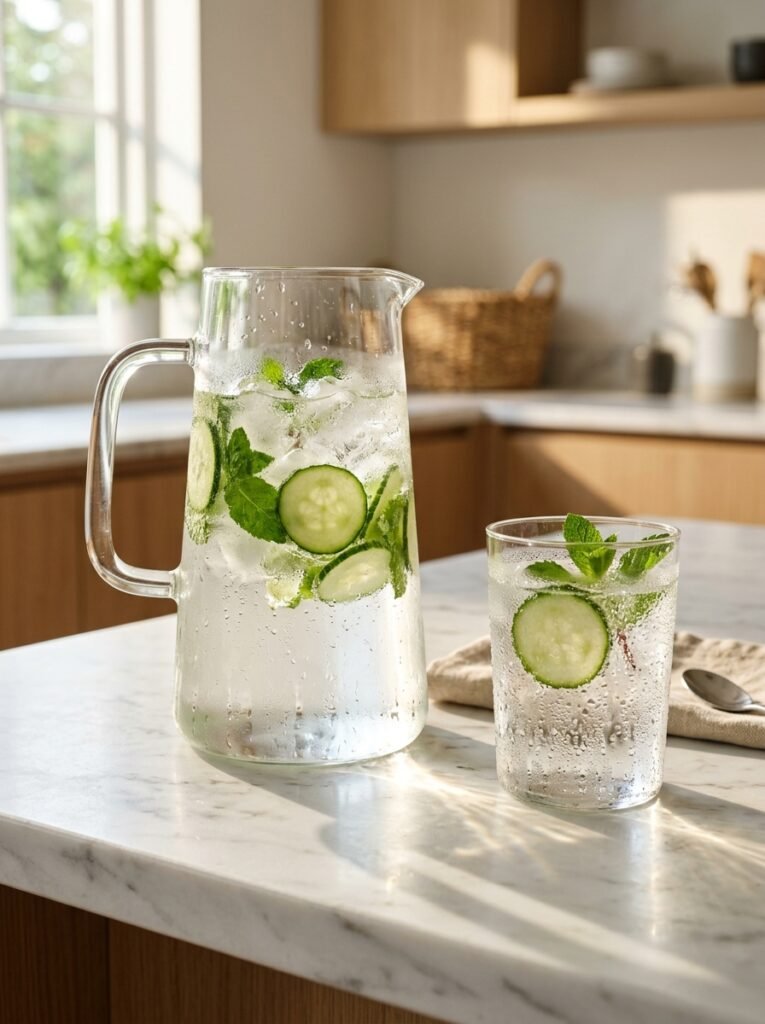
Water isn’t a magical fat-burning drink.
However, staying hydrated is important for normal body function, and choosing water instead of sugary drinks can be an easy way to reduce calorie intake.
If you’re regularly drinking:
- Soda
- Sweetened tea
- Sugary coffee drinks
- Energy drinks
- Fruit drinks with added sugar
try replacing some of them with water, sparkling water, or unsweetened beverages.
You don’t need to force yourself to drink excessive amounts of water.
Simply make water your default drink and pay attention to thirst.
Be Careful With Liquid Calories
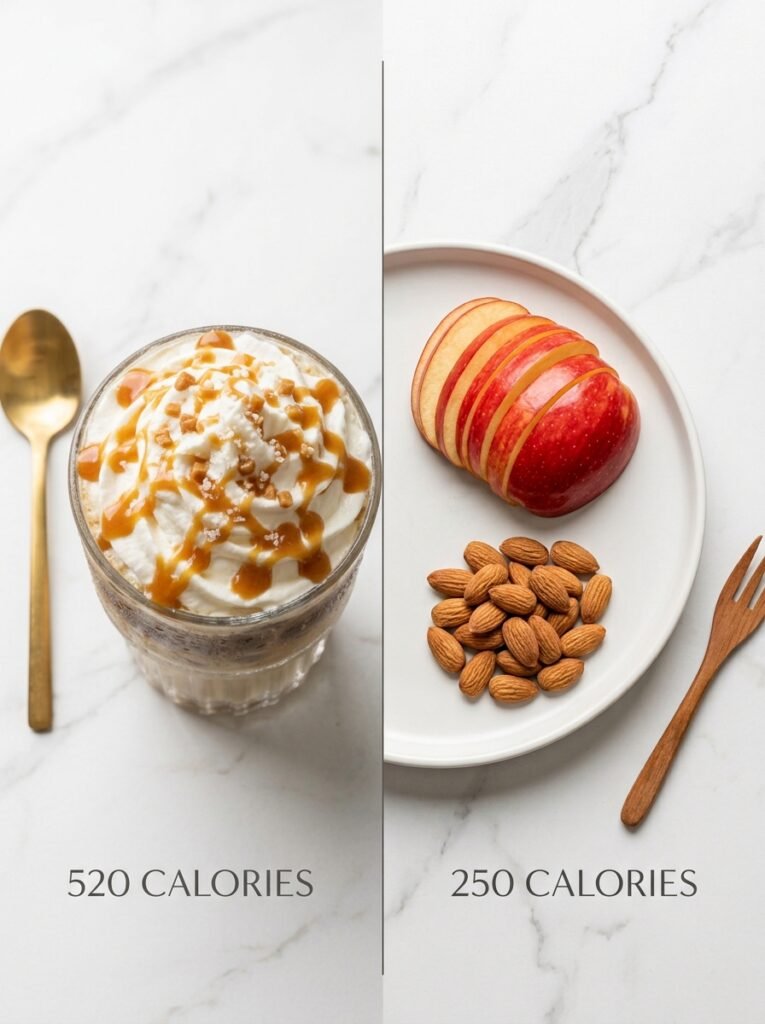
It’s surprisingly easy to consume a lot of calories without feeling particularly full.
A large sweetened coffee or sugary drink can disappear in minutes.
If you’re struggling to lose weight despite eating relatively balanced meals, look at what you’re drinking.
You may not need to remove everything.
Start by reducing the highest-calorie drinks or switching to smaller portions.
Learn the Difference Between Hunger and Cravings
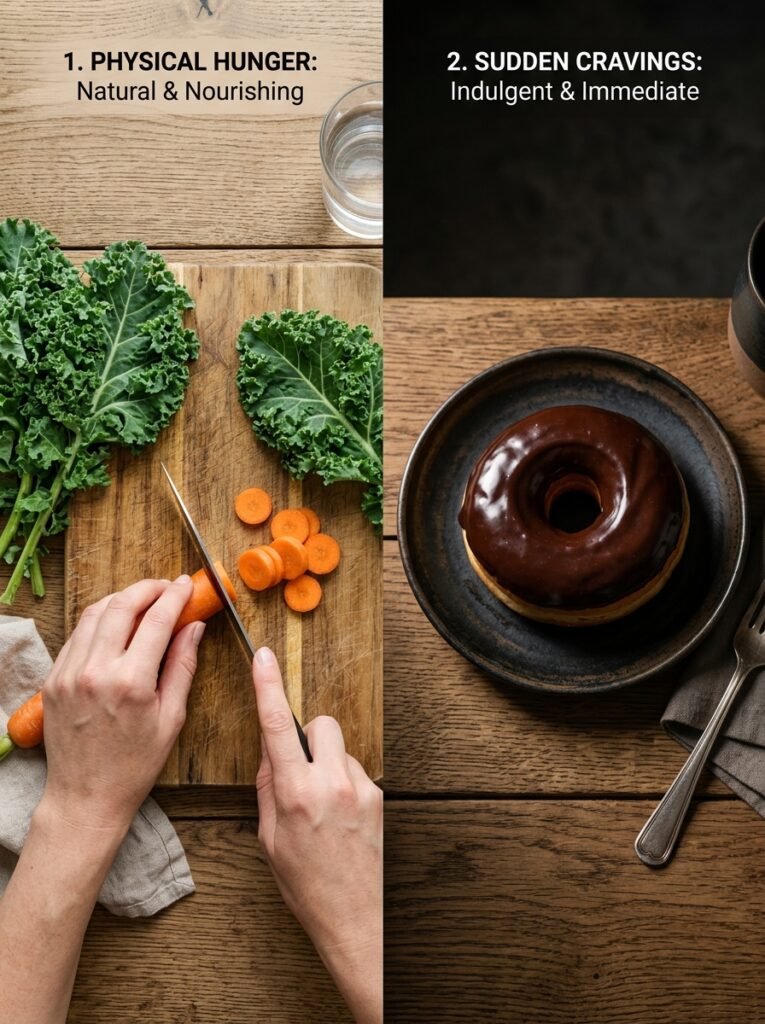
Not every urge to eat means you’re physically hungry.
Sometimes you’re bored, stressed, tired, thirsty, or simply responding to a food cue.
Before reaching for a snack, ask yourself:
“Would I eat something simple and nutritious right now, or do I specifically want one particular food?”
If you’d happily eat an apple, yogurt, eggs, or a sandwich, you may actually be hungry.
If you’re completely uninterested in those foods but desperately want cookies or chocolate, it may be more of a craving.
Neither situation makes you “bad.”
The goal is simply to become more aware of what’s driving your eating.
Don’t Fight Every Craving
Trying to suppress every craving can sometimes make food feel even more tempting.
Instead, pause and decide consciously.
If you really want chocolate, have a reasonable portion, enjoy it, and continue with your normal meals afterward.
You don’t need to compensate by starving yourself the next day.
Eat Slowly and Pay Attention

Your brain doesn’t always register fullness immediately.
Eating more slowly gives you a better chance to notice when you’ve had enough.
Try putting your fork down occasionally, chewing thoroughly, and eating without constantly scrolling through your phone or watching television.
You don’t need to turn every meal into a mindfulness exercise.
Just being slightly more present can make a difference.
Create Meals That Keep You Full
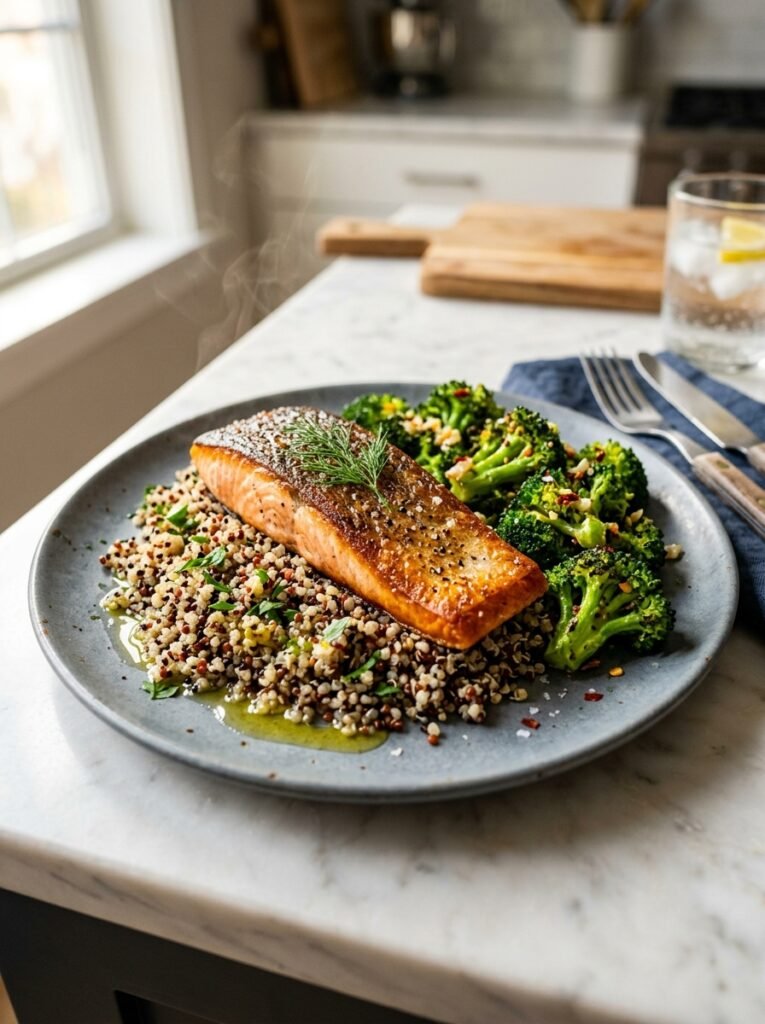
A meal that’s mostly refined carbohydrates may leave you hungry again relatively quickly.
Instead, combine several components.
A filling meal might include:
Protein + fiber-rich carbohydrate + vegetables/fruit + a little healthy fat
For example:
- Oatmeal + Greek yogurt + berries + chia seeds
- Eggs + whole-grain toast + vegetables + fruit
- Chicken + rice + mixed vegetables + yogurt
- Lentils + vegetables + potatoes + salad
- Fish + roasted potatoes + broccoli + yogurt sauce
These combinations can help you create satisfying meals without relying on extreme restriction.
Don’t Let Yourself Get Extremely Hungry
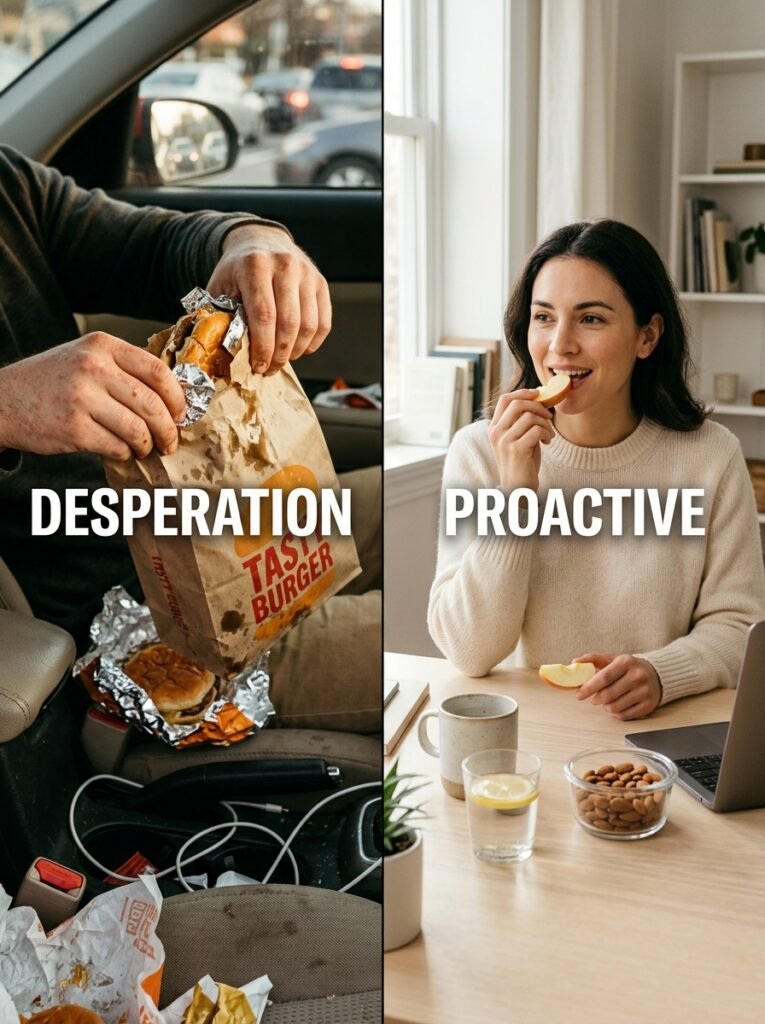
If you regularly wait until you’re starving before eating, it’s much harder to make calm food choices.
You may eat quickly, choose very calorie-dense foods, or continue eating long after you’re comfortably full.
Instead, try establishing a loose meal routine that works with your schedule.
You might prefer three meals a day, or three meals plus one planned snack.
There’s no universal requirement to eat a specific number of meals.
Choose a structure that helps you control hunger and fits your lifestyle.
Smart Snacks for Weight Loss
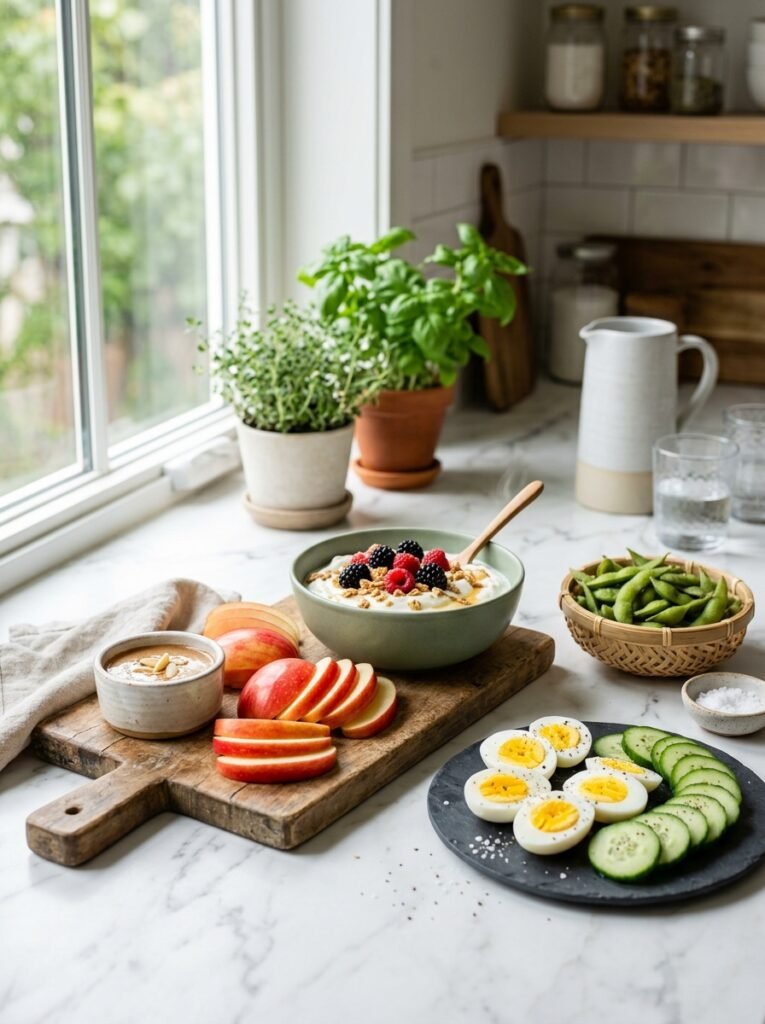
A good snack doesn’t need to be tiny.
The goal is to choose something that helps you bridge the gap between meals without turning into an unplanned feast.
Try:
- Greek yogurt with berries
- An apple with peanut butter
- Boiled eggs with vegetables
- Cottage cheese with fruit
- Carrots and hummus
- A small handful of nuts with fruit
- Air-popped popcorn
- Plain yogurt with cinnamon
- A banana with a small amount of nut butter
If you’re genuinely hungry between meals, eating a planned snack can be much more helpful than trying to white-knuckle your way through the afternoon.
Walk More Without “Working Out”

You don’t have to become a gym person to increase your daily activity.
Walking is one of the simplest ways to become more active.
Try adding movement naturally throughout your day:
- Take a short walk after meals.
- Use stairs when practical.
- Walk while talking on the phone.
- Park farther away when convenient.
- Take short movement breaks during long periods of sitting.
- Do household chores instead of staying seated all evening.
These small choices add up.
And because walking is relatively accessible, it’s often easier to maintain than an intense exercise program.
Add Strength Training

If your goal is to lose fat while maintaining as much muscle as possible, strength training can be a valuable part of your routine.
You don’t necessarily need a gym.
A simple home workout can include:
- Squats
- Glute bridges
- Lunges
- Push-ups or incline push-ups
- Rows using resistance bands
- Shoulder presses
- Planks
Start with manageable amounts and gradually increase the difficulty as you become stronger.
If you’re new to exercise or have an injury or medical condition, consider getting appropriate professional guidance before starting a new training program.
Don’t Use Exercise as Punishment

Exercise shouldn’t be something you have to “earn” your food with.
You don’t need to burn off every dessert you eat.
Think of movement as something that supports your health, fitness, strength, mood, and daily energy.
That mindset is much healthier than treating exercise as punishment for eating.
Sleep Can Affect Your Eating Habits
When you’re exhausted, healthy choices can become harder.
You may crave quick-energy foods, feel less motivated to cook, or simply have less patience for planning meals.
Aim for a consistent sleep schedule and give yourself enough opportunity to rest.
Good sleep won’t magically cause weight loss, but it can make healthy habits easier to maintain.
Manage Stress Without Using Food as Your Only Comfort
Stress eating is incredibly common.
If food has become your main way of coping with stress, don’t try to eliminate emotional eating overnight.
Instead, build a few alternative options into your routine.
Try:
- Taking a walk
- Calling a friend
- Listening to music
- Journaling
- Taking a shower
- Practicing slow breathing
- Reading
- Spending time outdoors
- Doing a hobby you enjoy
You can still enjoy food.
The goal is simply to give yourself more than one way to feel better.
Make Your Home Weight-Loss Friendly
Your environment can make healthy choices easier or harder.
If highly tempting foods are always sitting directly in front of you, you’ll probably think about them more often.
You don’t need to remove every treat from your home.
Instead:
- Keep fruit visible and easy to grab.
- Store snack foods in less visible places.
- Prepare vegetables ahead of time.
- Keep convenient protein options available.
- Portion calorie-dense snacks rather than eating directly from the package.
- Plan a few easy meals before you’re hungry.
Good habits become easier when your environment supports them.
Plan Your Meals Before Hunger Takes Over
You don’t need a rigid seven-day diet plan.
Even knowing what you’re having for the next meal can prevent random food choices.
For example, you could prepare:
Breakfast: Eggs, whole-grain toast, and fruit.
Lunch: Chicken, rice, salad, and yogurt.
Snack: Greek yogurt and berries.
Dinner: Lentil curry, vegetables, and a moderate serving of rice.
You can swap foods based on your preferences.
The goal is to remove some of the daily decision-making that makes healthy eating feel difficult.
How Much Weight Should You Expect to Lose?
Healthy weight loss isn’t necessarily fast.
The exact rate varies from person to person depending on factors such as starting weight, calorie intake, activity, sleep, medications, health conditions, and other individual circumstances.
A useful approach is to look for a gradual downward trend over time, rather than expecting the scale to fall every morning.
Your weight can fluctuate because of water, food volume, sodium, hormones, and other factors.
That’s normal.
Don’t Judge Your Progress From One Weigh-In
A single weigh-in tells you very little.
Instead, if you choose to use the scale, consider weighing under similar conditions and looking at your trend over several weeks.
You can also track:
- Waist measurements
- How your clothes fit
- Energy levels
- Strength
- Walking endurance
- Fitness improvements
- Eating consistency
The scale is only one measurement.
What to Do When Weight Loss Stalls
Eventually, many people experience a period when their weight stops changing.
Don’t immediately assume you’ve failed.
First, look at your habits.
Ask yourself:
- Have my portions gradually increased?
- Am I snacking more often?
- Are drinks adding more calories?
- Have my activity levels decreased?
- Am I eating more restaurant or takeaway meals?
- Has my weekend eating changed?
- Am I getting enough sleep?
- Have I been following the plan consistently?
Sometimes the solution isn’t a dramatic diet change.
It may simply be returning to the habits that were working previously.
Avoid Extreme Calorie Restriction
If you’re wondering how to lose weight naturally without starving, this is one of the most important points.
Eating as little as possible isn’t a sustainable weight-loss strategy.
Very restrictive diets can make hunger, cravings, fatigue, and food preoccupation worse. They can also make it harder to maintain adequate nutrition.
Instead of asking, “What’s the least I can eat?”, ask:
“What’s the most nutritious and satisfying way I can eat while still creating a reasonable calorie deficit?”
That’s a much better question.
Be Careful With Weight-Loss Supplements
You don’t need a fat-burning supplement to lose weight naturally.
Products promising effortless fat loss, rapid appetite suppression, or dramatic results should be approached cautiously.
Some supplements can also interact with medications or create unwanted side effects.
If you’re considering a supplement, especially one marketed specifically for weight loss, talk with a qualified healthcare professional first.
Food, activity, sleep, and sustainable habits should form the foundation of your plan.
A Simple Day of Eating for Natural Weight Loss
Here’s an example of what a satisfying day could look like.
Breakfast
- Two eggs
- Whole-grain toast
- Tomatoes and cucumber
- One piece of fruit
- Unsweetened tea or coffee
Lunch
- Grilled chicken or lentils
- Moderate serving of rice
- Large mixed salad
- Plain yogurt
- Lemon and herbs
Snack
- Greek yogurt and berries
Or, if you prefer:
- Apple with a small amount of peanut butter
Dinner
- Fish, chicken, tofu, or beans
- Roasted or cooked vegetables
- Potatoes, rice, or another whole-food carbohydrate
- Salad
Dessert
If you want something sweet, you can include a small serving of chocolate, fruit, or another favorite treat.
This isn’t a prescription or a fixed diet.
It’s simply an example of how you can create meals that contain protein, fiber, carbohydrates, and plenty of food volume without relying on starvation.
A Simple 7-Day Habit Reset
If you’re overwhelmed by all the advice about weight loss, start small.
For the next seven days, focus on these habits:
Day 1: Add Protein
Include a protein source at each main meal.
Day 2: Add Vegetables
Aim to include vegetables with lunch and dinner.
Day 3: Replace One Sugary Drink
Choose water or an unsweetened drink instead.
Day 4: Take a Walk
Add a short walk to your day, preferably after a meal if that’s convenient.
Day 5: Eat Without Distractions
Choose one meal and eat it without scrolling or watching television.
Day 6: Prepare Tomorrow’s Food
Spend a few minutes preparing a healthy breakfast, lunch, or snack.
Day 7: Review Your Week
Don’t ask, “Was I perfect?”
Ask:
“Which habits made me feel better and were easy enough to repeat?”
Keep those.
That’s how a short challenge becomes a lifestyle.
Common Weight-Loss Mistakes to Avoid
Even people with good intentions can accidentally make weight loss harder.
Watch out for these common mistakes:
- Eating too little during the day and overeating at night
- Skipping meals simply to save calories
- Drinking lots of calories
- Eliminating entire food groups unnecessarily
- Treating weekends as a free-for-all
- Depending on detoxes or quick fixes
- Exercising excessively after overeating
- Expecting daily scale losses
- Giving up after one high-calorie meal
- Trying to follow a diet you hate
You don’t have to fix everything at once.
Choose one or two changes and build from there.
What to Do After You Overeat
Almost everyone overeats sometimes.
A holiday meal, restaurant dinner, birthday celebration, or stressful evening doesn’t erase your progress.
The worst response is often trying to compensate by starving yourself the following day.
Instead:
- Drink some water.
- Return to your normal eating pattern.
- Eat your usual balanced meals.
- Get back to your normal activity.
- Move on without guilt.
One meal doesn’t determine your results.
Your overall pattern does.
When to Speak With a Healthcare Professional
Weight loss isn’t always simply a matter of willpower.
Certain medications, medical conditions, hormonal changes, sleep problems, and other factors can affect body weight and appetite.
If you’re struggling to lose weight despite consistent lifestyle changes, experiencing unexplained weight changes, or considering a significant dietary change, speak with a qualified healthcare professional.
You deserve an approach that considers your individual circumstances rather than blaming you for the number on the scale.
FAQs About How to Lose Weight Naturally Without Starving
Can I lose weight without counting calories?
Yes.
You can use portion awareness, balanced meals, protein, fiber-rich foods, and regular activity instead of tracking every calorie.
However, calorie intake still matters biologically. If you’re not counting calories, using consistent meal patterns and paying attention to portions can help you naturally manage your intake.
How can I lose weight without feeling hungry all the time?
Prioritize protein, vegetables, fruit, legumes, whole grains, and other high-fiber foods.
Also avoid making your calorie deficit unnecessarily aggressive.
If you’re constantly starving, your plan may be too restrictive to be sustainable.
Can I eat rice and still lose weight?
Absolutely.
Rice can be part of a healthy weight-loss diet.
The important factors include your portion size, what you eat with the rice, and your overall calorie intake. Try combining a moderate serving of rice with protein and plenty of vegetables.
Do I have to give up sugar to lose weight?
No.
You don’t have to completely eliminate sugar.
Reducing foods and drinks high in added sugar can make it easier to manage calorie intake, but an occasional dessert can fit into an otherwise balanced diet.
Is walking enough to lose weight?
Walking can contribute to weight loss by increasing your daily energy expenditure, especially when combined with appropriate eating habits.
The amount of walking needed varies between people.
You don’t have to walk for hours every day. Start with an amount you can maintain and gradually increase your activity if appropriate.
Can I lose weight without going to the gym?
Yes.
You can increase activity through walking, home workouts, resistance bands, bodyweight exercises, cycling, sports, and other forms of movement.
The best exercise is often the one you enjoy enough to keep doing.
Why am I hungry when I’m trying to lose weight?
Hunger can increase when you reduce your calorie intake.
But constant, intense hunger may mean you’re eating too little, not getting enough protein or fiber, skipping meals, or relying too heavily on highly processed foods that don’t keep you satisfied.
Try improving meal composition before simply cutting more calories.
How long does natural weight loss take?
There’s no single timeline that applies to everyone.
Weight loss depends on factors such as your starting point, eating habits, activity, sleep, medications, and health status.
Focus on gradual progress rather than trying to lose weight as quickly as possible.
What is the best diet for losing weight naturally?
The best diet is one you can maintain while getting adequate nutrition and managing your calorie intake.
That could include foods you already enjoy.
A sustainable eating pattern might contain vegetables, fruit, protein-rich foods, whole grains, legumes, dairy or alternatives, healthy fats, and occasional treats.
What should I do if I feel like giving up?
Make the goal smaller.
Instead of thinking about losing all the weight at once, focus on today’s next meal, your next walk, or your next healthy choice.
You don’t need perfect motivation.
You need a routine that’s realistic enough to continue even when motivation is low.