
How To Start Eating Healthy: A Simple Guide for Real Life
Eating healthy sounds simple until you’re standing in the grocery store wondering what to buy, trying to plan dinner after a long day, or staring at a plate that feels more like a punishment than a meal.
The good news? You don’t need a perfect diet to eat better.
If you’re wondering how to start eating healthy, start small. You can improve your meals without cutting out every food you enjoy, counting every calorie, or following a complicated meal plan.
Healthy eating is less about perfection and more about building habits you can actually maintain.
Key Takeaways
- Start by making small changes instead of completely changing your diet overnight.
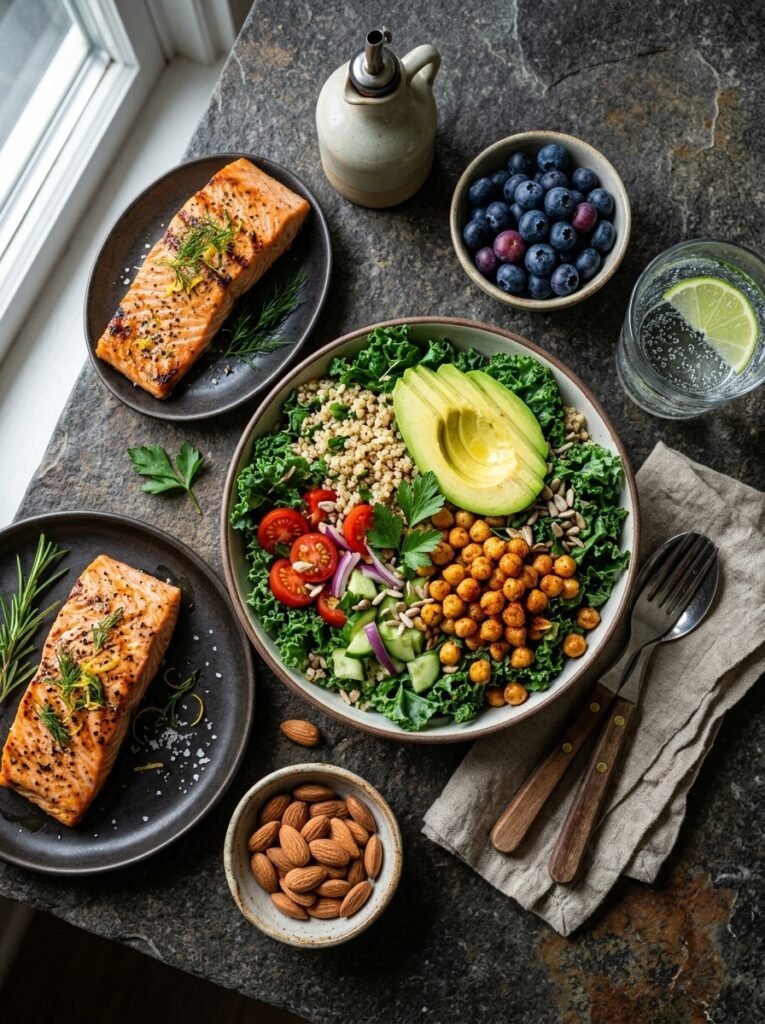
- Build meals around vegetables, fruits, whole grains, protein, and healthy fats.
- Keep healthy foods convenient so you’re more likely to choose them when you’re busy.
- Enjoy your favorite foods without guilt while focusing on your overall eating pattern.
What Does Eating Healthy Actually Mean?
Healthy eating doesn’t mean eating salads for every meal or giving up bread, rice, pasta, desserts, or your favorite snacks.
A healthy diet is simply one that gives your body a variety of nutrients while fitting your lifestyle, preferences, budget, and routine.
The goal is to regularly eat foods that provide protein, fiber, vitamins, minerals, healthy fats, and carbohydrates for energy.
That can include everything from oatmeal with fruit in the morning to a rice bowl with chicken and vegetables at dinner.
You don’t need a complicated food rulebook.
A Simple Healthy Eating Formula
When you’re putting together a meal, think about including:
- Protein: eggs, chicken, fish, beans, lentils, Greek yogurt, tofu, or cottage cheese
- Vegetables: leafy greens, carrots, tomatoes, broccoli, peppers, cucumber, or whatever you enjoy
- Fruit: berries, apples, oranges, bananas, melon, or seasonal fruit
- Whole grains or other carbohydrates: oats, brown rice, potatoes, whole-grain bread, quinoa, or corn
- Healthy fats: nuts, seeds, avocado, olive oil, or natural nut butter
You don’t have to include every category at every meal.
Think of this as a flexible guide rather than another diet rule.
How To Start Eating Healthy Without Feeling Overwhelmed
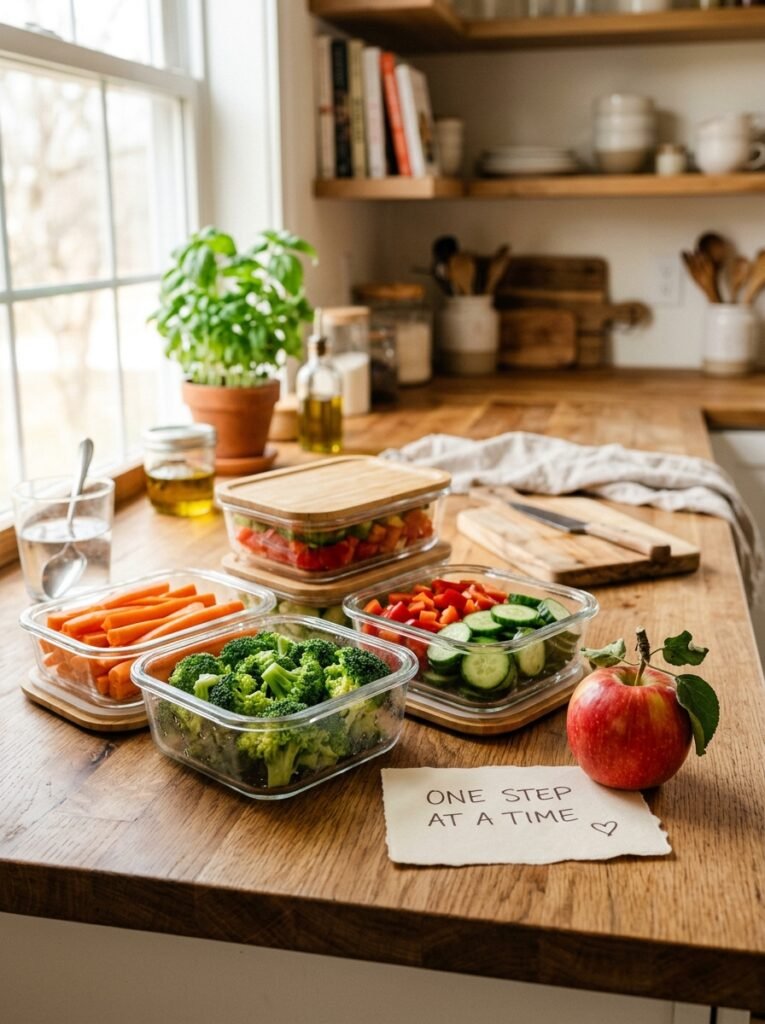
If your current diet feels far from where you want it to be, trying to change everything at once can backfire.
Instead, choose one or two habits to work on first.
For example, you could start by adding a serving of vegetables to dinner and drinking more water during the day.
Once those habits feel normal, add another small change.
This approach may seem slow, but it can be much easier to maintain than trying to completely overhaul your diet on Monday morning.
Start With One Meal
You don’t have to fix breakfast, lunch, dinner, and every snack on the same day.
Pick the easiest meal to improve.
If breakfast is usually sugary cereal or a pastry, try oatmeal with fruit and Greek yogurt.
If lunch is usually takeout, pack a simple meal a few days a week.
Small improvements count.
Add Before You Subtract
One of the easiest ways to make healthy eating feel less restrictive is to focus on what you can add.
Instead of immediately thinking, “I can’t eat this anymore,” ask yourself, “What nutritious food can I add to this meal?”
You could add:
- Vegetables to pasta
- Fruit to breakfast
- Beans to a rice bowl
- Greek yogurt to a snack
- Nuts or seeds to oatmeal
- A side salad to lunch
- Extra protein to a meal that leaves you hungry
Adding nutritious foods can naturally make your meals more filling and balanced.
Build Your Meals Around Protein
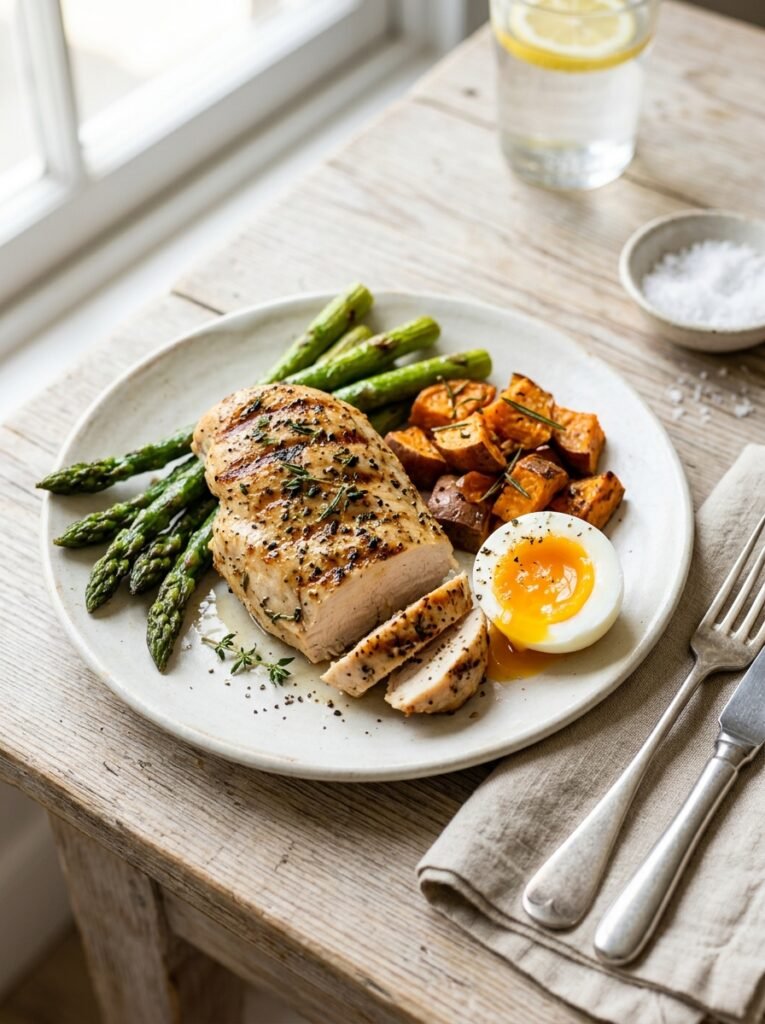
Protein is an important part of a balanced diet and can make meals more satisfying.
You don’t need expensive protein powders or specialty foods to get enough protein.
Easy Protein Sources
Try keeping a few of these foods in your regular rotation:
- Eggs
- Chicken
- Turkey
- Fish
- Greek yogurt
- Cottage cheese
- Milk
- Lentils
- Chickpeas
- Beans
- Tofu
- Tempeh
- Nuts and seeds
For example, instead of having toast alone for breakfast, you could have whole-grain toast with eggs and fruit.
Instead of eating plain rice for lunch, add beans, chicken, tofu, or another protein source.
These small combinations can make meals more satisfying.
Eat More Fruits and Vegetables
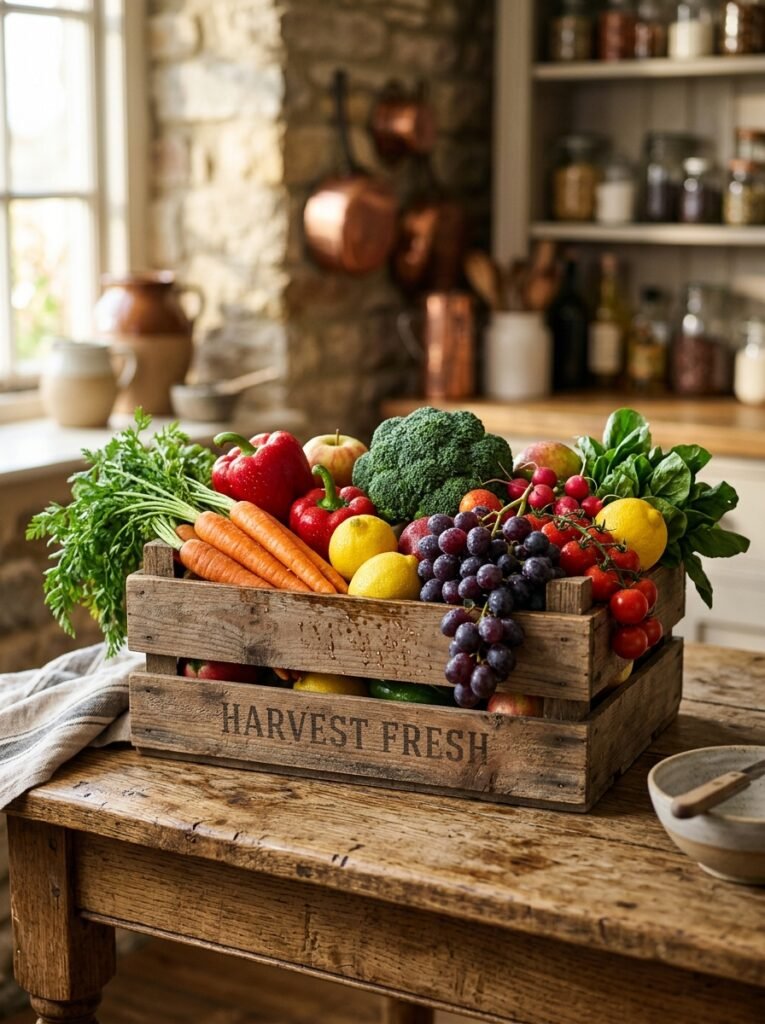
If you’re learning how to start eating healthy, increasing your fruit and vegetable intake is a practical place to begin.
You don’t have to force yourself to eat vegetables you hate.
Start with the ones you actually enjoy.
Make Produce Easier to Eat
Convenience matters.
Wash grapes when you get home from the grocery store.
Keep baby carrots where you can see them.
Cut up fruit and store it in an easy-to-grab container.
Keep frozen vegetables available for quick meals.
Frozen fruits and vegetables can be extremely useful when fresh produce isn’t convenient or affordable.
The healthiest choice isn’t always the fanciest one.
Sometimes it’s simply the food you can realistically prepare and eat.
Choose Whole Grains More Often
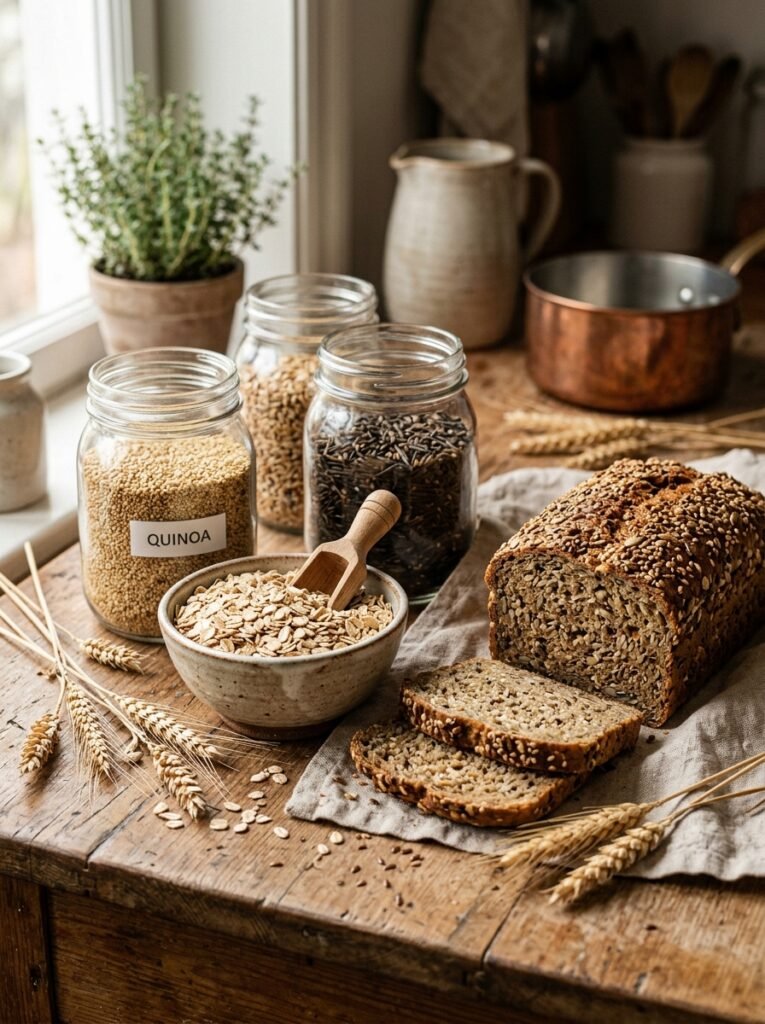
Carbohydrates are not something you need to fear.
Your body uses carbohydrates for energy, and nutritious carbohydrate sources can absolutely be part of a healthy eating pattern.
When possible, choose higher-fiber or whole-grain options such as:
- Oatmeal
- Brown rice
- Whole-grain bread
- Whole-wheat pasta
- Barley
- Quinoa
- Popcorn without excessive added ingredients
- Potatoes and sweet potatoes
You don’t have to eliminate white rice or regular pasta.
You can simply include whole-grain options more often if you enjoy them.
Don’t Forget Healthy Fats
Fat has an important role in a balanced diet.
The key is choosing nutritious sources regularly and paying attention to portions, since fats are energy-dense.
Good options include:
- Avocado
- Olive oil
- Almonds
- Walnuts
- Peanuts
- Chia seeds
- Flaxseeds
- Pumpkin seeds
- Fatty fish
A small amount can go a long way.
Try adding nuts to oatmeal, avocado to toast, or olive oil to roasted vegetables.
Learn to Make Healthier Food Swaps
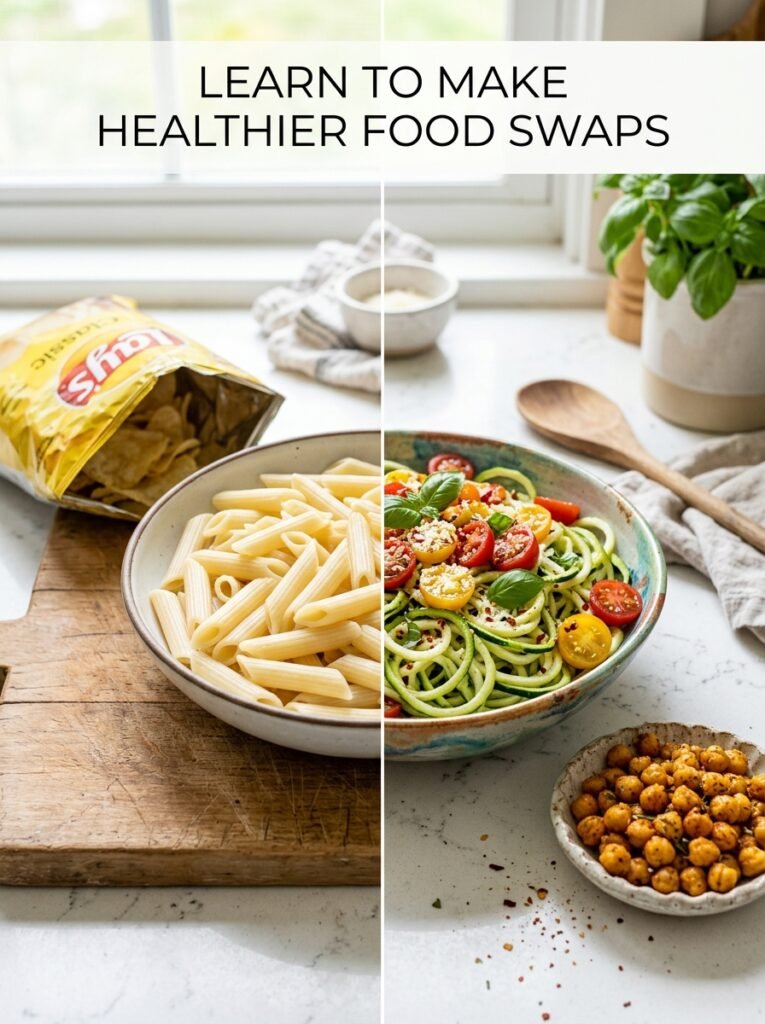
You don’t need to completely replace your favorite meals.
Instead, look for simple swaps that preserve the foods and flavors you enjoy.
For example:
| Instead of | Try |
|---|---|
| Sugary cereal every morning | Oatmeal with fruit and nuts |
| Chips every afternoon | Popcorn, fruit, or yogurt |
| Sugary drinks | Water, sparkling water, or unsweetened tea |
| Deep-fried foods every day | Grilled, baked, or air-fried versions more often |
| Refined grains every meal | Whole-grain options some of the time |
| Dessert after every meal | Dessert when you genuinely want it |
The goal isn’t to make every meal “perfect.”
It’s to gradually make your everyday choices more nutritious.
Plan Your Meals Before You Get Hungry
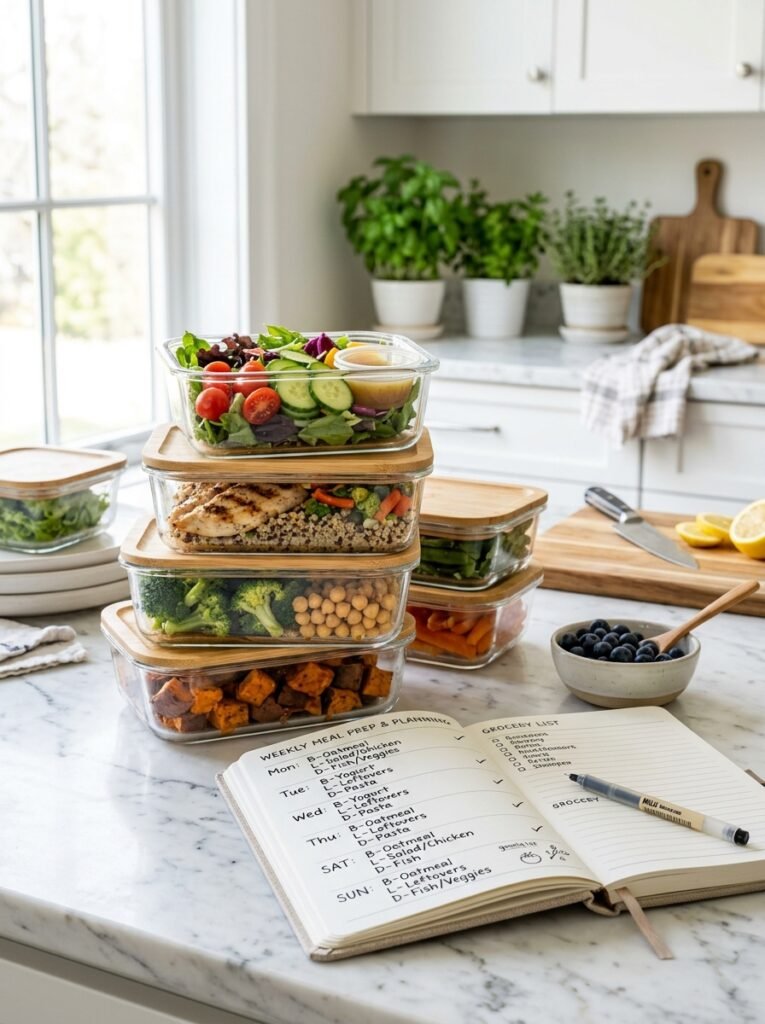
One reason healthy eating can be difficult is that hunger changes decision-making.
When you’re extremely hungry after a long day, you’re more likely to grab whatever is fastest.
That’s not a character flaw.
It’s one reason preparation can help.
You don’t need to meal prep an entire week of identical containers.
Even knowing what you’ll have for tomorrow’s lunch can make healthy eating easier.
Try a Simple Weekly Food Plan
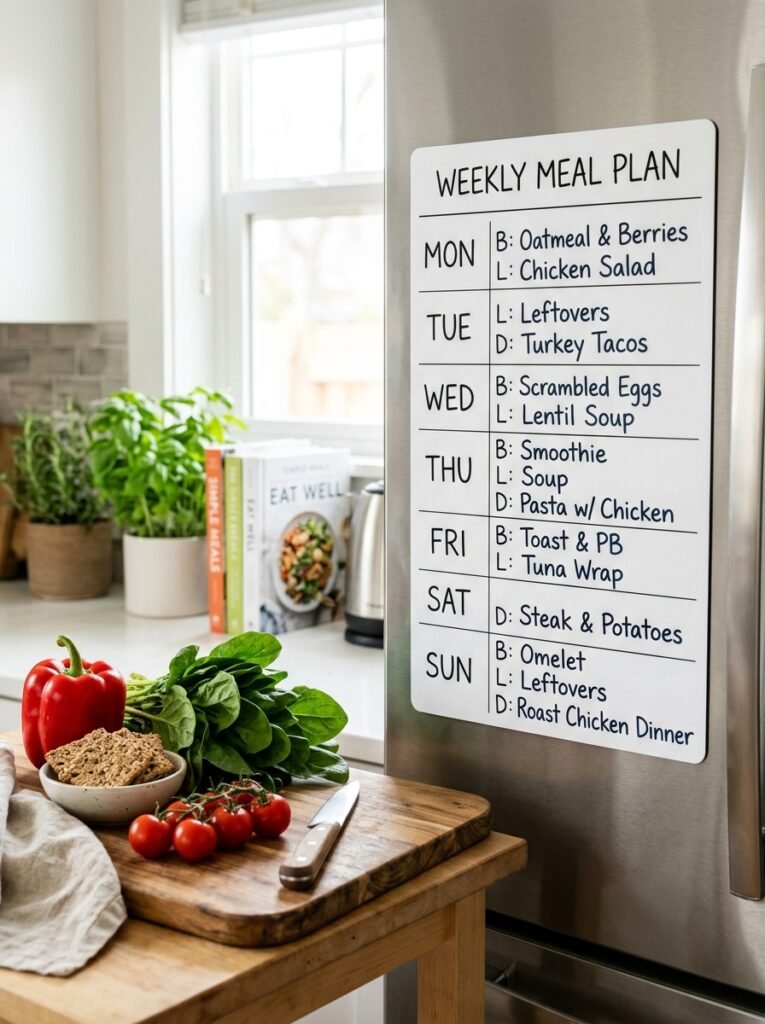
Before grocery shopping, choose:
- 2–3 breakfast options
- 2–3 lunch ideas
- 3–4 dinner options
- A few easy snacks
- Several fruits and vegetables
Keep the plan flexible.
If you planned chicken and vegetables for Tuesday but end up eating leftovers instead, that’s completely fine.
A meal plan should make life easier, not make you feel trapped.
Create a Healthy Grocery List
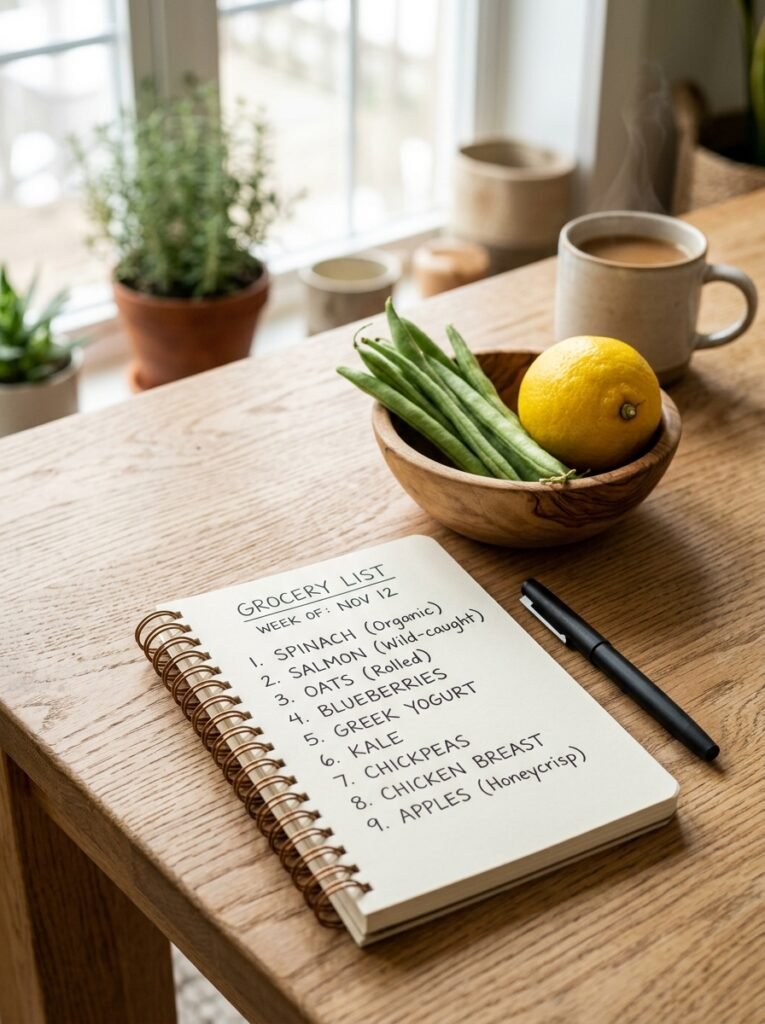
A good grocery list can help you avoid relying on random convenience foods throughout the week.
Start with foods you already enjoy.
Protein
- Eggs
- Chicken
- Fish
- Greek yogurt
- Beans
- Lentils
- Tofu
Produce
- Apples
- Bananas
- Berries
- Leafy greens
- Tomatoes
- Broccoli
- Carrots
- Peppers
Carbohydrates
- Oats
- Brown rice
- Potatoes
- Whole-grain bread
- Whole-wheat pasta
Healthy Fats
- Olive oil
- Avocado
- Nuts
- Seeds
- Natural peanut butter
Convenient Foods
Don’t be afraid of convenience.
Frozen vegetables, canned beans, pre-washed salad greens, canned tuna, and frozen fruit can make healthy meals much easier.
Healthy eating doesn’t have to mean cooking everything from scratch.
Keep Healthy Snacks Available
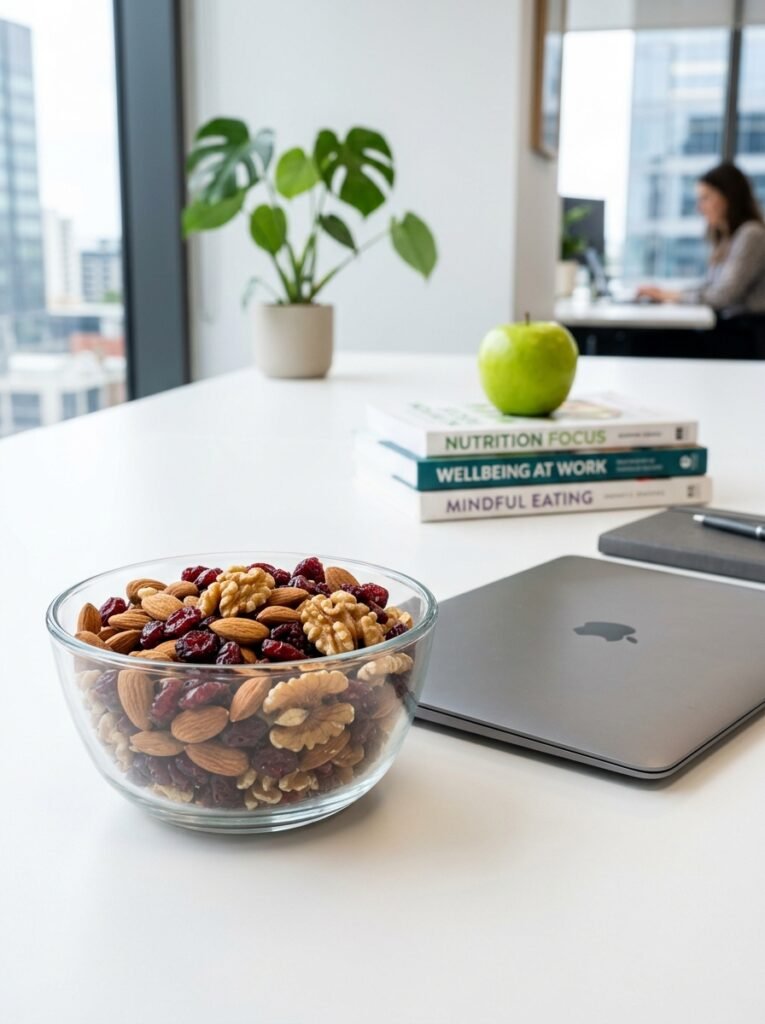
If you usually get hungry between meals, having nutritious snacks nearby can make your day easier.
Some simple options include:
- Apple with peanut butter
- Greek yogurt with berries
- Banana with a handful of nuts
- Carrots with hummus
- Cottage cheese with fruit
- Hard-boiled eggs
- Popcorn
- Fresh fruit
- Whole-grain crackers with cheese
The best snack is one you enjoy and can realistically keep available.
Drink More Water
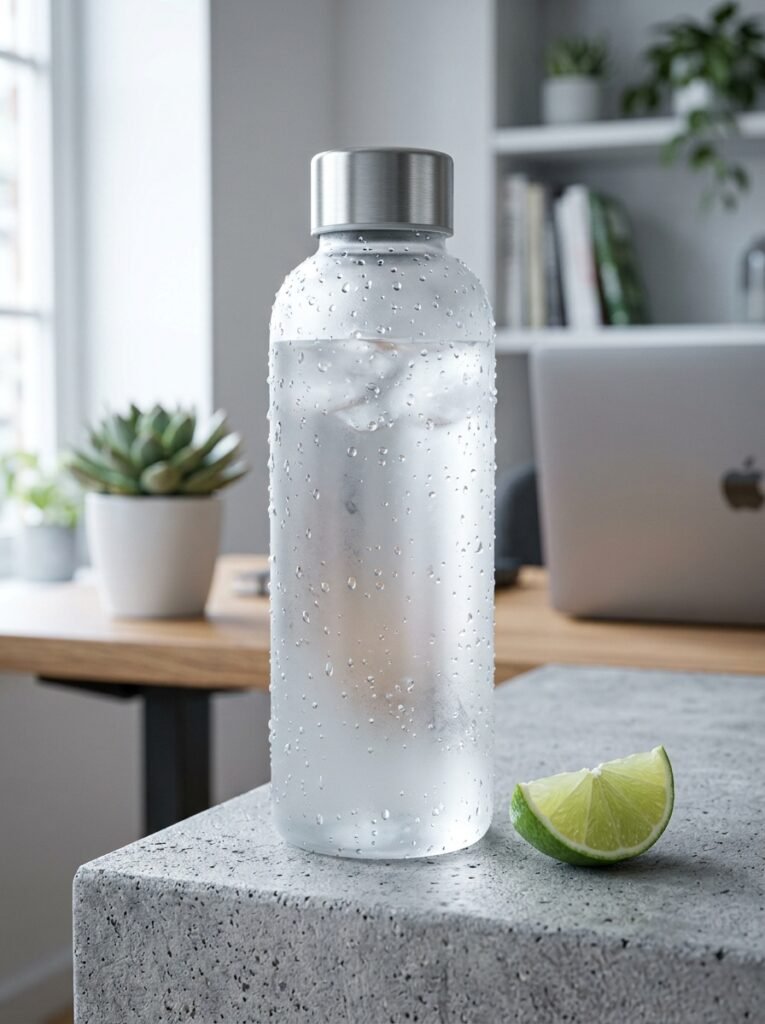
Sometimes you may confuse thirst with hunger, although hunger and thirst are different signals.
Keeping water nearby throughout the day makes drinking it easier.
Try carrying a reusable bottle to work, school, or while running errands.
You can also make water more appealing by adding lemon, lime, cucumber, or fresh mint.
You don’t need to force yourself to drink enormous amounts of water.
Your hydration needs vary depending on factors such as activity, climate, body size, and other individual circumstances.
Reduce Sugary Drinks Gradually

Soda, sweetened coffee drinks, energy drinks, and other sugary beverages can add a significant amount of sugar and calories without making you feel as full as solid food.
If you drink several sugary beverages every day, don’t feel like you need to quit everything overnight.
Start by replacing one drink with water or an unsweetened option.
Then gradually make the swap more often.
If you love your morning sweetened coffee, you can keep it while improving other parts of your diet.
Learn to Read Nutrition Labels
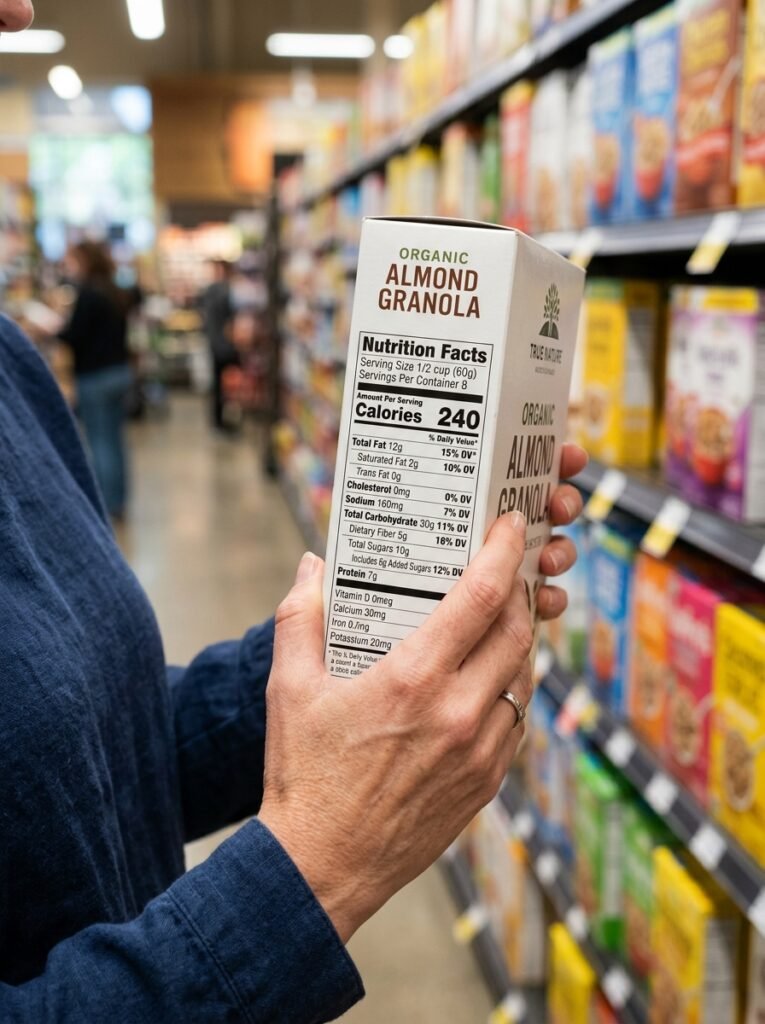
You don’t need to become obsessed with nutrition labels.
But understanding the basics can help you make informed choices.
Look at:
- Serving size
- Protein
- Fiber
- Added sugars
- Sodium
- Saturated fat
- Ingredient list
Remember that the serving size listed on a package may not match the amount you usually eat.
A food with a longer ingredient list isn’t automatically unhealthy.
Likewise, a food with a short ingredient list isn’t automatically nutritious.
Look at the whole picture.
Pay Attention to Fiber
Fiber can help support digestive health and may help you feel satisfied after meals.
Good sources include:
- Fruits
- Vegetables
- Beans
- Lentils
- Whole grains
- Nuts
- Seeds
If your current diet is low in fiber, increase it gradually and drink enough fluids.
A sudden dramatic increase can cause digestive discomfort for some people.
Stop Thinking of Foods as “Good” or “Bad”
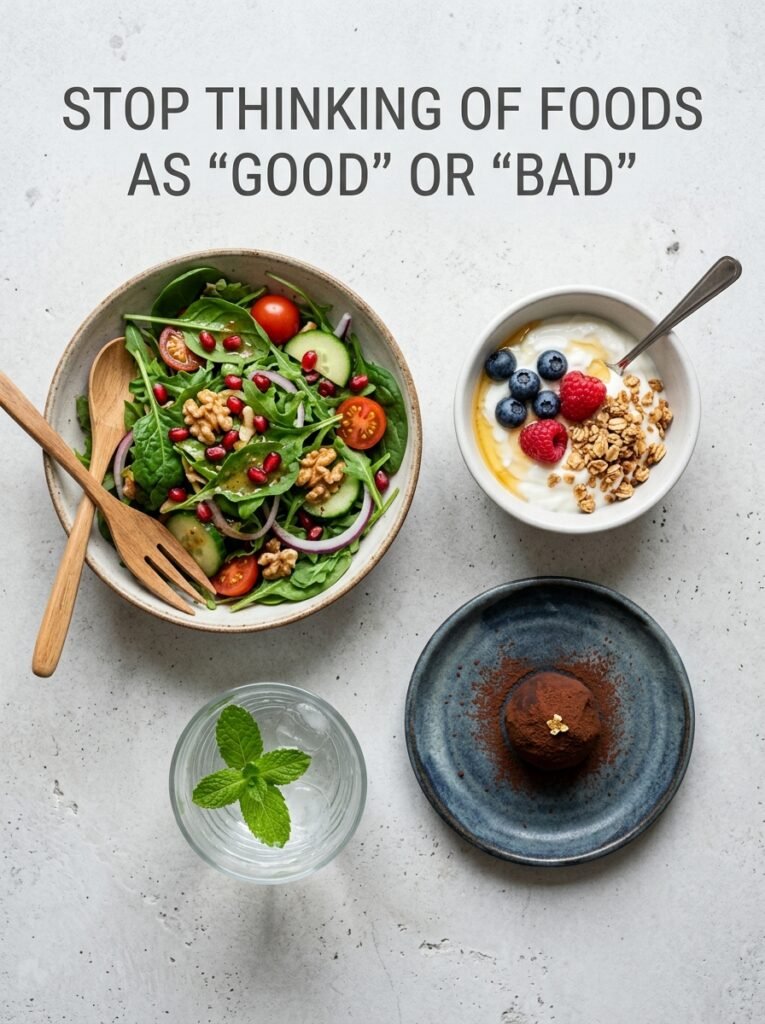
One of the biggest mindset changes you can make is letting go of the idea that one food determines whether you’re eating healthy.
A cookie doesn’t ruin your diet.
A salad doesn’t magically make your entire diet healthy.
Your overall pattern matters much more than one meal.
If you enjoy pizza, have pizza.
You might pair it with a salad or vegetables and eat a portion that leaves you comfortable rather than overly full.
Healthy eating should leave room for real life.
Practice Portion Awareness Without Obsessing
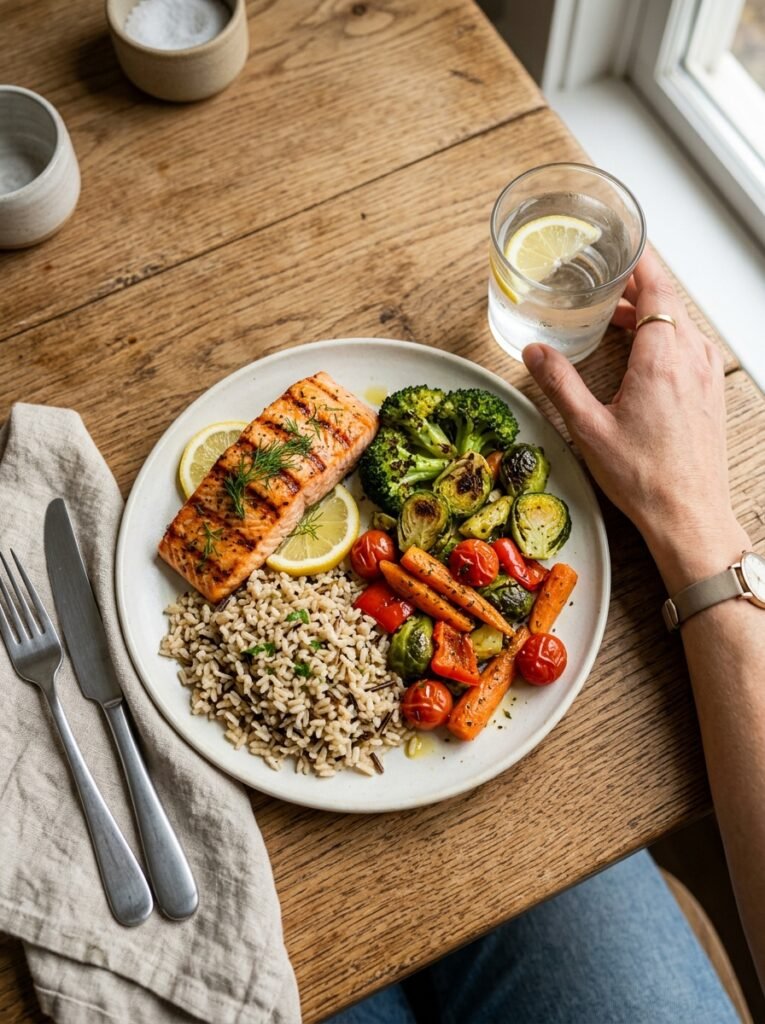
Portion awareness can be useful, especially if you’re trying to manage your weight.
But you don’t necessarily need to weigh every ingredient or track every calorie.
Start by noticing how much food you put on your plate and how satisfied you feel afterward.
A practical meal might include:
- A protein source
- Plenty of vegetables or fruit
- A carbohydrate source
- A moderate amount of healthy fat
Your ideal portions will vary based on your body, activity level, hunger, goals, and individual needs.
Slow Down While Eating
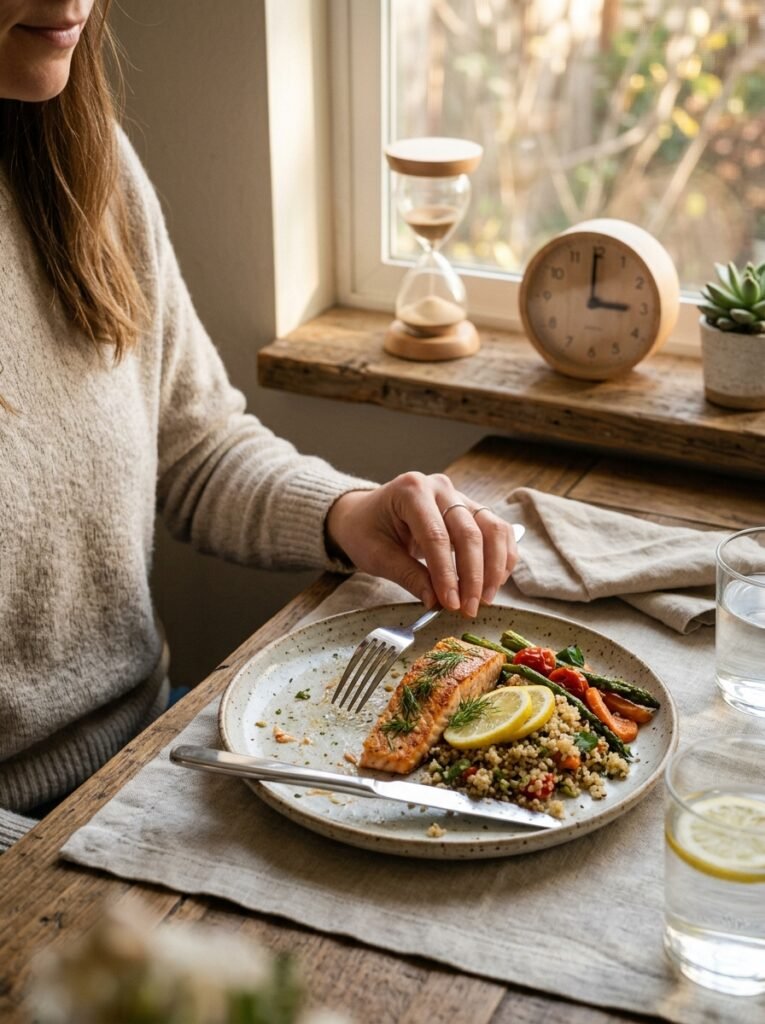
Eating quickly can make it harder to notice when you’re comfortably full.
Try putting your fork down occasionally and taking a breath between bites.
You don’t have to turn every meal into a mindfulness exercise.
Simply giving yourself more time can help you pay attention to hunger and fullness cues.
Make Healthy Eating Affordable
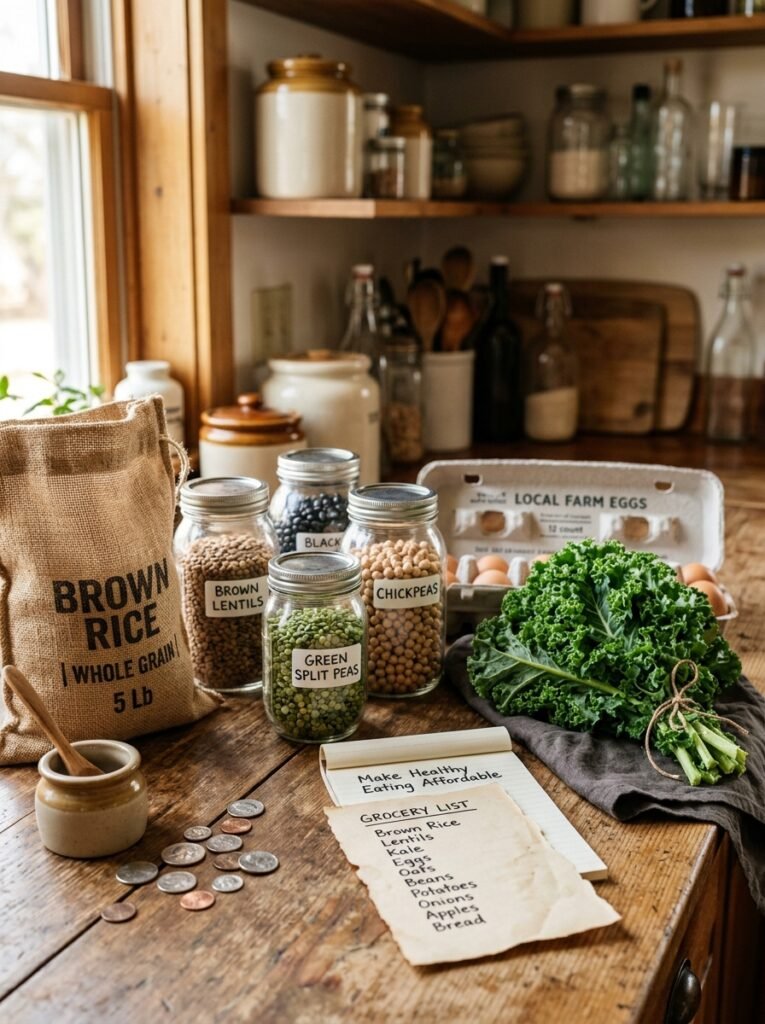
You don’t need a large grocery budget to eat nutritious food.
Some budget-friendly options include:
- Oats
- Eggs
- Beans
- Lentils
- Potatoes
- Rice
- Frozen vegetables
- Seasonal fruit
- Canned fish
- Plain yogurt
- Peanut butter
Buy foods you know you’ll actually eat.
A cheap bag of vegetables that gets forgotten in the refrigerator isn’t a better purchase than a slightly more expensive option you’ll use throughout the week.
Buy in Bulk When It Makes Sense
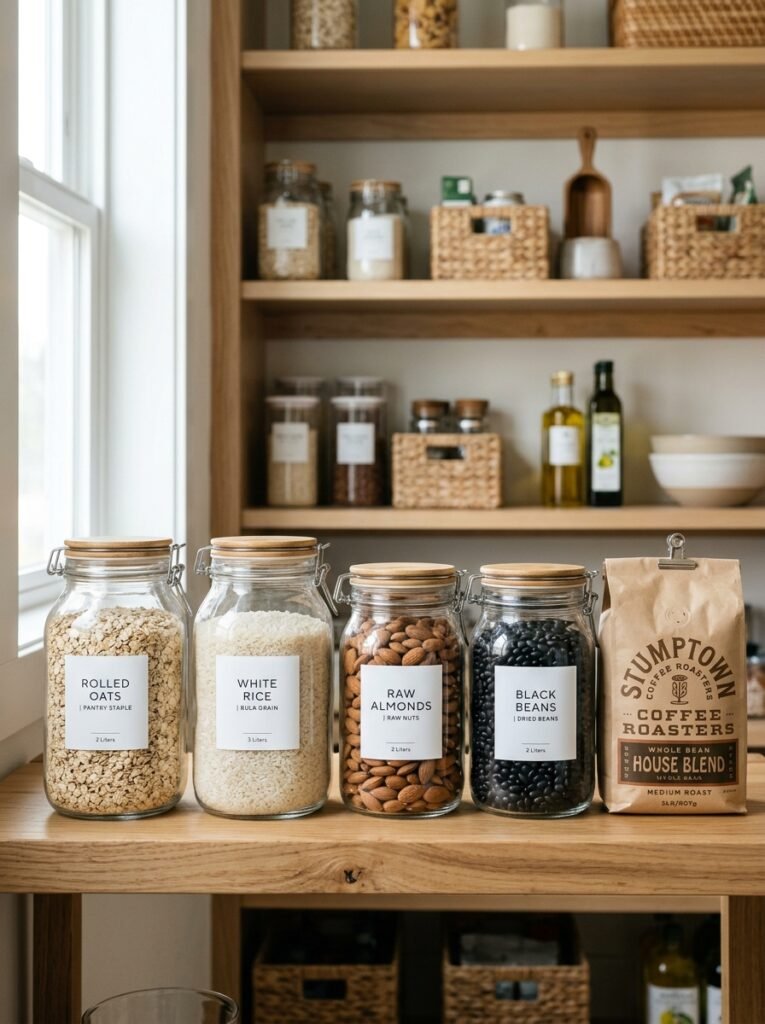
Foods like oats, rice, beans, and lentils can often be economical when purchased in larger quantities.
Just make sure you have enough storage space and will use them before they go bad.
Buying more isn’t always saving money if half of it ends up in the trash.
Cook More Meals at Home
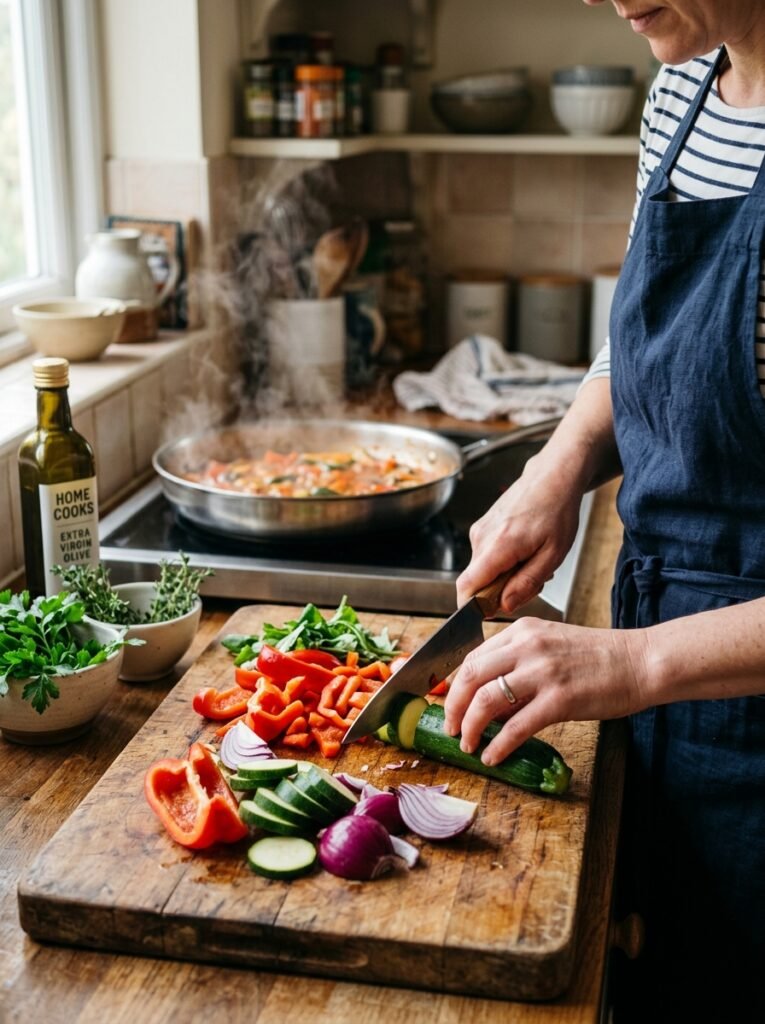
Cooking at home gives you more control over ingredients, portions, and preparation methods.
But home cooking doesn’t need to mean spending two hours in the kitchen.
Keep a few quick meals in your rotation.
Easy Healthy Meal Ideas
Breakfast:
Oatmeal with banana, peanut butter, and cinnamon.
Lunch:
Chicken, rice, cucumber, tomatoes, and yogurt sauce.
Dinner:
Baked fish, potatoes, and roasted vegetables.
Quick meal:
Eggs with whole-grain toast and fruit.
Vegetarian option:
Lentil and vegetable curry with rice.
These meals are simple, flexible, and easy to adjust to your preferences.
Prepare Ingredients Instead of Full Meals
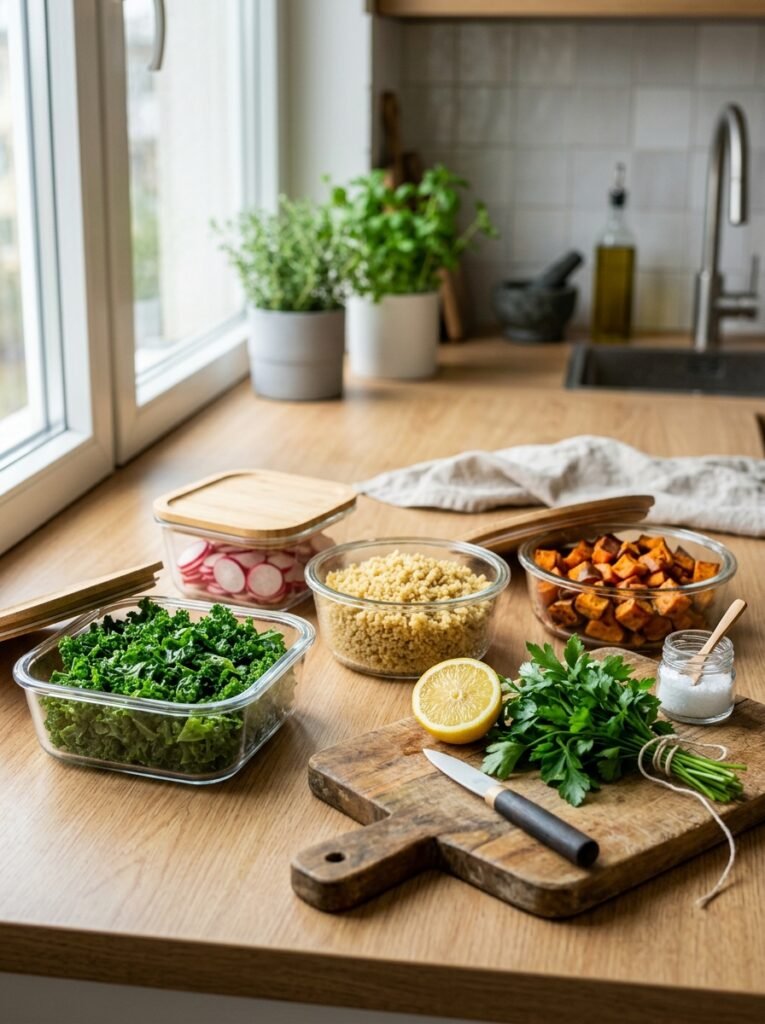
If traditional meal prep feels boring or overwhelming, try ingredient prep.
For example, spend 30–45 minutes preparing a few basics:
- Cook a batch of rice
- Wash vegetables
- Roast potatoes
- Boil eggs
- Cook chicken
- Prepare beans
- Portion nuts
- Wash fruit
Then combine those ingredients differently throughout the week.
This gives you variety without requiring completely different recipes every night.
Give Yourself Time to Adjust
If you’ve been eating a certain way for years, your habits won’t change overnight.
You may also notice that some healthy foods don’t taste exciting at first.
That’s okay.
Try different seasonings, cooking methods, sauces, herbs, and combinations.
You don’t have to force yourself to eat plain steamed broccoli if you hate it.
Roasting it with olive oil, garlic, spices, and a little Parmesan might make a completely different meal.
What About Eating Healthy for Weight Loss?
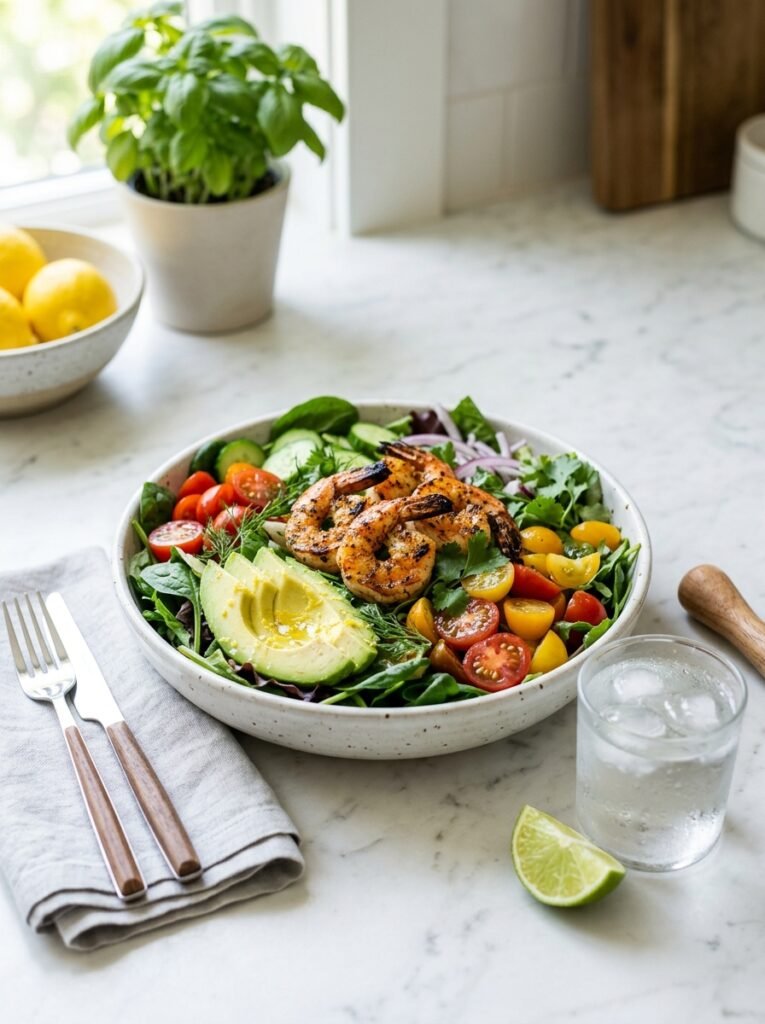
If your goal is weight loss, healthy eating can help create a sustainable calorie deficit while still providing the nutrients your body needs.
But you don’t need to starve yourself.
A sustainable approach usually focuses on filling foods, adequate protein, plenty of produce, reasonable portions, and habits you can maintain.
Foods with protein and fiber can be particularly useful because they may help meals feel more satisfying.
Regular movement, sleep, stress management, and your overall eating pattern also matter.
If you have a medical condition, take medications that affect nutrition or weight, are pregnant, or have a history of disordered eating, it’s best to get individualized guidance from an appropriate healthcare professional or registered dietitian.
Common Mistakes When Starting to Eat Healthy
Knowing what not to do can make your transition much easier.
Trying to Change Everything at Once
Going from fast food every day to cooking every meal, eliminating sugar, exercising daily, and tracking every calorie is a lot.
Start with one or two habits.
Cutting Out Entire Food Groups Without a Reason
You generally don’t need to eliminate carbohydrates or fats to eat healthy.
A balanced diet can include a wide range of foods.
Eating Foods You Hate
If you hate kale, you don’t need to force yourself to eat it.
There are countless vegetables and nutritious foods available.
Find options you genuinely enjoy.
Being Too Strict
A strict plan can make social events, holidays, travel, and family meals unnecessarily difficult.
Leave room for flexibility.
Expecting Immediate Results
Your habits may improve before you see changes on the scale.
Focus on what you can control each day.
A Simple 7-Day Healthy Eating Reset
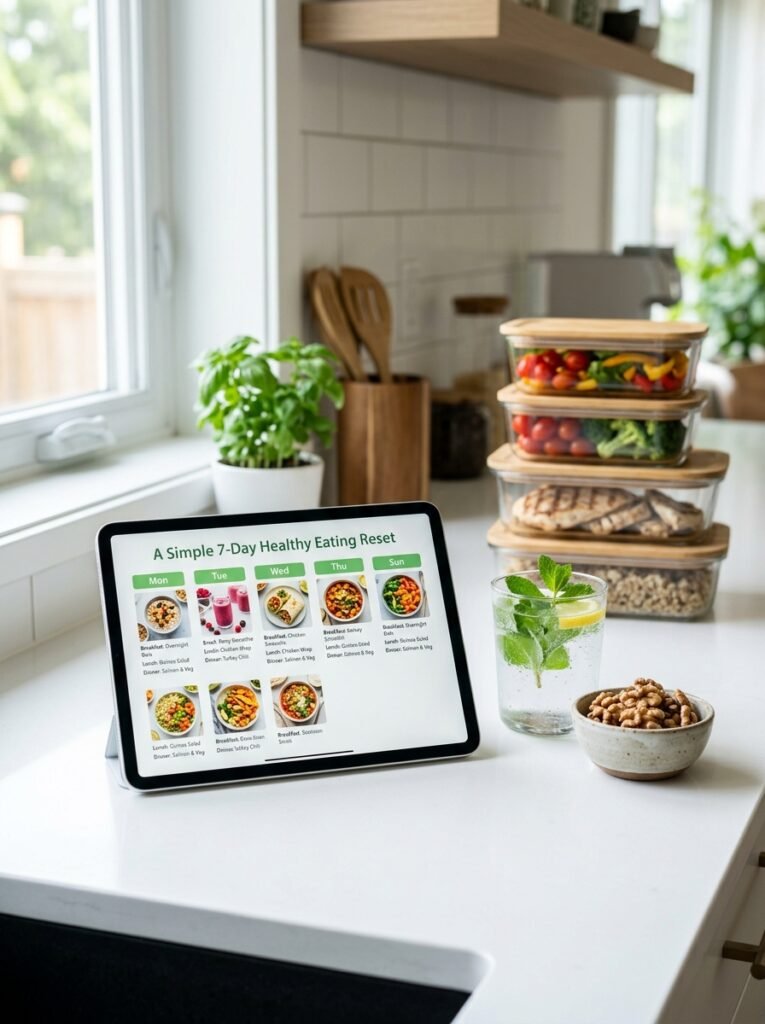
If you’re wondering how to start eating healthy and need a practical starting point, use the following as a flexible framework.
Day 1: Improve Breakfast
Add protein and fruit to your usual breakfast.
Try eggs with whole-grain toast and fruit or Greek yogurt with berries and oats.
Day 2: Add Vegetables
Add at least one vegetable to lunch or dinner.
Choose something you already enjoy.
Day 3: Upgrade Your Snacks
Replace one highly processed snack with something containing protein, fiber, or both.
Try fruit with nuts or yogurt with berries.
Day 4: Drink More Water
Carry water with you and replace one sugary beverage.
Don’t worry about making every drink perfect.
Day 5: Cook One Simple Meal
Prepare an easy meal at home using protein, vegetables, and a carbohydrate source.
Keep the recipe simple.
Day 6: Plan Ahead
Spend 10–15 minutes deciding what you’ll eat for the next few days.
Make a grocery list based on those meals.
Day 7: Review What Worked
Think about which changes felt easy.
Keep those habits and choose one new habit to work on next week.
How To Make Healthy Eating a Long-Term Habit
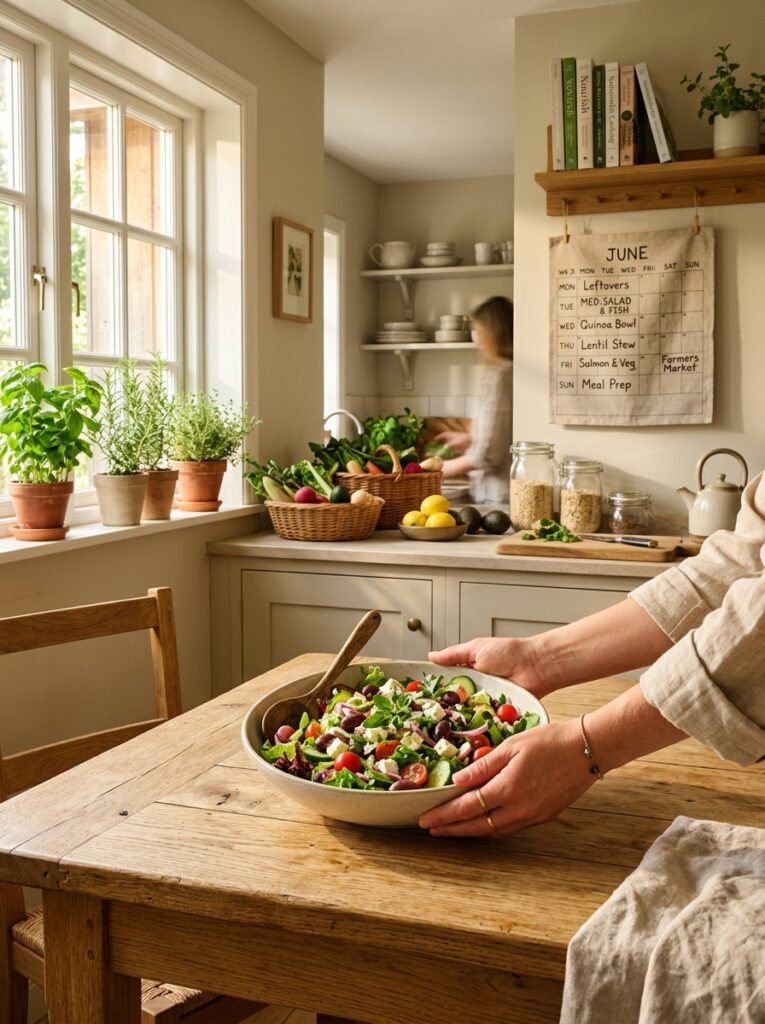
The easiest healthy diet to maintain is one that fits your actual life.
If you work long hours, your plan needs quick meals.
If you travel frequently, you need portable options.
If you have a family, your meals need to work for more than one person.
If you have a limited budget, expensive specialty foods shouldn’t be the foundation of your diet.
Instead of asking, “What is the perfect diet?”
Ask:
“What healthy choices can I realistically repeat?”
That question can completely change how you approach food.
Your Healthy Eating Starter Checklist
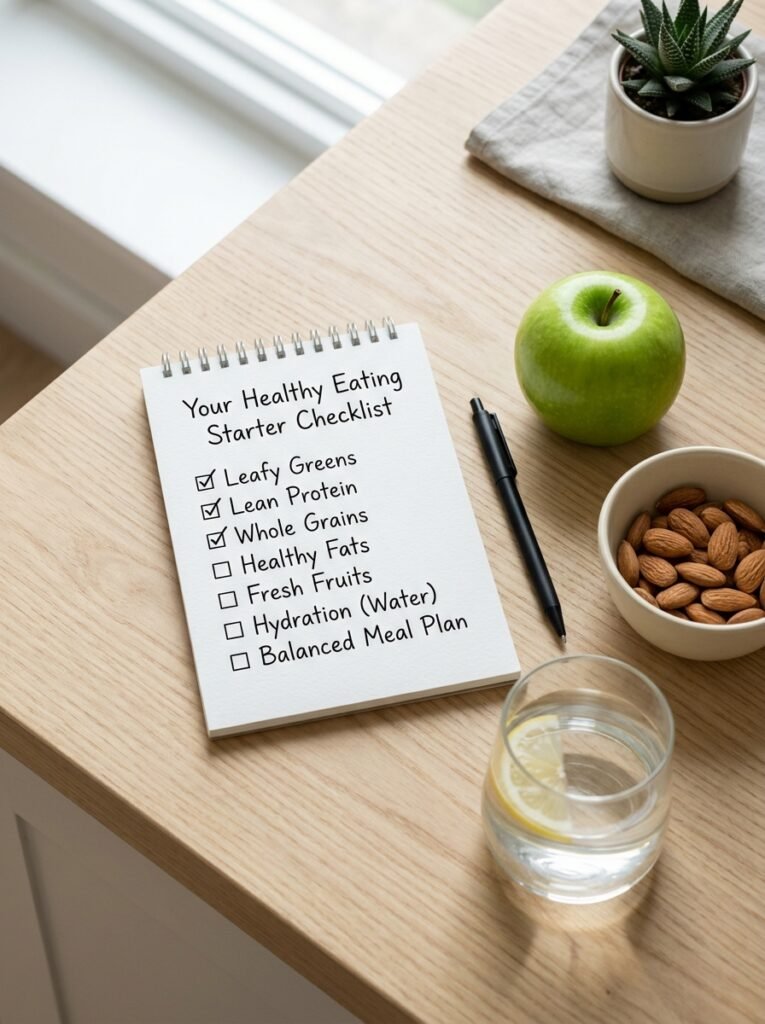
Use this simple checklist as you begin:
- Add a protein source to your main meals
- Eat fruit regularly
- Add more vegetables to meals
- Choose whole grains more often
- Keep healthy snacks available
- Drink water throughout the day
- Plan a few meals before grocery shopping
- Cook at home when practical
- Keep convenient nutritious foods available
- Allow yourself to enjoy favorite foods
- Focus on consistency instead of perfection