
How To Start Losing Weight In A Healthy Way: A Realistic Guide That Actually Works
If you want to lose weight, you don’t need to starve yourself, cut out every food you love, or spend two hours at the gym every day.
The best approach is usually much simpler: eat in a way that keeps you satisfied, move your body regularly, sleep well, and build habits you can actually maintain.
If you’re wondering how to start losing weight in a healthy way, start by thinking beyond the number on the scale. Healthy weight loss is about creating a routine that supports your body without making your life miserable.
Key Takeaways
- Aim for gradual weight loss instead of rapid results from crash diets.
- Build meals around protein, vegetables, fruits, whole grains, and other filling foods.
- Create a modest calorie deficit without drastically restricting your food intake.
- Combine regular movement, strength exercises, adequate sleep, and realistic habits.
- Focus on consistency rather than trying to follow a “perfect” diet every day.
What Does Healthy Weight Loss Actually Mean?
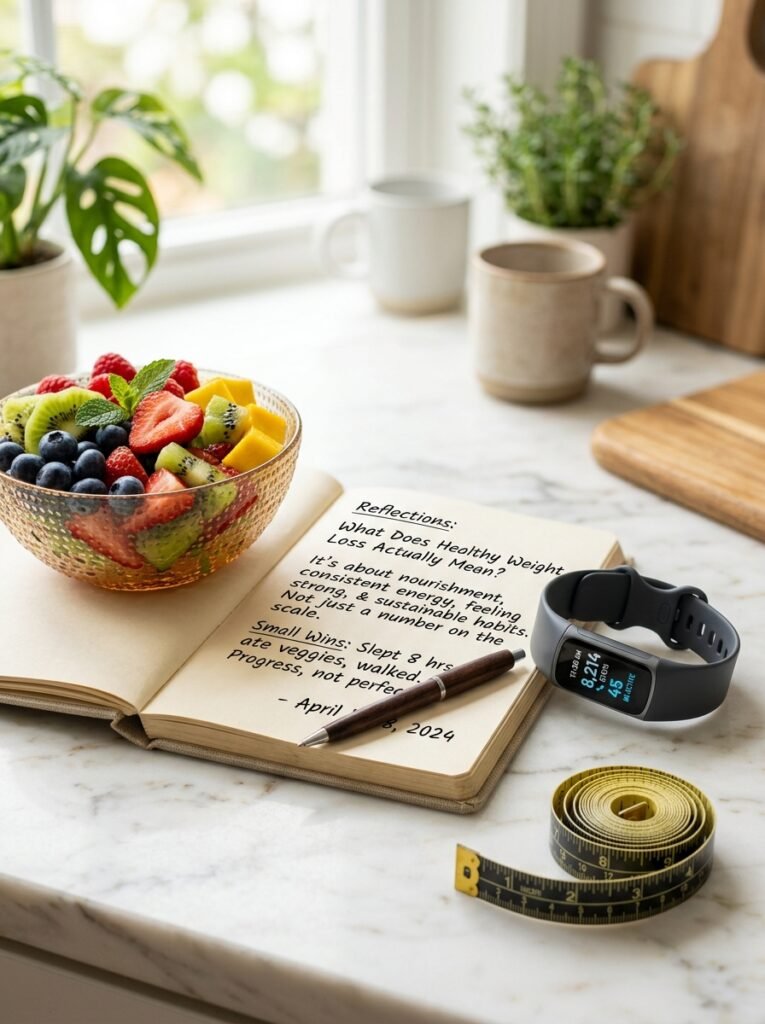
Healthy weight loss means losing excess body weight through habits that support your overall health and can be continued for months and years.
It doesn’t mean eating as little as possible. It also doesn’t mean avoiding carbohydrates, skipping meals, or labeling your favorite foods as “bad.”
A realistic plan should help you make progress while still allowing you to enjoy meals, spend time with family, eat at restaurants, and have the occasional treat.
For many adults, a gradual rate of around 1 to 2 pounds per week is commonly recommended, although individual results can vary. Your starting weight, activity level, medications, health conditions, and other factors can all affect how quickly your weight changes.
If you have a medical condition, are pregnant or breastfeeding, are under 18, or have a history of an eating disorder, it’s especially important to talk with a qualified healthcare professional before intentionally trying to lose weight.
Start With Your Current Habits

Before changing everything at once, take a realistic look at what you’re already doing.
You don’t need to judge yourself. You’re simply collecting information so you can decide what needs to change.
For three to seven days, pay attention to:
- What you eat and drink
- How often you snack
- Your portion sizes
- How much water you drink
- How much you walk or exercise
- How many hours you sleep
- When you tend to overeat
- Whether stress or boredom affects your eating
You may notice something surprisingly simple.
Maybe you’re skipping breakfast and becoming extremely hungry at night. Maybe sugary drinks are adding hundreds of calories without making you feel full. Or perhaps you’re eating fairly well but rarely moving during the day.
Finding that one or two habits can make your weight-loss journey much easier.
Set a Weight Loss Goal You Can Actually Maintain
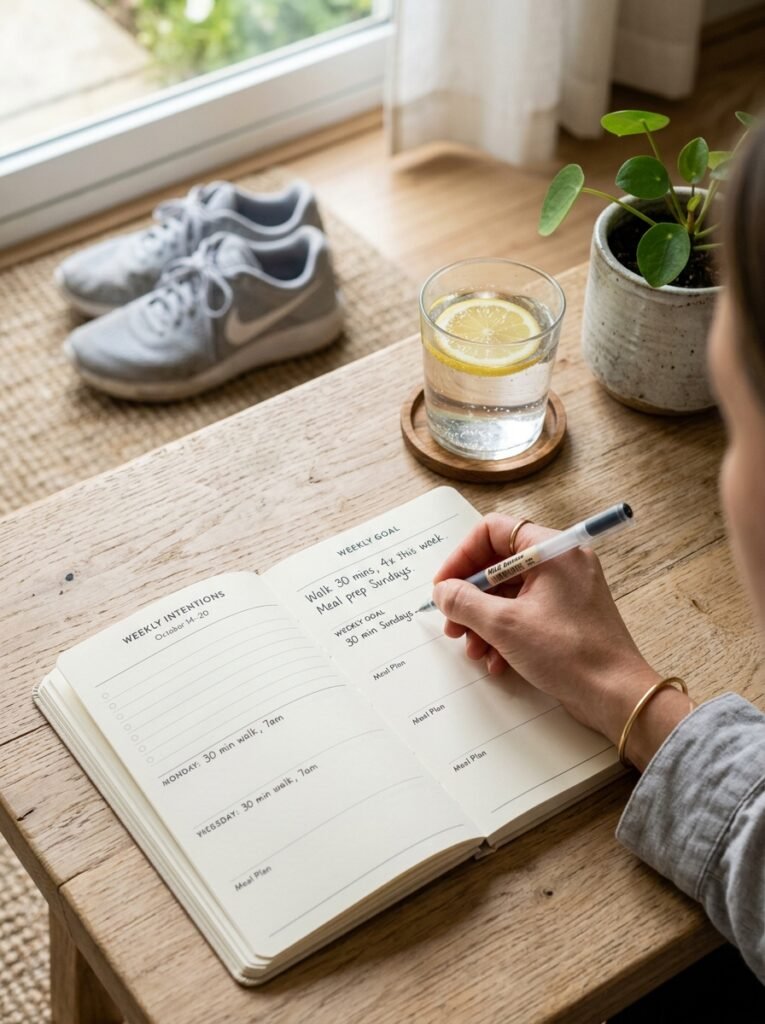
One of the biggest mistakes people make is setting an aggressive goal and expecting immediate results.
You might see someone online claiming they lost 20 pounds in a month and assume you should do the same. That’s not a useful comparison because everyone’s body, lifestyle, and starting point are different.
Instead, choose a goal that gives you room to make steady progress.
Focus on Process Goals
A scale goal can be useful, but process goals are often easier to control.
For example, instead of only saying:
“I want to lose 20 pounds.”
Try goals such as:
- Walk for 20–30 minutes five days a week.
- Eat a protein-rich breakfast most mornings.
- Add vegetables to lunch and dinner.
- Drink water instead of sugary drinks most of the time.
- Prepare a few healthy meals at home each week.
- Get into bed early enough to allow for adequate sleep.
These actions are within your control.
Your weight may fluctuate from day to day, but your habits give you something practical to work on.
Create a Modest Calorie Deficit
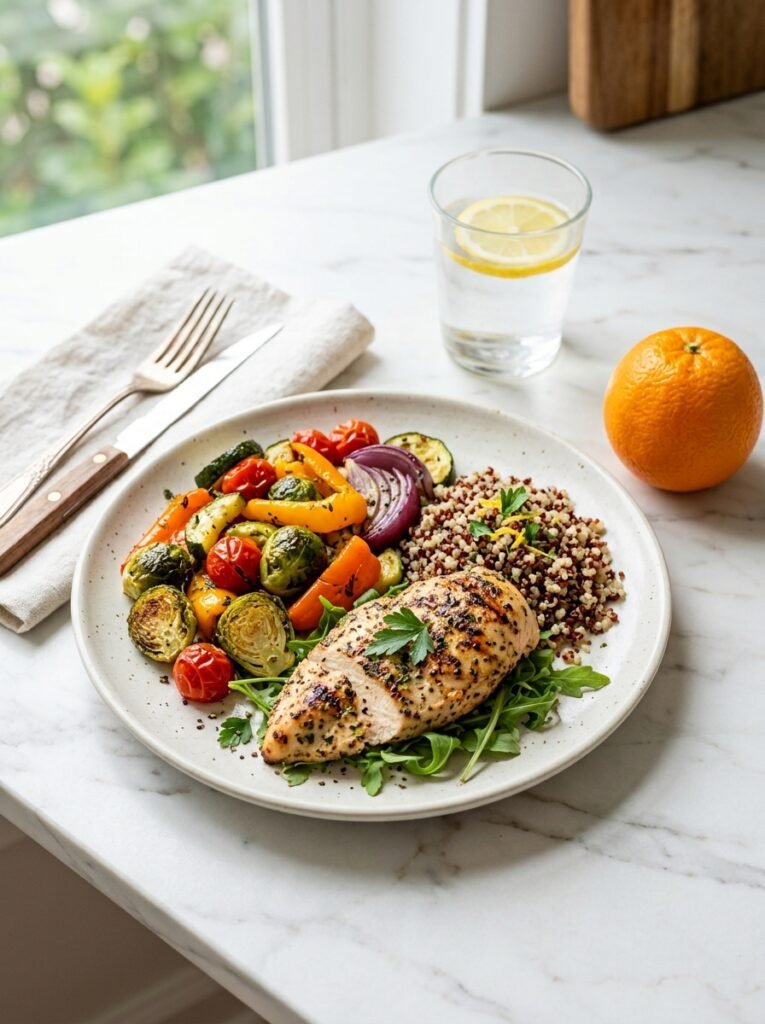
If you’re trying to lose body fat, your body generally needs to use more energy than you consume over time.
This is known as a calorie deficit.
But here’s the important part: a calorie deficit doesn’t have to mean eating tiny portions or constantly feeling hungry.
A modest deficit combined with nutritious, filling foods is usually much more realistic than aggressive restriction.
Your calorie needs depend on several factors, including age, sex, body size, activity level, and individual metabolism. That’s why copying someone else’s calorie target isn’t necessarily appropriate for you.
If you’re unsure about your nutritional needs, a registered dietitian or other qualified healthcare professional can help you establish an appropriate target.
Build Meals That Keep You Full
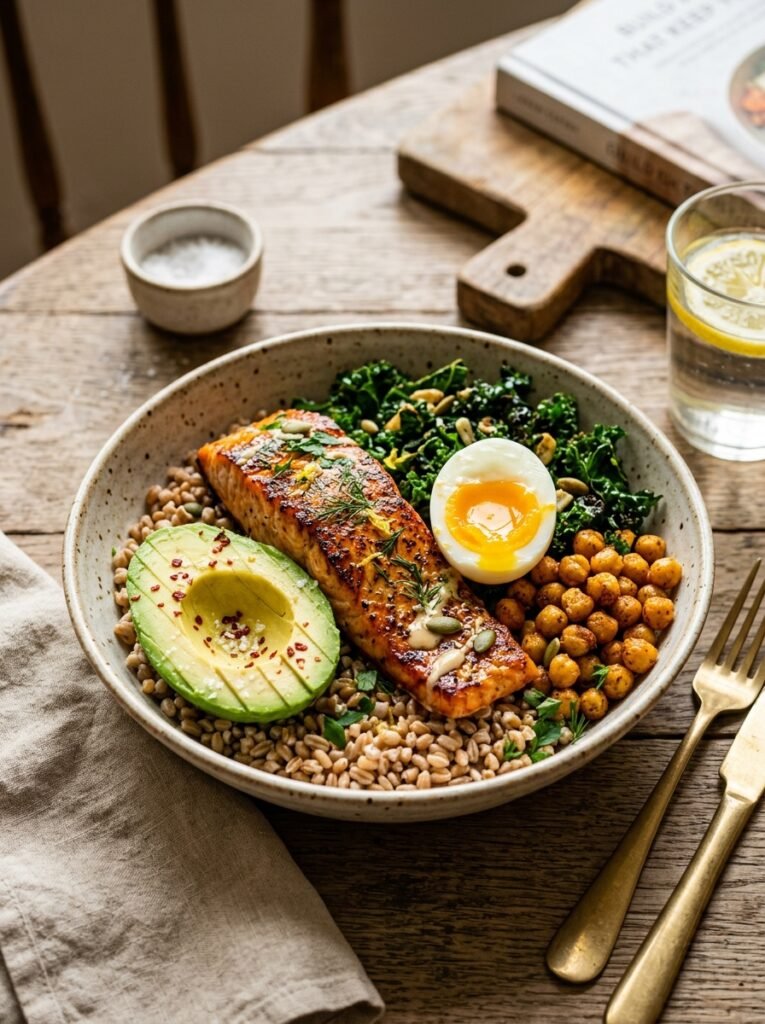
One of the easiest ways to make weight loss more manageable is to focus on foods that provide plenty of nutrition and help you stay satisfied.
A balanced meal can include:
- Protein: chicken, fish, eggs, Greek yogurt, cottage cheese, beans, lentils, tofu, or other protein sources
- Vegetables: leafy greens, broccoli, peppers, carrots, tomatoes, cucumbers, cauliflower, and more
- Fruit: berries, apples, oranges, bananas, melon, or other whole fruits
- Whole grains or other carbohydrates: oats, brown rice, potatoes, whole-grain bread, quinoa, or similar foods
- Healthy fats: nuts, seeds, avocado, olive oil, or nut butters
You don’t have to include every category at every meal.
The idea is to create meals that are satisfying rather than meals that leave you searching the kitchen an hour later.
Make Protein a Regular Part of Your Meals
Protein can be particularly helpful during weight loss because it contributes to fullness and helps support muscle tissue.
Try adding a protein source to meals and snacks.
For breakfast, you might have eggs with whole-grain toast and fruit. At lunch, try grilled chicken with vegetables and rice. For a snack, Greek yogurt with berries can be a simple option.
The goal isn’t to eat an enormous amount of protein.
It’s simply to avoid building most of your meals around foods that leave you hungry again very quickly.
Don’t Be Afraid of Carbohydrates
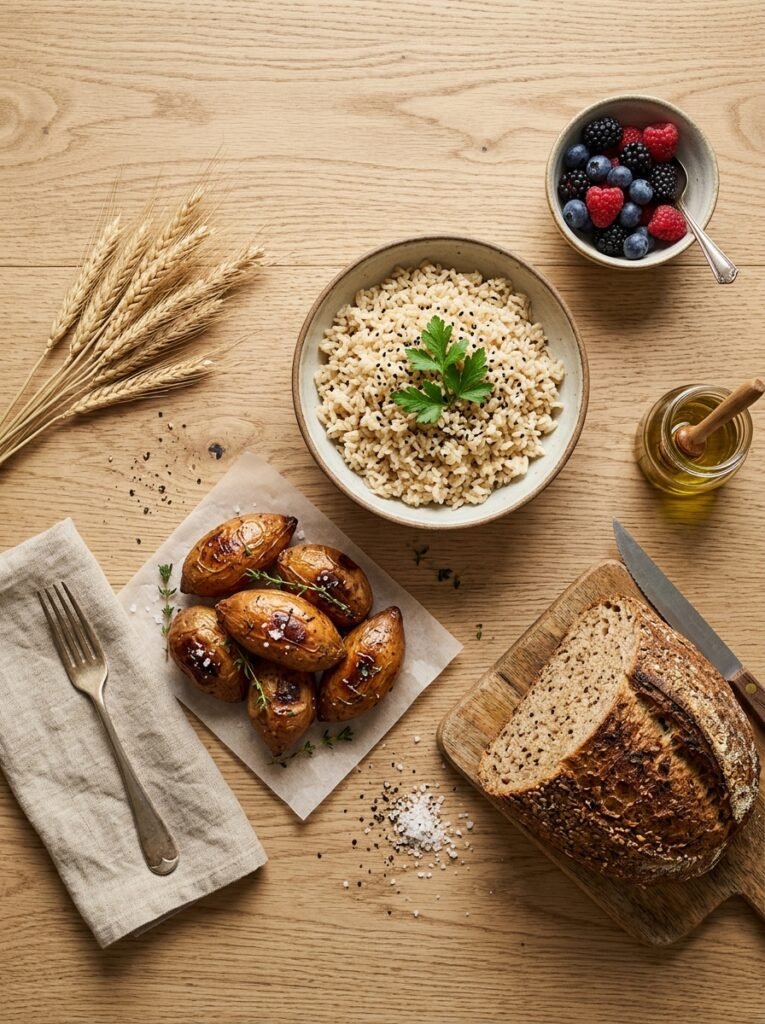
If you’ve spent any time looking at weight-loss advice online, you’ve probably seen carbohydrates blamed for weight gain.
But carbohydrates aren’t automatically the problem.
Foods such as oats, potatoes, beans, fruit, and whole grains can provide important nutrients and energy.
Instead of trying to eliminate carbohydrates, pay attention to the overall quality and portion of your meals.
A baked potato with grilled chicken and vegetables is very different from eating a large serving of fries with a sugary drink, even though both contain carbohydrates.
You don’t need to fear food. You need a pattern that works for you.
Eat More High-Fiber Foods
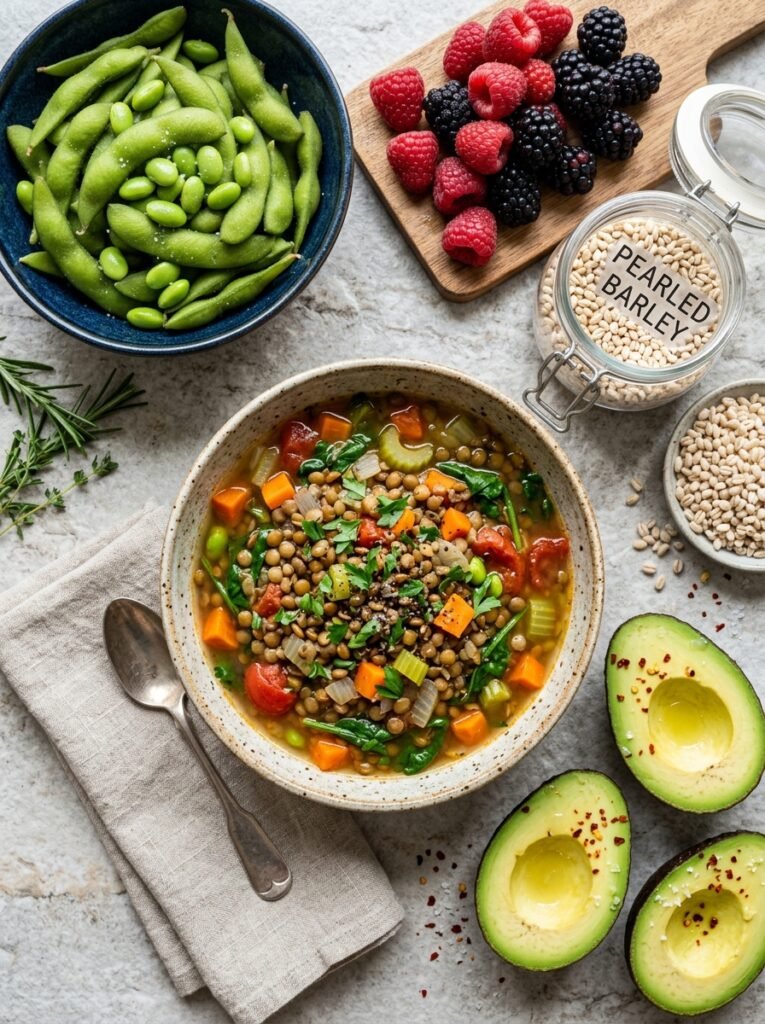
Fiber can help you feel satisfied while also adding nutritional value to your diet.
Good sources include:
- Beans and lentils
- Vegetables
- Whole fruits
- Oats
- Whole grains
- Nuts and seeds
- Chia seeds
- High-fiber cereals
An easy way to increase fiber is to make small swaps.
Try adding berries to oatmeal, choosing whole fruit instead of juice, adding beans to a salad, or replacing refined grains with whole-grain options when you enjoy them.
Increase fiber gradually and drink enough fluids, especially if your current diet is low in fiber.
Watch Liquid Calories

Sometimes weight loss becomes easier simply by looking at what you’re drinking.
Soda, sweetened coffee drinks, energy drinks, fruit drinks, and other sugary beverages can add a significant amount of energy without providing the same fullness as a solid meal.
You don’t have to completely ban them.
Try making water your everyday drink and keeping higher-calorie beverages as occasional choices.
Other options can include unsweetened tea, sparkling water, or coffee with a modest amount of milk.
Small changes like this can add up without making your diet feel restrictive.
Don’t Skip Meals Just to “Save Calories”
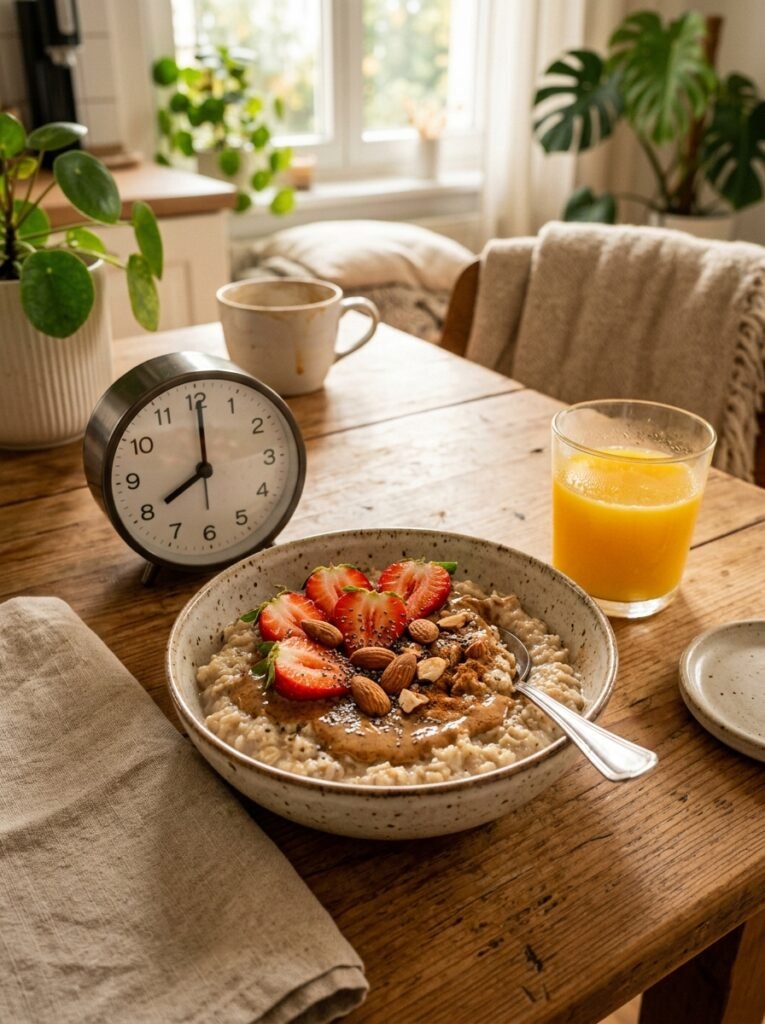
Skipping meals can work for some people, but it can also backfire if it leaves you extremely hungry later.
You might start the day determined to eat very little, only to find yourself overeating at night because you’re physically and mentally exhausted from restriction.
There’s nothing magical about skipping breakfast, lunch, or dinner.
If eating regular meals helps you manage hunger and make better choices, there’s no reason to force yourself into a fasting schedule simply because it’s popular online.
Find a meal pattern that fits your body and your daily routine.
Learn Portion Control Without Obsessing
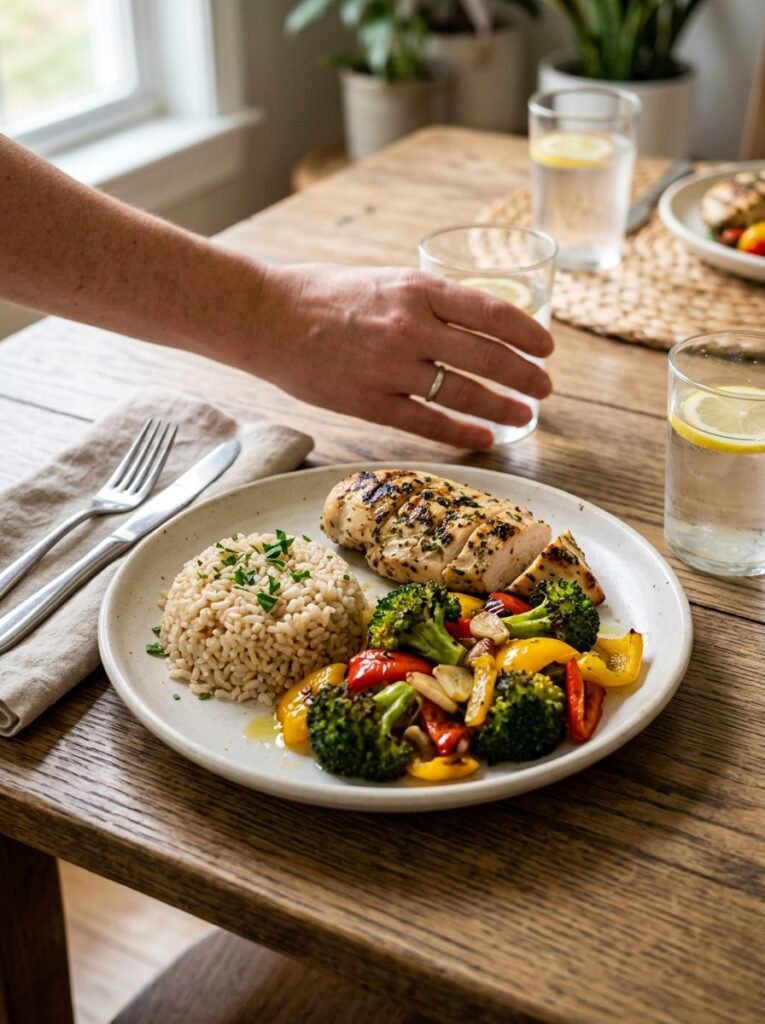
You don’t need to weigh every bite of food forever.
Instead, start learning what reasonable portions look like.
A simple meal-building approach is to make a substantial portion of your plate vegetables or other nutrient-rich foods, include a good protein source, and add a sensible portion of carbohydrates and healthy fats.
Your exact needs will vary.
If you’re still hungry after a meal, you may need more food. If you’re regularly eating past comfortable fullness, you may want to slow down and examine your portions and eating habits.
Keep Your Favorite Foods
Healthy eating shouldn’t feel like punishment.
If you love pizza, chocolate, burgers, pasta, or dessert, you don’t necessarily need to remove those foods from your life.
Instead, think about frequency, portions, and the overall pattern of your diet.
For example, you can enjoy a couple of slices of pizza alongside a salad and a protein source instead of turning pizza night into an all-or-nothing event.
One meal doesn’t determine your health.
Your overall eating pattern matters much more.
Start Moving More
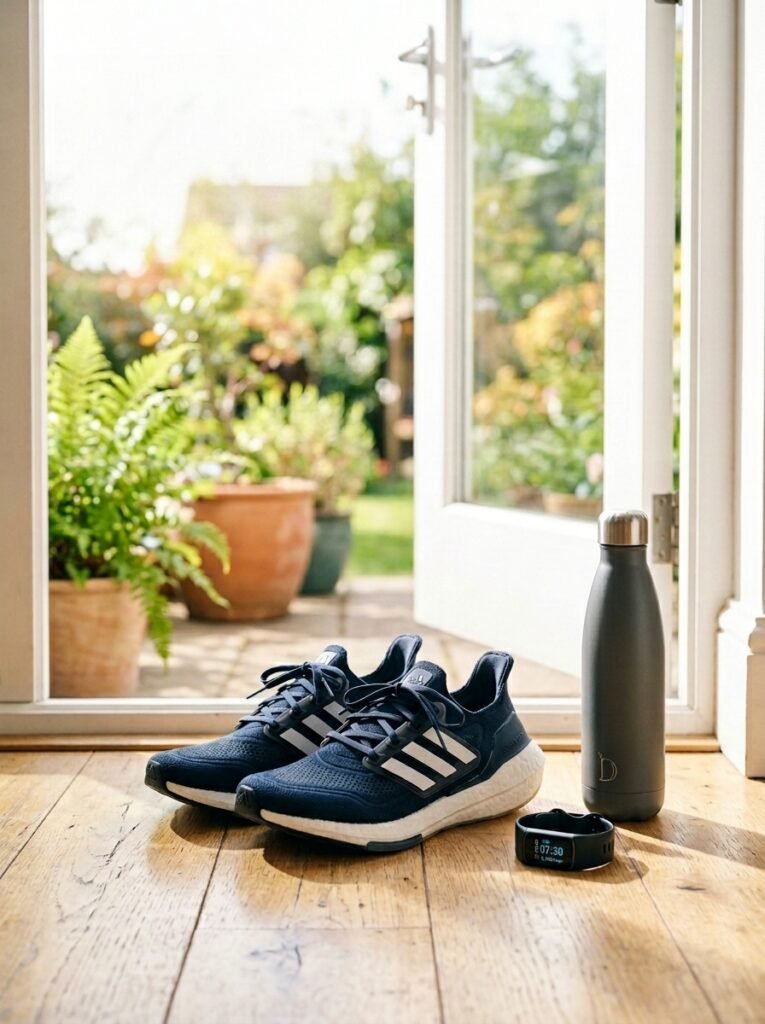
You don’t need a complicated workout program to begin losing weight.
Walking is an excellent starting point because it’s accessible, simple, and easy to fit into many schedules.
If you’re currently inactive, start small.
Try:
- A 10-minute walk after lunch
- A short walk after dinner
- Taking the stairs when practical
- Parking farther away
- Standing up and moving regularly during long periods of sitting
- Doing short home workouts a few times per week
Once these habits become comfortable, you can gradually increase your activity.
Add Strength Training
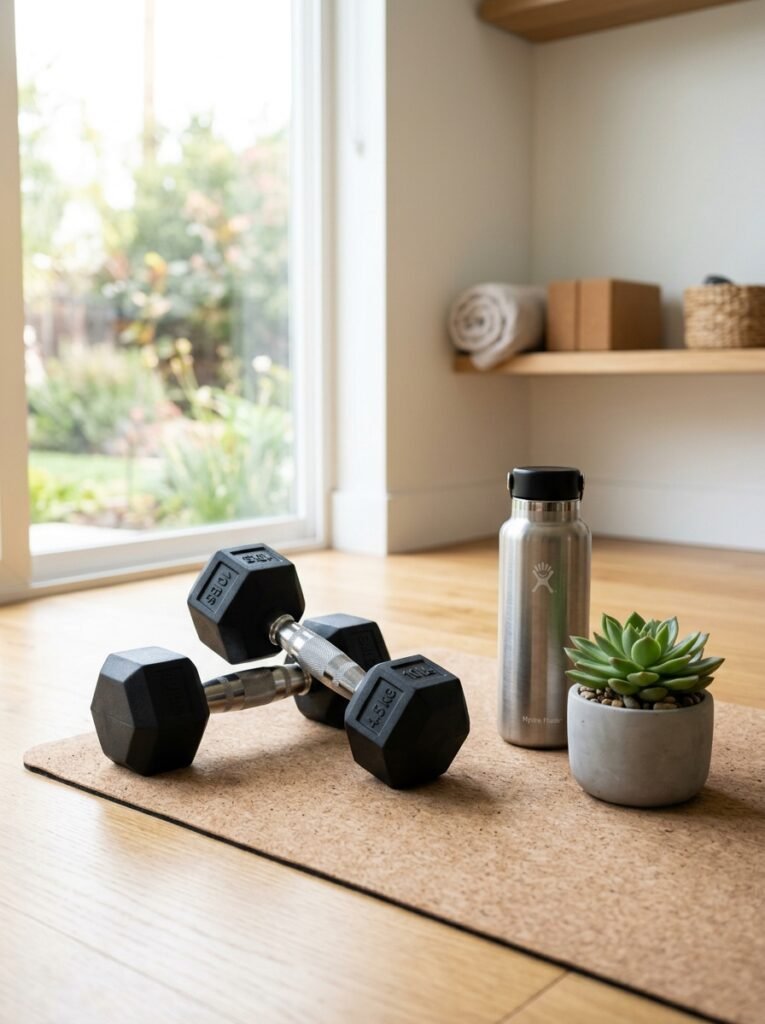
Strength training can be especially useful during weight loss because it helps you build and maintain muscle while improving strength and physical function.
You don’t need a gym membership to get started.
A beginner home workout could include:
- Bodyweight squats
- Wall push-ups
- Glute bridges
- Step-ups
- Bird dogs
- Lunges, if comfortable
- Resistance-band exercises
Start with manageable amounts and focus on good technique.
If you’re new to exercise or have an injury or medical condition, consider getting guidance from a qualified professional before starting a new training program.
Try a Simple Weekly Exercise Routine
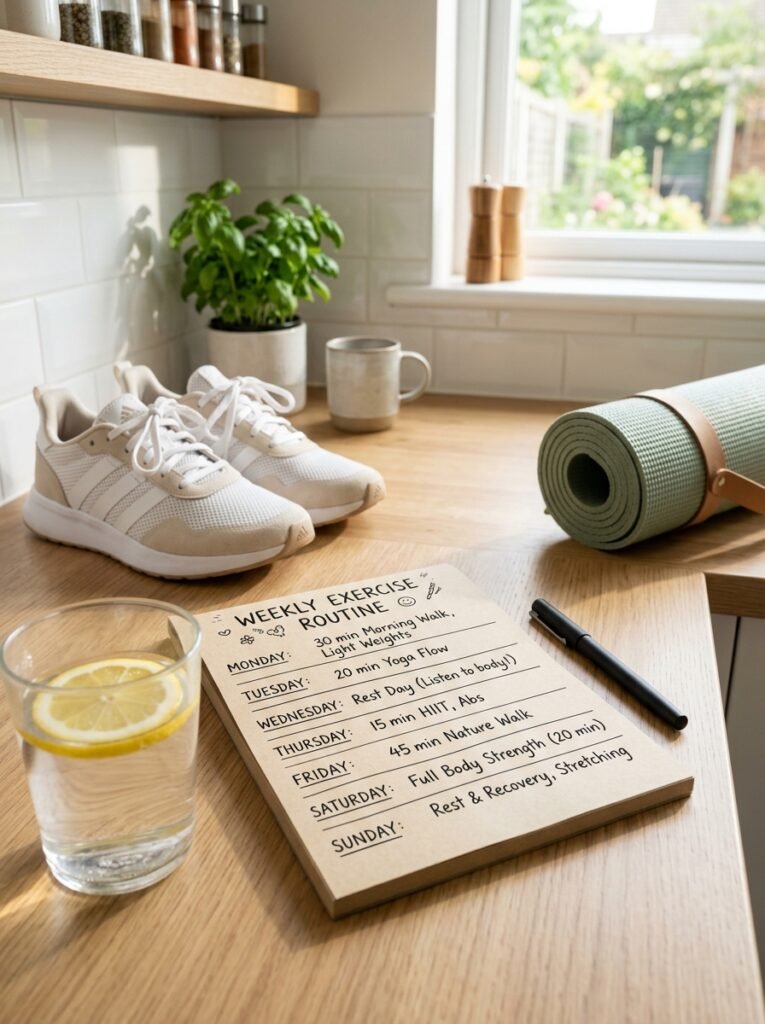
If you’re wondering how to start losing weight in a healthy way without overwhelming yourself, don’t plan seven intense workouts.
A simple week might look like:
Monday: 20–30 minute walk + short strength workout
Tuesday: 20–30 minute walk
Wednesday: Rest or gentle movement
Thursday: 20–30 minute walk + strength workout
Friday: Easy walk or another enjoyable activity
Saturday: Longer walk, cycling, swimming, or another activity you enjoy
Sunday: Rest and recovery
You can adjust this based on your fitness level and schedule.
The best workout is often the one you can continue doing consistently.
Don’t Ignore Sleep

Sleep is easy to overlook when you’re focused on food and exercise.
But getting enough quality sleep can support healthy eating habits, energy levels, recovery, and overall well-being.
When you’re exhausted, it can be harder to make thoughtful food choices or find the motivation to exercise.
Try creating a consistent sleep schedule and giving yourself enough time to rest.
Helpful habits include:
- Going to bed around the same time most nights
- Limiting caffeine later in the day if it affects your sleep
- Keeping your bedroom comfortable and dark
- Reducing stimulating screen use before bed
- Avoiding very heavy meals right before bedtime if they disturb your sleep
Manage Stress Without Using Food as Your Only Comfort

Stress can make healthy eating much harder.
When you’re overwhelmed, reaching for cookies, chips, or takeout may feel easier than preparing a balanced meal.
The solution isn’t to blame yourself.
Instead, create a few non-food ways to manage stress.
You could:
- Take a short walk
- Call a friend
- Listen to music
- Journal
- Practice slow breathing
- Take a shower
- Spend time outdoors
- Do a short stretching routine
- Step away from your phone for a few minutes
You don’t need to eliminate stress from your life.
You simply want more tools for dealing with it.
Be Careful With Emotional Eating
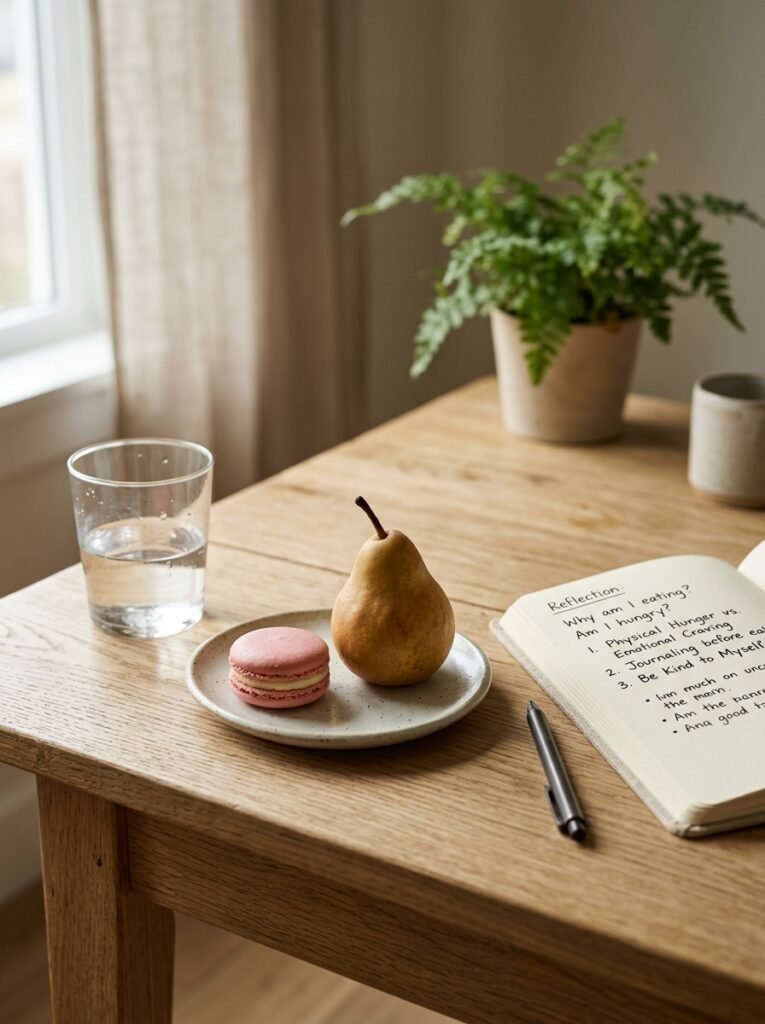
Sometimes you’re not physically hungry.
You may be bored, stressed, lonely, frustrated, tired, or simply looking for something comforting.
Before eating, ask yourself:
“Am I physically hungry, or am I looking for comfort right now?”
If you’re hungry, eat.
If you’re not hungry but still want food, pause for a few minutes and identify what you’re actually feeling.
And remember: emotional eating isn’t a moral failure.
If it happens regularly and feels difficult to control, working with a qualified mental health professional or registered dietitian can provide useful support.
Make Your Environment Work for You

Willpower isn’t something you should have to use every minute of the day.
Make healthy choices easier by changing what’s around you.
Keep convenient options available, such as:
- Washed fruit
- Greek yogurt
- Boiled eggs
- Cut vegetables
- Nuts in sensible portions
- Hummus
- Whole-grain crackers
- Pre-cooked chicken
- Beans
- Oatmeal
You can also make less nutritious foods less convenient without banning them.
For example, instead of keeping a large bag of cookies beside your desk, store them somewhere less visible and keep fruit nearby.
Your environment can influence your choices more than you realize.
Plan Your Meals Before You’re Starving
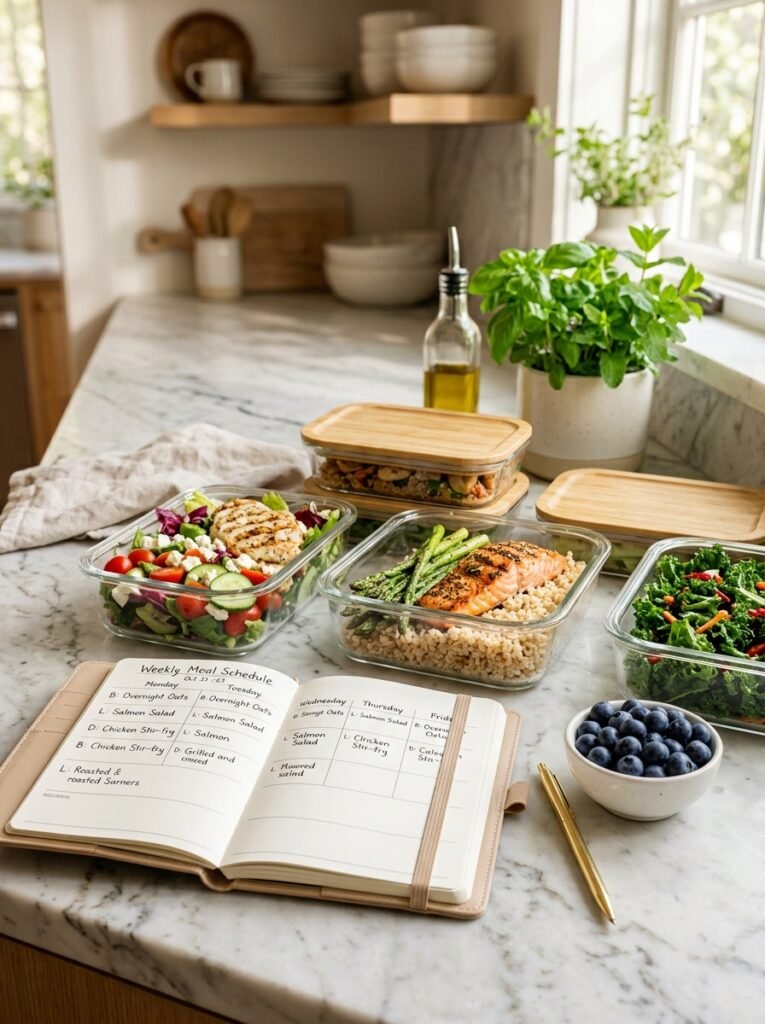
Meal planning doesn’t need to mean spending your entire Sunday cooking twelve containers of identical food.
Keep it simple.
Choose a few breakfasts, lunches, dinners, and snacks you genuinely enjoy.
For example:
Breakfast Ideas
- Eggs, whole-grain toast, and fruit
- Greek yogurt, berries, and oats
- Oatmeal with banana and nuts
- Vegetable omelet
Lunch Ideas
- Chicken and vegetable wrap
- Tuna salad with whole-grain bread
- Lentil soup with a side salad
- Rice bowl with chicken and vegetables
Dinner Ideas
- Grilled chicken, potatoes, and vegetables
- Salmon with rice and broccoli
- Bean and vegetable tacos
- Stir-fried vegetables with tofu and rice
Snack Ideas
- Apple with peanut butter
- Greek yogurt and berries
- Carrots with hummus
- A small handful of nuts
- Fruit and cottage cheese
Having a few reliable options makes healthy eating much easier on busy days.
Don’t Try to Change Everything at Once
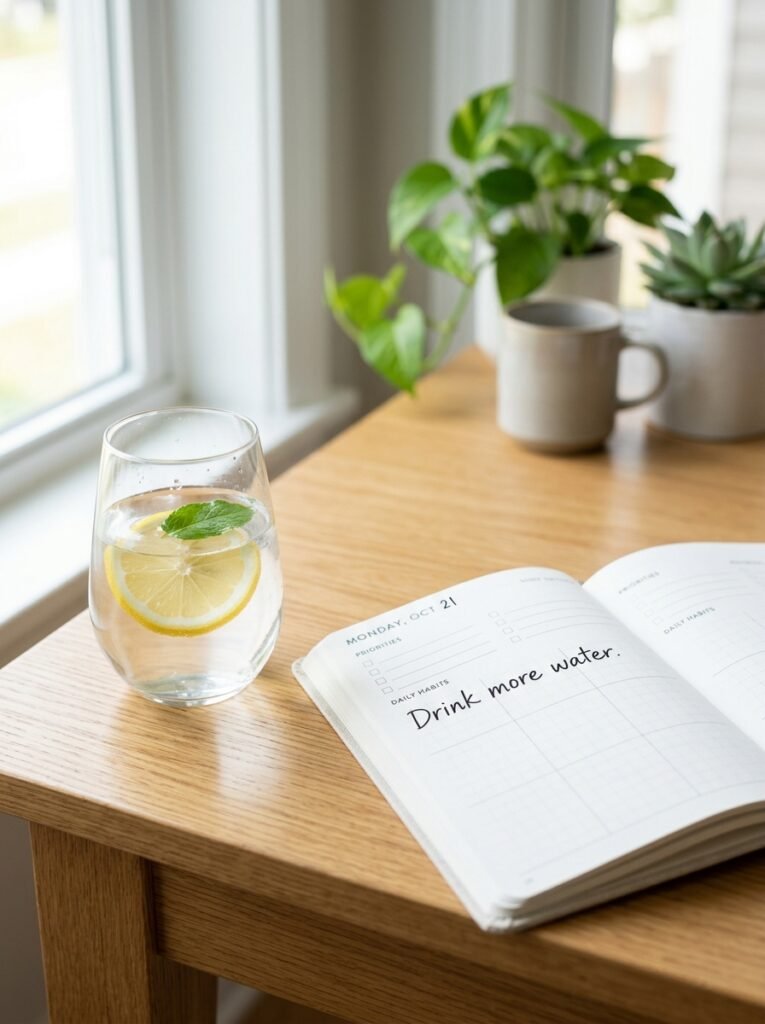
This is one of the most important parts of learning how to start losing weight in a healthy way.
If you suddenly decide to:
- Exercise every day
- Eliminate sugar
- Stop eating bread
- Count every calorie
- Meal prep every meal
- Drink three liters of water
- Sleep eight hours
- Give up takeout
- Cut out desserts
you may feel motivated for a few days.
Then real life happens.
A better approach is to change one or two habits at a time.
For example, spend the first two weeks focusing on drinking fewer sugary beverages and walking 20 minutes most days.
Once those habits feel normal, add another change.
That’s how a temporary diet can become a sustainable lifestyle.
Track Your Progress Beyond the Scale
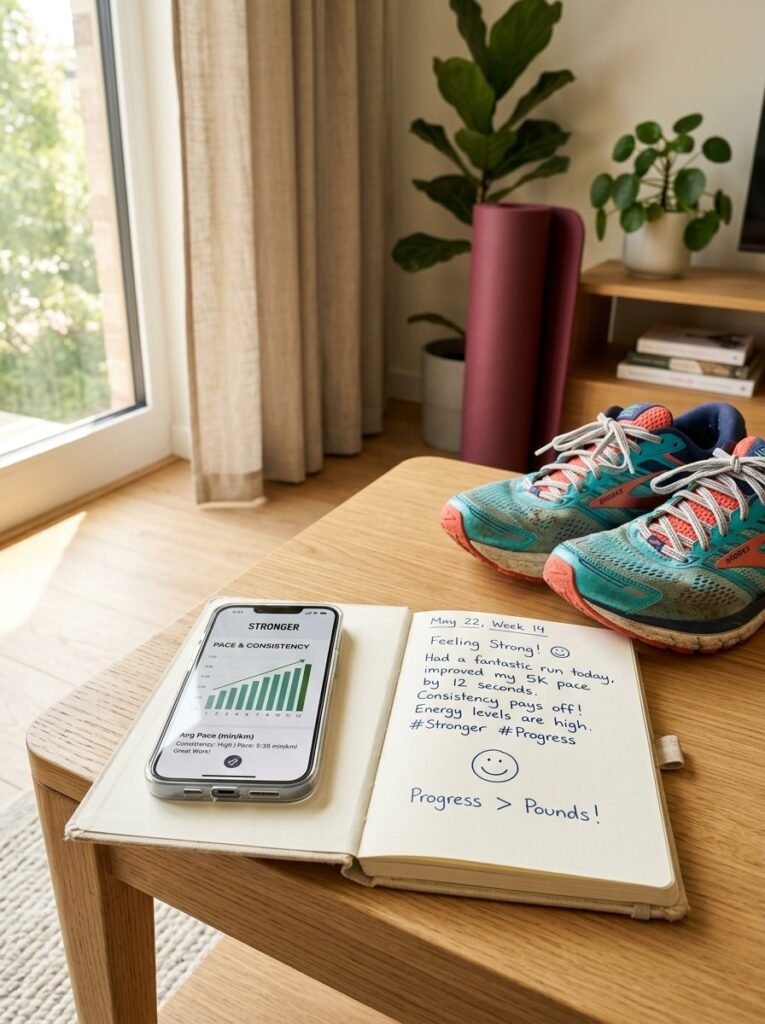
Your weight is only one measure of progress.
You might also notice:
- Your clothes fit differently
- You’re walking farther without getting tired
- You feel stronger
- Your energy is improving
- You’re sleeping better
- You’re eating more vegetables
- You’re cooking at home more often
- Your cravings feel easier to manage
- You feel more confident about your routine
These improvements matter.
Weight can also fluctuate because of water, sodium, digestion, hormones, and other factors.
Don’t let one morning’s number convince you that your entire plan isn’t working.
What to Do When You Have a Bad Day

You will have days when things don’t go according to plan.
Maybe you eat more dessert than expected.
Maybe you skip your workout.
Maybe you order takeout twice in one week.
That’s normal.
The mistake is thinking, “I’ve already ruined everything, so I might as well give up.”
You haven’t ruined anything.
Your next meal is another opportunity to return to your usual routine.
Healthy weight loss isn’t about never making mistakes. It’s about learning how to recover without turning one difficult day into a difficult month.
Common Weight Loss Mistakes to Avoid
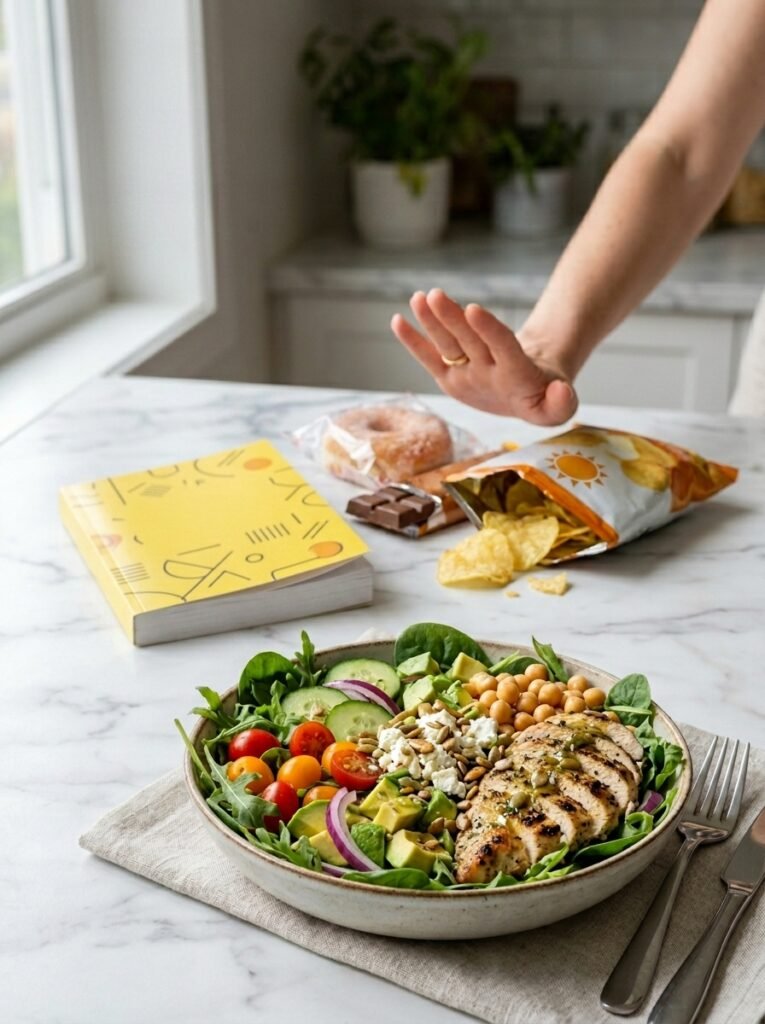
Cutting Calories Too Aggressively
Eating far too little can leave you hungry, tired, and frustrated.
Extreme restriction can also make it harder to maintain your progress.
Relying on Detoxes or Quick Fixes
Detox teas, juice cleanses, and rapid-loss programs often promise results that aren’t realistic or sustainable.
Your body already has systems for processing and eliminating waste.
Focus on nutritious food, hydration, movement, sleep, and sustainable habits instead.
Exercising to “Earn” Food
Exercise shouldn’t be punishment for eating.
Movement is valuable for many reasons beyond calorie burning, including strength, fitness, mobility, mood, and cardiovascular health.
Expecting Perfect Results Every Week
Weight loss rarely follows a perfectly straight line.
Some weeks you’ll lose weight, some weeks the scale may barely change, and sometimes it may temporarily increase.
Look at the longer-term trend rather than reacting to every small fluctuation.
A Simple 7-Day Healthy Weight Loss Starting Plan
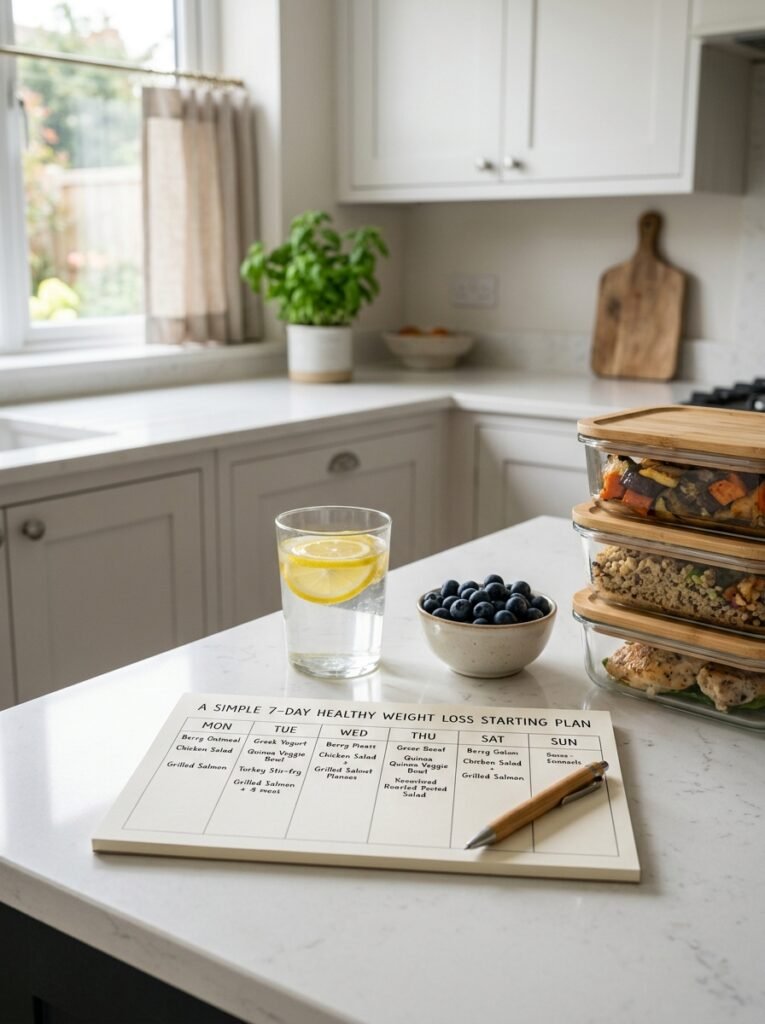
If you want to start today, here’s a simple framework.
Day 1: Clean Up Your Routine
Write down what you normally eat and drink.
Don’t try to change everything yet. Look for one easy improvement.
Day 2: Improve Breakfast
Choose a breakfast containing protein and fiber.
Try eggs and whole-grain toast with fruit or Greek yogurt with berries and oats.
Day 3: Start Walking
Take a 20-minute walk at a comfortable pace.
If 20 minutes feels like too much, start with 10 minutes.
Day 4: Add Vegetables
Add a serving of vegetables to lunch and dinner.
Frozen vegetables are perfectly fine when fresh options aren’t convenient.
Day 5: Plan Your Meals
Choose a few simple meals for the next several days.
Make sure you have the ingredients available before you’re hungry and tired.
Day 6: Add Strength Training
Try a short beginner-friendly bodyweight workout.
Keep it manageable rather than trying to completely exhaust yourself.
Day 7: Review Your Week
Ask yourself:
- What felt easy?
- What felt difficult?
- When was I most hungry?
- What foods kept me satisfied?
- What activity did I enjoy?
- What one habit should I continue next week?
Use your answers to create a routine that fits your actual life.
When Should You Expect Results?
It’s natural to want quick results.
But healthy weight loss usually takes time.
You may notice changes in your energy, appetite, fitness, or habits before you see major changes on the scale.
Try to judge your progress over several weeks rather than several days.
If you’re consistently following your plan and your weight isn’t changing over an extended period, you may need to review your portions, activity, food choices, or overall calorie intake with a qualified professional.
When Should You Talk to a Healthcare Professional?
Weight loss isn’t appropriate or equally safe for everyone.
Consider talking with a healthcare professional if:
- You have a chronic health condition.
- You’re taking medications that may affect weight or appetite.
- You have a history of disordered eating.
- You’re experiencing unexplained weight changes.
- You’re pregnant or breastfeeding.
- You’re unsure whether weight loss is appropriate for you.
- You experience dizziness, fainting, severe fatigue, or other concerning symptoms while changing your diet or exercise routine.
A personalized plan can be much more useful than generic advice from social media.