
Daily Weight Loss Routine for Beginners: A Simple Plan You Can Actually Stick With
Weight Loss Routine
If you’re just starting your weight loss journey, it’s easy to feel like you need to change everything overnight.
Wake up at 5 a.m. Run five miles. Eat nothing but salads. Say goodbye to every food you enjoy.
The good news is that you don’t need any of that.
A daily weight loss routine for beginners should feel manageable enough that you can repeat it tomorrow, next week, and next month. The goal isn’t to be perfect. It’s to build a few healthy habits that slowly become part of your everyday life.
If you’ve tried extreme diets before and ended up quitting, this kind of routine can be a refreshing change. It focuses on eating satisfying meals, moving your body regularly, sleeping well, and staying consistent without feeling deprived.
Key Takeaways
- A successful daily weight loss routine for beginners is built around simple habits you can repeat every day.
- Walking, strength training, balanced meals, and enough sleep can make a bigger difference than extreme diets.
- You don’t have to count every calorie or eliminate your favorite foods to start losing weight.
- Consistency over several months matters much more than having a “perfect” week.
What Makes a Good Daily Weight Loss Routine for Beginners?

A beginner-friendly routine should fit into your real life.
That means it should work even on busy workdays, family weekends, or days when your motivation isn’t at its highest.
A good routine usually includes four things:
- Balanced meals that keep you full.
- Daily movement, even if it’s just walking.
- Enough sleep to support healthy habits.
- A simple way to track progress.
You don’t need to overhaul your entire lifestyle on day one.
Start with a few habits, then add more as they become easier.
Your Simple Daily Weight Loss Routine

Here’s what a realistic day might look like.
You can adjust the timing to fit your schedule.
| Time of Day | Habit |
|---|---|
| Morning | Drink water and eat a protein-rich breakfast |
| Mid-morning | Short walk or stretch break |
| Lunch | Balanced meal with protein and vegetables |
| Afternoon | Healthy snack if you’re hungry |
| Evening | 20-30 minutes of exercise or walking |
| Dinner | Satisfying meal with lean protein, vegetables, and whole grains |
| Before bed | Relax and aim for 7-9 hours of sleep |
You don’t have to follow this schedule exactly.
Think of it as a framework rather than a strict rulebook.
Morning Routine: Start the Day on the Right Foot

Drink Water After Waking Up
After sleeping for several hours, many people wake up thirsty.
A glass or two of water can help you feel refreshed before breakfast.
There’s no magic amount that burns fat.
It’s simply a healthy habit that helps you stay hydrated throughout the day.
Eat a Breakfast That Keeps You Full
Skipping breakfast works for some people, but many beginners find they become extremely hungry later.
If that’s you, eating a balanced breakfast may help prevent overeating.
Try to include protein and fiber.
Examples include:
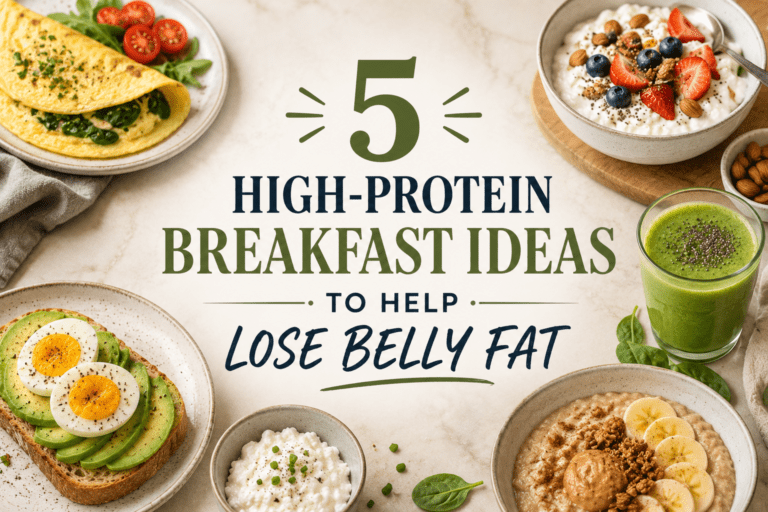
- Greek yogurt with berries and oats.
- Eggs with whole-grain toast.
- Oatmeal with peanut butter and banana.
- Cottage cheese with fruit.
- A smoothie with yogurt, fruit, and oats.
Protein helps keep you satisfied longer than a sugary breakfast.
Take a 5-10 Minute Walk
You don’t need to exercise for an hour before breakfast.
Even a short walk around your neighborhood can help you build the habit of moving every day.
If mornings are hectic, save your walk for later.
Mid-Morning: Avoid Mindless Snacking

Many people snack simply because they’re bored.
Before grabbing something to eat, ask yourself whether you’re actually hungry.
If you are, choose something filling.
Good options include:
- An apple with peanut butter.
- A handful of nuts.
- Greek yogurt.
- Carrots with hummus.
- A boiled egg.
The goal isn’t to avoid snacks.
It’s to choose snacks that actually satisfy you.
Lunch: Build a Balanced Plate
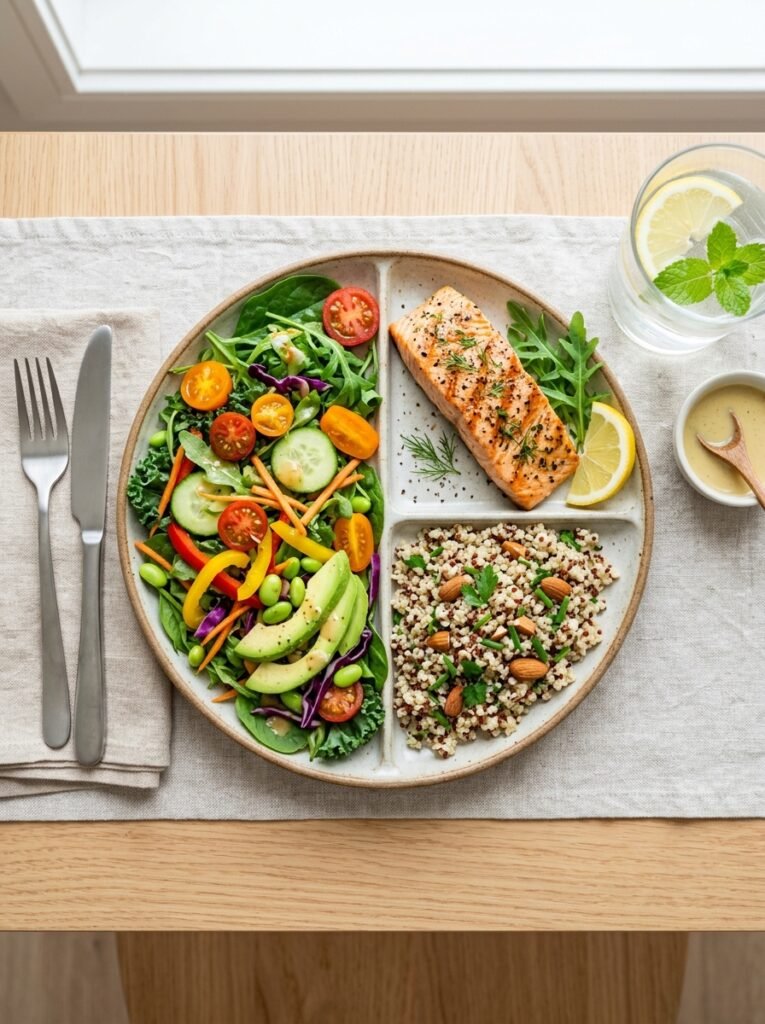
Lunch is a great opportunity to eat foods that provide lasting energy.
Instead of worrying about “diet foods,” use a simple plate method.
Fill your plate with:
- Half vegetables.
- One-quarter lean protein.
- One-quarter whole grains or starchy vegetables.
For example:
- Grilled chicken.
- Brown rice.
- Broccoli and carrots.
Other easy lunches include:
- Turkey sandwich on whole-grain bread with a side salad.
- Tuna and bean salad.
- Lentil soup with whole-grain toast.
- Leftover chicken and roasted vegetables.
These meals are filling without being overly restrictive.
Afternoon: Beat the Energy Slump
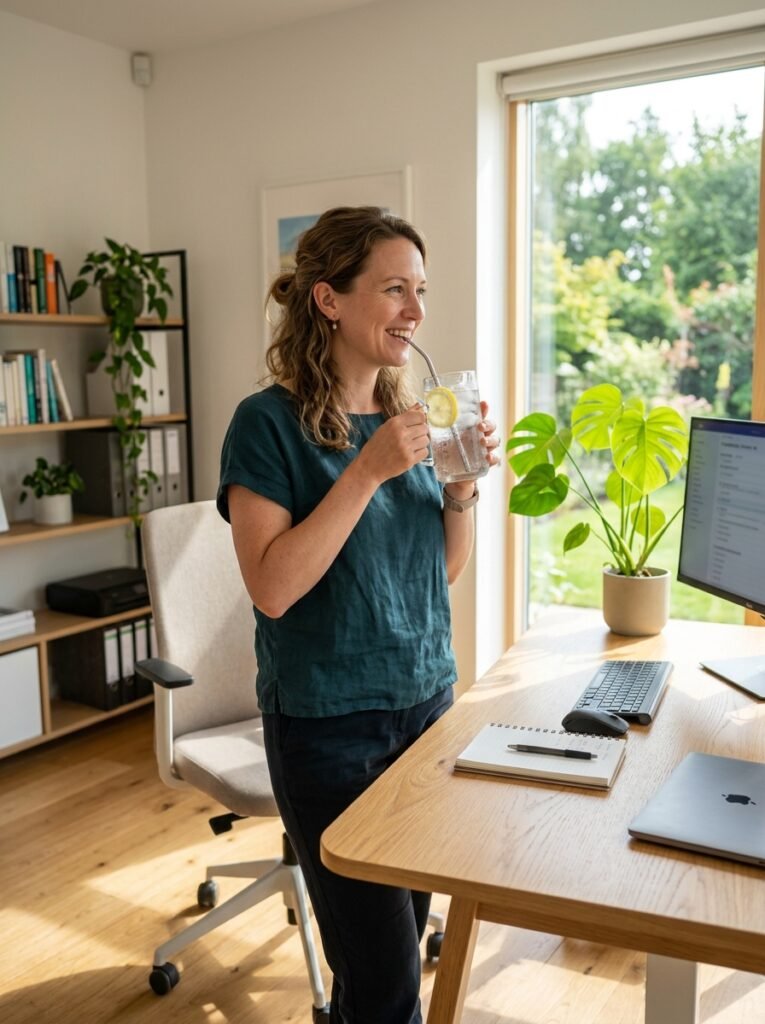
Many people feel hungry between lunch and dinner.
Having a planned snack can prevent arriving at dinner starving.
Try:
- Fruit and yogurt.
- Cheese and whole-grain crackers.
- Cottage cheese and pineapple.
- Roasted chickpeas.
- A banana with peanut butter.
Aim for something with protein or fiber whenever possible.
Evening Exercise: Keep It Beginner-Friendly
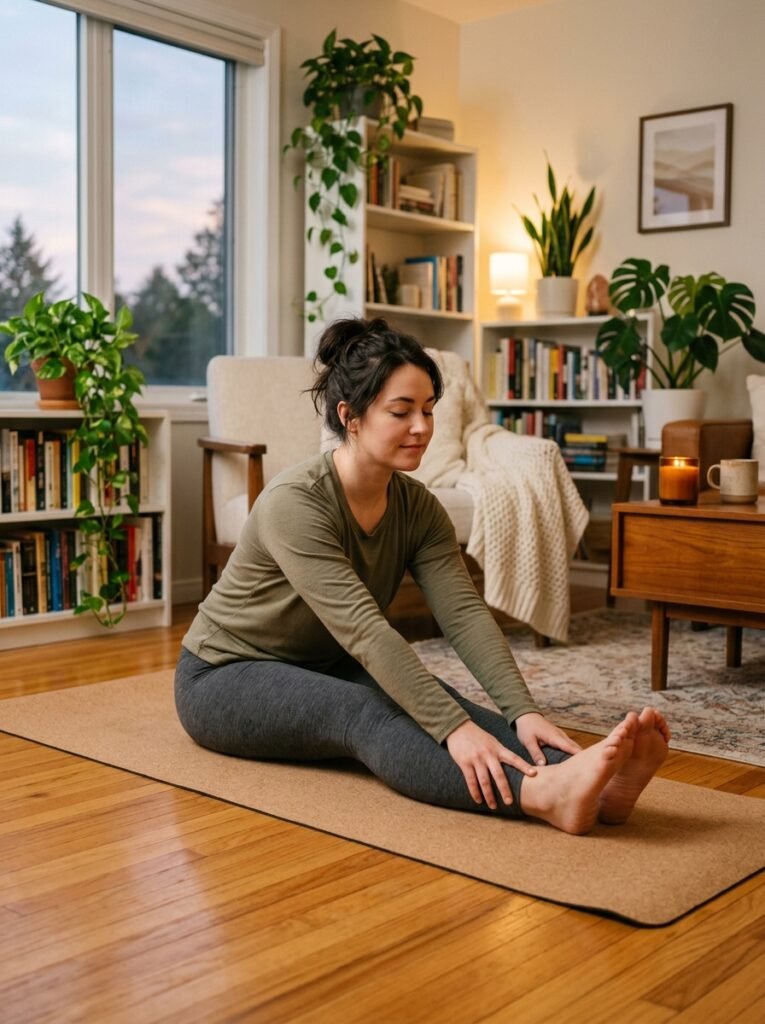
One of the biggest mistakes beginners make is choosing workouts that are too intense.
If every workout leaves you exhausted, you’re much less likely to keep going.
Instead, start with 20-30 minutes.
Option 1: Walking
Walking is one of the best exercises for beginners.
It’s low impact, doesn’t require a gym, and is easy to fit into your day.
Try:
- 20 minutes after work.
- 10 minutes after lunch and 10 after dinner.
- Walking while listening to a podcast.
Option 2: Simple Home Workout
Two or three days each week, add a short strength workout.
Try this beginner circuit:
- 10 chair squats.
- 8 wall push-ups.
- 10 glute bridges.
- 20-second plank.
- 10 standing knee raises per side.
Rest for a minute.
Repeat the circuit two or three times.
Strength training helps maintain muscle while losing weight, which supports long-term health.
Dinner: Eat Enough to Feel Satisfied
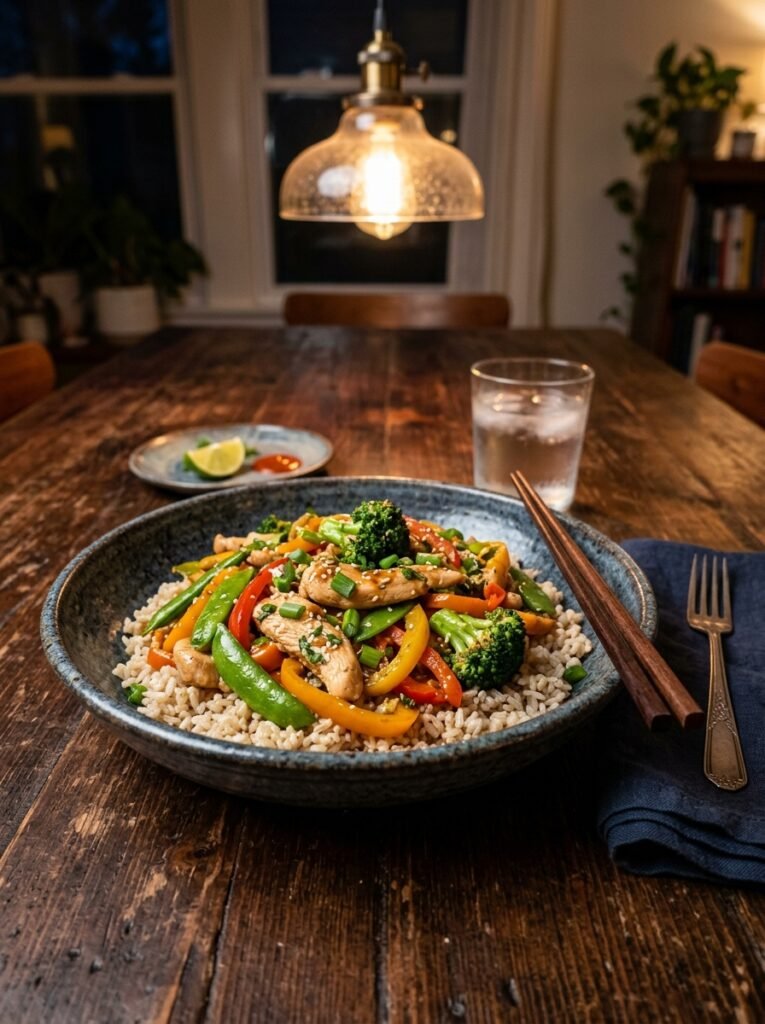
Dinner doesn’t need to be tiny.
A meal that’s too small often leads to late-night snacking.
Aim for:
- A source of protein.
- Plenty of vegetables.
- A moderate serving of carbohydrates.
Examples include:
- Baked salmon with potatoes and green beans.
- Chicken stir-fry with rice and vegetables.
- Turkey chili with beans.
- Tofu curry with vegetables and brown rice.
- Lean beef tacos with salad.
You can still enjoy foods you love.
The key is portion awareness, not perfection.
After Dinner: Create a Healthy Evening Routine

Late-night eating is often more about habits than hunger.
Try creating a relaxing routine instead.
Ideas include:
- Drinking herbal tea.
- Taking a warm shower.
- Reading.
- Stretching for five minutes.
- Preparing tomorrow’s lunch.
If you’re genuinely hungry, have a small snack.
Examples include yogurt, fruit, or a glass of milk.
Sleep: The Habit People Often Forget

Weight loss isn’t only about food and exercise.
When you’re tired, it’s often harder to make healthy choices.
Most adults benefit from around 7-9 hours of sleep each night.
A simple bedtime routine can help:
- Put your phone away 30 minutes before bed.
- Keep your bedroom cool and dark.
- Go to bed at roughly the same time each night.
- Avoid large meals immediately before sleeping.
Better sleep won’t magically cause weight loss.
But it often makes sticking to your healthy habits much easier.
How Much Exercise Should Beginners Do?

You don’t need to start with intense workouts.
A great beginner goal is:
- Walking: 20-30 minutes most days.
- Strength training: 2-3 days each week.
- Stretching: 5 minutes when you feel stiff.
If you’re completely inactive, even 10 minutes counts.
You can gradually add more time as your fitness improves.
A Sample Weekly Schedule
Here’s a simple plan you can follow.
| Day | Activity |
|---|---|
| Monday | 25-minute walk |
| Tuesday | Beginner strength workout |
| Wednesday | 30-minute walk |
| Thursday | Rest or gentle stretching |
| Friday | Beginner strength workout |
| Saturday | Longer walk or enjoyable activity |
| Sunday | Easy walk and meal preparation |
This schedule gives you a balance of movement and recovery.
What Should Beginners Eat to Lose Weight?
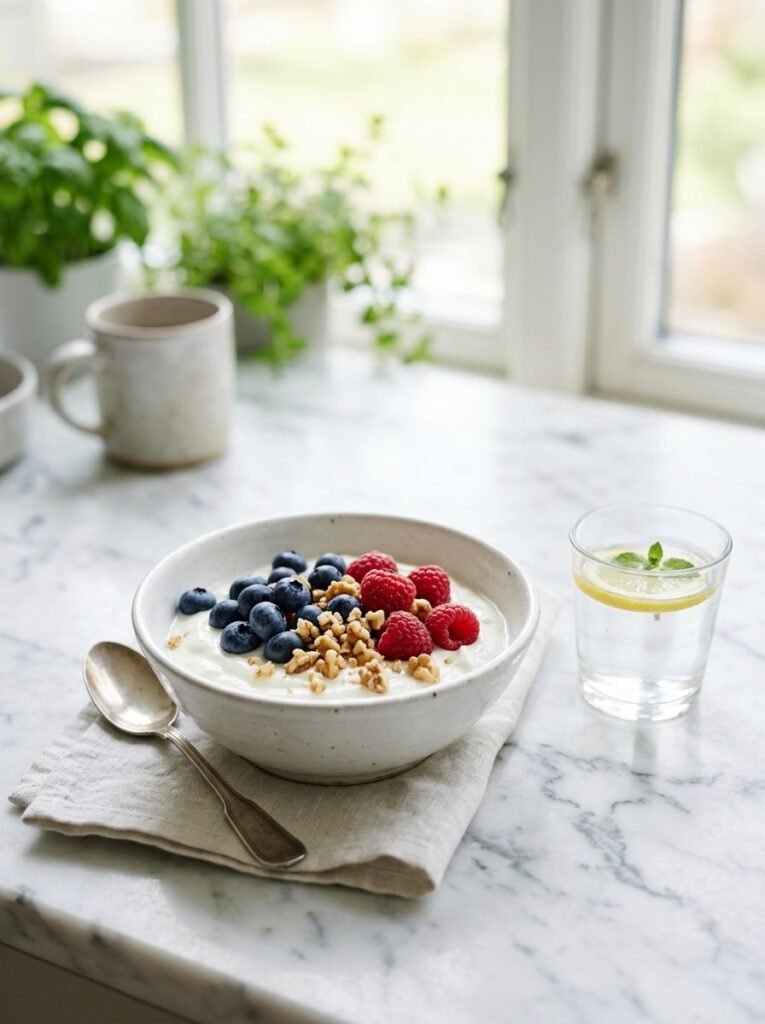
There’s no single perfect diet.
The best eating pattern is usually one you can maintain for months or years.
Focus on eating more of these foods:
Protein
- Chicken
- Fish
- Eggs
- Greek yogurt
- Beans
- Lentils
- Tofu
Protein helps keep you full and supports muscle.
Fiber-Rich Foods
- Vegetables
- Fruit
- Oats
- Beans
- Whole grains
Fiber can help you feel satisfied after meals.
Healthy Fats
- Nuts
- Seeds
- Avocado
- Olive oil
Healthy fats are still calorie-dense, so moderate portions are usually enough.
Foods You Don’t Have to Give Up

One of the biggest myths about weight loss is that certain foods are completely off-limits.
You can still enjoy:
- Pizza
- Chocolate
- Ice cream
- Burgers
- Pasta
The difference is frequency and portion size.
For example, having pizza once in a while doesn’t erase a week of healthy habits.
A sustainable routine leaves room for foods you enjoy.
How to Stay Consistent When Motivation Fades
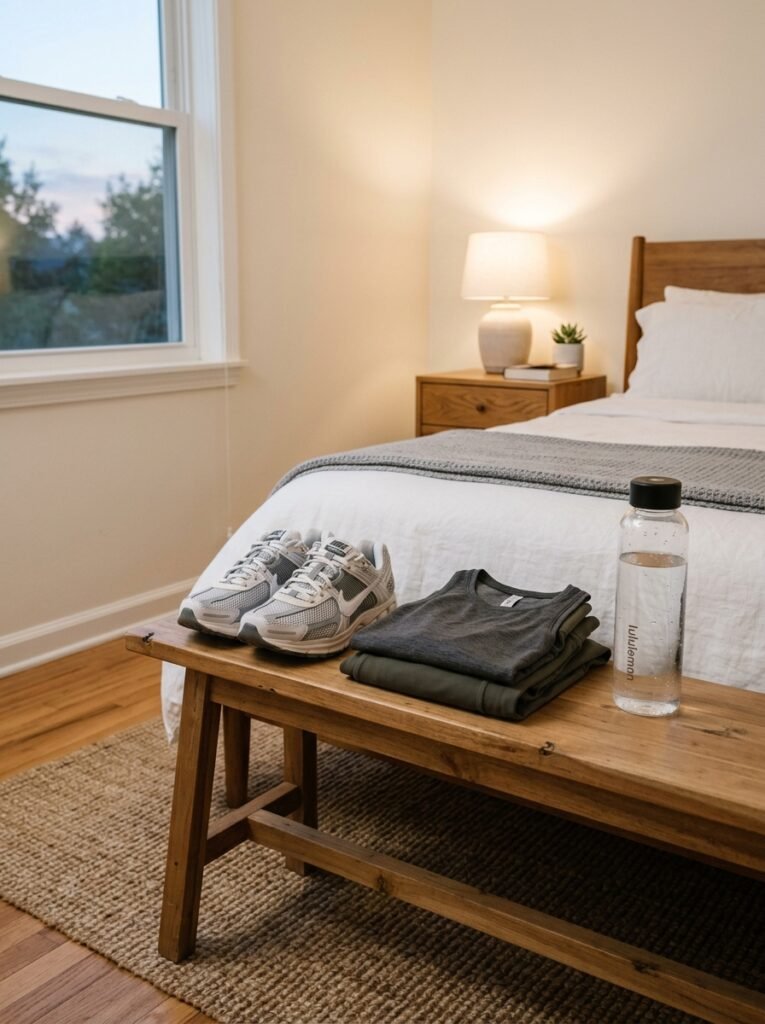
Motivation naturally comes and goes.
That’s why habits matter more than feeling inspired.
Here are a few strategies that work well for beginners.
Make the Healthy Choice Easy
Keep healthy foods where you can see them.
Put fruit on the counter.
Prepare vegetables ahead of time.
Keep walking shoes near the door.
Small changes reduce the amount of willpower you need.
Track Habits Instead of Just Weight
The scale doesn’t always move in a straight line.
Instead, keep track of things like:
- Days you walked.
- Strength workouts completed.
- Hours of sleep.
- Glasses of water.
- Fruits and vegetables eaten.
Seeing those wins can help keep you motivated.
Don’t Let One Bad Meal Become a Bad Week
Everyone has days when they eat more than planned.
The best thing you can do is return to your routine at the next meal.
You don’t need to skip breakfast the next day or spend hours exercising to “make up” for it.
Consistency beats compensation.
Common Beginner Mistakes to Avoid

Starting simple can save you a lot of frustration.
Trying to Lose Weight Too Fast
Rapid weight loss often requires habits that are difficult to maintain.
A slower, steadier approach is usually easier to stick with.
Eating Too Little
If you’re constantly hungry, your plan may be too restrictive.
Meals with protein, fiber, and healthy fats tend to be much more satisfying.
Doing Too Much Exercise
Jumping from no exercise to intense daily workouts often leads to soreness or burnout.
Start small and build gradually.
Weighing Yourself Too Often
Your weight naturally changes from day to day because of water, food, and other factors.
If daily weigh-ins make you anxious, try once or twice a week instead.
How to Measure Progress Beyond the Scale

Weight is only one way to track change.
You might also notice:
- Clothes fitting more comfortably.
- More energy during the day.
- Better sleep.
- Improved strength.
- Walking longer without getting tired.
- Healthier eating habits becoming automatic.
These improvements are worth celebrating too.
Your Beginner Daily Checklist
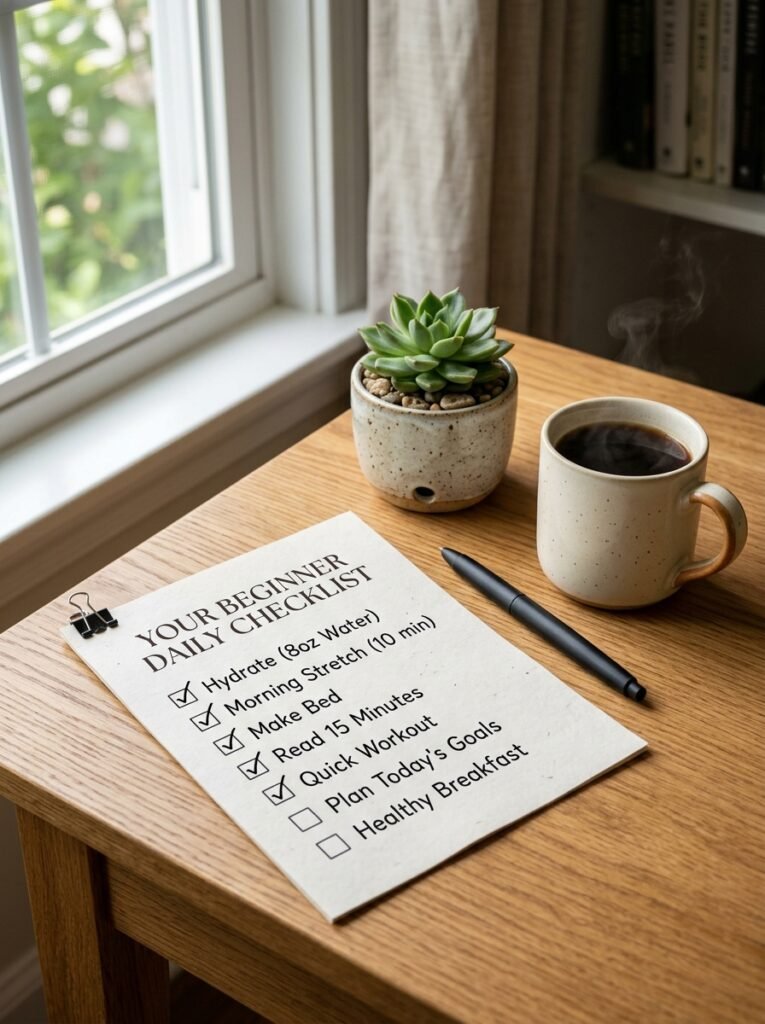
Use this as a simple guide.
- Drink water throughout the day.
- Eat a protein-rich breakfast.
- Include vegetables with lunch or dinner.
- Walk for at least 20 minutes.
- Eat a balanced dinner.
- Get 7-9 hours of sleep.
You don’t have to check every box every day.
If you complete most of them consistently, you’re building a strong foundation.
Daily Weight Loss Routine for Beginners: A Realistic 30-Day Goal
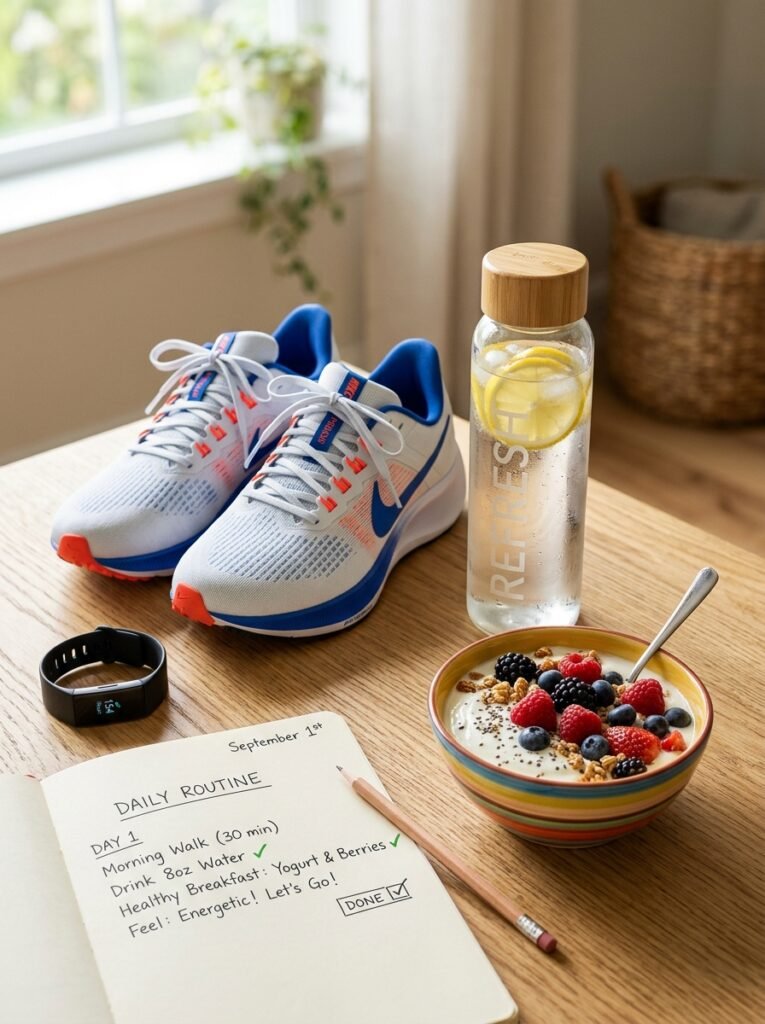
Instead of aiming to be perfect, focus on repeating the basics for one month.
Week 1
Focus on:
- Drinking more water.
- Walking 15-20 minutes each day.
- Eating protein with breakfast.
Week 2
Keep those habits.
Add:
- Vegetables with two meals.
- One beginner strength workout.
Week 3
Add:
- A second strength workout.
- Preparing healthy snacks ahead of time.
Week 4
Continue everything you’ve built.
By this point, many of the habits will already feel more natural than they did on day one.
That’s exactly what a good daily weight loss routine for beginners should do: help you build a lifestyle that doesn’t feel like you’re constantly on a diet.