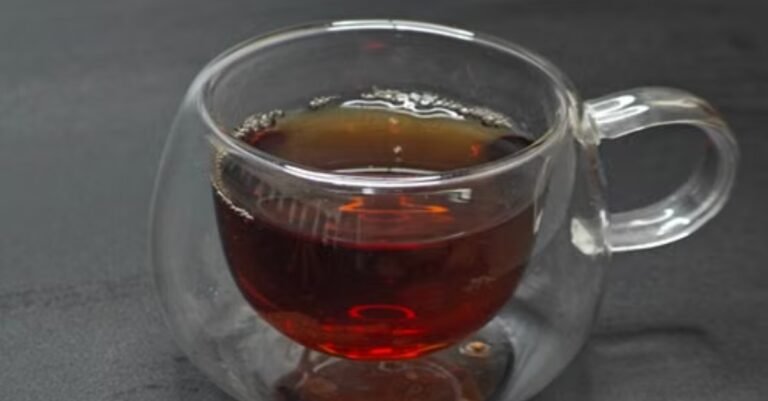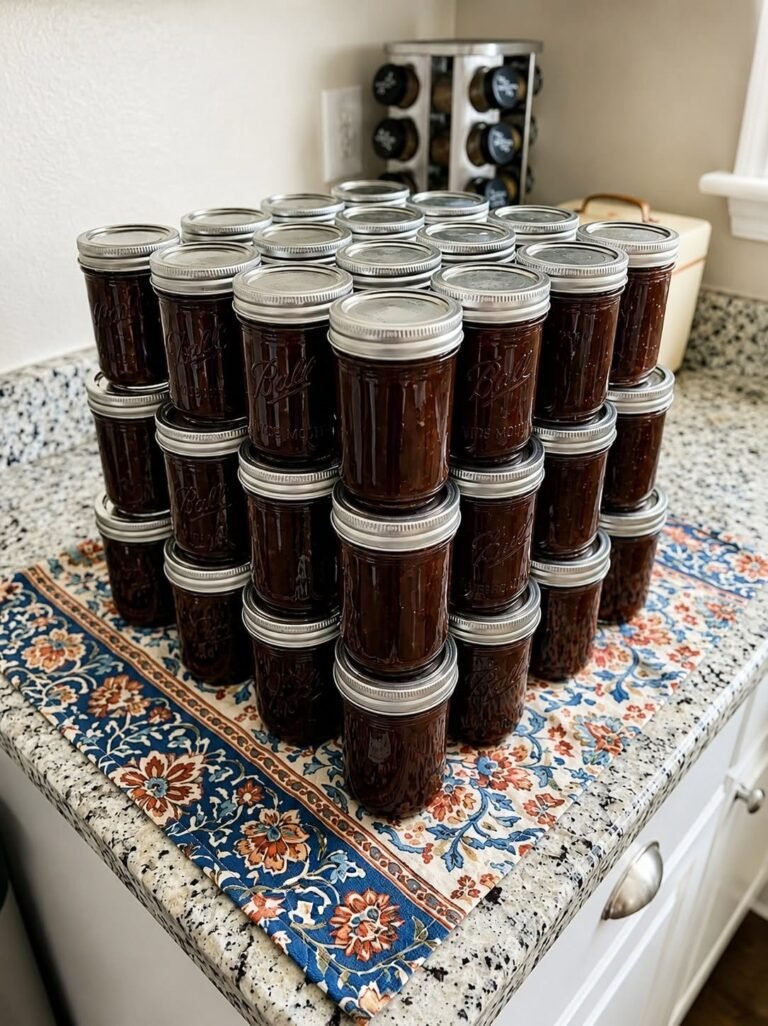

Sugar-Free Fig Leaf Syrup Recipe (Low-Carb & Keto Simple Syrup)
Description
Infused with notes of green coconut, vanilla, and toasted almond, this homemade fig leaf syrup offers an unexpected gourmet twist to everyday fitness cooking. Its glossy, honey-like consistency glazes foods beautifully without relying on refined sugar. By using a keto-friendly sweetener base, this syrup fits seamlessly into high protein meal prep, elevating low carb treats, shakes, and recovery snacks without compromising daily macro goals.
Can This Fig Leaf Syrup Support Weight Loss Goals?
This syrup supports fat loss by delivering rich botanical sweetness without the caloric density or insulin spikes linked to traditional cane sugar syrups. Because it relies on non-nutritive, zero-calorie sweeteners, it allows you to sweeten cottage cheese, Greek yogurt, or protein pancakes while preserving a calorie deficit. By making high-protein, lean staples taste like artisan desserts, it boosts dietary adherence—the single most critical factor in sustained weight loss.
Does Fig Leaf Syrup Fit a High-Protein Lifestyle?
Yes, this syrup fits cleanly into a high-protein lifestyle because it functions as a zero-carb, calorie-free vehicle designed specifically to sweeten protein-dense foundations. Made with allulose, filtered water, and fresh fig leaves, it provides negligible net carbs and won’t displace essential dietary protein targets. It pairs naturally with whey shakes, egg white bakes, and skyr, adding complex flavor to lean fuel sources without adding unwanted fats or starches.
My Personal Experience
-
Game-changer for plain Greek yogurt:
Drizzling just one tablespoon over tart, high-protein non-fat yogurt instantly cuts the sour bite and mimics a gourmet Mediterranean dessert. It makes hitting my daily 40-gram breakfast protein target feel luxurious rather than routine.
-
Flawless mix-in for unflavored whey isolate:
Stirring this botanical syrup into cold, unflavored protein shakes eliminates that chalky, artificial supplement aftertaste completely. It imparts a natural coconut-fig fragrance without adding gritty residue or clumping the powder.
-
Toasted leaves yield the deepest aroma:
Lightly charring the leaves in a dry skillet before simmering unlocked rich hazelnut undertones that made my protein waffles taste like an upscale bakery order. The depth of flavor completely disguised the cooling effect common to sugar-free sweeteners.
Perfect For:
-
High-Protein Breakfasts: Drizzle over protein pancakes, egg-white crepes, or chia seed protein pudding.
-
High-Protein Desserts: Glaze baked protein cheesecakes, low-carb mug cakes, or macro-friendly mug bakes.
-
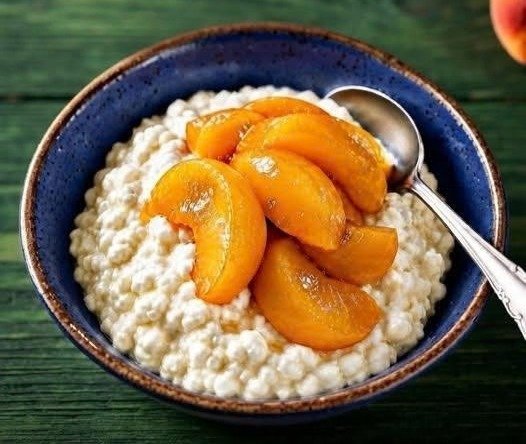
Low-Carb Snacks: Stir through cottage cheese bowls, keto seed crackers, or iced herbal teas.
-
Keto & Cutting Diet Plans: Flavor hydration drinks and post-workout amino acids without breaking nutritional ketosis.
Why You’ll Love This Recipe:
-
Complex, natural bakery notes:
Fig leaves release coumarin when heated, imparting an authentic toasted coconut and vanilla flavor without relying on artificial flavor drops. This lifts simple, low-calorie protein dishes into restaurant-quality snacks.
-
True zero-glycemic profile:
Crafted with an allulose or erythritol-monk fruit base, it will not disrupt blood glucose levels or derail a strict keto diet protocol. You get decadent sweetness while keeping your carbohydrate intake locked down.
-
Remarkably low calorie footprint:
At practically zero net calories per spoonful, it sweetens high-protein meal prep without requiring you to sacrifice calories needed for lean meats and essential fats. It allows maximum macro efficiency across your day.
Common Mistakes to Avoid:
-
Boiling over high heat: Rapid boiling degrades the volatile aromatic oils in the leaves, leaving behind a bitter, grassy taste instead of sweet coconut-vanilla.
-
Skipping the leaf rinse and dry: Fig leaves catch garden dust, and residual surface water throws off the liquid-to-sweetener ratio, which can dilute the final syrup viscosity.
-
Using granular erythritol without xanthan gum: Pure granular erythritol will re-crystallize in the fridge; pairing allulose or a pinch of xanthan gum ensures a smooth, pourable syrup consistency.
-
Over-reducing the syrup: Reducing the liquid too far makes it overly dense once refrigerated, resulting in a stiff paste rather than a fluid pour.
Required Equipment:
-
Chef’s knife and cutting board — Cleanly scores and bruises the leaves to rapidly release their aromatic oils.
-
Small stainless steel saucepan — Provides controlled, even heat distribution to simmer delicate botanicals without scorching.
-
Fine-mesh sieve — Catches all coarse leaf fragments and sediment to yield a crystalline, silky-smooth syrup.
-
Airtight glass bottle or Mason jar — Protects the infused botanical syrup from refrigerator odors and air exposure.
Storage Instructions:
-
Refrigerator: Cool completely and store in a sanitized, airtight glass jar for up to 3 weeks; shake well before pouring over cold protein dishes.
-
Freezer: Freeze in silicone ice cube trays for up to 6 months, then pop single 1-tablespoon cubes directly into blenders for high-protein fruit smoothies.
-
Preserving quality: Keep sealed away from strong aromatic foods (like cut onions or garlic) in the fridge, as the delicate coconut-vanilla profile absorbs surrounding odors easily.
Recipe Details
-
Preparation Time: 5 minutes
-
Cooking Time: 15 minutes
-
Steeping Time: 20 minutes
-
Total Time: 40 minutes
-
Servings: 16 (approx. 1 tablespoon / 15 ml each)
-
Best Season for This Recipe: Late Spring through Autumn (when fresh fig leaves are vibrant and lush)
-
Total Calories (Per Serving): ~2 calories (approximate estimate)
A vibrant, sugar-free botanical reduction capturing the natural coconut and vanilla aromatics of fresh fig foliage. This silky, zero-glycemic glaze effortlessly elevates plain high-protein staples into gourmet treats. It is an essential, macro-friendly kitchen staple for clean eating, keto prep, and fitness meal plans.
📝 Ingredients:
-
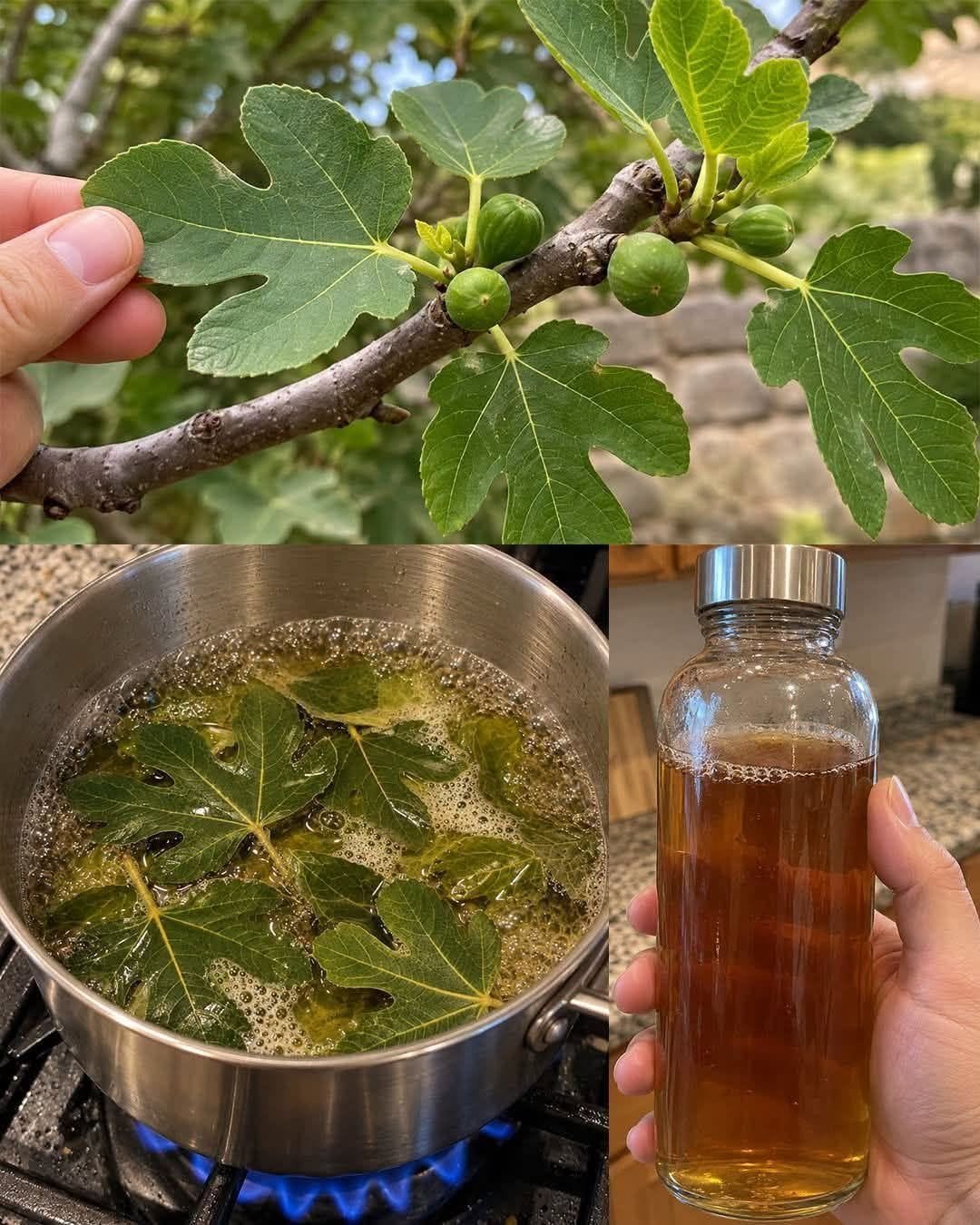
6 large fresh, green fig leaves (rinsed clean, thoroughly dried, and stems discarded; choose unblemished leaves free of pesticides)
-
1 cup (240 ml) filtered water
-
1 cup (190 g) granulated allulose (or an allulose-monk fruit blend; allulose resists recrystallization best)
-
1/8 teaspoon xanthan gum (optional, provides traditional maple/honey thickness)
-
1/2 teaspoon pure vanilla extract (optional, enhances the natural vanilla notes in the leaves)
Directions:
-
Prep and Bruise the Botanicals:
Pat the washed fig leaves completely dry with clean kitchen towels. Lightly crush and bruise the leaves with your hands or roll them with a rolling pin to rupture the leaf cells and release their natural milky aromatics.
-
Combine Base Ingredients (Low-Medium Heat):
Place the bruised leaves, filtered water, and granulated allulose into a small stainless steel saucepan over medium-low heat. Stir steadily with a silicone spatula until the sweetener dissolves completely, roughly 2–3 minutes.
-
Simmer and Infuse (Low Heat):
Reduce heat to low as soon as gentle bubbles break across the surface. Let the mixture simmer uncovered for 12–15 minutes, maintaining a gentle simmer without letting it roll into a rapid boil. The liquid will take on an amber-green hue and give off a warm coconut fragrance.
-
Thicken (High-Protein Cooking Cue):
If using xanthan gum for a thicker glaze to top high-protein pancakes, whisk it vigorously into the hot liquid to prevent clumping. Simmer for 1 additional minute until smoothly incorporated.
-
Steep, Strain, and Cool:
Remove the pan from the heat, stir in the vanilla extract, and let the leaves steep off-heat for 20 minutes to maximize flavor concentration. Pour the liquid through a fine-mesh sieve into a clean glass container, pressing gently on the leaves with the back of a spoon, and discard the solids. Cool to room temperature before chilling.
Nutrition Facts (Per Serving – Approximate):
-
Calories: 2 kcal
-
Fats: 0 g
-
Cholesterol: 0 mg
-
Sodium: 2 mg
-
Potassium: 8 mg
-
Total Carbohydrates: 12 g (primarily non-caloric, non-glycemic allulose)
-
Fiber: 0 g
-
Net Carbs: 0 g
-
Sugars: 0 g
-
Protein: 0 g
-
Calcium: 4 mg
Notes:
-
Flavor Boost: Toast dry fig leaves in a clean, hot skillet for 30 seconds on each side before adding liquid; this caramelizes their compounds and boosts nutty, baked-pastry flavors.
-
Reheating Instructions: If the syrup thickens excessively when cold, microwave your serving for 5–8 seconds or set the glass jar in a warm water bath to return it to a fluid drizzle.
-
Allergy Note: Fig trees produce a white latex sap that can cause mild skin irritation for sensitive individuals; wear kitchen gloves when washing, destemming, and bruising raw leaves.
-
Macro Pairing Tip: Combine 2 tablespoons of syrup with 1 scoop of vanilla whey protein and 2 tablespoons of almond milk to create a quick, low-carb glaze for baked keto goods.