
Old-Fashioned Appalachian Fermented Cabbage (Low-Carb Gut Health Staple)
Description
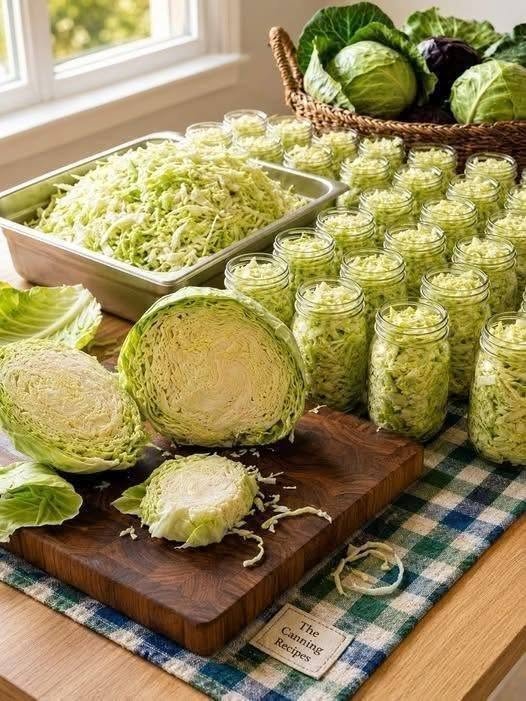
Crisp, deeply tangy, and infused with the rustic heritage of mountain homesteads, this Appalachian Aged Sauerkraut brings old-world fermentation straight to your table. Naturally low-carb and probiotic-rich, every crunchy forkful delivers a sharp, complex sourness that effortlessly cuts through richness. It serves as the ultimate savory counterpoint to tender, high-protein meats like smoked sausage, pan-seared pork chops, or shredded roast chicken. Fermented simply with garden-fresh cabbage, pure salt, and wild Appalachian spices, this pantry hero transforms everyday low-carb eating into an intensely flavorful, nourishing ritual.
Can This Appalachian Aged Sauerkraut Support Weight Loss Goals?
Appalachian Aged Sauerkraut supports weight management by providing exceptional flavor and bulk with minimal caloric impact. Its fiber content promotes sustained fullness, while the organic acids produced during fermentation slow gastric emptying and reduce cravings. When used as a generous, tangy base or topping for lean protein sources, it adds volume and moisture to meals without requiring heavy, calorie-dense sauces or added sugars.
Does Appalachian Aged Sauerkraut Fit a High-Protein Lifestyle?
Appalachian aged sauerkraut fits cleanly into a high-protein lifestyle because it supplies practically zero net carbs while actively assisting protein digestion through raw enzymes and organic acids. Made solely from fresh cabbage, unrefined salt, and optional aromatic seeds, it contains no hidden fillers or sugars. Pairing a generous scoop alongside grilled steaks, roasted chicken breasts, or ground beef keeps carbohydrate counts negligible while boosting micro-nutrition and culinary satisfaction. It serves as an essential companion for keto, carnivore-adjacent, or high-protein macro trackers alike.
My Personal Experience
-
Fermenting in stoneware crocks:
Aging this cabbage in an earthenware crock kept in a cool cellar yields a crunch that supermarket varieties never match. The steady, low temperature produces a mellow, wine-like sourness over four weeks without turning the cabbage soft.
-
Tossing with hot skillet sausage:
Warming a few spoonfuls directly in the rendered drippings of seared smoked bratwurst creates the fastest high-protein dinner imaginable. The brine deglazes the pan instantly, leaving a rich, savory glaze that requires zero extra seasonings.
-
Fine shredding for uniform brine release:
Slicing the cabbage paper-thin with a mandoline allows the salt to pull moisture out within fifteen minutes of light kneading. This ensures the leaves stay entirely submerged, preventing spoilage without needing to add extra water.
Perfect For:
-
High-protein skillet dinners alongside seared sausages, ribs, or pork tenderloin
-
Low-carb meal prep bowls featuring shredded chicken, avocado, and soft-boiled eggs
-
Tangy high-protein keto snacks rolled inside sliced roast beef or pastrami
-
Keto diet plan dinner sides to replace starchy potatoes and grains
-
Low-carb barbecue platters as a natural acid palate cleanser
Why You’ll Love This Recipe:
-
Effortless gut-friendly meal enhancement:
Raw fermentation creates live, active cultures that support gut efficiency and smooth out dense, meat-heavy meals. A single serving brightens everyday macros with sharp tang and zero processed ingredients.
-
Bulletproof two-ingredient foundation:
Requiring only whole green cabbage and canning salt, this recipe relies on time-tested Appalachian preservation rather than synthetic starters. Anyone can master it on a modest grocery budget with basic kitchen equipment.
-
Remarkable long-term shelf stability:
Once aged to your preferred acidity, it keeps under refrigeration for months without losing its distinctive snap. You always have a ready-to-eat, fiber-rich side dish on hand for quick lunches.
Common Mistakes to Avoid:
-
Using iodized table salt: Anti-caking agents and iodine inhibit beneficial lactic acid bacteria and can turn the ferment cloudy or discolored; stick to pure sea salt or pickling salt.
-
Allowing cabbage to float above the brine: Any shreds exposed to oxygen invite mold and wild yeast; keep everything weighted down under liquid at all times.
-
Fermenting in an excessively warm room: Temperatures above 24°C (75°F) speed up fermentation too fast, resulting in mushy cabbage and an unpleasantly pungent, yeasty aroma.
-
Rinsing or cooking the aged kraut with high heat: Boiling the finished sauerkraut kills the delicate probiotics and destroys its trademark crunch; serve it raw or fold in off the heat.
Required Equipment:
-
Half-gallon glass mason jar or ceramic crock: Provides an inert, non-reactive vessel to hold acidic brine without leaching off-flavors.
-
Fermentation glass weight: Holds shredded cabbage firmly below the brine line to prevent oxygen exposure and surface mold.
-
Airlock lid or loose fermenting cap: Allows carbon dioxide bubbles to escape freely while blocking airborne wild contaminants and fruit flies.
-
Sharp chef’s knife or mandoline slicer: Ensures uniform, paper-thin shreds that release moisture rapidly during salting.
-
Large stainless steel or wooden mixing bowl: Offers ample room for vigorous hands-on bruising and salting without reactive metal interference.
Storage Instructions:
Once fermentation reaches your preferred sourness, seal the jar with a standard airtight lid and transfer it directly to the refrigerator. Kept fully submerged in its own brine, Appalachian aged sauerkraut remains crisp and potent for up to 6 months at 2°C to 4°C (36°F to 40°F). Avoid freezing raw sauerkraut, as ice crystal expansion ruptures cell walls, turning the crisp ribbons unpleasantly limp and diminishing live probiotic viability.
Recipe Details
-
Preparation Time: 25 minutes
-
Fermentation / Aging Time: 21 to 28 days (unattended)
-
Total Time: ~28 days
-
Servings: 16 (approx. 1/2 cup per serving)
-
Best Season for This Recipe: Fall & Winter (ideal for cool ambient cellar fermentation)
-
Total Calories (Per Serving): 17 kcal (approximate estimate)
Traditional Appalachian aged sauerkraut relies on slow fermentation to transform crisp garden cabbage into a complex, probiotic-rich condiment. A firm crunch and a sharp, refreshing sourness bring balance to any savory, meat-forward meal. It is an unpretentious, heritage staple that delivers massive flavor with zero prep once aged.
📝 Ingredients:
-
1 large green cabbage (~1.8 kg / 4 lbs), outer damaged leaves reserved and remaining head cored and finely shredded (Note: select dense, heavy heads for optimal water content)
-
2 tablespoons non-iodized pickling salt (or pure unrefined sea salt; approx. 36g to achieve a ~2% salinity ratio)
-
1 teaspoon whole caraway seeds (Note: classic Appalachian mountain addition; optional but traditional)
-
1/2 teaspoon whole black peppercorns (Note: slightly crushed to release essential oils)
-
2 dried bay leaves
Directions:
-
Prep & Clean: Wash hands, surfaces, and jars thoroughly with hot, soapy water. Reserve 1–2 large, clean outer leaves of cabbage; finely shred the remaining head into 2–3 mm ribbons using a sharp knife or mandoline.
-
Salt & Massage (Zero Heat): Place the shredded cabbage in a large non-reactive bowl, sprinkle the pickling salt evenly across the ribbons, and fold in the caraway seeds and peppercorns. Massage and crush the cabbage vigorously with clean hands for 8 to 12 minutes. The cabbage will turn translucent, limp, and release a generous pool of natural brine at the bottom of the bowl.
-
Pack the Vessel: Transfer the cabbage into a clean half-gallon jar in small layers, pressing firmly downward with your fist or a wooden tamper after every handful to eliminate air pockets. Pour all remaining brine from the bowl over the cabbage until liquid rises 2.5 cm (1 inch) above the vegetables.
-
Submerge & Seal: Tuck the reserved whole cabbage leaves over the top of the shreds to create a blanket, then place a clean glass fermentation weight directly on top so all solids stay completely below the liquid. Wipe the rim clean and seal with an airlock lid.
-
Aging Phase (Cool Ambient Temp): Place the jar in a cool, dark location away from direct sunlight (ideally 15°C to 18°C / 60°F to 65°F). Allow to age for 21 to 28 days. Check weekly: fine carbonation bubbles will rise, the liquid will turn slightly cloudy, and the cabbage will deepen from bright green to a pale, golden-straw hue.
-
Serve with High-Protein Mains: Taste at day 21 using a clean wooden fork; once tart, crisp, and robust, store in the fridge. For a high-protein dish, pan-sear uncured sausages, pork chops, or shredded chicken, pull the pan off the heat to preserve live cultures, and fold in 1/2 cup of raw kraut to warm gently via residual pan heat.
Nutrition Facts (Per Serving – Approximate):
-
Calories: 17 kcal
-
Fats: 0.1 g
-
Cholesterol: 0 mg
-
Sodium: 420 mg
-
Potassium: 145 mg
-
Total Carbohydrates: 3.8 g
-
Fiber: 1.9 g
-
Net Carbs: 1.9 g
-
Sugars: 1.4 g
-
Protein: 0.8 g
-
Calcium: 30 mg
Notes:
-
Storage: Keep submerged beneath brine in an airtight glass container in the coldest section of your refrigerator.
-
Reheating: Avoid boiling or microwaving; if serving warm alongside sausages or bacon, fold it in during the final 30 seconds of cooking off active burners to preserve probiotic cultures and crunch.
-
Allergy Information: Naturally gluten-free, dairy-free, nut-free, and vegan; check that pre-packaged whole spices do not carry allergen cross-contamination warnings.
-
Flavor Boosts: Add 1 thinly sliced tart green apple during prep for a slightly sweeter mountain profile, or add 1 teaspoon of mustard seeds along with the caraway.