
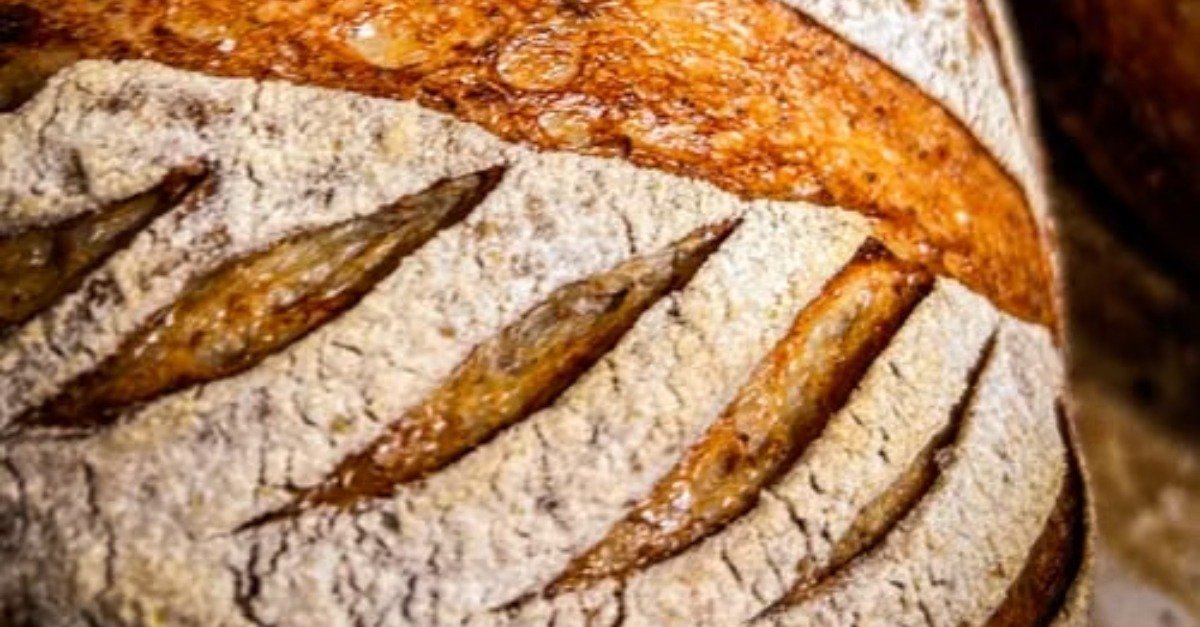
Homemade Artisan Sourdough Batard: High-Hydration Crusty Loaf
Description
Nothing beats the crackle of a fresh, blistered crust giving way to an open, pillowy crumb laced with that signature wild tangy flavor. This artisan sourdough batard balances time-tested wild fermentation with high-protein bread flour, yielding complex flavor and better structural satiety than commercial white loaves. It fits cleanly alongside nutrient-dense, high-protein meal plans and mindful lower-carb eating styles when portioned strategically for wholesome fuel.
Can This Artisan Sourdough Bread Support Weight Loss Goals?
Yes, when eaten mindfully within your calorie target. Traditional long wild fermentation partially degrades starches and produces organic acids that lower the bread’s glycemic impact compared to standard store-bought loaves. Pairing a slice with lean turkey, eggs, or cottage cheese creates high protein balance that curbs blood sugar spikes, prolongs satiety, and helps prevent midday snacking slumps without sacrificing real bread.
Does Artisan Sourdough Bread Fit a High Protein Lifestyle?
Using unbleached high-protein bread flour (typically 12.7% to 14% protein) naturally elevates the amino acid content to roughly 5g to 6g per thick slice. While standard wheat bread contains moderate carbs (~24g net carbs per slice), sourdough acts as an optimal complex-carbohydrate carrier for clean proteins like smoked salmon, egg whites, and grilled chicken breast. It provides sustained glycogen replenishment for active lifters without relying on processed isolate powders or artificial fillers.
My Personal Experience
-
Predictable Oval Shaping:
The batard shape browns far more evenly in standard oval Dutch ovens than a round boule, guaranteeing blistered ear development every single bake.
-
Long Cold Retard:
Extending the final proof overnight in the fridge intensified the sour tang while making the dough firm enough to score sharp decorative designs effortlessly.
-
High-Hydration Handling:
Switching from aggressive kneading to gentle coil folds preserved air pockets without tearing the delicate gluten mesh I built during bulk fermentation.
Perfect For:
-
High protein breakfast toasts (topped with smashed avocado, poached eggs, and hemp hearts).
-
Post-workout complex carbohydrate refueling alongside grilled flank steak or chicken.
-
High protein snack bases like whipped Greek yogurt, cottage cheese, or tuna tartare.
-
Mindful lower-carb meal planning where single thick slices replace empty refined grains.
Why You’ll Love This Recipe:
-
Superior Crumb Structure:
High-protein flour creates robust gluten walls that hold pockets of steam for a custardy, open texture.
-
Naturally Easier Digestion:
The 24-hour fermentation breaks down gluten proteins and anti-nutrients like phytic acid for reduced digestive bloat.
-
Pantry-Staple Simplicity:
You need only flour, water, active starter, and salt to yield bakery-grade loaves with zero commercial dough conditioners.
Common Mistakes to Avoid:
-
Using a Weak Starter: Baking before your starter doubles or triples reliably results in a dense, gummy brick.
-
Over-Proofing During Bulk: Letting dough expand beyond 50% to 75% volume in a warm room causes structural collapse during baking.
-
Slicing While Warm: Cutting the loaf fresh out of the oven releases internal steam, turning the center gummy instead of custardy.
-
Skipping the Steam Stage: Baking uncovered from the start sets the crust too quickly, trapping steam and flattening your loaf.
Required Equipment:
-
Cast Iron Dutch Oven (Oval or Round): Traps steam effectively to create a crispy, blistered crust and dramatic oven spring.
-
Oval Banneton (Proofing Basket): Holds the batard shape securely while drawing moisture from the outer skin for clean scoring.
-
Baker’s Lame (Razor Blade): Delivers clean, deliberate slashes at an angle to produce an artisan jagged “ear.”
-
Digital Kitchen Scale: Ensures exact baker’s percentages and hydration ratios for consistent crumb quality.
Storage Instructions:
Store uncut loaf at room temperature cut-side down on a wooden board or in a breathable linen bag for up to 4 days. For longer storage, slice the cooled loaf completely, separate slices with parchment, and freeze in an airtight container for up to 3 months; toast directly from frozen to serve alongside your high-protein scrambles. Avoid the refrigerator entirely, as cool airflow accelerates starch retrogradation and stales the bread quickly.
Recipe Details
-
Preparation Time: 30 minutes active (plus 18–24 hours resting/fermenting)
-
Cooking Time: 45 minutes
-
Total Time: 24 hours
-
Servings: 12 slices
-
Best Season for This Recipe: All-season
-
Total Calories (Per Serving): Approximately 145 kcal
Short Description
This classic sourdough batard features a crackling crust, an airy interior, and a deep tangy finish developed through slow cold fermentation. Built on protein-rich flour and natural wild yeast, it is designed for slicing thick and building nutrient-dense meals. Minimal ingredients, authentic technique, and reliable bakery-level results at home.
📝 Ingredients:
-
Unbleached Bread Flour (12.7%+ protein): 450g (High protein content is essential for strong gluten development).
-
Whole Wheat Flour: 50g (Adds earthy depth and enzymatic fuel for wild yeast).
-
Warm Water (78°F / 25°C): 365g (Yields approximately 73% hydration).
-
Active Sourdough Starter (100% hydration): 100g (Fed within 4–6 hours; bubbly and buoyant in water).
-
Fine Sea Salt: 10g (Regulates yeast activity and tightens gluten strands).
-
Rice Flour: 20g (For dusting the banneton; prevents dough from sticking without burning).
Directions:
-
Autolyse: In a large bowl, whisk 450g bread flour and 50g whole wheat flour with 350g water (reserve 15g) until no dry patches remain. Cover and let rest at room temperature (75°F / 24°C) for 45 minutes to hydrate flour proteins naturally.
-
Incorporate Starter & Salt: Spread 100g active sourdough starter across the dough; work in with wet fingers using gentle pinch-and-fold motions. Dissolve 10g sea salt in the reserved 15g warm water, pour over dough, and fold for 3 minutes until smooth and tacky.
-
Bulk Fermentation & Stretch-and-Folds: Keep dough warm (78°F / 26°C). Over the first 2 hours, perform 4 sets of stretch-and-folds spaced 30 minutes apart; pull edges upward and fold over the center, rotating the bowl 90 degrees each time until resistance builds.
-
Rest & Pre-Shape: Let dough rest undisturbed for 2 to 3 hours until it increases ~50% in volume, shows aerated dome edges, and jiggles slightly. Tip onto an un-floured bench, gently pull into a round, and rest uncovered for 20 minutes to relax gluten.
-
Batard Shaping: Lightly dust top with flour, flip sticky-side up, stretch into an oval, fold bottom third up, fold left and right sides over center, then roll downward into a tight cylinder, using your bench knife to build surface tension.
-
Cold Proofing: Dust your banneton with rice flour; transfer shaped dough seam-side up. Seal inside a plastic bag and chill in the refrigerator at 38°F (3°C) for 14 to 18 hours for complex acid synthesis and clean scoring.
-
Bake with Steam: Preheat oven and Dutch oven to 500°F (260°C) for 60 minutes. Invert cold dough onto parchment, slash 1/4-inch deep lengthwise at a 30-degree angle with a lame, load into Dutch oven, drop heat to 450°F (232°C), cover, and bake for 20 minutes.
-
Uncover & Finish: Remove Dutch oven lid, lower heat to 425°F (218°C), and bake uncovered for 20 to 25 minutes until deep mahogany-brown and internal temperature registers 208°F–210°F (98°C–99°C). Cool on a wire rack for at least 2 hours before slicing.
Nutrition Facts (Per Serving – Approximate):
-
Calories: 145 kcal
-
Fats: 0.6g
-
Cholesterol: 0mg
-
Sodium: 325mg
-
Potassium: 72mg
-
Total Carbohydrates: 29g
-
Fiber: 2g
-
Net Carbs: 27g
-
Sugars: 0.3g
-
Protein: 5.5g
-
Calcium: 12mg
Notes:
-
Allergy Info: Contains wheat and gluten; naturally dairy-free, egg-free, soy-free, and vegan.
-
Reheating: Refresh stale slices by misting lightly with water and heating in a 375°F (190°C) toaster oven for 4 minutes to restore crust snap.
-
Protein Boost: Toast and top with 150g low-fat cottage cheese, microgreens, and coarse pepper to hit 20g+ clean protein for breakfast.
-
Flavor Variations: Fold 10g chopped fresh rosemary and 2g cracked black pepper into the dough during the second fold step for savory herbaceous notes.
Frequently Asked Questions:
-
How do I know my starter is ready to bake? Your starter is ready when it has at least doubled in volume within 4 to 6 hours of feeding and floats in a glass of water.
-
Can I bake this sourdough without a Dutch oven? Yes, bake on a preheated baking steel or stone with an inverted roasting pan or lava-rock steam tray placed underneath to trap moisture.
-
Why did my loaf turn out flat instead of rising high? A flat loaf typically points to over-proofed dough, insufficient shaping tension, or an underactive sourdough starter.
-
How long must I wait before slicing the bread? Allow the batard to cool completely on a wire rack for at least 2 hours so internal steam sets the crumb structure.
-
Can I make this entirely with whole wheat flour? Replacing all bread flour with whole wheat requires roughly 10% more water and produces a denser, less open crumb due to bran cutting gluten strands.