
Fluffy Overnight Sourdough Pita Bread (High-Protein Pocket Friendly)
Description
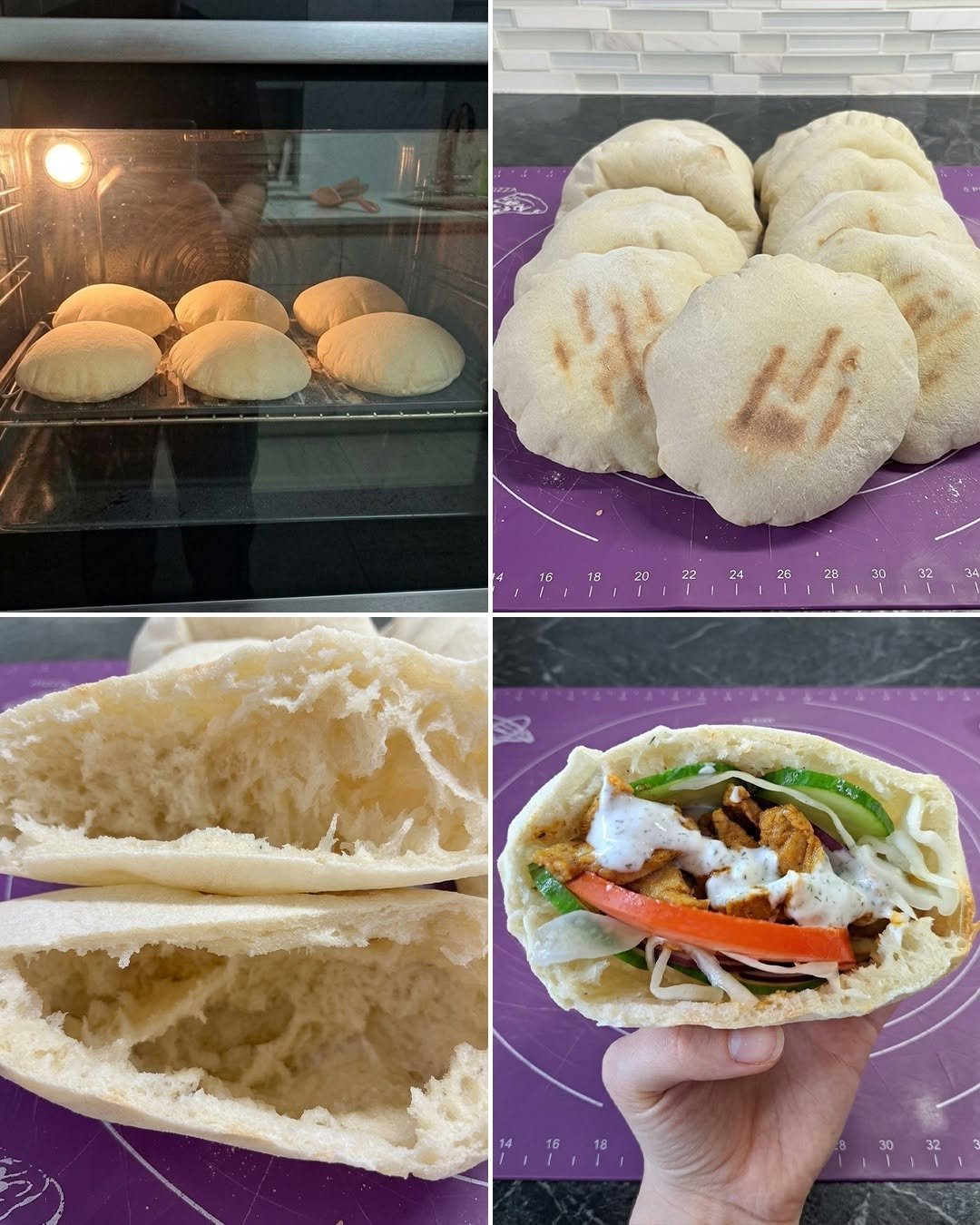
There is nothing quite like pulling a ballooned, blistered flatbread off the heat to reveal a pillowy pocket ready to hold your favorite savory fillings. This overnight sourdough pita combines the complex, tangy depth of a slow fermentation with an enriched flour blend designed to support high protein meal prep while keeping net impact mindful for a healthier, lower-carb approach than standard bakery bread. The crust develops crisp, charred bubbles on the outside while staying tender and chewy within. It proves you do not have to sacrifice artisan flavor or gut-friendly fermentation when fueling your body with purposeful nutrition.
Can This Sourdough Pita Bread Support Weight Loss Goals?
This sourdough pita fits comfortably into weight management plans because the long overnight fermentation lowers the glycemic response of the grains, preventing sharp blood sugar spikes and crashes. Enhanced with unflavored vital wheat gluten to boost natural plant proteins and fiber, each pocket increases satiety, keeping you full for hours after meals. Replacing empty, refined store-bought wraps with a nutrient-dense, filling fermented flatbread curbs overeating while supporting lean muscle maintenance.
Does Sourdough Pita Bread Fit a High-Protein Lifestyle?
Yes, this pita is formulated to be a strong foundation for any high-protein nutrition plan. By fortifying traditional bread flour with vital wheat gluten and a high-hydration sourdough starter, each pocket delivers roughly 9 grams of protein before any fillings are added. With approximately 24 grams of net carbs, it provides sustained energy for workouts rather than rapid glucose spikes. Stuffed with grilled chicken, eggs, or Greek yogurt dips, it seamlessly aligns with high-protein and moderate-carb goals.
My Personal Experience
-
Effortless Pocket Inflation
Letting the dough rest on a blistering cast-iron skillet reliably triggered a rapid puff every single time without tearing the thin walls.
-
Overnight Fermentation Flavor Boost
The long chill in the fridge mellowed the yeast notes into a distinct, mouthwatering sourdough tang that complemented grilled meats beautifully.
-
Durable Pocket Walls
Unlike grocery-store flatbreads that tear immediately, these held dense scoops of chicken salad and tzatziki without leaking or turning soggy.
Perfect For:
-
High-protein lunches: Stuffed with grilled flank steak, lemon-herb chicken breast, or seasoned tofu slices.
-
High-protein breakfast sandwiches: Filled with scrambled eggs, turkey bacon, and a smear of cottage cheese spread.
-
Post-workout fuel: Paired with high-protein Greek yogurt dips, roasted chickpeas, and lean deli turkey.
-
Low-carb meal prep hacks: Used as a controlled single-serving alternative to heavy baguettes or thick burger buns.
Why You’ll Love This Recipe:
-
Natural Fermentation Benefits
Slow overnight proofing breaks down complex starches and gluten, resulting in a flatbread that is gentler on digestion.
-
Protein-Enhanced Structure
The addition of vital wheat gluten adds structural elasticity for huge pockets while naturally boosting the overall protein count.
-
Minimal Active Hands-On Work
The refrigerator does the heavy lifting overnight, eliminating tedious multi-stage daytime kneading schedules.
-
Freezer-Friendly Meal Prep
Bakes hold up exceptionally well to freezing, popping directly into the toaster to taste freshly baked on busy mornings.
Common Mistakes to Avoid:
-
Rolling the Dough Too Thin or Unevenly: Pinching the edges paper-thin prevents steam from separating the layers evenly, creating flatbread instead of hollow pockets.
-
Using a Cold Cooking Surface: If your skillet or baking stone is below 230°C (450°F), the moisture will evaporate slowly instead of flashing into the rapid steam needed for ballooning.
-
Over-Flouring During Shaping: Excess raw flour on the dough surface burns immediately on hot cast iron, causing an acrid, bitter crust.
-
Skipping the Bench Rest Before Rolling: Rolling cold, tense dough right from the fridge causes it to spring back tightly, tearing the fragile gluten matrix.
Required Equipment:
-
Heavy Cast-Iron Skillet (or Baking Steel): Retains intense, radiant heat to flash moisture into instant pocket-inflating steam.
-
Straight Rolling Pin: Ensures uniform, flat discs without creating uneven ridges that trap steam pockets.
-
Bench Knife/Dough Scraper: Portions sticky sourdough cleanly without pulling or tearing developed gluten strands.
-
Clean Kitchen Towels: Traps residual steam around hot, baked pitas to keep the crust soft and pliable.
Storage Instructions:
Cool the pitas completely on a wire rack before packaging to avoid condensation. Store them in an airtight silicone bag or container at room temperature for up to 3 days, or refrigerate for up to 6 days to preserve the sourdough flavor. For long-term high-protein prep, freeze pitas in a single layer separated by parchment paper inside a freezer-safe zip bag for up to 3 months; reheat directly from frozen in a hot toaster or dry skillet for 60 seconds.
Recipe Details
-
Preparation Time: 25 minutes (plus overnight chill)
-
Cooking Time: 15 minutes
-
Total Time: 12 hours 40 minutes
-
Servings: 6 pitas
-
Best Season for This Recipe: All-season
-
Total Calories (Per Serving): ~165 kcal (approximate estimate)
Short Description
This overnight sourdough pita bread pairs tangy slow-fermented dough with extra plant protein to yield ultra-pliable, hollow pockets. Perfect for health-conscious meal preppers, each flatbread balloons on a hot skillet in two minutes flat. Load them up with lean proteins and vibrant greens for an energizing, macro-friendly meal.
📝 Ingredients:
-
Active Sourdough Starter: 100g (fed at 100% hydration, active and bubbly)
-
Warm Water: 140ml (around 30°C / 86°F; unchlorinated)
-
Unbleached Bread Flour: 190g (provides base structure; swap up to 30g with whole wheat if preferred)
-
Vital Wheat Gluten: 25g (boosts protein density and elasticity for clean hollow pockets)
-
Extra Virgin Olive Oil: 10g / ~2 tsp (softens crumb and improves rollability)
-
Fine Sea Salt: 5g / ~1 tsp
Directions:
-
Mix the Dough (Low Heat / Room Temp): In a medium mixing bowl, whisk together warm water, active sourdough starter, and olive oil until milky. Stir in bread flour, vital wheat gluten, and sea salt with a wooden spoon or spatula until a shaggy, cohesive dough forms with no dry flour remaining.
-
Knead to Develop Gluten: Turn dough onto an unfloured work surface and knead by hand for 6–8 minutes until smooth, tacky, and supple. High-protein tip: The added gluten absorbs water quickly, so keep your hands lightly dampened rather than adding extra flour.
-
Bulk Ferment & Chill: Shape the dough into a smooth ball, place into a lightly oiled bowl, and cover tightly. Let rest at warm room temperature (22–24°C / 72–75°F) for 2 to 3 hours until slightly puffed, then transfer to the refrigerator overnight (10–14 hours) for a slow fermentation.
-
Divide and Rest: The next day, turn the cold dough onto a lightly floured surface. Using a bench knife, divide into 6 equal portions (roughly 60–62g each). Cup your palm over each piece and roll against the board to form taut rounds. Cover with a damp towel and rest for 30 minutes at room temperature to relax the gluten.
-
Roll Even Discs: Lightly flour your rolling pin and surface. Roll each ball into a circular disc roughly 15 cm (6 inches) across and 5 mm (1/4 inch) thick. Ensure the thickness is even across the center and edges to ensure an uninterrupted steam pocket.
-
Bake on High Heat (Medium-High Heat, 230°C / 450°F): Preheat a dry, heavy cast-iron skillet over medium-high heat until faintly smoking. Lay one pita disc flat onto the hot pan. Cook for 30 seconds until tiny micro-bubbles appear, then flip using a spatula.
-
Puff to Completion: Cook the second side for 60 to 90 seconds; the pita should rapidly inflate like a balloon. Flip once more for 20 seconds to toast both sides with light golden-brown blister spots.
-
Steam Soften: Transfer the puffed pita immediately into a bread basket or plate lined with a clean kitchen towel, wrapping it tightly. The trapped steam softens the exterior crust so it folds and opens easily without cracking. Repeat with remaining dough discs.
Nutrition Facts (Per Serving – Approximate):
-
Calories: 165 kcal
-
Fats: 2.2 g
-
Cholesterol: 0 mg
-
Sodium: 205 mg
-
Potassium: 75 mg
-
Total Carbohydrates: 27 g
-
Fiber: 3 g
-
Net Carbs: 24 g
-
Sugars: 0.5 g
-
Protein: 9.2 g
-
Calcium: 18 mg
Notes:
-
Storage & Reheating: Store in a zip-top bag with the air pressed out. To reheat, sprinkle with a few drops of water and toast in a dry skillet for 45 seconds or microwave for 12 seconds wrapped in a damp paper towel.
-
Allergy Information: Contains wheat and gluten. Not suitable for individuals with celiac disease or severe gluten intolerance.
-
Flavor Boosts: Knead 1 teaspoon of dried za’atar, garlic powder, or cracked black pepper into the dough during Step 1 for a savory profile that pairs nicely with roasted meats.