 ByYara
Easy Refrigerator Bread and Butter Pickles (No Canning Required)
Description
These homemade bread and butter pickles are the perfect balance of sweet, tangy, and crunchy, delivering that classic deli-style flavor without the sugar rush. Made with crisp cucumbers, thinly sliced onions, and a warm blend of mustard and celery seeds, this low-carb version uses a keto-approved sweetener to keep things guilt-free. Whether you’re looking for a high-protein snack to pair with your favorite meats or simply need a low-carb recipe to brighten up your meals, these pickles are a versatile, flavorful addition to your kitchen. They are incredibly easy to make and require no canning, making them a perfect high-protein, low-carb recipe for anyone seeking a healthier lifestyle.
Can Bread and Butter Pickles Support Weight Loss Goals?
Yes, these pickles can support weight loss goals by offering a low-calorie, high-flavor option that satisfies cravings without derailing your diet. With virtually no fat and minimal carbs (especially when using a sugar substitute), they provide a crunchy, savory snack that can help keep you full between meals, making them a smart choice for high-protein meal planning and portion control.
Does This Recipe Fit a High-Protein Lifestyle?
Absolutely! While the pickles themselves are not a protein source, they are the perfect low-carb, high-protein companion. With only about 3g of net carbs per serving, they fit seamlessly into high-protein diets, where they can be used to top burgers, wraps, or chicken sandwiches, adding flavor and crunch without adding significant carbohydrates or calories.
My Personal Experience
-
Perfect Crunch Every Time: The secret to the crunch is a two-step process: salting the cucumbers to draw out water and patting them completely dry before brining. This ensures your pickles stay crisp, not soggy, and perfectly absorb the brine’s flavor.
-
Customizable Sweetness: I found that the sweetness can be easily adjusted to your taste. Start with a little less sweetener than the recipe calls for, taste the brine, and add more if needed; it’s the easiest way to get the perfect sweet-tangy balance.
-
A Flavor Boost for Any Meal: These pickles have become my go-to for adding a burst of flavor to everything. I chop them into tuna salad for a high-protein lunch, stack them on a cheeseburger for a low-carb dinner, or just snack on them straight from the jar when I need a savory bite.
Perfect For
-
Low-Carb Snacking: A satisfying, crunchy snack that is nearly zero calories and carbs, perfect for curbing cravings between meals.
-
High-Protein Meal Prep: The ideal condiment to complement high-protein dishes like grilled chicken, tuna salad, or bunless burgers.
-
Keto Diet Plans: With only 3g net carbs, this sugar-free pickle recipe is a fantastic addition to any keto or low-carb meal plan.
-
High-Protein Breakfast: Elevate your morning egg scramble or breakfast sandwich with a few tangy pickles for an extra layer of flavor.
-
High-Protein Desserts: Their sweet and tangy profile can even be used to cut through rich, savory flavors in a cheese board, making them a surprising but perfect companion to a high-protein snack plate.
Why You’ll Love This Recipe
-
Simple and Quick: This is a simple and easy recipe that doesn’t require any canning skills. You just mix, boil, and refrigerate—perfect for making a quick batch of homemade pickles anytime.
-
Great Flavor for Better Meals: The warm, aromatic spices like turmeric and mustard seeds create a complex, homemade taste that store-bought pickles just can’t match, turning simple meals into something special.
-
Fits Your Healthy Lifestyle: Enjoy the classic sweet and tangy pickle flavor without the sugar and carbs, making them a perfect match for your high-protein and low-carb diet goals.
Common Mistakes to Avoid
-
Skipping the Salting Step: Not salting the cucumbers and letting them sit will result in watery, limp pickles. This crucial step draws out excess moisture, ensuring the final product is delightfully crunchy.
-
Not Drying the Cucumbers Thoroughly: Failing to pat the cucumbers completely dry after rinsing can lead to a diluted brine and soggy pickles. Take the extra minute to press them between paper towels for the best texture.
-
Overcooking the Cucumbers: Boiling the cucumbers for too long will make them soft and mushy. The goal is to just heat them through in the boiling brine, so they remain crisp.
-
Using the Wrong Cucumbers: Using standard salad cucumbers can result in a less crunchy pickle because they have a higher water content. Pickling cucumbers, like Kirby cucumbers, are smaller and drier, making them ideal for absorbing the brine while staying firm.
Required Equipment
-
Large Bowl: Essential for the salting step, allowing the cucumbers and onions to release their water and begin the crisping process.
-
Saucepan: The perfect vessel for bringing your brine to a boil and combining all the warm spices and sweetener for the flavorful liquid.
-
Mason Jars: Ideal for storing your pickles, as they are airtight and perfect for keeping your pickles fresh and crunchy in the refrigerator.
Storage Instructions
Store your bread and butter pickles in an airtight container, such as a glass mason jar, in the refrigerator. They will stay fresh and delicious for up to one month. For the best flavor and texture, allow the pickles to sit in the brine for at least 24 hours before eating, and they are even better after 2-3 days.
Recipe Details
-
Preparation Time: 15 minutes
-
Cooking Time: 5 minutes
-
Total Time: 1 hour 20 minutes (plus 24-48 hours for flavor to develop)
-
Servings: 4-6 servings (This small-batch recipe yields approximately 4 cups of pickles)
-
Best Season for This Recipe: Summer (when fresh cucumbers are at their peak)
-
Total Calories (Per Serving): Approximately 15 kcal (This is an approximate estimate based on the sugar-free recipe)
Description
A quick, refrigerator recipe for classic sweet and tangy bread and butter pickles with no sugar and less than 3g net carbs. They’re incredibly easy to make and perfect for snacking, topping burgers, or enhancing any high-protein meal.
📝 Ingredients:
-
4 cups pickling cucumbers, thinly sliced (about 4-5 small cucumbers)
-
1 small yellow onion, thinly sliced
-
1 tablespoon kosher salt
-
1 cup apple cider vinegar
-
1 cup white vinegar
-
½ cup granulated erythritol or other keto-approved sweetener (adjust to taste)
-
1 tablespoon mustard seeds
-
1 teaspoon celery seeds
-
1 teaspoon ground turmeric
-
½ teaspoon crushed red pepper flakes (optional, for heat)
Directions
-
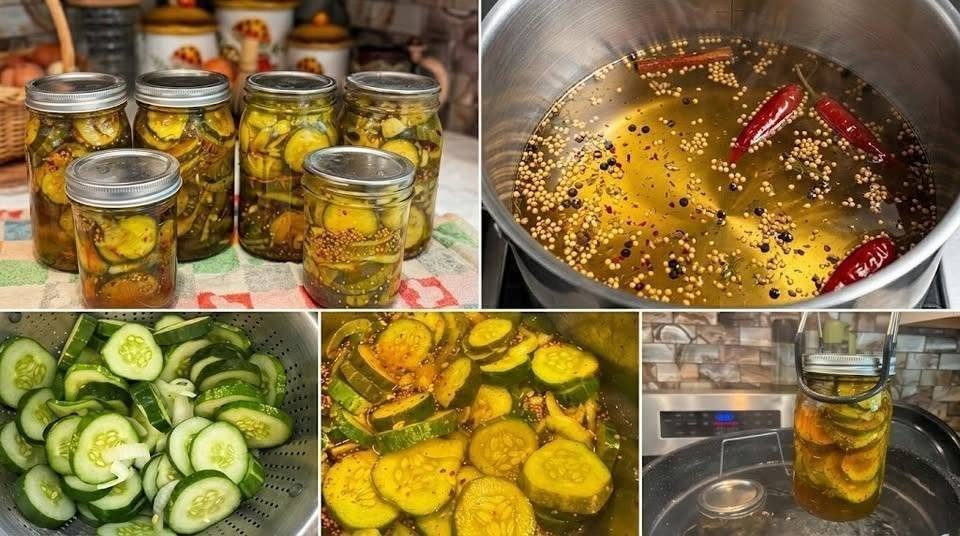
Prep the Vegetables: In a large bowl, toss the sliced cucumbers and onions with the kosher salt. Let them sit at room temperature for 1 to 2 hours to draw out excess moisture, which is key for crispiness.
-
Rinse and Dry: After resting, drain the cucumbers and onions in a colander and rinse them thoroughly under cold water. Pat them completely dry with paper towels—this is a crucial step for a crunchy texture.
-
Make the Brine: In a medium saucepan, combine the apple cider vinegar, white vinegar, erythritol, mustard seeds, celery seeds, turmeric, and red pepper flakes. Bring the mixture to a boil over medium heat, stirring to dissolve the sweetener.
-
Combine and Heat: Once boiling, reduce the heat and simmer for 2-3 minutes. Add the drained cucumbers and onions to the pot. Stir gently and let them heat through for about 1-2 minutes, but do not let them boil, or they will become soft.
-
Pack and Store: Place the cucumbers and onions into a clean 1-quart mason jar. Carefully pour the hot brine over them until completely covered. Let the jar cool to room temperature before sealing with a lid and refrigerating.
-
Wait for Flavor: For the best flavor, allow the pickles to sit in the refrigerator for at least 24 hours before eating. They are even better after 2-3 days and will keep for up to 1 month.
Nutrition Facts (Per Serving – Approximate):
-
Calories: 15 kcal
-
Fats: 0g
-
Cholesterol: 0mg
-
Sodium: 410mg
-
Potassium: N/A
-
Total Carbohydrates: 4g
-
Fiber: 1g
-
Net Carbs: 3g
-
Sugars: 0g
-
Protein: 0g
-
Calcium: N/A
Notes
-
Storage Tips: These pickles are “refrigerator pickles” and must be stored in the fridge. They will stay fresh in an airtight container for up to one month.
-
Reheating Instructions: These pickles are meant to be served chilled. No reheating needed.
-
Allergy Notes: This recipe is naturally vegan, vegetarian, gluten-free, and dairy-free.
-
Flavor Boosts: For a more complex flavor, try adding a cinnamon stick, a few whole cloves, or allspice berries to the brine while it simmers.
Frequently Asked Questions
Why are they called bread and butter pickles?
The name likely originated during the Great Depression, when these economical pickles were used as a barter item for other essentials like bread and butter.
Can I use regular cucumbers instead of pickling cucumbers?
You can, but they may not be as crunchy. Pickling cucumbers (like Kirby) are smaller and have a lower water content, which helps them stay crisp.
How long do these refrigerator pickles last?
They will keep for up to one month as long as they are stored in an airtight container in the refrigerator.
Can I double this recipe?
Yes, this is a small-batch recipe, and you can easily double the ingredients if you have more cucumbers to use up.
Can I make this recipe shelf-stable?
This recipe is designed for refrigerator pickles. For shelf-stable canning, you would need to follow a different process and use proper canning equipment.
Is there a sugar-free version of this recipe?
Yes! This recipe uses a keto-approved sweetener to create a delicious low-carb and sugar-free version of the classic bread and butter pickle.