
Fluffy High-Protein Japanese Soufflé Cheesecake Recipe
Description
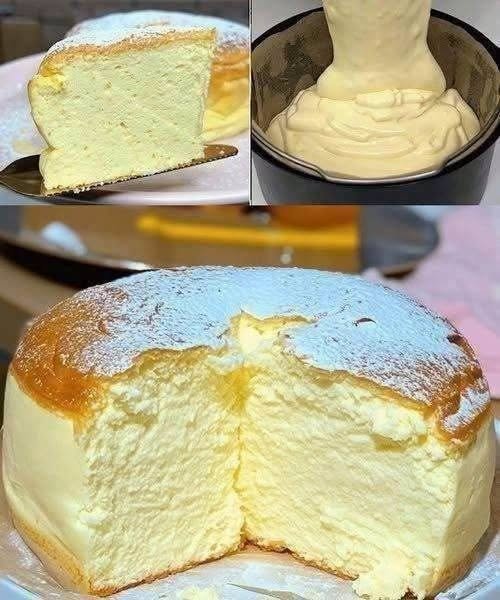
Impossibly light, velvety, and delicately sweet, this Japanese soufflé cheesecake delivers the iconic melt-in-your-mouth “cotton” texture without the usual carb overload. Whipped egg whites provide an airy, sky-high rise, while Greek yogurt and Neufchâtel cheese build an ultra-creamy crumb. It transforms an iconic bakery indulgence into a satisfying, low-carb treat packed with clean dairy protein that fits right into your wellness routine.
Can This Japanese Soufflé Cheesecake Support Weight Loss Goals?
Yes, it aligns well with calorie-conscious targets because it replaces heavy refined flours and pure sugar with high-protein dairy and zero-calorie monk fruit. The elevated protein density from egg whites and strained yogurt promotes steady satiety and blunts post-dessert glucose spikes. This keeps cravings low while delivering a full-sized dessert experience on minimal calories.
Does Japanese Soufflé Cheesecake Fit a High-Protein Lifestyle?
This recipe fits seamlessly into a high-protein regimen by prioritizing whole-food dairy and egg proteins over empty starches. Each slice yields around 11 grams of quality protein with just 3 grams of net carbs, relying on light cream cheese, egg whites, and protein-dense Greek yogurt. Zero-calorie erythritol keeps the sugar load negligible, making it an efficient macro-friendly option for muscle recovery or low-carb meal plans.
My Personal Experience
-
Water Bath Temperature Control: Adding hot—not boiling—water to the roasting pan prevented the bottom from curdling while yielding the iconic cotton-soft crumb. The gentle steam kept the delicate egg-white structure completely stable throughout the 70-minute bake.
-
Soft Peak Precision: Stopping the hand mixer at soft, drooping peaks kept the batter pliable and easy to fold without deflating. Whipping straight to stiff peaks caused surface cracking during the initial heat surge in my oven.
-
Slow Oven De-Steaming: Cracking the oven door open with a wooden spoon for an hour eliminated post-bake shrinkage almost entirely. The gradual drop in ambient heat allowed the fragile soufflé structure to set smoothly without sinking.
Perfect For:
-
High-protein desserts that curb late-night sweet cravings without derailing daily macros.
-
Low-carb afternoon snacks paired with black coffee or matcha green tea.
-
Keto-friendly brunch spreads requiring an elegant, centerpiece dessert.
-
Post-workout treats when you need clean protein in an ultra-light, easily digestible form.
Why You’ll Love This Recipe:
-
Signature Cotton Texture: It captures the exact jiggly, airy mouthfeel of traditional bakery cheesecakes using whipped egg whites instead of heavy starches. You get the authentic Japanese bakery experience with minimal net carbs.
-
Macro-Friendly Indulgence: Swapping heavy sugar for monk fruit and standard cheese for protein-rich Greek yogurt keeps calories exceptionally low. You can enjoy a generous slice without throwing off your daily nutritional targets.
-
Gentle on Digestion: The lack of dense gluten, heavy butter, or refined sugars prevents the sluggish bloat typical of traditional American cheesecakes. It leaves you feeling light, nourished, and fully satisfied.
Common Mistakes to Avoid:
-
Over-whipping the Egg Whites: Beating past glossy, soft peaks creates dry pockets of air that expand too fast, tearing open the top crust.
-
Skipping the Water Bath (Bain-Marie): Baking over direct heat will scorch the edges and cause the interior to curdle instead of steaming evenly.
-
Opening the Oven Early: Releasing the steam during the first 45 minutes collapses the oven temperature and causes the delicate rise to cave in.
-
Cooling Too Quickly: Exposing the warm cake to cold room air immediately shocks the foam matrix, resulting in sudden deflating and dense wrinkling.
Required Equipment:
-
8-inch Round Springform or Solid Cake Pan: Distributes heat evenly while supporting a tall, straight-sided rise.
-
Electric Hand Mixer or Stand Mixer: Incorporates consistent micro-air bubbles into the egg whites for an ultra-stable meringue.
-
Deep Roasting Pan: Holds the hot water bath securely to regulate gentle, ambient steam.
-
Silicone Spatula: Enables gentle folding without deflating trapped air from the egg whites.
-
Parchment Paper: Prevents fragile edges from sticking and tearing during release.
Storage Instructions:
Cool the cake completely, wrap it gently in plastic wrap or seal it inside an airtight glass container, and refrigerate for up to 5 days; the high protein content remains stable, and the flavor deepens overnight. For long-term storage, freeze individual slices wrapped in parchment paper inside a freezer-safe zip bag for up to 2 months. Thaw frozen slices overnight in the refrigerator—do not microwave, as sudden heat breaks the airy emulsion.
Recipe Details
-
Preparation Time: 25 minutes
-
Cooking Time: 70 minutes
-
Total Time: 1 hour 35 minutes (plus cooling)
-
Servings: 8 slices
-
Best Season: All-season
-
Total Calories (Per Serving): ~145 kcal (approximate estimate)
A remarkably airy Japanese-style soufflé cheesecake infused with fresh lemon zest and creamy vanilla. Engineered with Greek yogurt and egg whites, it captures the signature bakery jiggle while staying low-carb and high in protein. Serve it lightly chilled for a melt-in-your-mouth slice that satisfies your sweet tooth cleanly.
Ingredients:
-
225 g (8 oz) light cream cheese (Neufchâtel), softened to room temperature
-
120 g (1/2 cup) plain nonfat Greek yogurt (thick, strained variety works best)
-
50 g (1/4 cup) unsalted butter, softened
-
6 large eggs, separated into whites and yolks (eggs must be fresh and chilled for easy separation)
-
60 ml (1/4 cup) unsweetened almond milk
-
25 g (3 tbsp) coconut flour or ultra-fine blanched almond flour (sifted to prevent clumping)
-
15 g (1.5 tbsp) arrowroot powder or unflavored whey protein isolate
-
90 g (scant 1/2 cup) powdered erythritol or monk fruit sweetener (powdered dissolves best without grit)
-
1 tsp pure vanilla extract
-
1 tsp fresh lemon juice
-
1/4 tsp cream of tartar (critical for stabilizing the egg white foam)
Directions:
-
Preheat & Prep: Set your oven to 150°C (300°F). Grease an 8-inch cake pan and line both the bottom and sides with parchment paper, extending the paper 2 inches above the rim. If using a springform pan, wrap the exterior bottom tightly in three layers of heavy-duty aluminum foil to block water leaks.
-
Melt the Base: Place cream cheese, butter, and Greek yogurt into a heatproof bowl over a pot of barely simmering water (low heat). Whisk gently until the mixture is smooth and fully emulsified, then remove from heat to cool slightly.
-
Incorporate Wet Ingredients & Flour: Whisk the 6 egg yolks, almond milk, vanilla extract, and lemon juice into the cheese base until uniform. Sift in the coconut flour and arrowroot powder (or whey protein); whisk until completely lump-free and silky.
-
Whip the Meringue: In a clean, grease-free glass or metal bowl, beat the 6 egg whites and cream of tartar on medium speed until frothy. Gradually add the powdered sweetener one tablespoon at a time, increasing speed until soft, drooping peaks form with a smooth, glossy sheen (do not beat to stiff, dry peaks).
-
Fold Gently: Add one-third of the whipped whites into the yolk mixture, whisking lightly to slacken the batter. Switch to a silicone spatula and gently fold in the remaining whites in two batches using slow, sweeping cuts from the bottom up until no white streaks remain.
-
Set Up the Bath & Bake: Pour the batter into the prepared pan and tap it firmly on the counter twice to release large air pockets. Place the pan into a deep roasting dish and pour hot water (around 65°C / 150°F) into the roasting pan until it reaches halfway up the cake pan’s sides. Bake at 150°C (300°F) for 50 minutes, then lower the heat to 135°C (275°F) for an additional 20 minutes until the top is golden brown and the center displays a slight, set jiggle.
-
Gradual Cool-Down: Turn off the oven, prop the door open about 2 inches with a wooden spoon, and leave the cheesecake inside undisturbed for 50–60 minutes to prevent sudden shrinkage. Transfer to a counter to cool to room temperature, then chill in the refrigerator for at least 4 hours before slicing.
Nutrition Facts (Per Serving – Approximate):
-
Calories: 145 kcal
-
Fats: 10 g
-
Cholesterol: 165 mg
-
Sodium: 170 mg
-
Potassium: 140 mg
-
Total Carbohydrates: 4.5 g
-
Fiber: 1.5 g
-
Net Carbs: 3 g
-
Sugars: 2 g
-
Protein: 11 g
-
Calcium: 78 mg
Notes:
-
Storage & Slicing: Wipe a sharp, thin knife with a warm, damp cloth between each cut to produce bakery-clean slices.
-
Reheating: Never microwave this cake; enjoy it cold straight from the fridge, or let it sit at room temperature for 15 minutes to restore maximum fluffiness.
-
Allergy Adjustments: For a nut-free version, replace almond milk with unsweetened oat or soy milk and use coconut flour instead of almond flour.
-
Flavor Boosts: Fold 1 tablespoon of finely grated fresh lemon zest into the egg yolk base, or add 1/2 teaspoon of culinary-grade matcha powder for an earthy Japanese twist.
Frequently Asked Questions:
-
Why did my cheesecake crack on top?
The oven was running too hot, or the egg whites were whipped past soft peaks into stiff, dry peaks.
-
Can I use granulated sweetener instead of powdered?
Granulated sweetener will weigh down the meringue and leave an unpleasant, gritty texture in the final crumb.
-
Why did my soufflé cake deflate significantly after baking?
The cake cooled down too fast from sudden temperature shock, which can be fixed by letting it rest inside the cracked oven.
-
Can I substitute carton liquid egg whites for fresh eggs?
Fresh egg whites are mandatory because pasteurized carton whites do not whip into a structure strong enough to support the soufflé rise.
-
How do I know the cheesecake is completely cooked through?
The top should be golden brown, and the cake should gently wobble like set gelatin rather than ripple like liquid when the pan is nudged.