

Healthy Detox Drinks for Bloating and Digestion: 15 Easy Drinks That Actually Help

Feeling bloated, heavy, or uncomfortable after eating can make an otherwise normal day feel frustrating. Sometimes you simply want something refreshing that helps you feel lighter without turning your routine upside down.
The good news is that you don’t need a harsh cleanse or a restrictive detox plan. Healthy detox drinks for bloating and digestion can simply mean nourishing drinks made with ingredients that support hydration, regular digestion, and comfortable eating.
In this guide, I’ll share simple homemade drinks you can prepare with everyday ingredients. We’ll also look at what actually helps bloating, what to avoid, and when digestive symptoms deserve medical attention.
Key Takeaways
- Hydration can support normal digestion and help prevent constipation, which may contribute to bloating.
- Ginger, peppermint, lemon, cucumber, and certain herbal teas can make refreshing additions to a balanced diet.
- A “detox drink” doesn’t literally flush toxins from your body; your liver and kidneys already handle that job.
- If bloating is frequent, severe, painful, or associated with other symptoms, it’s worth talking with a healthcare professional.
What Are Healthy Detox Drinks for Bloating and Digestion?
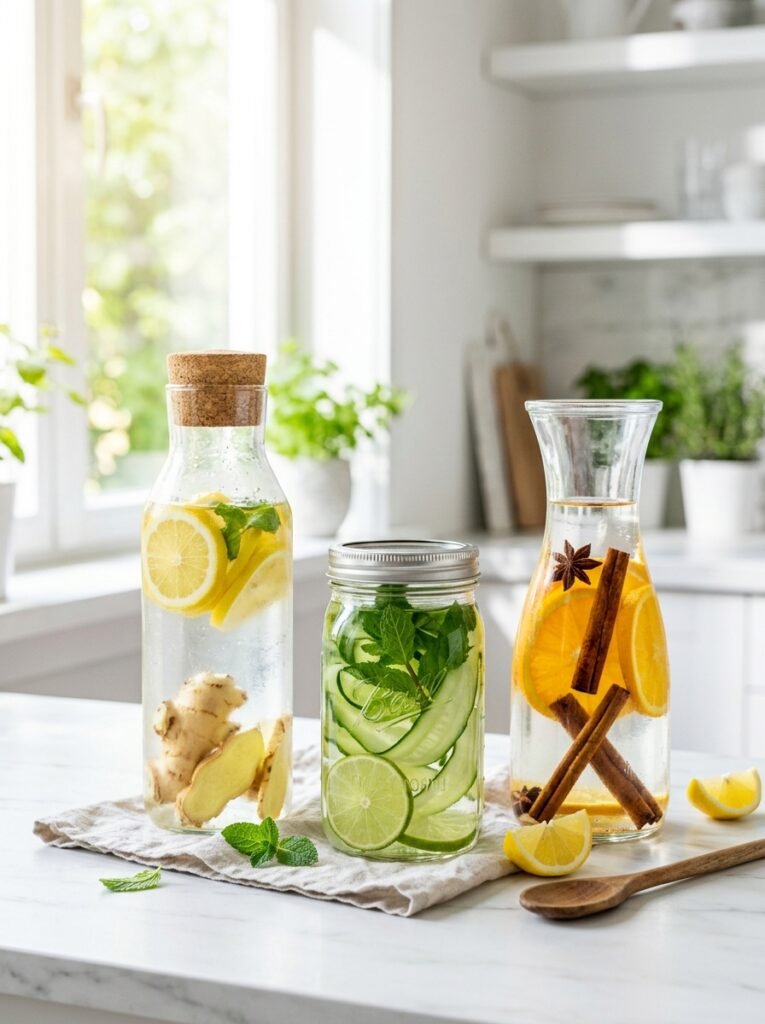
The phrase “detox drink” sounds appealing, but it can be misleading.
Your body already has its own detoxification systems. Your liver, kidneys, digestive tract, lungs, and other organs continuously process and remove waste.
So when I talk about healthy detox drinks for bloating and digestion, I mean simple beverages that can help you stay hydrated and may contain ingredients traditionally used to support digestive comfort.
Think of them as a useful part of your everyday routine, not a magical cleanse.
A good drink should complement healthy meals, regular movement, adequate sleep, and enough fiber rather than replace them.
15 Healthy Detox Drinks for Bloating and Digestion
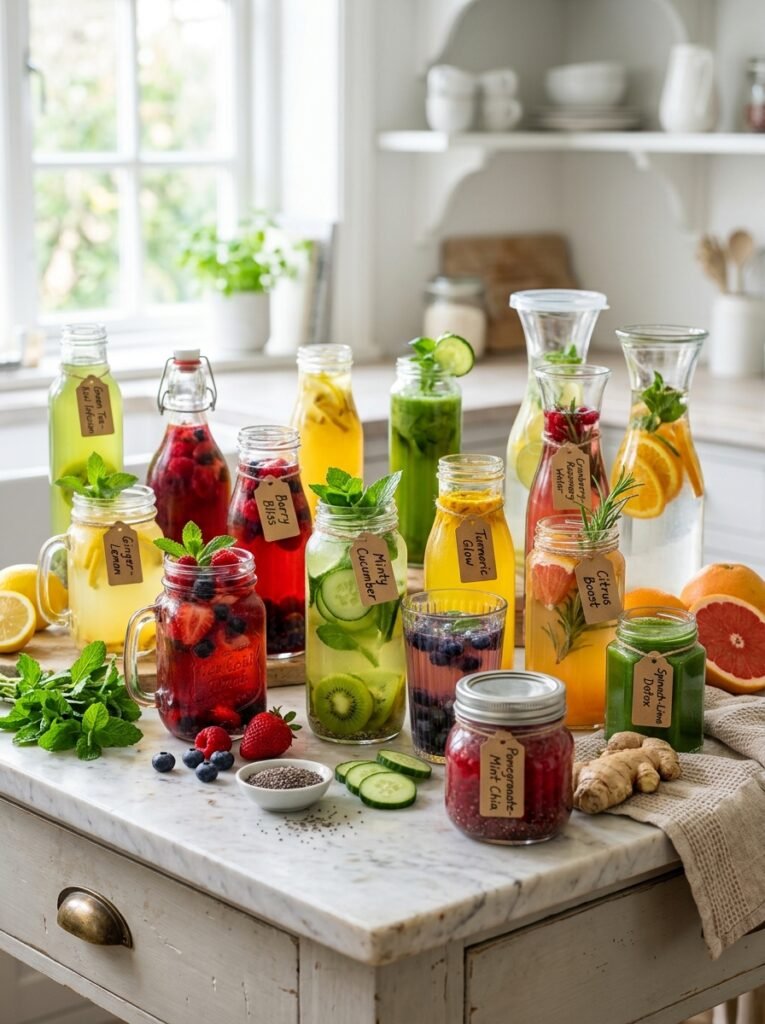
You don’t need complicated recipes or expensive powders. Most of these drinks take only a few minutes to prepare.
1. Warm Lemon Water
Warm lemon water is one of the simplest drinks you can make.
It provides fluid, and the lemon adds flavor that can make drinking water more enjoyable.
How to make it:
- Add the juice of ½ lemon to a mug of warm water.
- Stir well.
- Sip slowly, especially in the morning or between meals.
Lemon water isn’t a fat burner or a toxin flush. Its biggest practical benefit may simply be helping you drink more fluids.
If acidic drinks bother your stomach or teeth, use less lemon and rinse your mouth with plain water afterward.
2. Fresh Ginger Tea
Ginger has a long history of culinary and traditional use for digestive discomfort.
A warm ginger drink can be especially comforting after a heavy meal.
Simple recipe:
- Slice 1–2 inches of fresh ginger.
- Add it to 1½–2 cups of water.
- Simmer for about 10 minutes.
- Strain and enjoy.
You can add a small amount of lemon for flavor.
Start with a mild amount if you’re not accustomed to ginger. Large amounts may cause heartburn or stomach irritation in some people.
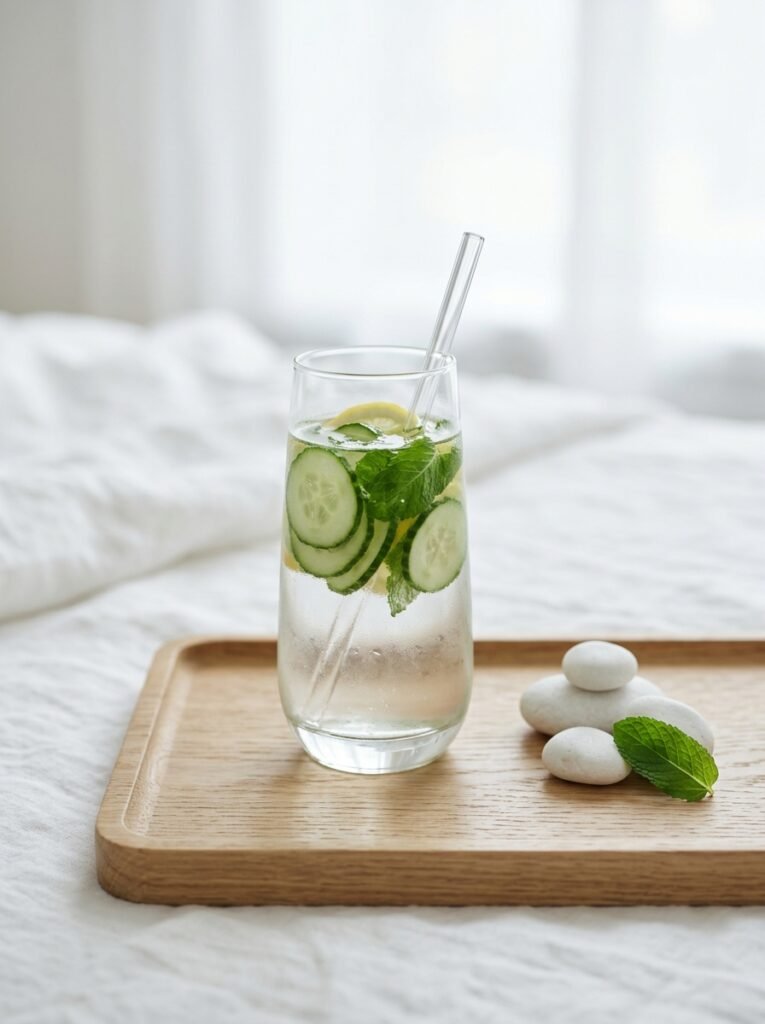
3. Cucumber and Mint Water
If plain water feels boring, cucumber and mint can give it a fresh flavor without adding much sugar.
Try this:
- Slice ½ cucumber.
- Add a small handful of fresh mint leaves.
- Place both in a jug of water.
- Refrigerate for 1–2 hours.
- Drink throughout the day.
This is a particularly easy option when you’re trying to increase your fluid intake.
It doesn’t “cleanse” your digestive system, but staying hydrated is an important part of overall digestive health.
4. Peppermint Tea
Peppermint tea is a popular after-meal drink.
Some people find peppermint soothing for occasional digestive discomfort, although it isn’t suitable for everyone.
Make it at home:
- Steep a peppermint tea bag or 1 tablespoon of dried peppermint leaves in hot water.
- Let it sit for 5–10 minutes.
- Remove the tea bag or strain the leaves.
- Drink warm.
If you regularly experience acid reflux or heartburn, peppermint may make symptoms worse. In that case, choose another drink.
5. Fennel Tea
Fennel seeds are commonly used in traditional food and digestive practices.
A simple fennel tea can be a pleasant caffeine-free beverage after a meal.
Recipe:
- Lightly crush 1 teaspoon of fennel seeds.
- Add them to a cup of hot water.
- Cover and steep for 5–10 minutes.
- Strain before drinking.
You don’t need to drink several cups a day. One cup can be enough to see whether you enjoy it and tolerate it well.
6. Chamomile Tea
Chamomile tea is a gentle option when you want something warm and calming.
It doesn’t directly “detox” your digestive system, but replacing sugary beverages with unsweetened herbal tea can support a healthier overall routine.
For a simple cup:
- Steep 1 chamomile tea bag in hot water.
- Leave for 5–10 minutes.
- Drink plain or add a squeeze of lemon.
If you have allergies to plants in the daisy family, be cautious with chamomile.
7. Ginger and Lemon Water
Combining ginger and lemon creates a flavorful drink that’s easy to make.
Ingredients:
- 1–2 inches fresh ginger
- 2 cups water
- Juice of ½ lemon
Simmer the ginger in water for around 10 minutes. Let it cool slightly, then add the lemon juice.
You can drink it warm or chill it for later.
8. Cucumber, Lemon, and Mint Water
This combination works well when you want a refreshing drink during the day.
Add to a large pitcher:
- ½ sliced cucumber
- ½ sliced lemon
- A handful of mint leaves
- 1–2 liters of water
Let everything infuse in the refrigerator for a couple of hours.
There’s no need to add sugar. The fruit, herbs, and cucumber provide enough flavor for many people.
9. Warm Cinnamon Water
Cinnamon can add a naturally sweet aroma without requiring sugar.
You can make a simple cinnamon infusion by simmering a cinnamon stick in water for several minutes.
Keep in mind that cinnamon water isn’t a proven treatment for bloating. Think of it as a flavorful alternative to sweetened drinks.
Avoid consuming very large amounts of cinnamon regularly, particularly varieties high in coumarin.
10. Green Tea With Lemon
Green tea contains caffeine and plant compounds called catechins.
For some people, a cup of green tea can be a refreshing alternative to sugary beverages.
Try this:
- Brew green tea according to the package directions.
- Allow it to cool slightly.
- Add a squeeze of lemon.
- Drink without added sugar.
If caffeine makes you jittery, affects your sleep, or irritates your stomach, choose an herbal tea instead.
11. Warm Water After a Heavy Meal
Sometimes the simplest option is the most practical.
If you’ve just eaten a large meal and feel uncomfortable, slowly sipping warm water may feel soothing.
You don’t need a special ingredient.
Give your body time to digest the meal, avoid immediately lying down, and consider taking a gentle walk if you’re comfortable doing so.
12. Diluted Prune Juice
If constipation is contributing to your bloating, prune juice can be useful for some people.
Prunes contain sorbitol and fiber, which can help support bowel regularity.
However, more isn’t necessarily better.
Start with a small serving and see how your body responds. Too much can cause gas, cramping, or diarrhea.
13. Plain Water With Fresh Orange Slices
You don’t need to turn every drink into a complicated recipe.
Adding a few orange slices to cold water can make hydration more enjoyable.
The goal is simple: create a drink you actually want to consume regularly.
If drinking enough plain water is difficult for you, naturally flavored water can be an easy upgrade.
14. Unsweetened Herbal Tea
You don’t have to choose one specific “detox” herb.
A variety of caffeine-free herbal teas can give you a warm beverage without the added sugar found in many sodas, sweetened coffees, and bottled drinks.
Try:
- Ginger tea
- Peppermint tea
- Chamomile tea
- Fennel tea
- Rooibos tea
Choose based on your taste and how your body responds.
15. Ginger, Cucumber, and Mint Infusion
For a refreshing combination, combine a few slices of ginger with cucumber and mint.
Add everything to cold water and let it infuse in the refrigerator.
This is a good option when you want something flavorful but don’t want a sugary drink.
How Do These Drinks Help With Bloating?
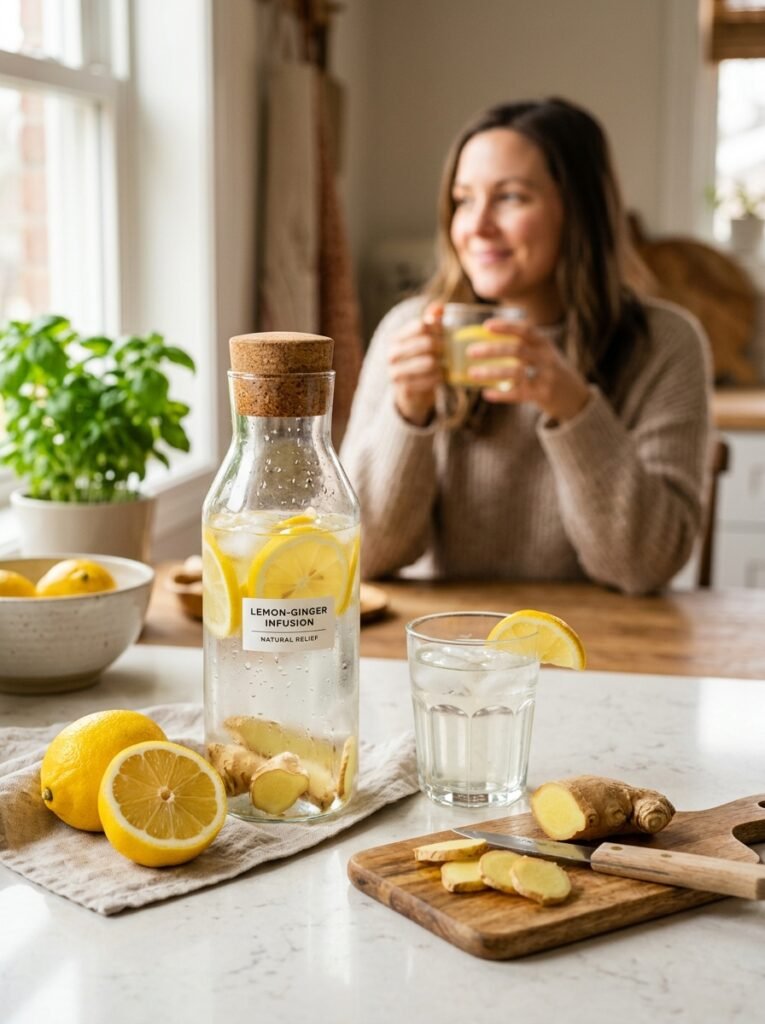
It’s important to keep expectations realistic.
A drink won’t instantly flatten your stomach or remove every cause of bloating. Bloating can happen for many different reasons, including eating quickly, constipation, certain foods, hormonal changes, swallowing air, food intolerances, and digestive conditions.
Still, a few habits can make a noticeable difference.
Staying Hydrated
Your digestive system needs adequate fluid to function normally.
When you’re not drinking enough, constipation can become more likely, and constipation itself can contribute to bloating and discomfort.
Instead of drinking huge amounts at once, try spreading fluids throughout the day.
Supporting Regular Bowel Movements
If you feel bloated because you’re constipated, improving bowel regularity may help.
Water is important, but don’t forget about fiber-rich foods such as vegetables, fruits, whole grains, beans, lentils, nuts, and seeds.
Increase fiber gradually if your current intake is low. A sudden increase can actually make gas and bloating worse.
Replacing Sugary Drinks
One of the easiest improvements may be what you stop drinking.
Regularly replacing sugary sodas, sweetened energy drinks, and heavily sweetened beverages with water or unsweetened tea can reduce your overall added sugar intake.
That doesn’t mean you can never enjoy a sweet drink. It’s about what you do most of the time.
When Is the Best Time to Drink These Beverages?
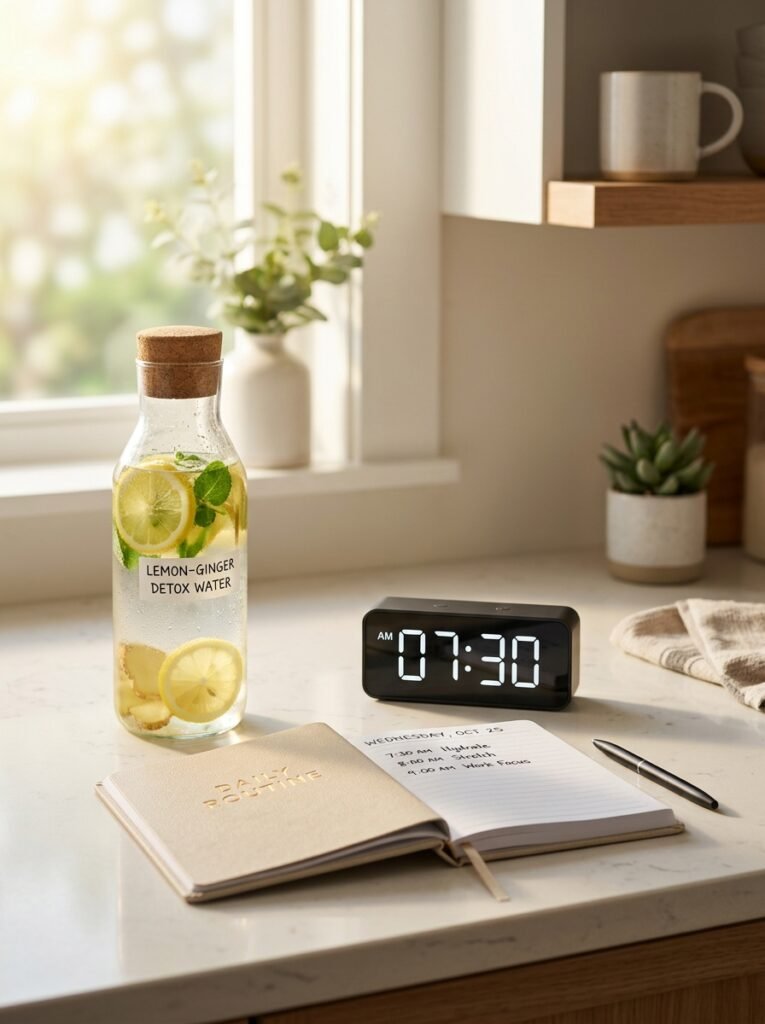
There’s no magic hour for digestive drinks.
You can enjoy them according to your routine and tolerance.
In the Morning
Warm water with lemon or mild ginger tea can be a pleasant way to start your morning.
But you don’t need to drink a special detox beverage immediately after waking to “activate” your metabolism.
Your body is already functioning before breakfast.
After Meals
Ginger, fennel, or peppermint tea may be enjoyable after eating.
However, if you experience reflux, peppermint may not be the best choice.
Between Meals
Infused water is an easy option between meals.
Keeping a bottle or jug nearby can make hydration more automatic.
Before Bed
Caffeine-free herbal tea can work well in the evening.
Just avoid drinking a very large amount immediately before bed if waking up to use the bathroom disrupts your sleep.
What Can Make Bloating Worse?

Sometimes the solution isn’t finding another drink. It’s identifying what may be triggering the bloating in the first place.
Common contributors can include:
- Eating very quickly
- Drinking carbonated beverages
- Eating very large meals
- Constipation
- Suddenly increasing fiber
- Certain food intolerances
- Chewing gum frequently
- Swallowing air while eating
- Some sugar alcohols
- High-sodium meals
- Certain fermentable carbohydrates
Everyone is different.
I wouldn’t recommend eliminating large groups of foods simply because you’re occasionally bloated. Instead, pay attention to patterns.
A simple food and symptom diary can help you notice whether certain meals consistently cause problems.
Drinks to Limit When You’re Bloated

Not every beverage marketed as “healthy” is a good choice for digestive comfort.
Carbonated Drinks
Sparkling water is perfectly fine for many people, but carbonation can increase feelings of fullness or bloating in some individuals.
If you’re already uncomfortable, switching temporarily to still water may help.
Very Sugary Drinks
Large amounts of added sugar aren’t necessary for hydration.
Sweetened teas, sodas, and dessert-style drinks can add a lot of sugar without providing much nutritional value.
Alcohol
Alcohol can irritate the digestive tract and may contribute to digestive symptoms for some people.
If you’re dealing with persistent bloating, reducing alcohol may be worth trying.
“Detox” Teas With Laxative Ingredients
Be careful with products marketed as cleansing or slimming teas.
Some contain stimulant laxatives that can cause cramping, diarrhea, dehydration, or electrolyte problems when misused.
You don’t need a laxative tea to “clean out” your body.
A Simple 7-Day Digestive Drink Routine
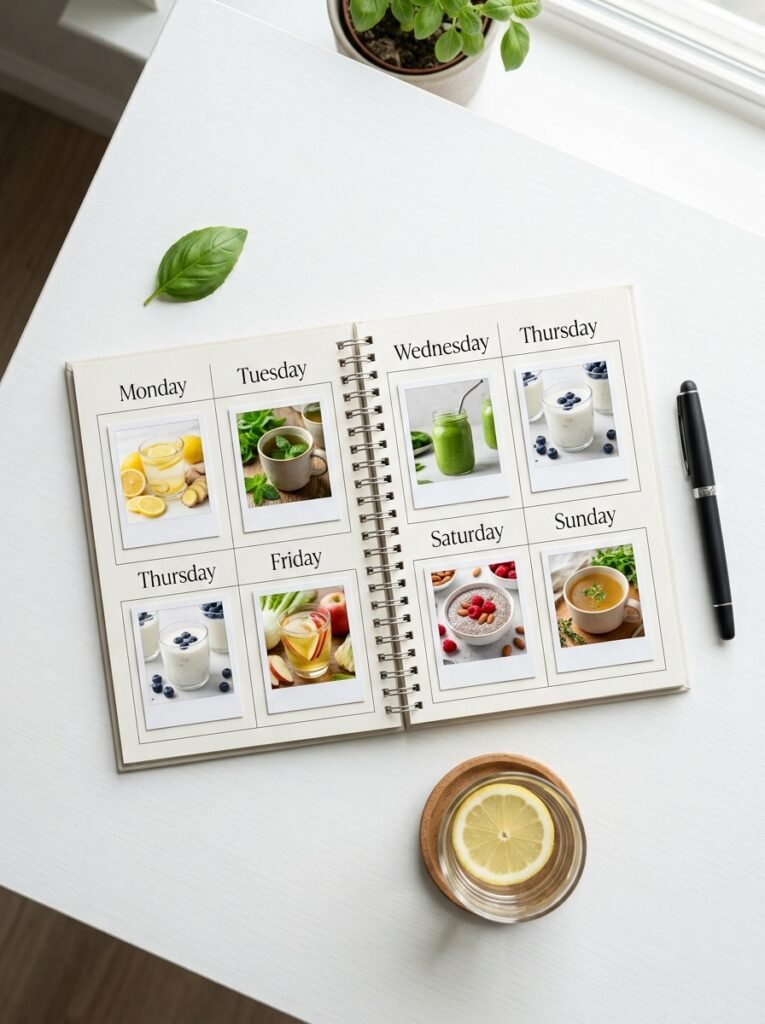
You don’t need to drink a different detox beverage every day.
Here’s a simple routine you could adapt to your preferences:
Day 1: Warm lemon water in the morning and plain water throughout the day.
Day 2: Ginger tea after lunch.
Day 3: Cucumber and mint infused water.
Day 4: Chamomile tea in the evening.
Day 5: Ginger and lemon tea.
Day 6: Fennel tea after a meal if you tolerate it well.
Day 7: Plain water and your favorite unsweetened herbal tea.
The goal isn’t to “detox” for seven days.
The goal is to build a sustainable hydration habit that fits into your normal life.
Pair Your Drinks With Better Eating Habits
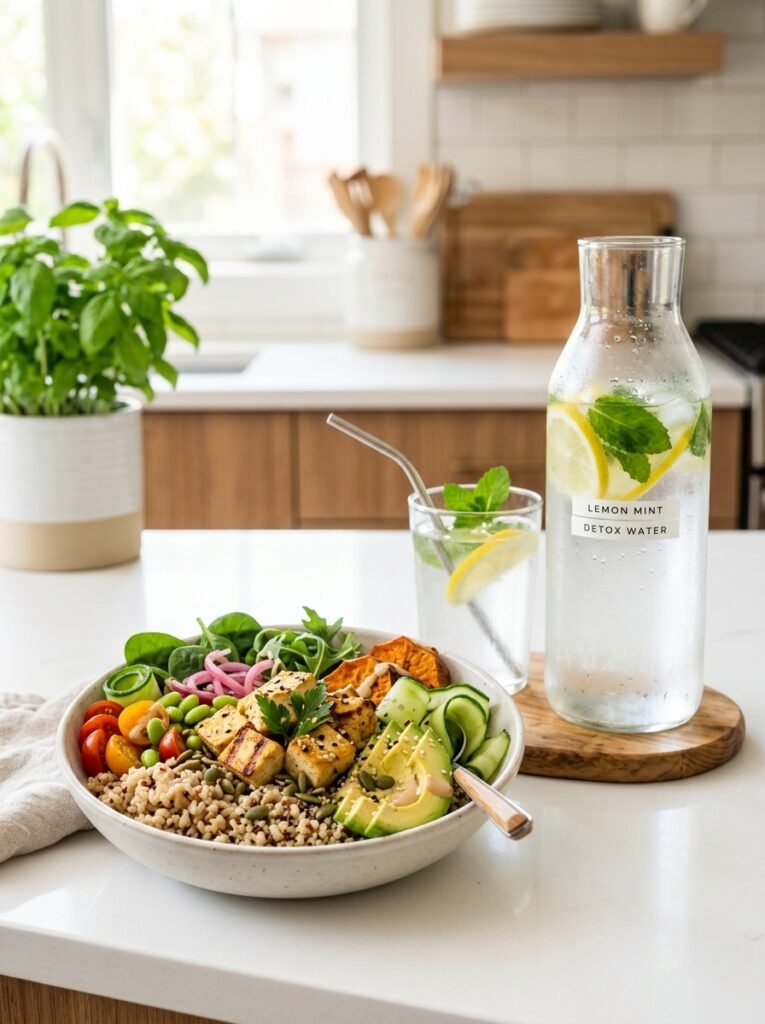
If you want fewer episodes of bloating, look beyond your drink.
Your overall eating pattern matters much more than one special beverage.
Try these practical habits:
- Eat meals at a comfortable pace.
- Chew food thoroughly.
- Avoid consistently eating until you’re uncomfortably full.
- Drink enough fluids throughout the day.
- Include fiber-rich foods regularly.
- Increase fiber gradually.
- Stay physically active.
- Get enough sleep.
- Pay attention to foods that repeatedly trigger symptoms.
- Limit excessive alcohol and highly sugary beverages.
Even a 10–15 minute gentle walk after a meal can be a useful habit for overall health.
You don’t need an intense workout every time you eat.
Can Detox Drinks Help You Lose Belly Fat?
No drink can specifically target belly fat.
You may temporarily feel less bloated after improving hydration, having a bowel movement, or avoiding a food that triggers digestive symptoms. That’s different from losing body fat.
If your goal is healthy weight loss, focus on sustainable habits such as:
- Eating balanced meals
- Creating a modest calorie deficit when appropriate
- Getting enough protein and fiber
- Walking regularly
- Strength training
- Sleeping well
- Managing stress
A ginger-lemon drink can be part of that routine, but it isn’t a shortcut.
A Simple Homemade Detox Drink Recipe
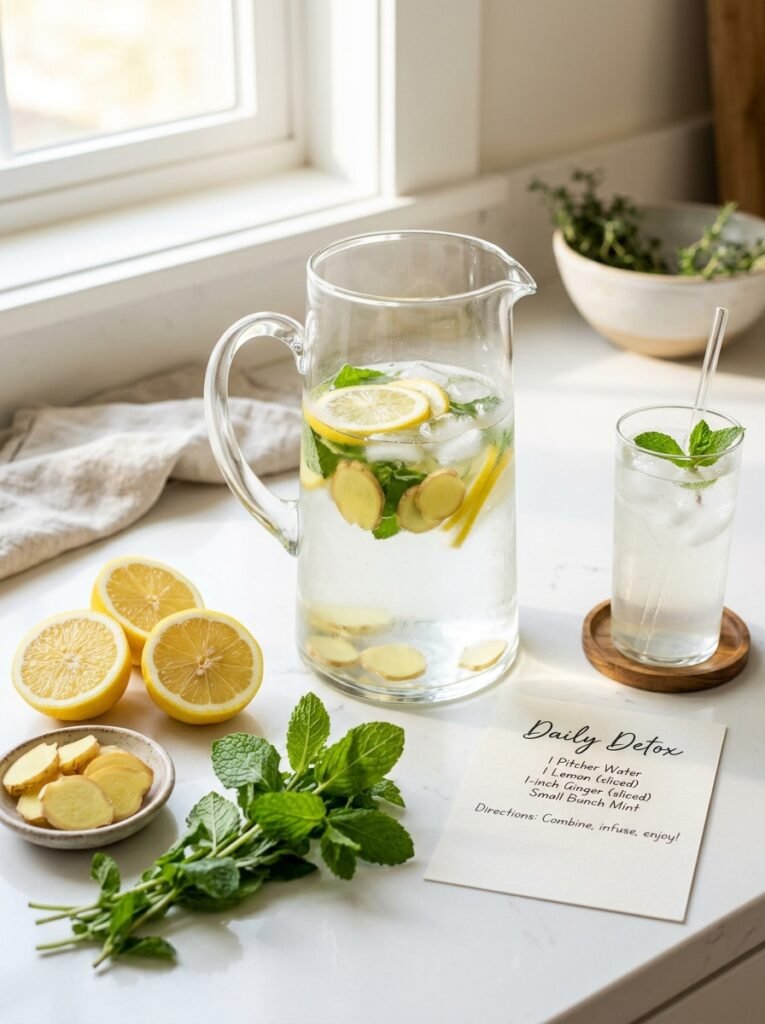
If you want one easy recipe to start with, try this ginger-cucumber infusion.
Ginger Cucumber Mint Water
Ingredients:
- 1 liter of cold water
- ½ cucumber, thinly sliced
- 5–8 fresh mint leaves
- 3–5 thin slices of fresh ginger
- ½ lemon, sliced
Instructions:
- Add everything to a large pitcher.
- Stir gently.
- Refrigerate for 1–2 hours.
- Pour into a glass and enjoy.
- Add fresh water to the pitcher as needed.
You don’t need to add honey, sugar, syrup, or artificial sweeteners.
For a stronger ginger flavor, add a few extra slices.
Who Should Be Careful With Digestive Drinks?
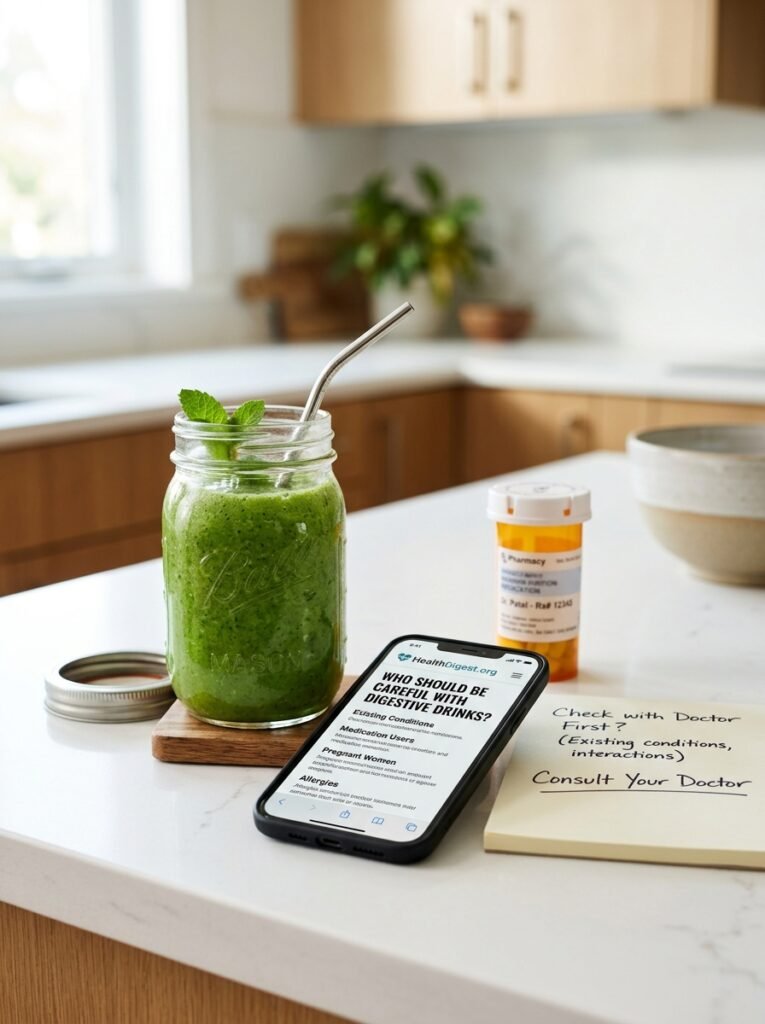
Natural ingredients aren’t automatically appropriate for everyone.
If you’re pregnant, taking medications, managing a chronic condition, or have a history of significant digestive problems, check with a qualified healthcare professional before regularly using concentrated herbal products.
Also be cautious with large quantities of herbs or supplements.
A cup of mild herbal tea is very different from taking concentrated extracts or “detox” supplements.
When Should You See a Doctor About Bloating?

Occasional bloating is common.
But persistent or severe bloating shouldn’t simply be covered up with detox drinks.
Talk with a healthcare professional if bloating is frequent, persistent, worsening, or interfering with daily life.
Seek prompt medical care if bloating occurs with concerning symptoms such as:
- Severe or persistent abdominal pain
- Repeated vomiting
- Blood in your stool
- Unexplained weight loss
- Persistent diarrhea
- Significant constipation
- Fever
- A swollen or rigid abdomen
- Difficulty eating or drinking
The right treatment depends on the underlying cause.