
Low-Calorie Meal Prep Ideas for the Week: Easy, Filling & Actually Realistic
If you want to eat lighter during the week, meal prep can make things much easier.
You don’t need a refrigerator full of identical containers or a complicated Sunday cooking marathon. With a few simple ingredients and some smart planning, you can prepare low-calorie meal options that are filling, flavorful, affordable, and easy to grab when you’re busy.
The goal isn’t to eat as little as possible.
It’s to make balanced meals that give you enough protein, fiber, vegetables, and satisfying flavors while helping you stay aware of your overall calorie intake.
Key Takeaways
- A good low-calorie meal should still be filling and enjoyable.
- Meal prep works best when you prepare flexible ingredients instead of making seven identical meals.
- Protein, vegetables, fiber-rich carbohydrates, and reasonable portions of healthy fats can help you stay satisfied.
- You don’t need extreme calorie restriction to make progress toward a healthier weight.
What Makes a Low-Calorie Meal Filling?
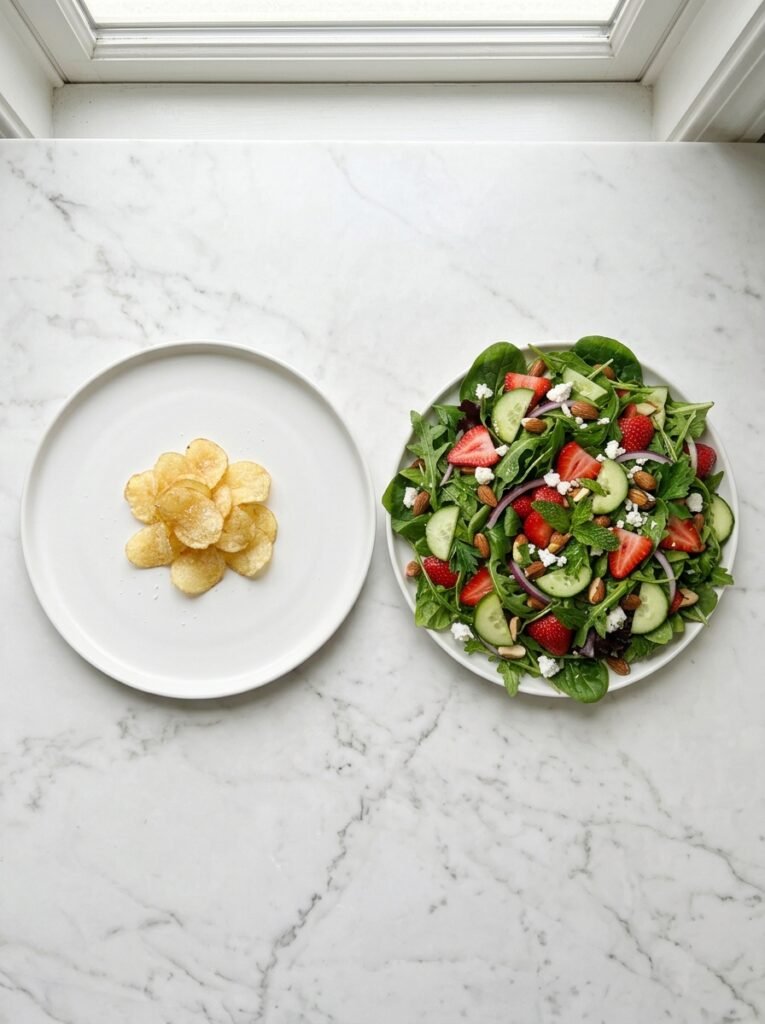
One of the biggest mistakes people make when trying to reduce calories is simply eating smaller versions of their usual meals.
That can leave you hungry an hour later.
Instead, build meals around foods that provide plenty of volume and nutrients for their calorie content.
Start With Protein
Protein is useful because it can help you feel satisfied after meals.
Good meal-prep choices include:
- Chicken breast
- Turkey
- Eggs
- Tuna
- Shrimp
- Tofu
- Lentils
- Chickpeas
- Black beans
- Greek yogurt
- Cottage cheese
You don’t need enormous portions.
A practical starting point is to include a palm-sized serving of protein in your main meals, then adjust based on your appetite and individual needs.
Load Up on Vegetables
Vegetables are extremely useful for meal prep because they can add volume, color, texture, and fiber without making meals excessively calorie-dense.
Easy options include:
- Broccoli
- Cauliflower
- Carrots
- Cucumber
- Tomatoes
- Bell peppers
- Green beans
- Spinach
- Cabbage
- Mushrooms
- Zucchini
Fresh and frozen vegetables can both work.
Frozen vegetables are particularly convenient when you’re short on time because there’s usually very little preparation involved.
Include Some Carbohydrates
You don’t have to eliminate rice, potatoes, pasta, bread, or other carbohydrate-rich foods to create a low-calorie meal.
Instead, choose portions that work with your overall meal.
Good options include:
- Brown rice
- Oats
- Potatoes
- Sweet potatoes
- Whole-grain pasta
- Quinoa
- Whole-grain bread
- Beans
- Lentils
Pairing carbohydrates with protein and vegetables can make meals much more satisfying than eating carbohydrates alone.
Don’t Forget Healthy Fats
Healthy fats are nutritious, but they’re also calorie-dense.
That doesn’t mean you need to avoid them.
It simply means portions can matter when you’re intentionally keeping calories lower.
Try using modest amounts of:
- Avocado
- Olive oil
- Nuts
- Seeds
- Natural peanut butter
- Tahini
A little can go a long way for flavor.
How to Meal Prep Without Getting Bored
Eating the same chicken, rice, and broccoli five days in a row sounds efficient.
It also sounds like a great way to start hating meal prep.
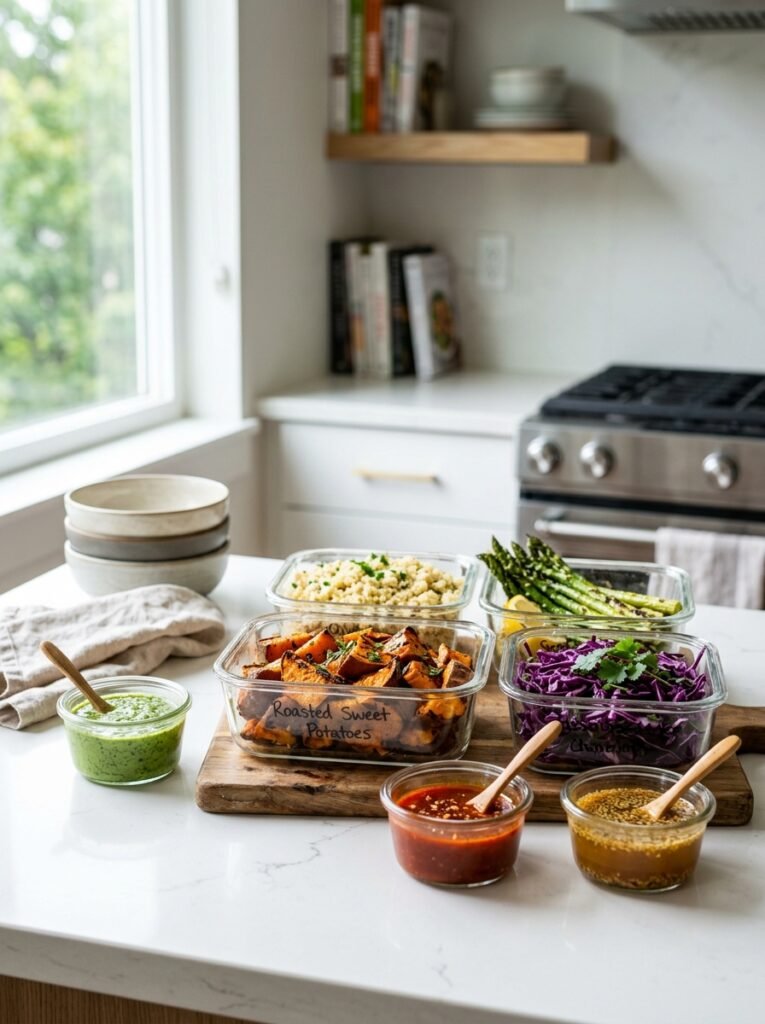
Instead, prepare a few basic ingredients that can be mixed and matched throughout the week.
For example, you could prepare:
- One protein
- Two vegetables
- One grain or starchy carbohydrate
- One bean or lentil option
- Two simple sauces
Then change the combinations each day.
Example
Your prepared chicken can become:
- A Mediterranean bowl on Monday
- A chicken salad on Tuesday
- A fajita bowl on Wednesday
- A whole-grain wrap on Thursday
- A vegetable stir-fry on Friday
Same basic ingredients.
Completely different meals.
1. Low-Calorie Chicken and Roasted Vegetable Bowls
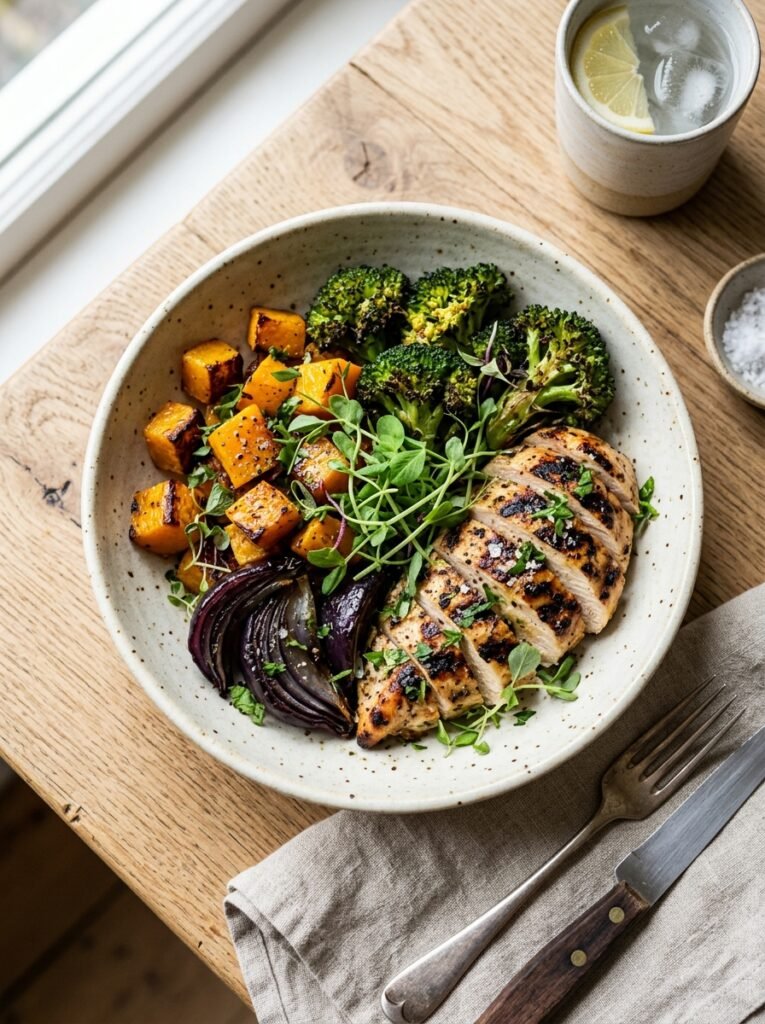
Chicken bowls are one of the easiest meal-prep options because they’re flexible.
You can prepare several servings at once and change the seasonings or sauces throughout the week.
Ingredients
For four servings:
- 500 g chicken breast
- 4 cups broccoli
- 2 bell peppers
- 2 cups zucchini
- 2 cups cooked brown rice
- 1 tablespoon olive oil
- 1 teaspoon paprika
- 1 teaspoon garlic powder
- 1/2 teaspoon cumin
- Black pepper
- Lemon juice
Preparation
- Cut the chicken into bite-sized pieces.
- Season with paprika, garlic powder, cumin, and black pepper.
- Roast or pan-cook the chicken until fully cooked.
- Roast or sauté the vegetables until tender.
- Divide the rice between four meal-prep containers.
- Add chicken and vegetables.
- Finish with lemon juice.
Keep It Interesting
Don’t put the same sauce on every container.
Use salsa on one portion, Greek yogurt and herbs on another, and lemon-garlic dressing on another.
This small change can make meal prep feel much less repetitive.
2. High-Protein Greek Yogurt Breakfast Bowls
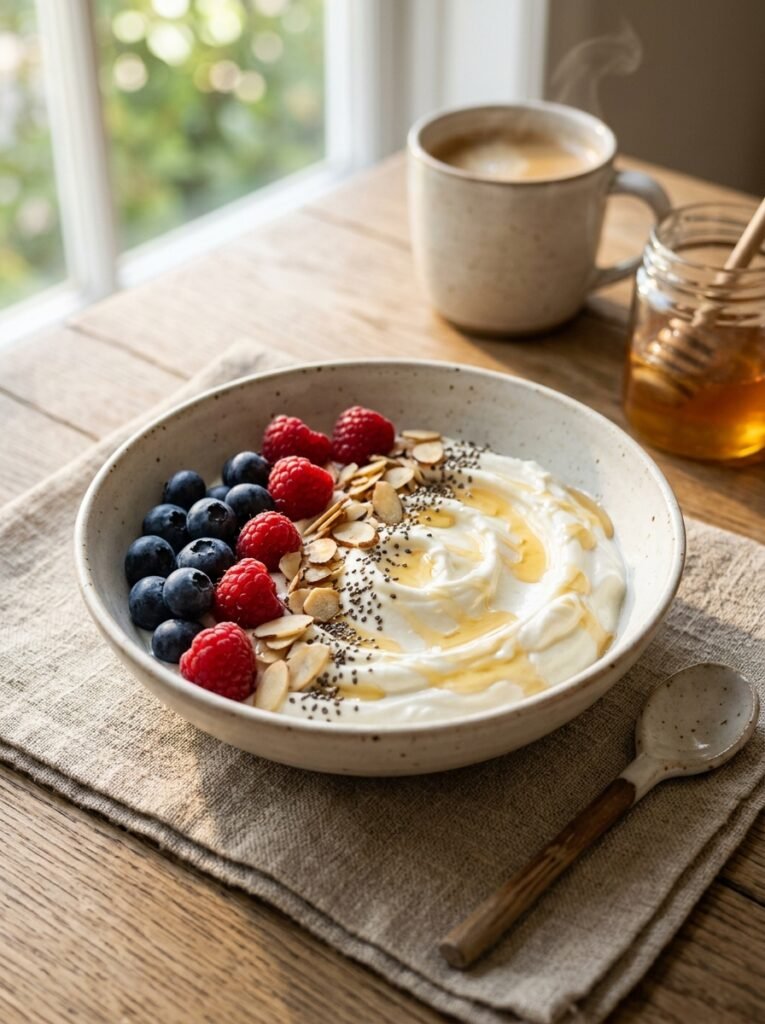
Meal prep doesn’t have to focus only on lunch and dinner.
Breakfast is often where busy mornings can derail healthy eating plans.
A yogurt bowl takes just a few minutes to assemble.
Ingredients
- Plain Greek yogurt
- Fresh berries or chopped apple
- A small portion of oats
- Chia seeds
- Cinnamon
- Optional: a small amount of nuts
Preparation
Add Greek yogurt to containers and top with fruit, oats, chia seeds, and cinnamon.
If you’re preparing several days ahead, keep crunchy toppings separate until you’re ready to eat.
Why It Works
Greek yogurt provides protein while fruit adds sweetness and fiber.
Keeping calorie-dense toppings such as nuts and seeds to reasonable portions can help you control the overall calorie content without removing them completely.
3. Turkey and Vegetable Egg Muffins
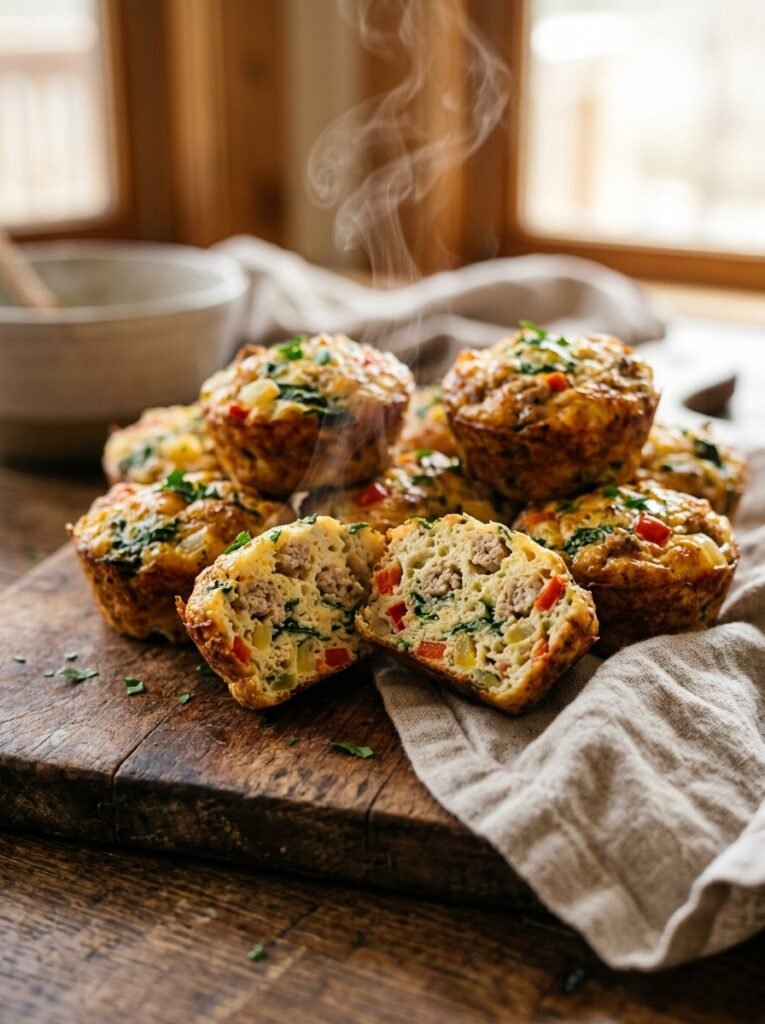
Egg muffins are an easy grab-and-go option for breakfast or a light meal.
They’re especially useful if you prefer savory foods in the morning.
Ingredients
- 6 eggs
- 100 g lean ground turkey, cooked
- 1 cup chopped spinach
- 1/2 bell pepper
- 1/4 onion
- Black pepper
- Paprika
- Optional: small amount of shredded cheese
Preparation
- Cook the turkey thoroughly.
- Whisk the eggs in a bowl.
- Add turkey, spinach, bell pepper, and onion.
- Season with pepper and paprika.
- Pour into a greased muffin pan.
- Bake until the eggs are fully set.
- Cool before refrigerating.
Meal-Prep Tip
Make a batch and store individual portions in the refrigerator.
Pair two egg muffins with fruit or whole-grain toast when you need a more substantial breakfast.
4. Tuna and Crunchy Vegetable Lunch Boxes
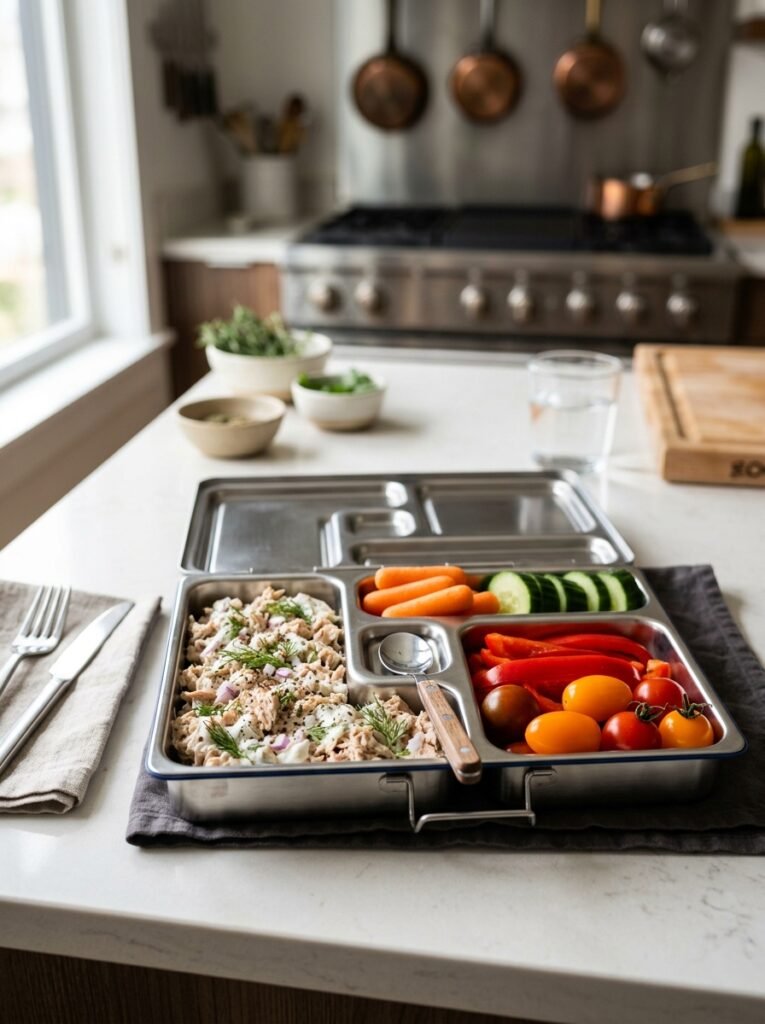
Tuna is a practical meal-prep protein because it doesn’t require cooking.
Combine it with plenty of crunchy vegetables and a fiber-rich carbohydrate for a simple lunch.
Ingredients
- Canned tuna
- Cucumber
- Tomatoes
- Carrots
- Lettuce
- Corn
- Chickpeas
- Lemon juice
- Plain Greek yogurt
- Black pepper
- Whole-grain crackers or bread
Preparation
Mix tuna with Greek yogurt, lemon juice, and black pepper.
Place it into a meal-prep container alongside chopped vegetables and chickpeas.
Keep crackers or bread separate until you’re ready to eat.
Easy Flavor Changes
Try adding:
- Chili flakes
- Mustard
- Paprika
- Fresh herbs
- Pickles
- Chopped red onion
You can create several different versions without changing the basic ingredients.
5. Low-Calorie Chicken Fajita Meal Prep
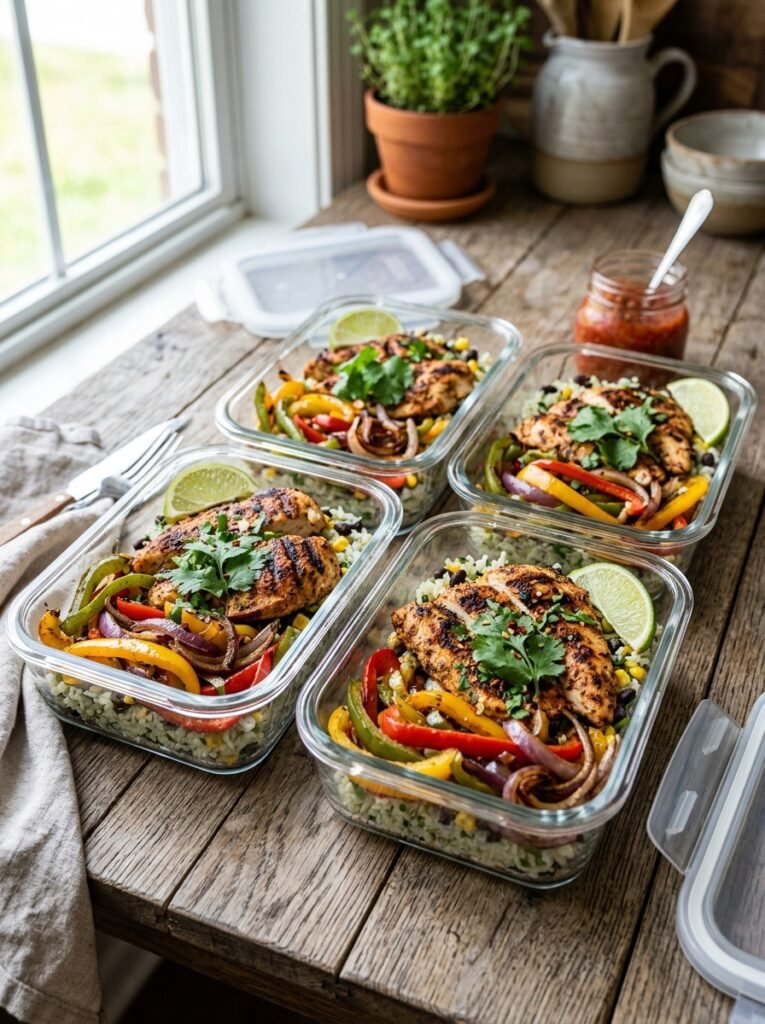
If you want meal prep that doesn’t taste like typical “diet food,” fajita bowls are a great option.
They’re packed with vegetables and bold seasoning.
Ingredients
- 500 g chicken breast
- 3 bell peppers
- 1 large onion
- 2 cups cooked rice
- 1 tablespoon olive oil
- Chili powder
- Cumin
- Paprika
- Garlic powder
- Lime juice
- Salsa
Preparation
- Slice the chicken, peppers, and onion.
- Season the chicken with chili powder, cumin, paprika, and garlic powder.
- Cook the chicken thoroughly.
- Add peppers and onions.
- Cook until the vegetables are tender.
- Divide rice into containers.
- Add the chicken and vegetables.
- Store salsa separately.
Make It Lighter
You don’t need to eliminate rice.
Instead, use a moderate portion and increase the vegetables.
That gives you a satisfying bowl without making the entire meal dependent on a large serving of rice.
6. Lentil and Vegetable Meal Prep
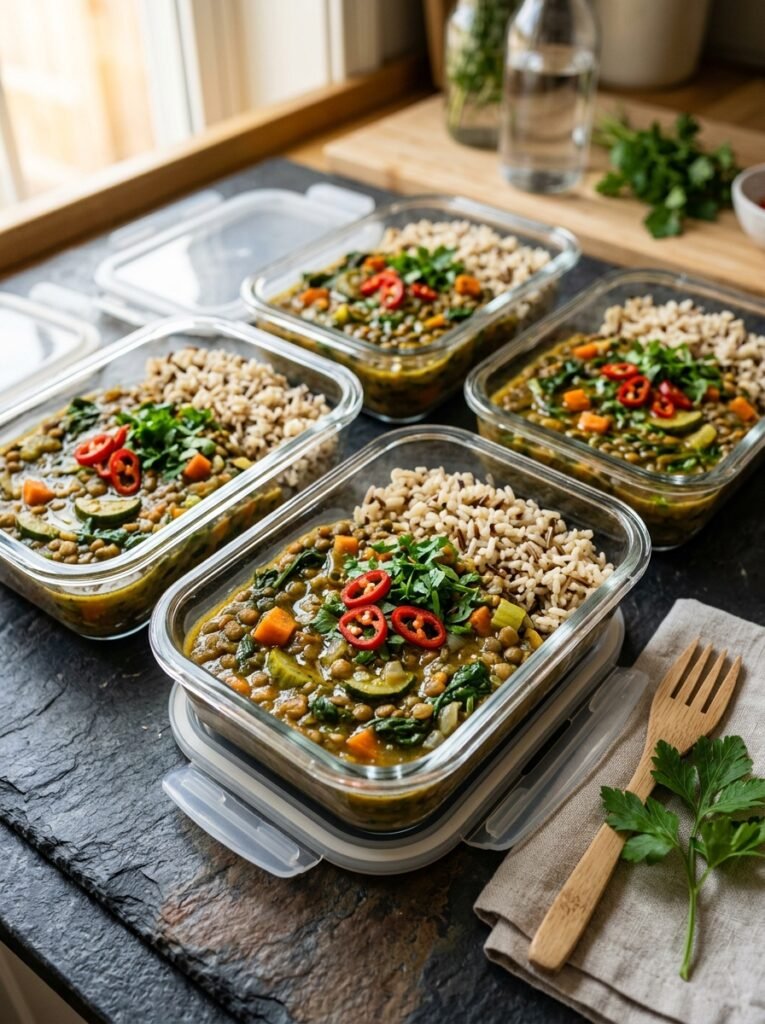
Lentils are inexpensive, filling, and convenient for plant-based meal prep.
They’re also easy to combine with vegetables and simple seasonings.
Ingredients
- Cooked lentils
- Carrots
- Tomatoes
- Spinach
- Onion
- Garlic
- Vegetable broth
- Cumin
- Paprika
- Black pepper
Preparation
Cook the onion and garlic until softened.
Add carrots, tomatoes, lentils, broth, cumin, and paprika.
Simmer until the vegetables are tender, then stir in spinach near the end.
Serving Idea
Serve with a small portion of brown rice or whole-grain toast.
You can also eat it as a standalone soup if you prefer a lighter dinner.
7. Low-Calorie Turkey and Bean Chili
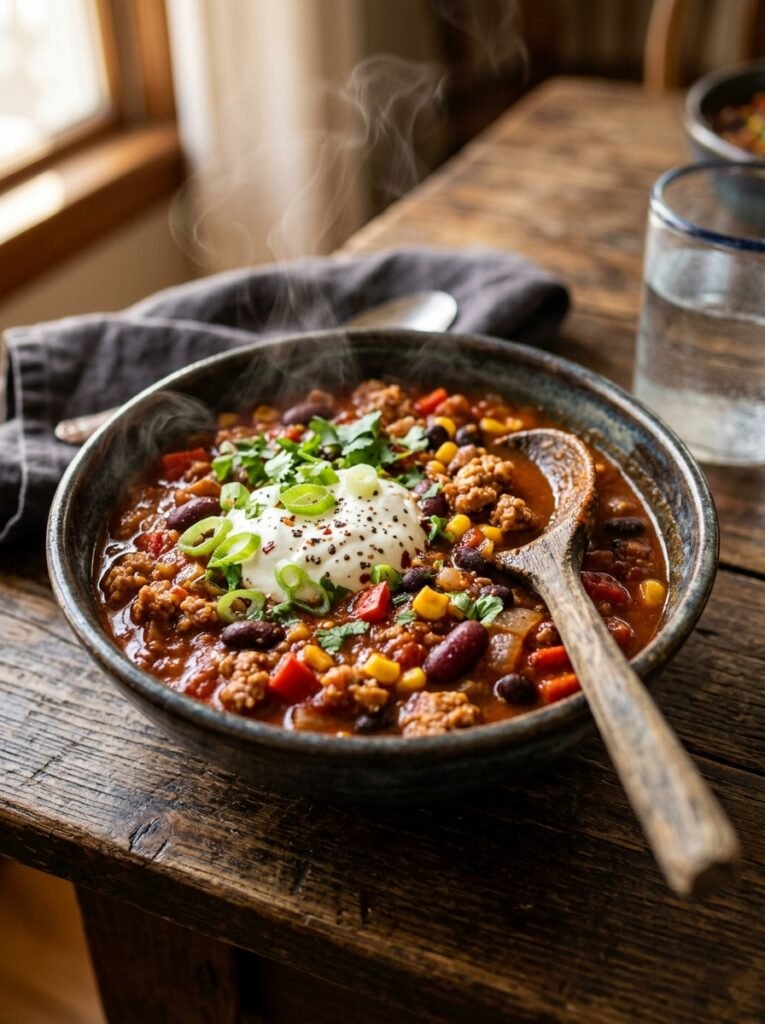
Chili is one of the best meal-prep foods because it often tastes even better after the flavors have had time to develop.
Ingredients
- Lean ground turkey
- Black beans
- Kidney beans
- Chopped tomatoes
- Bell pepper
- Onion
- Garlic
- Chili powder
- Cumin
- Paprika
- Black pepper
Preparation
- Cook the turkey in a large pot.
- Add onion and bell pepper.
- Stir in garlic and spices.
- Add tomatoes and beans.
- Simmer until the flavors come together.
- Divide into individual containers.
Serving Suggestions
Top your chili with:
- Greek yogurt
- Chopped cilantro
- Green onions
- Fresh tomato
- A small amount of avocado
Be mindful of calorie-dense toppings if you’re trying to keep the entire meal lighter.
8. Mediterranean Chickpea Salad
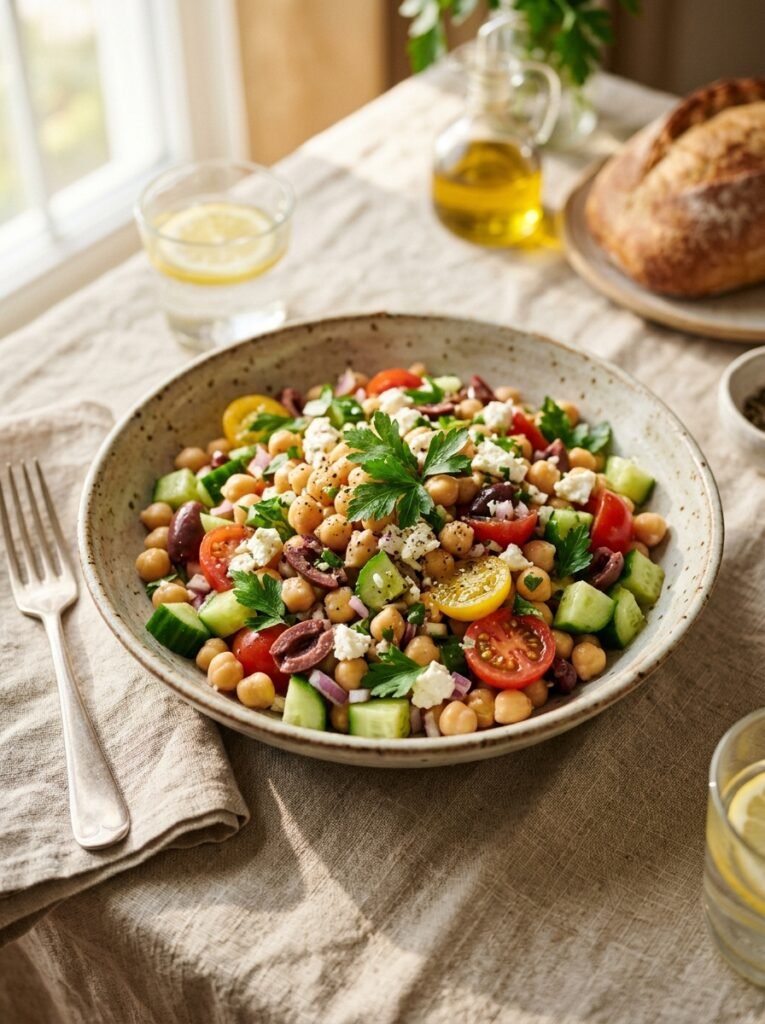
When you don’t want to cook, a chickpea salad can save the day.
It’s refreshing, easy to prepare, and works well for lunch.
Ingredients
- Chickpeas
- Cucumber
- Tomatoes
- Bell pepper
- Red onion
- Parsley
- Lemon juice
- Small amount of olive oil
- Black pepper
- Optional: feta cheese
Preparation
Combine the chickpeas and chopped vegetables.
Add lemon juice, a small amount of olive oil, parsley, and black pepper.
Mix well and divide into containers.
Add More Protein
If you need a more substantial meal, add:
- Grilled chicken
- Tuna
- Boiled eggs
- Tofu
You can also serve the salad with a small portion of whole-grain pita.
9. Sheet-Pan Chicken, Potatoes, and Green Beans
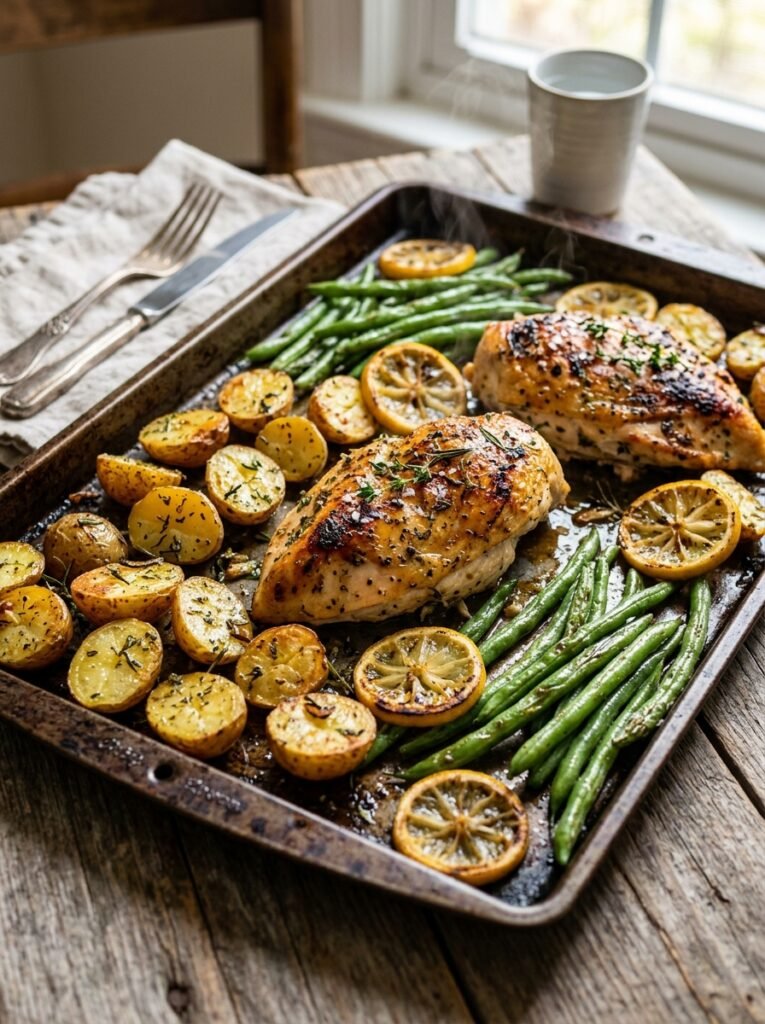
Sheet-pan meals are perfect if you don’t want to wash a mountain of dishes.
Everything cooks together on one tray.
Ingredients
- Chicken breast
- Baby potatoes
- Green beans
- Olive oil
- Garlic powder
- Paprika
- Black pepper
- Rosemary or Italian seasoning
Preparation
- Cut the potatoes into small pieces.
- Toss them with a small amount of olive oil and seasoning.
- Roast until they begin to soften.
- Add chicken and green beans.
- Continue cooking until the chicken reaches a safe internal temperature and the vegetables are tender.
- Divide into meal-prep containers.
Portion Tip
If you’re trying to keep the meal lower in calories, don’t make the potatoes the largest part of the container.
Give vegetables plenty of space and use a moderate serving of potatoes.
10. Low-Calorie Shrimp and Vegetable Bowls
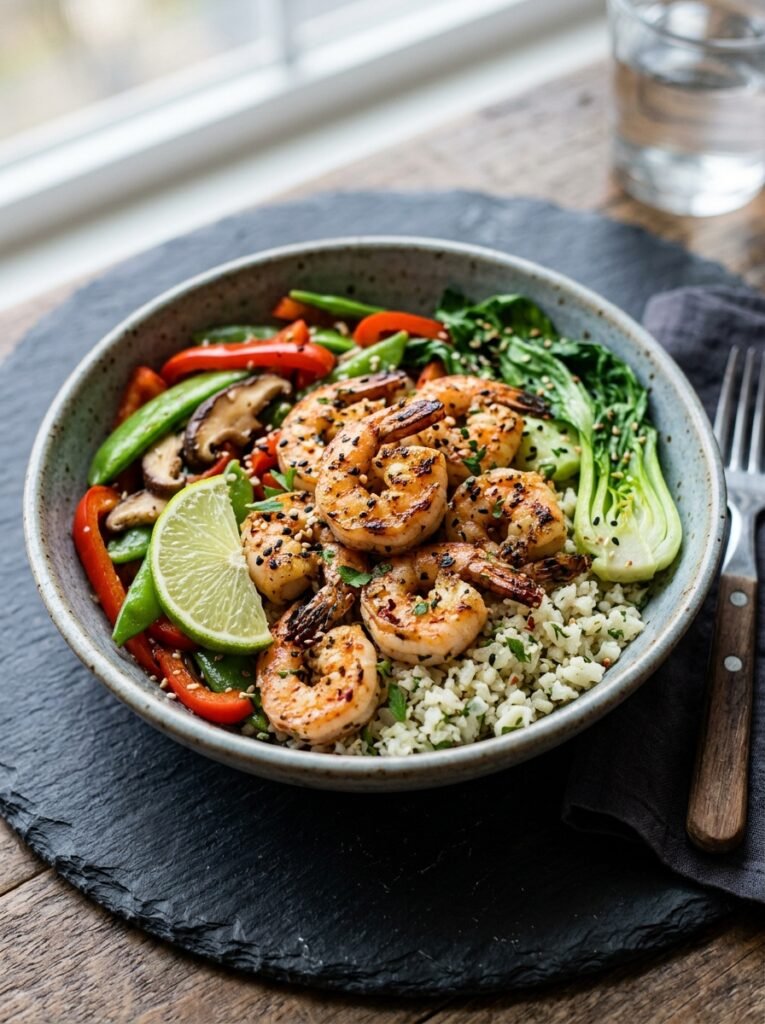
Shrimp cooks quickly, which makes it ideal for meal prep when you don’t want to spend hours in the kitchen.
Ingredients
- Shrimp
- Broccoli
- Bell peppers
- Zucchini
- Brown rice
- Garlic
- Lemon juice
- Paprika
- Black pepper
Preparation
Cook the vegetables in a large skillet.
Add seasoned shrimp and cook until they are fully cooked.
Serve with a moderate portion of brown rice and finish with lemon juice.
Meal-Prep Note
Shrimp can be more delicate than chicken, so avoid overcooking it.
For best quality, store prepared portions properly and follow safe food-storage practices.
11. Chicken and Hummus Wraps
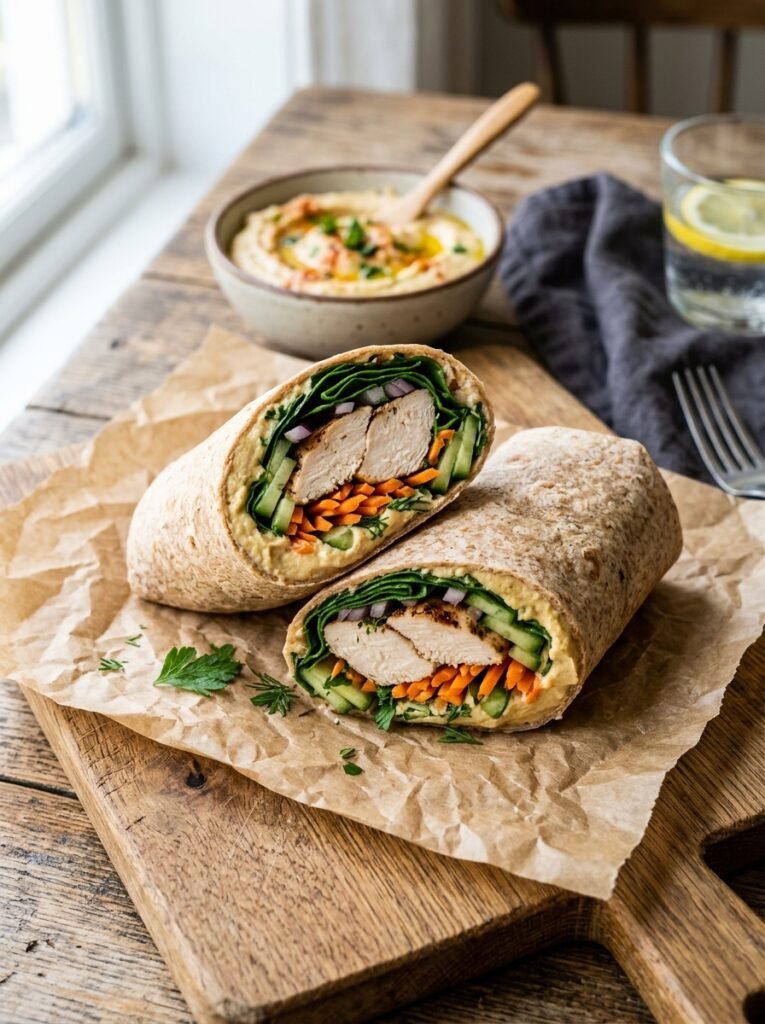
Wraps can be excellent meal-prep lunches when you choose your ingredients carefully.
Ingredients
- Whole-grain tortillas
- Cooked chicken breast
- Hummus
- Lettuce
- Cucumber
- Tomato
- Shredded carrots
- Black pepper
Preparation
Spread a thin layer of hummus over the tortilla.
Add chicken and vegetables, then roll tightly.
If you’re preparing these several days ahead, keep wet ingredients separate when possible to prevent the tortilla from becoming soggy.
Make It More Flavorful
Add lemon juice, paprika, fresh herbs, or a small amount of hot sauce.
You don’t need a heavy dressing to make a wrap enjoyable.
12. Low-Calorie Vegetable and Egg Fried Rice
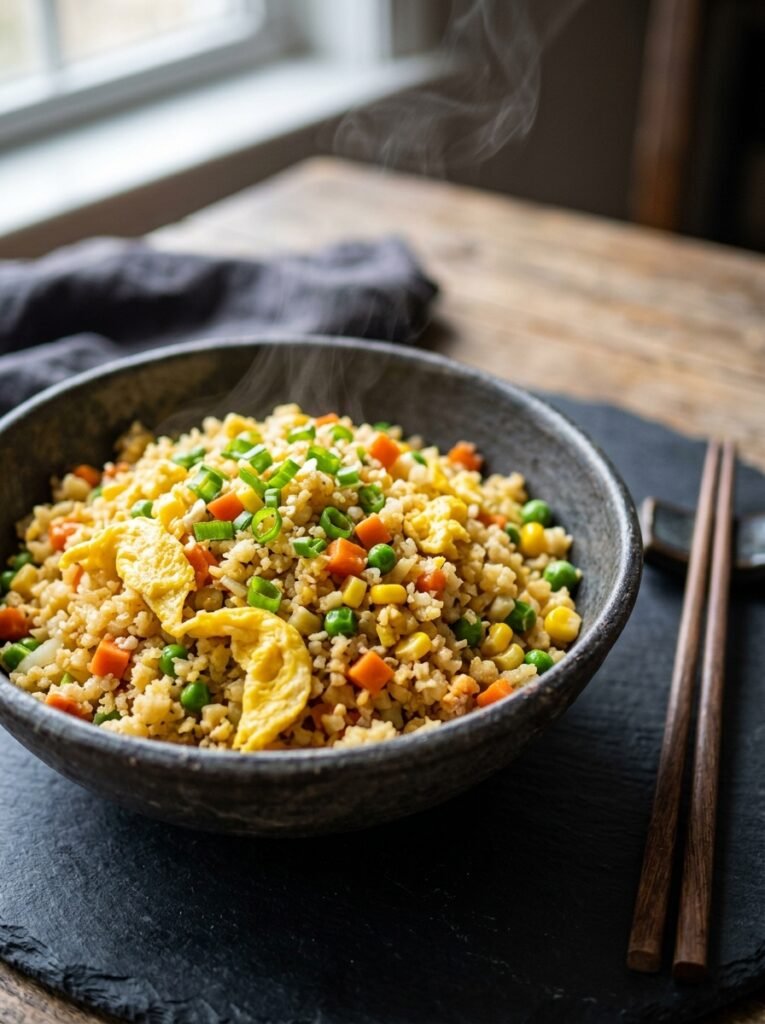
Leftover rice can become a completely different meal with a few simple ingredients.
Ingredients
- Cooked brown or white rice
- Eggs
- Frozen mixed vegetables
- Green onions
- Garlic
- Low-sodium soy sauce
- Small amount of sesame oil
Preparation
- Heat a nonstick skillet.
- Add vegetables and garlic.
- Push vegetables to one side.
- Add beaten eggs and scramble.
- Add cooked rice.
- Stir everything together.
- Add soy sauce and a small amount of sesame oil.
- Finish with green onions.
Add Protein
You can add cooked chicken, shrimp, tofu, or edamame.
That can turn a simple side dish into a complete meal.
How to Plan a Low-Calorie Meal Prep Week
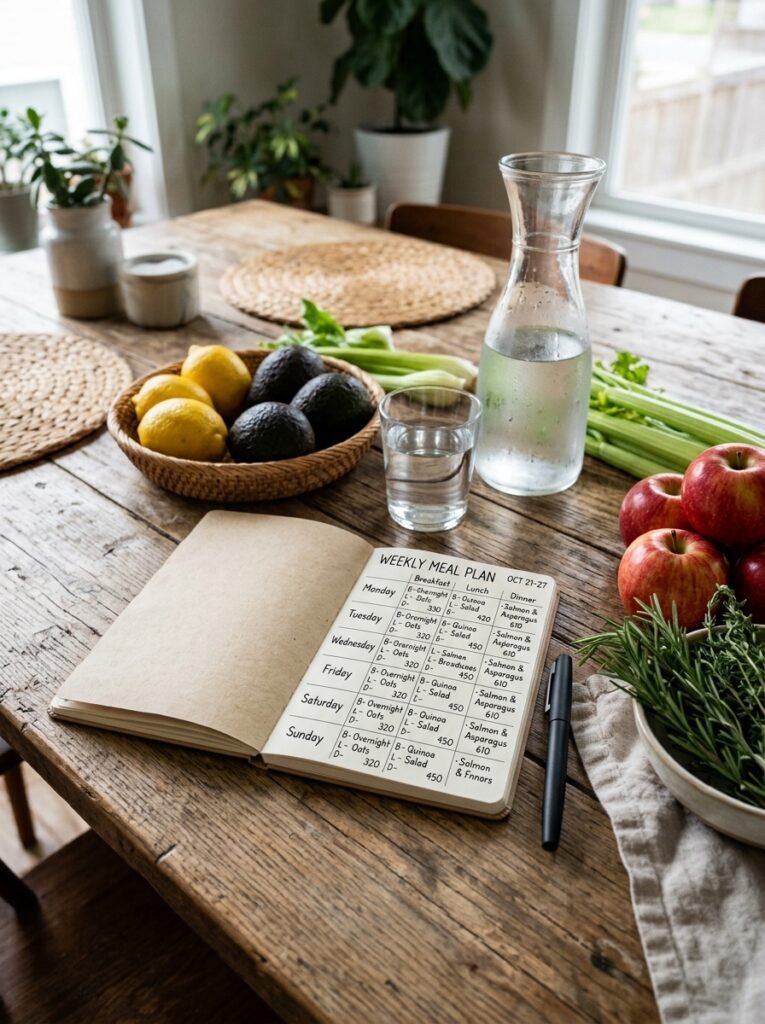
Meal prep becomes much easier when you stop trying to plan seven completely different meals.
Instead, choose a few ingredients that can work in multiple dishes.
Here’s a simple framework.
Step 1: Choose Two Proteins
Pick two options such as:
- Chicken
- Turkey
- Eggs
- Tuna
- Tofu
- Lentils
- Beans
- Shrimp
Step 2: Choose Three Vegetables
Pick vegetables you genuinely enjoy.
For example:
- Broccoli
- Bell peppers
- Cucumber
There’s no reason to force yourself to eat vegetables you dislike just because they’re considered “healthy.”
Step 3: Choose Two Carbohydrates
Try:
- Brown rice
- Potatoes
- Sweet potatoes
- Quinoa
- Whole-grain wraps
Step 4: Pick Two Flavor Profiles
This is the trick that keeps your meals from feeling repetitive.
Try a Mediterranean combination with lemon, garlic, herbs, and yogurt.
Then use a Mexican-inspired combination with cumin, chili powder, lime, and salsa.
Same chicken.
Different meal.
A Simple 7-Day Low-Calorie Meal Prep Plan
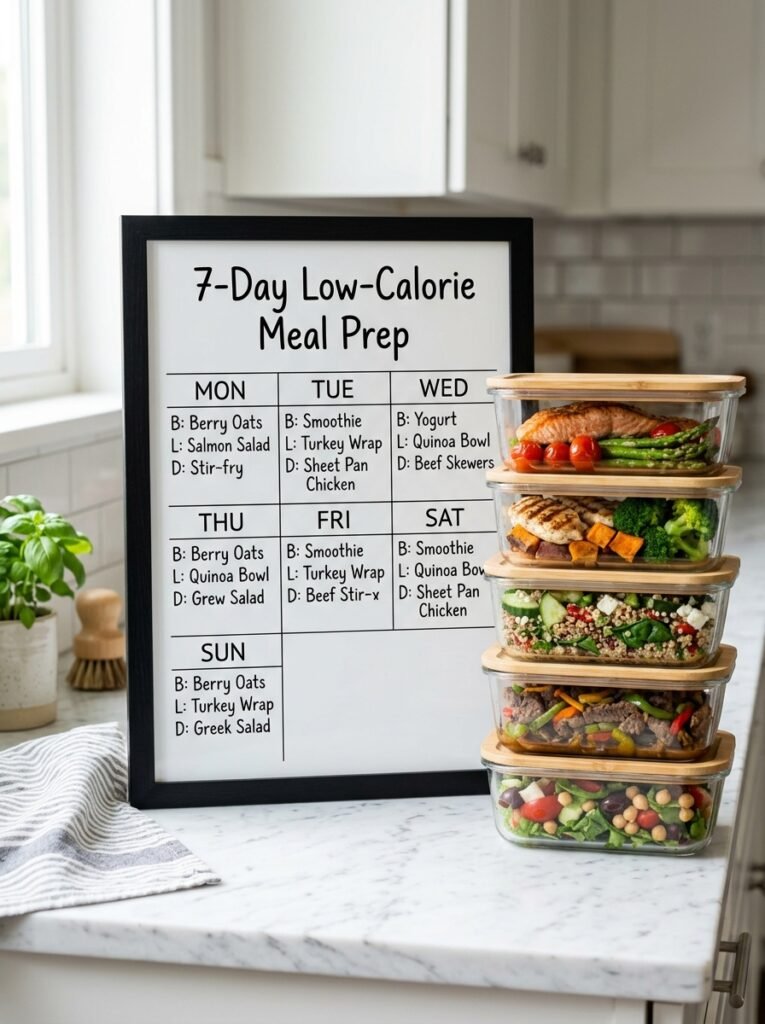
Here’s an example of how you could organize the ingredients throughout the week.
Monday
Breakfast: Greek yogurt, berries, oats, and chia seeds
Lunch: Chicken, brown rice, broccoli, and lemon-yogurt sauce
Dinner: Lentil vegetable soup with whole-grain toast
Tuesday
Breakfast: Egg muffins with spinach and fruit
Lunch: Chicken fajita bowl with peppers, onions, and salsa
Dinner: Tuna and vegetable salad with chickpeas
Wednesday
Breakfast: Greek yogurt bowl
Lunch: Chicken and hummus wrap with vegetables
Dinner: Turkey and bean chili
Thursday
Breakfast: Egg muffins with whole-grain toast
Lunch: Mediterranean chickpea salad with chicken
Dinner: Shrimp and vegetable rice bowl
Friday
Breakfast: Greek yogurt with fruit and cinnamon
Lunch: Leftover turkey chili
Dinner: Chicken, roasted vegetables, and potatoes
Saturday
Breakfast: Vegetable eggs with toast
Lunch: Tuna wrap with cucumber and tomato
Dinner: Vegetable and egg fried rice
Sunday
Breakfast: Greek yogurt and fruit
Lunch: Leftover meal-prep bowl
Dinner: Fresh meal using remaining vegetables and protein
The point isn’t to follow this exact schedule.
It’s to give you a structure you can adapt.
How to Keep Meal Prep Lower in Calories Without Feeling Hungry
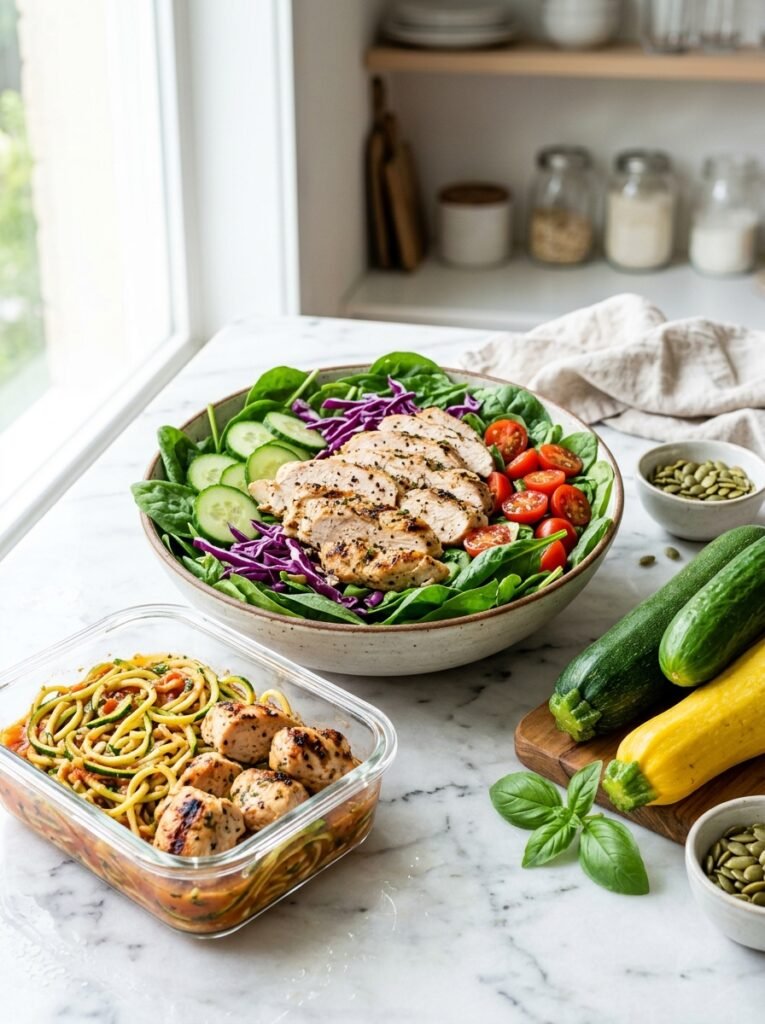
Reducing calories doesn’t mean making every meal tiny.
Instead, look for ways to make your meals more filling for the calories you’re eating.
Increase Vegetable Volume
Adding an extra cup of non-starchy vegetables can make a bowl look and feel much more substantial.
Try broccoli, cauliflower, zucchini, cabbage, mushrooms, cucumber, or leafy greens.
Use Protein Strategically
Include a solid protein source in your main meals.
This can help you avoid the feeling that you ate lunch but somehow you’re hungry again 30 minutes later.
Measure Calorie-Dense Ingredients When Needed
Olive oil, nuts, seeds, cheese, sauces, and nut butters can all fit into a healthy diet.
But portions can add up quickly.
If you’re having trouble staying within your calorie target, measuring these ingredients for a week or two can teach you what typical portions actually look like.
Don’t Drink Most of Your Calories
Sugary drinks can add calories without providing the same satisfaction as a balanced meal.
Water, sparkling water, unsweetened tea, or other low-calorie drinks can make it easier to manage your overall intake.
You don’t have to completely eliminate enjoyable drinks, but making water your everyday default is a simple habit.
Smart Grocery List for Low-Calorie Meal Prep
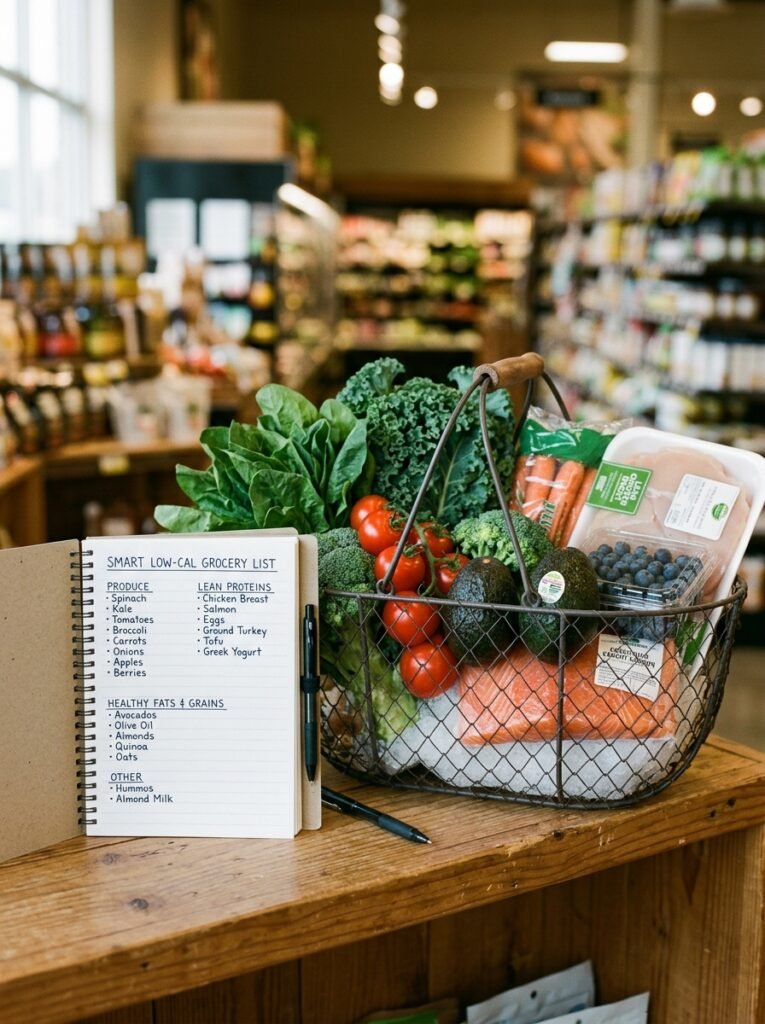
A good grocery list can make your meal-prep routine much easier.
Proteins
- Chicken breast
- Lean turkey
- Eggs
- Tuna
- Shrimp
- Greek yogurt
- Cottage cheese
- Tofu
- Lentils
- Chickpeas
- Black beans
Vegetables
- Broccoli
- Bell peppers
- Spinach
- Carrots
- Cucumbers
- Tomatoes
- Zucchini
- Green beans
- Cabbage
- Frozen mixed vegetables
Carbohydrates
- Brown rice
- Potatoes
- Sweet potatoes
- Quinoa
- Oats
- Whole-grain bread
- Whole-grain tortillas
- Whole-grain pasta
Flavor Ingredients
- Lemons
- Limes
- Garlic
- Ginger
- Salsa
- Mustard
- Low-sodium soy sauce
- Greek yogurt
- Chili powder
- Cumin
- Paprika
- Black pepper
- Herbs
Having these basics available means you can usually create a meal even when you haven’t followed your original plan.
Meal Prep Food Safety Basics
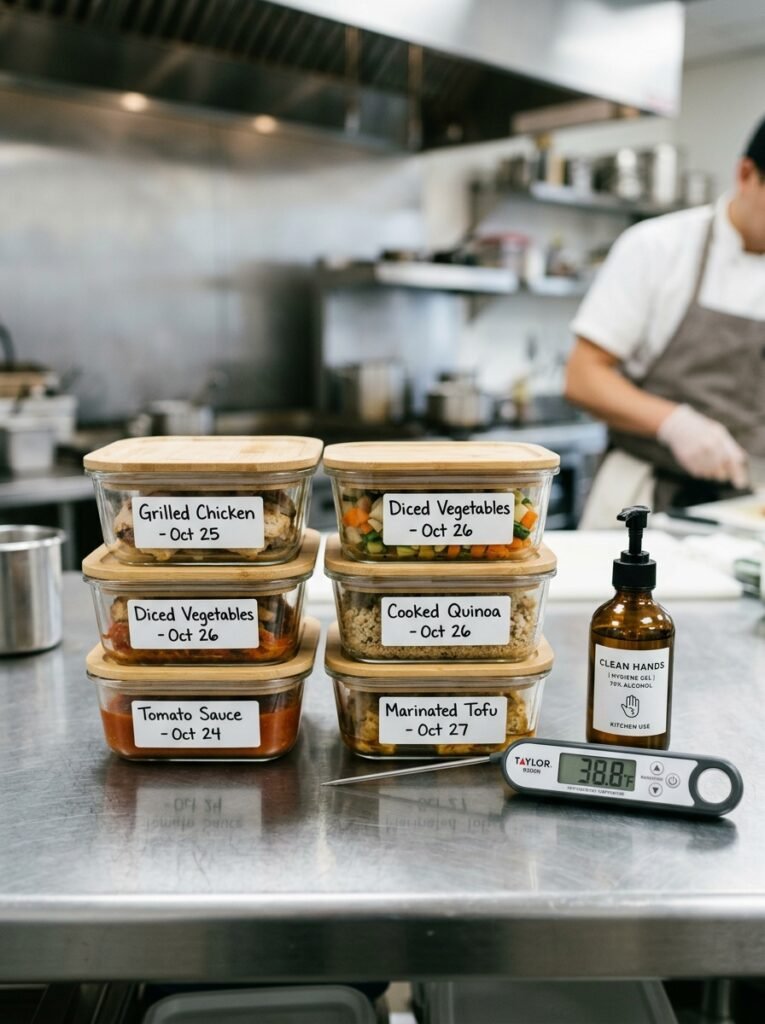
Healthy meal prep also means storing food safely.
Cooked foods should be refrigerated promptly rather than sitting at room temperature for extended periods.
Use clean, airtight containers and keep your refrigerator at a safe temperature.
If you’re unsure whether prepared food is still safe to eat, don’t rely on smell or appearance alone. When in doubt, discard it.
For meals containing meat, poultry, seafood, or eggs, make sure the ingredients are thoroughly cooked and handle them carefully before and after cooking.
How to Avoid the “Perfect Meal Prep” Trap
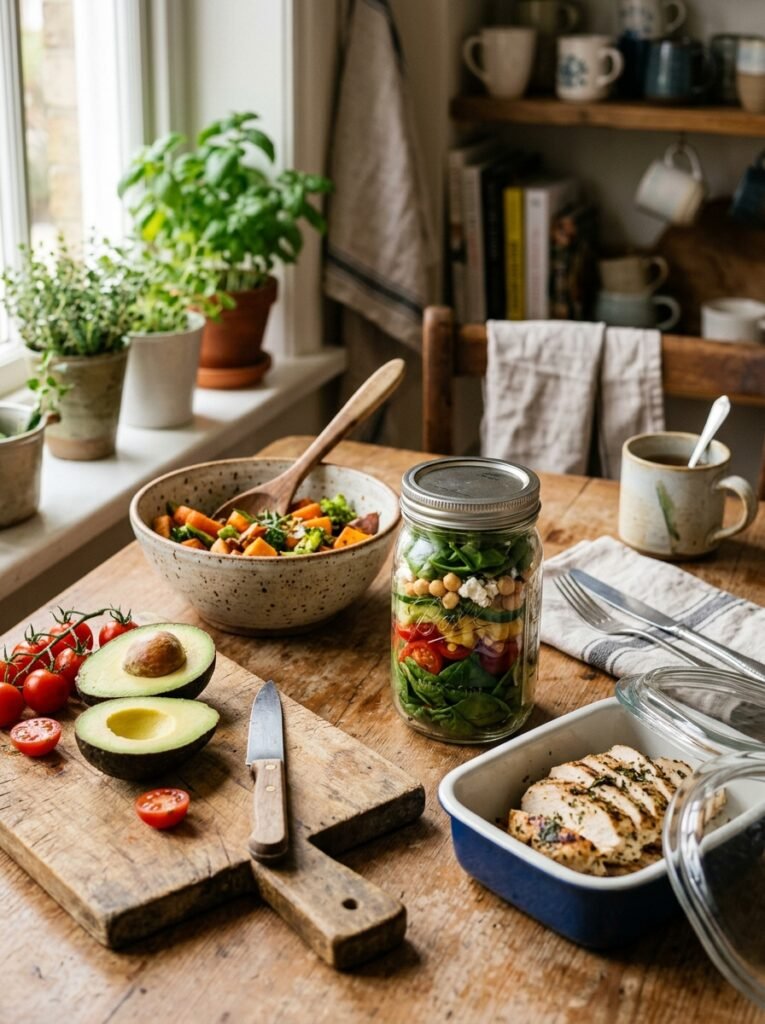
You don’t need to prepare every meal on Sunday.
You don’t need matching containers.
You don’t need seven perfectly calculated meals.
And you certainly don’t need to eat food you hate.
A sustainable routine might simply mean cooking enough chicken for three lunches, washing vegetables, boiling a few eggs, and keeping convenient frozen foods available.
That’s still meal prep.
The best low-calorie meal plan is one you can realistically follow when you’re busy, tired, traveling, or simply not in the mood to cook.