
Homemade Raw-Pack Canned Tomatoes for Low-Carb Meal Prep
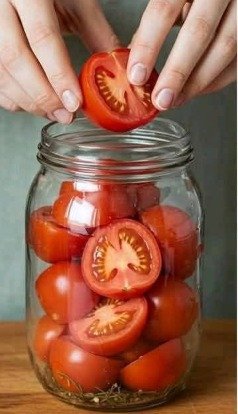
Description:
Capture the peak sweetness, bright acidity, and garden-fresh flavor of vine-ripened summer produce with this traditional raw-pack method for canned tomatoes. Packing freshly peeled, juicy tomatoes tightly into jars allows them to render their own natural juices during processing, yielding tender, rich-textured fruit without turning mushy. Preserving whole tomatoes naturally provides a vibrant, nutrient-dense pantry staple that effortlessly pairs with lean ground beef, chicken, or eggs to elevate high protein and low-carb culinary creations.
Can This Canned Tomatoes Recipe Support Weight Loss Goals?
Yes, raw-pack canned tomatoes are an exceptional culinary ally for healthy weight management. They are naturally low in calories and virtually fat-free while offering rich volume and dietary fiber, which promotes satiety and prevents overeating. Incorporating these juicy tomatoes into lean protein stews, hearty turkey chilis, or vegetable scrambles adds rich moisture and savory umami without adding unnecessary refined sugars, calorie-dense oils, or excess carbs.
Does Canned Tomatoes Fit a High Protein Lifestyle?
Raw-pack canned tomatoes fit seamlessly into a high protein, low-carb lifestyle as a versatile, nutrient-dense flavor base. Containing only whole tomatoes, a splash of lemon juice for safe acidity, and an optional touch of salt, a single serving delivers under 5 grams of net carbs. While tomatoes themselves are naturally low in protein, their rich texture and concentrated flavor serve as the ultimate sauce vehicle for protein-packed mains like braised chicken thighs, slow-cooked beef chuck, or baked fish fillets.
My Personal Experience:
-
Effortless Batch Prep:
Raw-packing skips the pre-cooking stage entirely, saving me hours in the kitchen whenever summer garden harvests hit their peak. It streamlines food preservation so stocking an organized pantry feels completely manageable.
-
Superior Sauce Foundations:
These jars retain far more natural tomato bite and aroma compared to commercial store-bought cans. Whenever I simmer quick post-workout skillet chicken dinners, the tomatoes crush into a vibrant, velvety sauce within minutes.
-
Consistent Quality and Flavor:
Using a pressure canner with this method produces clear liquid and tender whole fruit that hold their shape. Every jar delivers consistent, balanced acidity without any canned metal aftertaste.
Perfect For:
-
High protein dinner bases: Excellent for braising beef shanks, turkey meatballs, or poaching cod and salmon.
-
Low-carb recipe additions: Perfect base for homemade low-carb marinara, shakshuka, and vegetable beef soups.
-
High protein meal prep: Simplifies making large batches of chili or shredded Mexican-style chicken for weekly macro tracking.
-
Keto diet plans: Provides real whole-food flavor and essential micronutrients with minimal net carbs.
Why You’ll Love This Recipe:
-
Zero Boiling Before Packing:
Raw-packing allows you to peel and pack raw tomatoes directly into jars, cutting prep time and kitchen mess significantly. You do not need to stand over a simmering stockpot before your jars enter the canner.
-
Preserves Natural Texture:
Because the fruit is not pre-cooked, the tomatoes stay firmer and retain their structural integrity in the jar. They will not dissolve into mush during pantry storage or cooking.
-
No Added Fillers or Preservatives:
You retain complete control over your ingredients with zero added industrial stabilizers, high-fructose corn syrup, or excess sodium. It yields clean, reliable whole-food nutrition straight from your shelf.
Common Mistakes to Avoid:
-
Omitting Required Acidification: Skipping bottled lemon juice or citric acid is unsafe; modern tomato varieties often lack the acidity required to safely prevent botulism in home canning.
-
Packing Too Loosely: Tomatoes shrink significantly during processing; failing to press them down firmly leaves jars half-empty with floating fruit and excess headspace.
-
Trapping Air Bubbles: Forgetting to run a non-metallic bubble remover around the inner edges of the jar leaves air pockets that can cause surface discoloration and poor seal integrity.
-
Rushing the Cooling Process: Artificially cooling jars with fans or cold water can cause thermal shock, cracked glass, or seal failure; always let jars cool undisturbed on a towel for 12–24 hours.
Required Equipment:
-
Pressure Canner (or Deep Water Bath Canner) — Provides safe, even, high-temperature heat penetration to properly preserve low-acid and acidified foods.
-
Quart or Pint Glass Canning Jars with 2-Piece Lids — Creates an airtight, shelf-stable vacuum seal to keep your preserved harvest fresh for months.
-
Jar Lifter — Safely grips and transfers slick, boiling-hot glass jars into and out of the canner without tilting.
-
Canning Funnel & Bubble De-bubbler — Prevents messy spills on jar rims and removes trapped air pockets for an optimal, lasting seal.
Storage Instructions:
Store sealed, cooled jars in a cool, dark, dry place (such as a pantry or cellar between 50°F and 70°F) for up to 12 to 18 months; remove the metal screw bands before shelving to detect any broken seals. Once a jar is opened, refrigerate leftovers in an airtight glass container or the re-lidded jar for up to 5 to 7 days. For longer storage of opened portions, transfer the remaining tomatoes into a freezer-safe container or silicone bag and freeze for up to 6 months; this preserves their fresh tomato flavor for quick thawing into high protein soups and sauces.
Recipe Details
-
Preparation Time: 45 minutes
-
Cooking Time: 85 minutes (Standard water bath for quarts) or 25 minutes (Pressure canner at 11 PSI dial gauge for quarts)
-
Total Time: Approximately 2 hours 10 minutes
-
Servings: 7 Quarts (approx. 28 half-cup servings)
-
Best Season for This Recipe: Late Summer (or All-Season if using fresh market cases)
-
Total Calories (Per Serving): Approximately 25–30 calories per 1/2 cup serving (approximate estimate)
Description
These raw-pack canned tomatoes preserve peak-harvest flavor and natural sweetness with minimal active prep. Firm, peeled tomatoes are packed tightly to release their own savory juices, creating an indispensable low-carb pantry staple. Combine a jar with lean meats, seafood, or hearty legumes for wholesome, high protein weeknight meals.
📝 Ingredients:
-
21 lbs (approx. 9.5 kg) Fresh, Firm Ripe Tomatoes (Plum/Roma varieties work best for a meatier texture and less water; avoid soft, overripe fruit)
-
Bottled Lemon Juice — 2 tablespoons per quart jar (or 1 tablespoon per pint jar) (Do not use fresh lemon juice, as bottled juice has a standardized, safe pH level)
-
Canning Salt (Optional) — 1 teaspoon per quart jar (or 1/2 teaspoon per pint jar) (Do not use iodized table salt, which turns canning liquid cloudy)
-
Boiling Water (Optional; only needed if tomatoes do not yield sufficient juice when pressed down)
Directions:
-
Sterilize and Prep Equipment:
Wash canning jars, lids, and bands in hot, soapy water. Keep clean jars hot in simmering water until ready to fill so they do not crack when packed.
-
Blanch and Peel the Tomatoes:
Bring a large stockpot of water to a rolling boil over high heat, and prepare an adjacent large bowl filled with ice water. Cut a small, shallow “X” into the bottom of each tomato, lower them into boiling water for 30–60 seconds until skins split, then immediately transfer them into the ice bath. The skins will slide off smoothly; core the tomatoes and leave whole or halve.
-
Acidify the Jars:
Add 2 tablespoons of bottled lemon juice and 1 teaspoon of canning salt (if using) directly into the bottom of each hot, clean quart jar.
-
Raw-Pack the Tomatoes:
Tightly pack the raw, peeled tomatoes into the hot jars, pressing down gently with a wooden spoon or tamper so the tomatoes release their natural juices to fill the spaces. Pack firmly, leaving exactly 1/2-inch headspace at the top of the jar. If juices do not cover the tomatoes, top with a small amount of boiling water while maintaining the 1/2-inch headspace.
-
De-bubble and Seal:
Slide a non-metallic bubble freer or spatula down the sides of the jar to release trapped air bubbles. Wipe the rim clean with a damp paper towel to remove any seeds or juice, center the flat lid on the jar, and screw the metal band down until fingertip-tight.
-
Process the Jars:
-
Water Bath Method: Submerge jars in a boiling water bath (ensuring at least 1–2 inches of water covers the tops) and process quarts for 85 minutes (or pints for 85 minutes) at a steady, rolling boil over medium-high heat (adjust timing for altitude).
-
Pressure Canner Method (Alternative): Process quarts for 25 minutes (pints for 25 minutes) at 11 PSI (dial gauge) or 10 PSI (weighted gauge), adjusting for altitude.
-
-
Cool and Inspect:
Turn off the heat, carefully remove the jars with a jar lifter without tilting, and place them on a towel-lined counter spaced 1 inch apart. Allow to cool completely for 12 to 24 hours without disturbing. Check that all lids have sucked down with a concave center and emit no flex before labeling and storing.
-
High Protein Cooking Tip: When ready to eat, empty a jar directly into a hot skillet with 93/7 lean ground beef, garlic, and Italian herbs for a lightning-fast, high protein, low-carb ragù.
-
Nutrition Facts (Per Serving – Approximate):
(Serving size: 1/2 cup / ~120g)
-
Calories: 27 kcal
-
Fats: 0.2 g
-
Cholesterol: 0 mg
-
Sodium: 180 mg (less than 10 mg if salt is omitted)
-
Potassium: 280 mg
-
Total Carbohydrates: 5.8 g
-
Fiber: 1.5 g
-
Net Carbs: 4.3 g
-
Sugars: 3.6 g
-
Protein: 1.1 g
-
Calcium: 14 mg
Notes:
-
Storage Tips: Store sealed jars without metal rings in a temperature-stable, dark space; wipe jars dry to prevent lid corrosion.
-
Reheating Instructions: When using from the pantry, bring tomatoes to a simmer in a saucepan over medium heat for 8–10 minutes to develop depth and cook into stews or sauces.
-
Allergy Notes: Naturally gluten-free, dairy-free, soy-free, and vegan; check that sensitive individuals tolerate nightshades.
-
Flavor Boosts: When opening jars to cook, stir in crushed red pepper flakes, fresh basil, roasted garlic, or smoked paprika along with lean proteins to build a savory dinner profile.