
DIY Deep-Cleaning Hydrogen Peroxide & Baking Soda Scrub
Description
This versatile two-ingredient powerhouse is a staple for natural, chemical-free home cleaning. The micro-abrasive texture of sodium bicarbonate works in tandem with the oxygen-bleaching power of household hydrogen peroxide (3%) to dissolve stubborn grease, lift baked-on cookware grime, and brighten discolored tile grout without caustic fumes.
Intended Use & Safety Clarifications
-
Can this mixture be ingested or support diet goals?
No. This mixture is toxic if swallowed. It provides zero nutritional value and must never be consumed for weight loss, high-protein diets, or wellness routines.
-
Is this suitable for skin or oral use?
While dilute solutions of hydrogen peroxide or baking soda have niche personal-care uses (such as monitored mouth rinses), combining them into a concentrated leave-on paste is not recommended for regular topical or dental application, as it can erode enamel or irritate soft tissue. Use this recipe strictly for hard surfaces, laundry pre-treatments, and cookware.
My Experience
-
Effortless Grout Revival:
Applying this paste to darkened shower and floor grout lifted months of residue within ten minutes of dwell time. The mild foaming action loosened embedded mineral scale without demanding heavy elbow grease.
-
Salvaged Baked-On Sheet Pans:
Coating burnt oil stains on stainless steel baking sheets broke down polymerized fat layers easily. A light scrub with a non-scratch sponge restored the shine without scratching the metal surface.
Perfect For:
-
Removing baked-on grease from stainless steel pots and glass ovenware.
-
Brightening floor, kitchen, and bathroom tile grout lines.
-
Neutralizing stubborn collar rings and organic underarm stains on white cotton fabrics.
-
Deodorizing and scouring porcelain sinks, bathtubs, and ceramic fixtures.
Why You’ll Love This Formulation:
-
Zero Harsh Fumes:
Unlike chlorine bleach or commercial ammonia cleaners, this paste breaks down simply into water, oxygen, and mild salts, leaving no chemical vapors behind.
-
Dual-Action Cleaning Power:
Hydrogen peroxide’s oxidation breaks chemical bonds in organic stains while the baking soda provides controlled mechanical abrasion to lift physical dirt.
Common Mistakes to Avoid:
-
Using Too High a Peroxide Concentration: Always use standard 3% household hydrogen peroxide. Stronger concentrations (such as 10%–35% food-grade or developer peroxide) can cause skin burns and damage surfaces.
-
Prematurely Scrubbing: Wiping the paste off immediately doesn’t give the peroxide enough dwell time to oxidize the stain. Let it sit for 10–20 minutes before scrubbing.
-
Using on Sensitive Natural Stone: Avoid using this mixture on unsealed marble, travertine, or limestone, as prolonged contact can dull polished finishes.
-
Storing in an Airtight Container: Hydrogen peroxide naturally degrades and releases oxygen gas. Storing the mixture in a sealed jar can cause gas pressure to build up and burst the container.
Required Equipment:
-
Small non-reactive bowl (glass or ceramic): Prevents premature catalytic degradation of peroxide that occurs in raw metal bowls.
-
Nylon bristle brush or old toothbrush: Reaches deep into narrow grout channels and pan crevices.
-
Rubber cleaning gloves: Protects sensitive skin from drying out or temporarily whitening from peroxide contact.
-
Microfiber cloth: Wipes away residual baking soda chalkiness cleanly and quickly.
Storage Instructions:
-
Do Not Store: This mixture works best when mixed fresh. Hydrogen peroxide begins releasing oxygen rapidly once combined with baking soda, causing the paste to lose its active cleaning potency within a few hours.
-
Container Warning: Never seal leftover paste inside an airtight container or spray bottle, as oxygen gas buildup can cause the container to bulge or rupture. Discard any unused excess by rinsing it down the drain with warm water.
Paste Details
-
Preparation Time: 2 minutes
-
Dwell/Working Time: 10–20 minutes
-
Total Time: ~15–25 minutes
-
Yield: Approximately ½ cup of cleaning scrub
-
Shelf Life: Single-use only (mix fresh)
Ingredients:
-
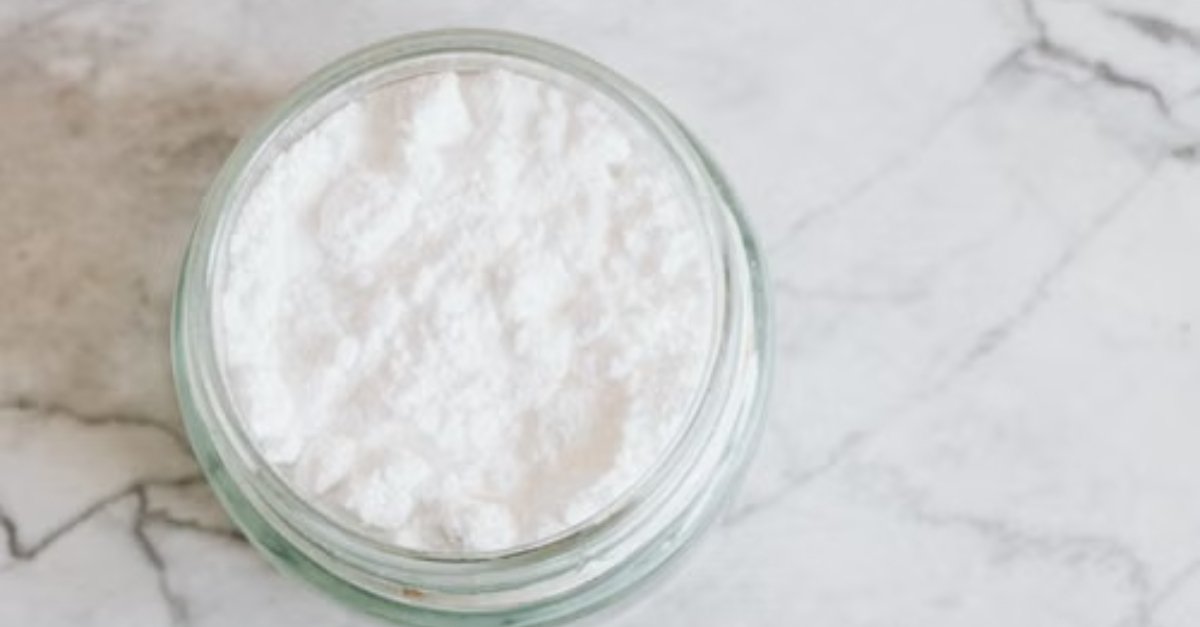
½ cup Baking Soda (Sodium Bicarbonate): Standard household baking soda.
-
2 to 3 tablespoons Hydrogen Peroxide (3% Concentration): Use fresh 3% topical antiseptic liquid; do not substitute with industrial or hair developer concentrations.
-
(Optional) 1 teaspoon Liquid Castile Soap or Dish Soap: Add for heavy grease removal on cookware and stovetops.
Directions:
-
Combine the Base:
Measure ½ cup of baking soda into a clean glass or ceramic bowl.
-
Add Hydrogen Peroxide Gradually:
Pour in 2 tablespoons of 3% hydrogen peroxide. Stir slowly with a spoon. A mild fizzing reaction is normal.
-
Adjust the Viscosity:
Add the remaining tablespoon of hydrogen peroxide a few drops at a time until a spreadable, frosting-like consistency is achieved. If it runs off vertical surfaces, add a pinch more baking soda.
-
Apply to Target Surface:
Spread the paste directly onto the stain, scorched pan, or grout line using a spatula or gloved fingers. Ensure the layer completely blankets the stained area.
-
Allow Dwell Time:
Let the paste sit undisturbed for 15 to 20 minutes to allow the oxidation process to lift the stain.
-
Agitate and Rinse:
Scrub in small circular motions using a stiff nylon brush or non-scratch sponge. Wipe clean with a damp microfiber cloth, rinsing the cloth frequently to remove all baking soda residue.