
Fermented Garlic, Lemon, and Ginger Honey Tonic (Immune-Boosting Glaze)
Description
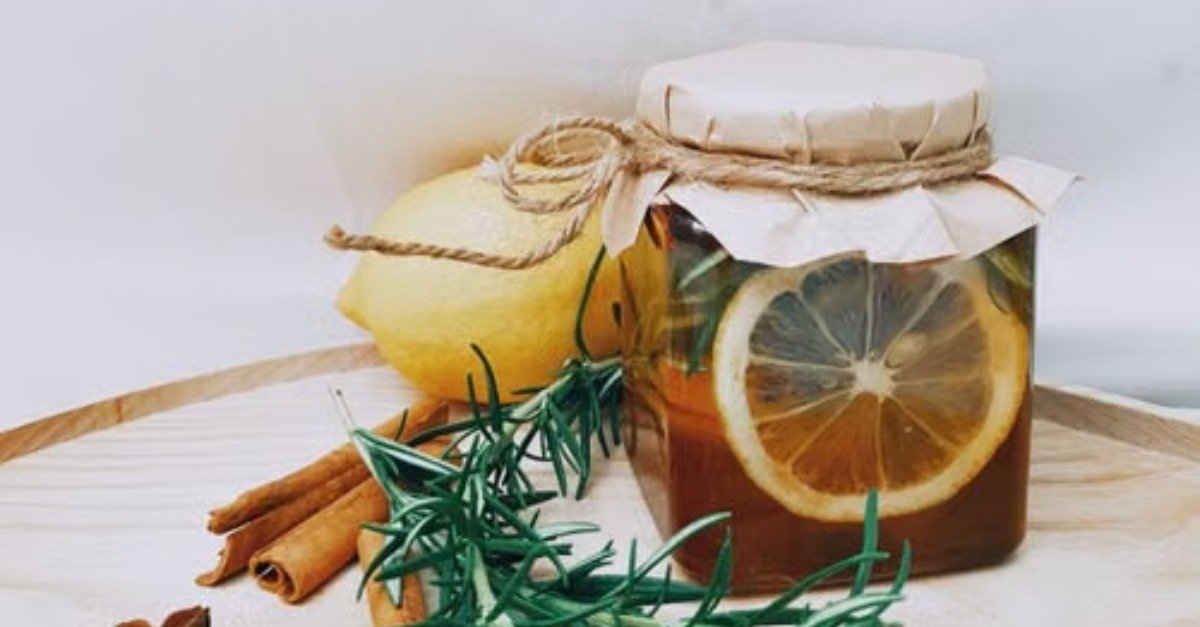
Bright, tangy, and deeply aromatic, this fermented infusion marries the fiery warmth of fresh ginger, the punch of raw garlic, and the fragrant warmth of cinnamon stick submerged in amber raw honey. Over time, the honey liquefies into a glossy, pourable elixir that balances sweet, sour, and savory depth. While honey itself is naturally carbohydrate-rich, it serves as a high-impact, nutrient-dense finishing condiment in a high-protein, low-carb lifestyle. Used by the single tablespoon, it delivers bold, complex flavor to lean poultry, seared steak, salmon, or protein breakfast bowls without running up your carb count.
Can This Honey Fermented Lemon Ginger Support Weight Loss Goals?
Yes, when used mindfully as a flavor-dense condiment rather than a primary syrup. In a high-protein diet focused on satiety and muscle preservation, plain lean meats like chicken breast, flank steak, and egg whites can quickly lead to palate fatigue. Drizzling just one teaspoon to one tablespoon of this enzyme-rich ferment onto lean protein provides massive sweet-and-savory flavor satisfaction, keeping meals exciting without adding refined fats or artificial fillers. By preventing meal boredom, it helps you stick consistently to a caloric deficit while hitting your daily protein targets.
Does Honey Fermented Lemon Ginger Fit a High-Protein Lifestyle?
This fermented tonic acts as an exceptional flavor-enhancer designed specifically to complement high-protein meal prep. Because each tablespoon serving yields roughly 13 grams of net carbs, it easily fits within moderate low-carb or targeted carbohydrate allowances when paired with zero-carb staples like grilled chicken breast, wild salmon, or firm tofu. The raw botanical ingredients—garlic, ginger, and lemon—contribute negligible calories while unlocking mouthwatering flavor for savory protein dishes. Used sparingly as a marinade or post-cook glaze, it elevates high-protein nutrition without compromising macro discipline.
My Personal Experience
-
Glazing Grilled Chicken Breast
Brushing a spoonful over hot, sliced chicken breast instantly cuts the dryness of lean meat while leaving a rich, sticky sheen. The pungent garlic and aromatic cinnamon meld seamlessly with poultry without overpowering the meat’s natural taste.
-
Elevating Cottage Cheese & Greek Yogurt Bowls
A light drizzle over high-protein nonfat Greek yogurt adds a spicy, probiotic-rich kick that replaces sugary fruit jams. The contrast between the cool, creamy dairy and the sharp ginger-cinnamon heat makes high-protein snacks genuinely exciting.
-
Rapid Pre-Workout Energy Shot
Taking half a spoonful alongside my whey protein shake 30 minutes before heavy lifting gives clean, easily digestible glucose for stamina. The warmth of the ginger and garlic promotes good circulation and settles the stomach before hard training sessions.
Perfect For:
-
High-Protein Meal Prep: Glazing grilled chicken breast, flank steak skewers, and baked salmon fillets.
-
Low-Carb Protein Snacks: Lightly drizzled over full-fat or low-fat cottage cheese bowls and hard-boiled eggs.
-
High-Protein Breakfast: Stirred into plain Greek yogurt alongside hemp seeds, crushed walnuts, or whey bowls.
-
Keto/Low-Carb Diet Transitioners: A controlled micro-carb flavor booster to prevent palate burnout on strict meat-and-egg regimens.
-
Post-Workout Recovery Plates: Added to lean turkey mince stir-fries for rapid micronutrient delivery and depth of flavor.
Why You’ll Love This Recipe:
-
Effortless Active Prep Time
You simply slice your fresh botanicals, pack them into a jar, and let natural wild fermentation do all the heavy lifting. There is no complicated boiling, candy-thermometer monitoring, or sterile canning pressure required.
-
Incredible Longevity & Shelf Stability
Thanks to the antimicrobial qualities of raw honey and garlic, this batch safely matures for months right on your pantry shelf. It actually improves with age, becoming progressively runnier, richer, and more complex.
-
Ultimate High-Protein Flavor Rescue
It turns plain, bland meal-prep proteins into restaurant-caliber meals using only a single micro-serving. You get the decadence of a sweet Asian-style reduction sauce without processed sugars or refined seed oils.
Common Mistakes to Avoid:
-
Using Pasteurized Commercial Honey: Commercial honey lacks the wild yeast, beneficial microbes, and natural enzymes required for fermentation; always use raw, unfiltered honey.
-
Leaving Pips and Wet Seeds in Lemons: Citrus seeds release harsh, astringent tannins as they soak, which will turn your entire batch unpleasantly bitter over time.
-
Failing to Burp the Fermentation Jar Daily: Trapped carbon dioxide generated by active microbial life can build dangerous pressure; open the lid daily during the first two weeks.
-
Submerging Wet Botanicals with Surface Water: Excess tap water introduced from un-dried lemon or ginger rinds can elevate water activity too high, risking mold instead of clean fermentation.
Required Equipment:
-
32-Ounce Wide-Mouth Mason Jar: Provides safe, non-reactive glass containment with ample space for gas expansion and easy botanical layering.
-
Clean Chef’s Knife & Cutting Board: Ensures razor-thin, uniform slices of lemon and ginger to maximize surface contact with the raw honey.
-
Fermentation Glass Weight (or small glass ramekin): Keeps buoyant garlic cloves and lemon slices submerged beneath the honey line to prevent surface mold.
-
Clean Wooden or Silicone Spoon: Prevents metal-induced oxidation and gently releases trapped air pockets during initial jar packing.
Storage Instructions:
-
Room Temperature Fermenting (Pantry): Keep the jar in a cool, dark cabinet (18°C–22°C / 65°F–72°F) for 2 to 4 weeks, burping daily. As it ferments, the honey thins out and darkens. It remains shelf-stable for up to 12 months at room temperature.
-
Refrigerator Storage (Long-Term): Once fermentation slows (after 3–4 weeks), move to the refrigerator to halt active bubbling while preserving peak flavor for up to 18 months.
-
Freezing: Freezing is not recommended, as the intense cold inhibits live enzymes, crystalizes the raw honey solid, and destroys the delicate textures of the ginger and garlic.
Recipe Details
-
Preparation Time: 15 minutes
-
Fermentation/Curing Time: 14 to 28 days (Passive)
-
Total Time: 14 days 15 minutes
-
Servings: 32 servings (approx. 1 tablespoon / 20 g per serving)
-
Best Season for This Recipe: All-season (invaluable for winter wellness tonics and summer grill glazes)
-
Total Calories (Per Serving): Approximately 65 kcal (estimate per 1 tablespoon serving)
Short Description
This handcrafted ferment combines juicy citrus, warming ginger roots, pungent garlic cloves, and fragrant cinnamon bathed in raw liquid gold. Over several weeks, the honey draws moisture from the aromatics, thinning into a vibrant, probiotic-rich culinary elixir. It serves as the ultimate multi-purpose finishing glaze to elevate everyday high-protein and low-carb meal prep.
📝 Ingredients:
-
1 1/2 cups Raw, Unfiltered Honey (Note: Must be 100% pure raw honey to ensure live yeasts drive natural fermentation)
-
2 medium Organic Lemons (Note: Thoroughly washed, dried completely, seeded, and sliced into 1/8-inch rounds; use organic since the peels remain on)
-
1/2 cup Fresh Ginger Root (Note: Scrubbed clean, dried, and thinly sliced across the grain into matchsticks or coins)
-
10 cloves Fresh Garlic (Note: Peeled and lightly crushed with the flat of a knife to release allicin without turning to mush)
-
2 whole Ceylon Cinnamon Sticks (Note: Cracked gently down the center to release aromatic inner oils)
Directions:
-
Prep and Dehydrate Surface Moisture
Wash your lemons and ginger thoroughly under warm water. Pat them bone-dry with clean paper towels, leaving zero surface moisture, then cut the lemons into thin wheels (discarding all seeds) and slice the ginger into coins. Peel your garlic cloves and crush them gently with the flat of your blade.
-
Layer the Botanicals in the Jar
Into a clean, sterilized 32-ounce glass jar, layer a few lemon wheels, followed by sliced ginger, crushed garlic cloves, and one fractured cinnamon stick. Repeat this layering pattern until all botanicals sit snugly in the jar, leaving roughly 2 inches of headspace at the rim.
-
Pour Honey and Release Air Bubbles
Slowly pour the raw honey over the layered ingredients, giving it time to settle and seep through the bottom layers. Use a clean wooden skewer or silicone chopstick to poke down the sides, dislodging all trapped air bubbles. Ensure all solids sit under the honey level; place a glass fermentation weight on top if botanicals float stubbornly.
-
Seal, Invert, and Initiate Room-Temperature Ferment
Screw the jar lid on finger-tight. Turn the jar upside down for 10 minutes to coat every piece of ginger and garlic in honey, then return upright to a dark cupboard at 20°C (68°F).
-
Burp and Swirl Daily (Visual & Texture Cues)
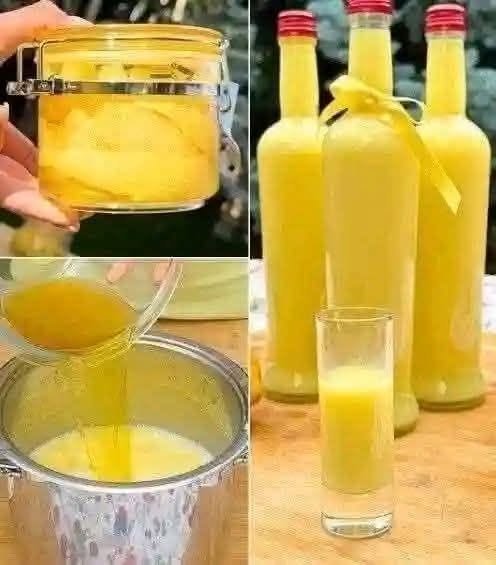
For the first 14 days, unscrew the lid once daily to burp trapped carbon dioxide gas. Over days 3 to 7, you will observe tiny carbonation bubbles rising and notice the thick honey transforming into a thin, watery, pourable syrup as moisture is drawn from the citrus.
-
High-Protein Culinary Glaze Application
After 2 to 4 weeks of fermentation, spoon the infused syrup directly over sizzling hot, freshly seared proteins (like sliced sirloin, chicken breast, or grilled whitefish) right before serving. Pro tip: Do not cook the raw honey ferment over high heat in the skillet; heat destroys the delicate live enzymes and beneficial compounds. Spoon it on as a finishing glaze to let residual plate heat warm the syrup naturally.
Nutrition Facts (Per Serving – Approximate 1 Tablespoon / 21g):
-
Calories: 65 kcal
-
Fats: 0 g
-
Cholesterol: 0 mg
-
Sodium: 2 mg
-
Potassium: 38 mg
-
Total Carbohydrates: 17.5 g
-
Fiber: 0.3 g
-
Net Carbs: 17.2 g
-
Sugars: 16 g
-
Protein: 0.2 g
-
Calcium: 6 mg
Notes:
-
Storage Tips: Always use a bone-dry, spotless stainless-steel or wooden spoon when retrieving honey or fermented garlic cloves to prevent accidental mold contamination.
-
Reheating Instructions: Never microwave or boil this tonic. If using as a warm beverage or glaze, gently temper a spoonful in 2 tablespoons of warm (not boiling, below 45°C / 113°F) water before drizzling over hot lean meats.
-
Allergy Notes: Free from gluten, dairy, soy, nuts, and eggs; not suitable for infants under one year of age due to botulism risks associated with raw honey.
-
Flavor Boosts: For an added layer of complexity and metabolic heat, add half a teaspoon of crushed black peppercorns or a split red bird’s eye chili into the initial jar layering.