
Easy Low-Carb No-Knead Peasant Bread (High-Protein Recipe) Crusty High-Protein Peasant Loaf (No-Knead, Low-Carb Friendly)
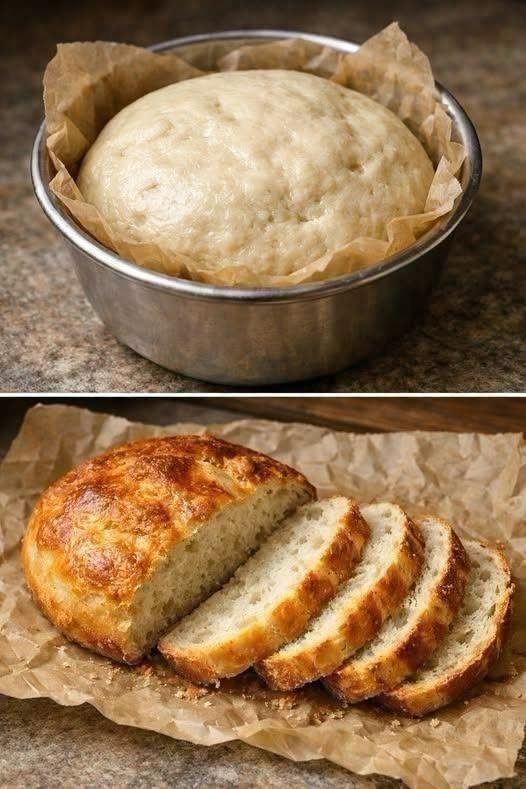
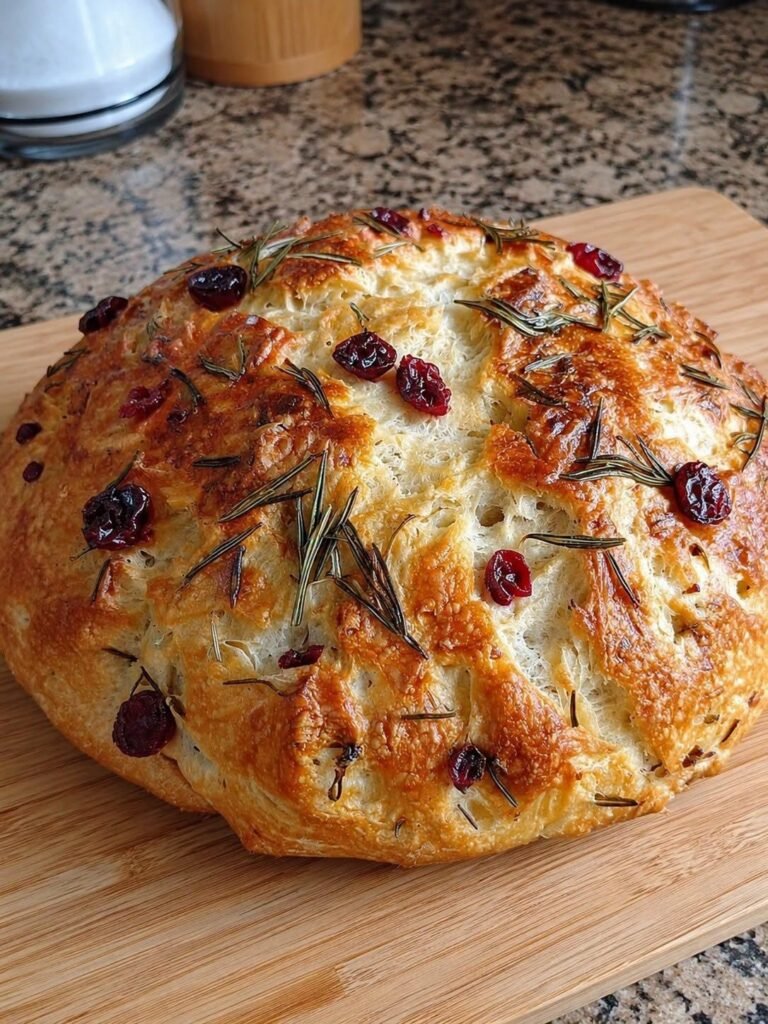
Golden, blistered crust on the outside with an airy, tender crumb on the inside, this rustic loaf delivers all the nostalgic comfort of a traditional bakery peasant loaf without the carb overload. Powered by vital wheat gluten and almond flour, this no-knead peasant bread offers an effortless way to enjoy warm, sliceable bread that naturally integrates into high-protein meal prep and low-carb lifestyles. It requires zero shaping skills, no tedious kneading, and fills your kitchen with the rich, yeasty aroma of an artisanal bakery.
Can This No-Knead Peasant Bread Support Weight Loss Goals?
This bread supports weight loss by replacing traditional low-nutrient starches with protein-dense, fiber-rich alternatives that curb appetite. The substantial dose of protein combined with insoluble dietary fiber delays gastric emptying, promoting prolonged satiety and steady energy without sharp insulin spikes. By keeping net carbohydrates minimal, it lets you enjoy satisfying sandwiches and breakfast toast while remaining comfortably within your daily caloric and macronutrient targets.
Does No-Knead Peasant Bread Fit a High-Protein Lifestyle?
This loaf is designed specifically for high-protein and low-carb macros by utilizing vital wheat gluten, lupin flour, and almond flour rather than refined white flour. Each hearty slice delivers 14 grams of muscle-repairing protein alongside just 4 grams of net carbs, creating an ideal balance for macro tracking. Its clean ingredient profile yields an authentic, chewy crumb while effortlessly fitting ketogenic, macro-conscious, and protein-forward meal plans.
My Personal Experience
-
Effortless Dough Handling:
The high-hydration dough comes together in under five minutes with just a wooden spoon, eliminating any need for sticky counter kneading. It rises reliably into a spongy, bubbly mass without any fussy handling techniques.
-
Superior Crumb Structure:
Unlike typical dense low-carb keto breads, the vital wheat gluten creates real yeast air pockets and an authentic chew. Slices hold together firmly under cold cuts and spreads without crumbling apart.
-
Reliable Oven Spring:
Baking inside a preheated Pyrex bowl or Dutch oven yields an explosive rise and a deeply blistered, golden crust. The contrast between the crisp exterior and the soft interior matches artisan bakery loaves.
Perfect For:
-
High-Protein Breakfast: Toasted golden and topped with mashed avocado, poached eggs, or smoked salmon.
-
Low-Carb Lunches: Sturdy sandwich bread for double-turkey clubs, tuna melts, or roast beef panini.
-
High-Protein Snacks: Sliced thin and paired with cottage cheese dip, whipped ricotta, or natural peanut butter.
-
Keto & Macro-Friendly Dinner Sides: Served warm with garlic butter alongside bowls of chili, stew, or hearty salads.
Why You’ll Love This Recipe:
-
Zero Kneading Required:
Simply stir the ingredients in a single bowl and let the yeast develop the gluten network naturally. It saves time and minimizes clean-up while yielding bakery-level results.
-
Exceptional Protein-to-Carb Ratio:
Every slice packs substantial plant-based protein with a fraction of the starch found in regular peasant bread. It keeps you full for hours without causing sluggish post-meal energy crashes.
-
Authentic Bread Texture:
The formula mimics traditional peasant crumb—chewy, moist, and open-crumbed—using targeted gluten structures. You never have to settle for eggy or crumbly keto bread textures again.
Common Mistakes to Avoid:
-
Water Temperature Errors: Using water hotter than 43°C (110°F) will kill the dry active yeast, completely preventing your dough from rising.
-
Skipping the Gluten Rest: Cutting into the loaf while still piping hot causes the steam to collapse the internal structure, resulting in a gummy center.
-
Incorrect Flour Measuring: Scooping gluten and almond flour directly with a measuring cup packs the powder; always fluff and spoon it lightly into the cup to avoid dense bread.
-
Omitting the Lid/Cover: Baking without an initial covered stage prevents steam retention, leading to a dull, thick crust rather than a crisp, blistered shell.
Required Equipment:
-
1.5-Quart Oven-Safe Glass Bowls or Small Dutch Ovens: Creates a tight steam chamber to ensure a light, airy rise and a crispy crust.
-
Large Mixing Bowl: Provides ample space for the high-hydration dough to ferment and double in size cleanly.
-
Instant-Read Digital Thermometer: Ensures yeast-activating water is at the precise temperature without scalding the culture.
-
Wire Cooling Rack: Promotes complete 360-degree air circulation beneath the loaf to prevent a soggy bottom crust.
Storage Instructions:
Allow the bread to cool completely to room temperature before storing. Store the sliced loaf in an airtight container or zip-top bag lined with a paper towel at room temperature for up to 3 days, or refrigerate for up to 7 days to preserve moisture. For long-term storage, separate slices with parchment paper, seal inside a freezer-safe bag, and freeze for up to 3 months; toast directly from frozen to instantly restore its crisp crust and fresh chew.
Recipe Details
-
Preparation Time: 15 minutes
-
Proofing Time: 2 hours
-
Cooking Time: 35 minutes
-
Total Time: 2 hours 50 minutes
-
Servings: 16 slices (2 small loaves, 8 slices each)
-
Best Season for This Recipe: All-season
-
Total Calories (Per Serving): 115 kcal (approximate estimate)
Description
A rustic, golden-crusted peasant bread formulated with protein-rich flours and zero kneading. It delivers a crackly crust, open-crumb chew, and satisfying bakery flavor with only 4g net carbs per slice. Perfectly suited for macro-conscious eaters wanting real bread back on the table.
📝 Ingredients:
-
240 ml (1 cup) Warm Water: Heated to 40°C–43°C (105°F–110°F) to activate yeast.
-
7 g (1 packet / 2 1/4 tsp) Active Dry Yeast: Ensure fresh, unexpired yeast for proper rise.
-
5 g (1 tsp) Raw Honey or Maple Syrup: Note: The active yeast fully consumes this sugar during fermentation; it does not add net carbs to the baked loaf.
-
150 g (1 1/4 cups) Vital Wheat Gluten: Provides authentic bread elasticity, chew, and concentrated protein.
-
100 g (1 cup) Super-Fine Blanched Almond Flour: Adds moisture, softness, and healthy fats.
-
40 g (1/3 cup) Lupin Flour (or Oat Fiber): Keeps net carbs low while providing structure and golden color.
-
15 g (2 tbsp) Whole Psyllium Husk: Acts as a binder to lock in steam and moisture.
-
6 g (1 tsp) Fine Sea Salt: Regulates yeast activity and develops deep crust flavor.
-
120 ml (1/2 cup) Lukewarm Water: Added adjustably to achieve a sticky, wet peasant dough consistency.
-
14 g (1 tbsp) Unsalted Butter or Olive Oil: Melted, for greasing the baking vessels.
Directions:
-
Activate the Yeast: In a small bowl, whisk together 240 ml warm water (40°C–43°C), active dry yeast, and honey. Let stand for 7–10 minutes until frothy and aromatic.
-
Combine Dry Ingredients: In a large bowl, whisk vital wheat gluten, almond flour, lupin flour, psyllium husk, and salt until completely uniform.
-
Form the Dough: Pour the foamy yeast mixture and remaining 120 ml lukewarm water into the dry blend. Stir vigorously with a sturdy wooden spoon for 2 minutes until a sticky, shaggy, and cohesive dough forms without dry flour pockets.
-
First Rise: Cover the bowl loosely with a damp kitchen towel. Place in a draft-free, warm spot (24°C–27°C) for 1.5 to 2 hours, until the dough has doubled in volume and looks webbed and spongy.
-
Prep Baking Vessels: Grease two 1.5-quart oven-safe glass bowls (such as Pyrex) or two small ceramic baking dishes with melted butter or olive oil.
-
Divide and Second Rise: Deflate the dough gently using two forks, pulling it inward from the bowl edges. Divide dough evenly into the two greased bowls. Let proof uncovered in a warm spot for 30–40 minutes until crowned just above the rims.
-
Bake (Oven Level & Timing): Preheat oven to 220°C (425°F). Place the bowls on the middle rack. Bake at 220°C (425°F) for 15 minutes, then reduce the oven temperature to 190°C (375°F) and bake for an additional 18–20 minutes until crust is deep amber-gold and an internal probe reads 96°C–99°C (205°F–210°F).
-
Cool Completely: Immediately turn loaves out onto a wire cooling rack. Allow to cool undisturbed for at least 60 minutes before slicing to set the high-protein crumb structure.
Nutrition Facts (Per Serving – Approximate):
-
Calories: 115 kcal
-
Fats: 4 g
-
Cholesterol: 2 mg
-
Sodium: 160 mg
-
Potassium: 85 mg
-
Total Carbohydrates: 7 g
-
Fiber: 3 g
-
Net Carbs: 4 g
-
Sugars: 0.5 g
-
Protein: 14 g
-
Calcium: 35 mg
Notes:
-
Storage & Reheating: Store sliced loaf at room temperature up to 3 days in an airtight container with parchment sheets between slices, or freeze for up to 3 months. Reheat slices in a standard pop-up toaster or air fryer at 180°C for 2–3 minutes for maximum crispiness.
-
Allergy Information: Contains wheat (gluten) and tree nuts (almond). Not suitable for individuals with celiac disease or nut allergies.
-
Flavor Boosts: Fold 1 tbsp fresh rosemary, 2 cloves minced roasted garlic, or 30g grated sharp parmesan into the dry flour mix before rising for an herb-infused peasant loaf.