
Fluffy High-Protein Shokupan: Low-Carb Friendly Japanese Milk Bread Recipe
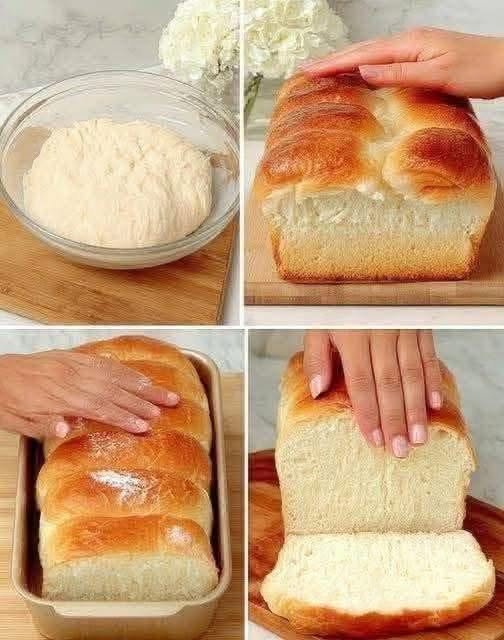
Description
Experience the cloud-like, pillowy crumb of authentic Japanese Milk Bread (Shokupan), reimagined to support your everyday wellness targets. Built on the traditional tangzhong water-roux method, this loaf yields a feather-soft texture and a subtle, buttery sweetness while seamlessly fitting high-protein meal preps and conscious low-carb balance. By pairing high-protein vital wheat gluten and unflavored whey isolate with dietary oat fiber, this recipe creates an irresistible, bakery-style crumb that fuels sustained energy without the heavy post-meal sugar spike.
Can This High-Protein Shokupan Support Weight Loss Goals?
Yes, this modified Shokupan aids weight management by prioritizing satiety-inducing dietary fiber and bioavailable protein over refined, empty starch. Protein and prebiotic fiber slow gastric emptying and temper blood glucose swings, which curbs between-meal cravings and stabilizes baseline energy. Because a single thick slice keeps you full longer than standard white bread, maintaining an intended daily calorie deficit becomes far more sustainable.
Does High-Protein Shokupan Fit a High-Protein Lifestyle?
With 11 grams of complete protein and just 9 grams of net carbs per slice, this bread integrates cleanly into macro-focused daily meal plans. We replace a portion of standard white flour with vital wheat gluten, whey protein isolate, and high-fiber additions, slashing typical carb loads without sacrificing traditional elasticity. The resulting balance satisfies strict daily protein targets while maintaining full flexibility for low-carb enthusiasts and flexible dieters alike.
My Personal Experience
-
Mastering the Tangzhong Base: Cooking the starter paste until thick glossy lines form ensures the loaf stays impossibly tender without adding excess saturated fats.
-
Balancing Protein Powders: Using unflavored whey isolate alongside vital wheat gluten prevents the crumb from drying out or developing an overly rubbery bite.
-
Oven Shielding for Even Color: Tenting the loaf loosely with aluminum foil halfway through baking keeps the signature top golden-brown without scorching the crust edges.
Perfect For:
-
High-Protein Breakfast: Toast thick slices and top with soft-scrambled eggs or smoked salmon for a balanced morning meal.
-
Post-Workout Fuel: Build a nutrient-dense chicken breast sandwich for an efficient, macro-aligned recovery lunch.
-
Low-Carb Meal Prep: Prep a full loaf on Sunday for a week’s worth of portion-controlled, fiber-rich toast and sandwiches.
-
Sweet High-Protein Snacks: Top a lightly toasted warm slice with almond butter, Greek yogurt, and cinnamon for a guilt-free afternoon treat.
Why You’ll Love This Recipe:
-
Authentic Cloud-Like Crumb: The classic cooked starter traps moisture inside the dough, delivering a velvety, pull-apart texture rarely found in fitness baking.
-
Superior Macro Ratio: Each generous slice provides over double the protein and half the net carbs of standard store-bought sandwich bread.
-
Long-Lasting Kitchen Freshness: Natural hydration from the tangzhong base keeps the loaf remarkably soft at room temperature for several days without chemical dough conditioners.
Common Mistakes to Avoid:
-
Overheating the Yeast Mixture: Mixing instant yeast into milk hotter than 110°F (43°C) will kill the yeast cells, resulting in a dense, flat brick.
-
Skipping the Gluten Windowpane Test: Under-kneading protein-fortified dough prevents the structural gluten web from developing, making the bread crumble rather than stretch.
-
Adding Whey Protein Directly to Hot Liquid: Adding whey to hot liquids causes it to curdle; always incorporate your protein powder into the dry flour blend at room temperature.
-
Slicing the Loaf While Warm: Cutting into hot bread lets internal steam escape rapidly, collapsing the delicate crumb structure and leaving a gummy interior.
Required Equipment:
-
Digital Kitchen Scale: Ensures exact gram-level measurements of dry proteins and liquids to prevent dense baking errors.
-
Stand Mixer with Dough Hook: Handles heavy kneading without overheating the dough or exhausting your hands.
-
Standard 8.5×4.5-inch Loaf Pan: Supports the rising dough vertically, creating classic uniform bakery-style slices.
-
Wire Cooling Rack: Promotes 360-degree air circulation beneath the hot loaf, preventing a soggy bottom crust.
Storage Instructions:
Store cooled bread in an airtight bread box or sealed silicone bag at room temperature for up to 3 days. For longer storage, pre-slice the entire loaf, separate slices with parchment squares, and freeze in a zip-top freezer bag for up to 3 months; toast directly from frozen to maintain freshness and texture. Avoid refrigerating this bread, as cool refrigerator temperatures accelerate starch retrogradation, drying out the crumb.
Recipe Details
-
Preparation Time: 25 minutes
-
Cooking Time: 32 minutes
-
Total Time: 2 hours 15 minutes (includes proofing)
-
Servings: 10 slices
-
Best Season for This Recipe: All-season
-
Total Calories (Per Serving): ~145 kcal (approximate estimate)
A pillowy, golden Japanese milk loaf enriched with natural proteins and clean dietary fiber. This modified Shokupan delivers bakery-level pull-apart softness with an optimized macro profile. It is the ultimate bread solution for macro-conscious sandwiches, French toast, and daily toast pairings.
📝 Ingredients:
Tangzhong (Starter Paste):
-
2 tbsp (20g) unbleached bread flour (provides the initial starch gelatinization)
-
2 tbsp (30ml) filtered water
-
¼ cup (60ml) unsweetened almond milk or skim milk
Main Dough:
-
1¼ cups (150g) unbleached bread flour
-
½ cup (60g) vital wheat gluten (essential for structure and high protein content)
-
¼ cup (30g) unflavored whey protein isolate (do not use whey concentrate; isolate preserves lightness)
-
2 tbsp (14g) oat fiber (adds bulk and dietary fiber while lowering net carbs)
-
2 tbsp (24g) granulated erythritol or allulose sweetener (zero-sugar sweetener for yeast-friendly moisture)
-
1 tsp (3g) fine sea salt
-
1 packet (2¼ tsp / 7g) instant dry yeast
-
½ cup (120ml) warm unsweetened almond milk (temperature between 100°F–105°F)
-
1 large egg (room temperature)
-
2 tbsp (28g) unsalted butter (softened to room temperature)
Egg Wash:
-
1 egg yolk mixed with 1 tbsp unsweetened almond milk
Directions:
-
Cook the Tangzhong: Whisk the flour, water, and milk in a small saucepan over medium-low heat. Stir continuously for 2–3 minutes until thick lines form and the whisk leaves distinct trails. Remove from heat immediately and cool to lukewarm (below 95°F).
-
Combine Dry Ingredients: In a stand mixer bowl, whisk together the bread flour, vital wheat gluten, whey protein isolate, oat fiber, sweetener, and salt until evenly distributed.
-
Activate and Combine: Make a well in the center of the dry ingredients. Pour in the warm almond milk, yeast, beaten whole egg, and lukewarm tangzhong starter.
-
Knead to Develop Gluten: Fit the stand mixer with the dough hook and knead on low speed (Speed 2) for 5 minutes until a shaggy dough comes together. Add softened butter one tablespoon at a time, then increase to medium-low (Speed 3) and knead for 8–10 minutes. The dough should become smooth, supple, and stretch thin enough to pass the translucent “windowpane test.”
-
First Proof: Form the dough into a smooth ball, place in a lightly oiled bowl, cover with a damp cloth, and proof in a warm draft-free area (78°F–82°F) for 60 minutes, or until doubled in bulk.
-
Shape the Shokupan: Turn dough onto a clean, un-floured surface and gently press to release large gas bubbles. Divide into 3 equal pieces. Roll each piece into an oval, fold both sides inward like an envelope, and roll tightly into a cylinder. Place all 3 rolls side-by-side into a greased 8.5×4.5-inch loaf pan.
-
Second Proof: Cover loosely and let rise for 40–50 minutes, or until the dough crowns about 1 inch above the rim of the loaf pan. Preheat your oven to 350°F (175°C).
-
Bake: Gently brush the top with egg wash. Bake at 350°F (175°C) on the center rack for 30–32 minutes. If the top browns too quickly, tent loosely with foil around the 15-minute mark. An internal probe thermometer should read 195°F–200°F when done.
-
Cool: Invert onto a wire cooling rack immediately and turn upright. Let cool completely for at least 60 minutes before slicing.
Nutrition Facts (Per Serving – Approximate):
-
Calories: 145 kcal
-
Fats: 3.5 g
-
Cholesterol: 38 mg
-
Sodium: 240 mg
-
Potassium: 95 mg
-
Total Carbohydrates: 13 g
-
Fiber: 4 g
-
Net Carbs: 9 g
-
Sugars: 0.5 g
-
Protein: 11 g
-
Calcium: 45 mg
Notes:
-
Storage Tip: Keep uncut portions wrapped in parchment and enclosed in a plastic bag at room temperature for maximum moisture retention.
-
Reheating Instructions: Toast for 2 minutes on medium heat, or warm in an oven at 300°F (150°C) for 4 minutes to restore its tender, freshly baked crumb.
-
Allergy Notes: Contains wheat, dairy, and eggs; not suitable for celiac or gluten-free diets due to the essential vital wheat gluten structure.
-
Flavor Boosts: Add ½ tsp of pure vanilla extract or 1 tbsp of milk powder to the dough for an enhanced sweet cream aroma.
Frequently Asked Questions:
Can I substitute whey protein with plant-based protein?
Plant proteins absorb significantly more liquid and will result in a dense, dry loaf, so whey isolate is strongly recommended.
Why is vital wheat gluten required for this recipe?
Vital wheat gluten restores the structural elasticity lost when diluting regular bread flour with low-carb and protein ingredients.
Can I bake this without a stand mixer?
You can knead the dough by hand, though it requires roughly 18–20 minutes of vigorous effort to properly pass the windowpane test.
How do I know the bread is fully baked inside?
The most reliable test is inserting an instant-read digital thermometer into the center to confirm it has reached 195°F to 200°F.
Can I make this dairy-free?
Yes, swap the butter for plant-based baking butter and use unflavored egg white protein isolate instead of whey.