 ByYara
Easy Keto Coconut Flour Bread – High Protein & Gluten-Free
Description
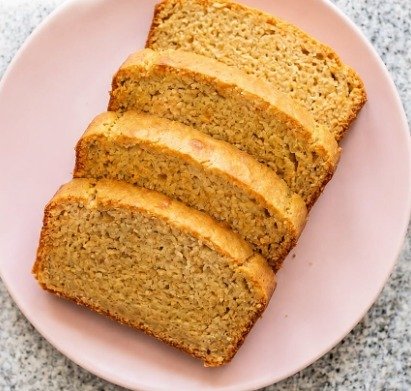
This Fluffy Keto Coconut Flour Bread is the ultimate low-carb solution for bread lovers. With a tender, airy crumb and a mild, slightly sweet flavor, it toasts beautifully and satisfies cravings without the carb overload. Perfect for sandwiches, breakfast toast, or a high-protein snack, this recipe combines simple ingredients to create a loaf that rivals traditional bread.
Can This Bread Support Weight Loss Goals?
Yes, this bread is designed to support weight management goals thanks to its high protein content and low net carbs. Protein promotes satiety, helping you feel fuller for longer and reducing the urge to snack between meals. The high fiber from coconut flour and flaxseed also aids digestion and helps stabilize blood sugar levels, which can prevent energy crashes and cravings. When incorporated into a balanced keto diet plan, this bread can be a valuable tool for maintaining a calorie deficit while still enjoying satisfying meals.
Does This Bread Fit a High Protein Lifestyle?
Absolutely. This keto coconut flour bread fits seamlessly into a high-protein lifestyle. It’s made with protein-rich eggs and unflavored beef gelatin (or psyllium husk powder), offering roughly 5g of protein per slice with only 2g net carbs. The combination of healthy fats from coconut flour and olive oil keeps you energized, making it an ideal choice for keto diet plans, post-workout refueling, or a satisfying high-protein breakfast.
My Personal Experience
-
Texture and Toasting: This bread achieves a fluffy, bread-like texture that doesn’t crumble. I’ve found it toasts exceptionally well, developing a satisfying crunch that makes it perfect for avocado toast or a simple buttered slice.
-
Versatility: It’s surprisingly versatile for a gluten-free bread. I’ve used it for both sweet and savory applications, from a base for sugar-free jam to a sturdy sandwich bread for lunch.
-
Baking Nuance: I learned that letting the bread cool completely before slicing is non-negotiable. Coconut flour needs time to set, and cutting too early results in a gummy, undercooked interior.
-
Flavor: The flavor is neutral and pleasant, allowing it to pair with any topping. It doesn’t have a strong “eggy” taste, especially when using a touch of cinnamon or vanilla extract.
Perfect For
-
High protein breakfast toast
-
Keto diet plans and low-carb lifestyles
-
High protein snacks between meals
-
High protein desserts (with added sweetener and toppings)
-
Meal prepping for the week
Why You’ll Love This Recipe
-
Truly Fluffy Texture: Unlike many dense keto breads, this recipe yields a light and airy loaf. This is achieved through proper egg ratios and the binding power of gelatin or psyllium husk.
-
High Protein & Low Carb: Each slice is packed with protein and only contains about 2g net carbs. This macronutrient profile makes it an excellent choice for supporting satiety and maintaining ketosis.
-
Simple Pantry Ingredients: It uses basic, readily available ingredients like coconut flour, eggs, and olive oil. You don’t need any specialty flours or complicated techniques to make this bread.
-
Versatile for Any Meal: This bread is perfect for everything from breakfast toast to sandwich bread. Its neutral flavor complements both sweet and savory toppings, making it a staple for any meal.
Common Mistakes to Avoid
-
Not Cooling the Bread: Cutting the loaf while it’s still warm is a common mistake. The bread needs to cool completely for the structure to set; otherwise, it will be gummy and fall apart.
-
Using Cold Ingredients: Cold eggs or coconut oil can cause the batter to seize. Always use room-temperature eggs and melted (but not hot) oil for a smooth and well-combined batter.
-
Overmixing the Batter: While it’s important to combine the ingredients well, overmixing can lead to a dense and tough loaf. Mix until just combined for the best texture.
-
Ignoring Oven Temperature: Coconut flour browns quickly. If your oven runs hot, the bread may burn on the outside before the center is cooked. Use an oven thermometer to ensure accuracy.
Required Equipment
-
Loaf Pan: An 8×4 or 9×5-inch loaf pan is essential for shaping the bread.
-
Parchment Paper: Lining the pan ensures the bread releases easily without sticking, preventing breakage.
-
Stand Mixer or Hand Mixer: This helps thoroughly combine the thick batter and incorporate air for a fluffier texture.
-
Toaster or Skillet: For the best experience, toasting slices brings out the flavor and improves the texture.
Storage Instructions
Refrigerator: Store the bread in an airtight container in the refrigerator for up to 7 days. This keeps the bread fresh and prevents it from drying out.
Freezer: For longer storage, slice the bread and place it in a freezer-safe bag or container with parchment paper between slices. Freeze for up to 3 months.
Recipe Details
-
Preparation Time: 15 minutes
-
Cooking Time: 45 minutes
-
Total Time: 1 hour
-
Servings: 12 slices
-
Best Season for This Recipe: All-season
-
Total Calories (Per Serving): Approx. 137 kcal
This Keto Coconut Flour Bread is a delicious, high-protein alternative that will quickly become a staple in your low-carb kitchen. Enjoy its fluffy texture and satisfying flavor with your favorite toppings!
📝 Ingredients
-
6 large eggs, room temperature
-
1/3 cup olive oil, coconut oil, or melted butter
-
1/3 cup water, heavy cream, or unsweetened coconut milk
-
1/2 cup coconut flour
-
1/2 cup ground flaxseed
-
1 tablespoon aluminum-free baking powder
-
2 teaspoons ground cinnamon (optional)
-
1/2 teaspoon salt
-
2 tablespoons sesame seeds (optional, for topping)
For Blooming Gelatin (Structure Enhancer)
-
2 teaspoons unflavored beef gelatin powder
-
2 tablespoons cool water
Directions
-
Preheat the Oven: Preheat your oven to 375°F (190°C). Line an 8×4-inch loaf pan with parchment paper, leaving some overhang on the sides for easy removal.
-
Bloom the Gelatin: In a small bowl, sprinkle the gelatin over the cool water. Let it sit for 5 minutes to absorb the liquid. Then, gently heat it (in the microwave for 5-10 seconds or over a warm water bath) until it’s just melted and smooth. Set aside.
-
Mix Wet Ingredients: In a large mixing bowl, use a stand or hand mixer to combine the room-temperature eggs, olive oil, and water (or cream) until smooth.
-
Add Dry Ingredients: Add the coconut flour, ground flaxseed, baking powder, cinnamon (if using), and salt to the wet mixture. Blend until all ingredients are incorporated. The batter will be thick.
-
Add Gelatin: Drizzle the melted, cooled gelatin into the batter and mix until fully combined.
-
Bake: Pour the thick batter into the prepared loaf pan. Smooth the top with a spatula. If using, sprinkle sesame seeds on top for a nutty finish.
-
Bake and Reduce Temperature: Place the pan in the oven and bake for 10 minutes at 375°F. Then, without opening the oven door, reduce the temperature to 350°F (175°C) and bake for another 35-40 minutes.
-
Check for Doneness: The bread is done when a toothpick inserted into the center comes out clean and the top is golden brown.
-
Cool Completely: Remove the pan from the oven and let it cool in the pan on a wire rack for 30 minutes. Then, use the parchment paper overhang to lift the loaf out and let it cool completely on the wire rack before slicing.
Nutrition Facts (Per Serving – Approximate)
-
Calories: 137 kcal
-
Fats: 11g
-
Cholesterol: N/A
-
Sodium: 61mg
-
Potassium: 103mg
-
Total Carbohydrates: 5g
-
Fiber: 3g
-
Net Carbs: 2g
-
Sugars: 0.3g
-
Protein: 5g
-
Calcium: 47mg
Notes
-
Allergy Notes: This recipe is naturally gluten-free, grain-free, and nut-free. For a dairy-free version, use olive oil or coconut oil and water instead of heavy cream.
-
Flavor Boosts: For a sweeter bread, add 2-3 tablespoons of erythritol or your favorite keto sweetener. For a savory version, omit the cinnamon and add herbs like rosemary or garlic powder.
-
Reheating: The best way to enjoy this bread is toasted. It transforms the texture, making it crispy on the outside and soft on the inside. You can also warm slices in a skillet with a bit of butter.
Frequently Asked Questions
Can I use psyllium husk powder instead of gelatin?
Yes, replacing the gelatin with 1-2 teaspoons of psyllium husk powder can improve the texture and add more fiber. However, it will darken the bread slightly.
Why is my bread gummy in the middle?
This usually happens when the bread is cut before it has cooled completely. Coconut flour requires time to absorb moisture and set. Always let the bread cool completely on a wire rack before slicing.
Can I substitute almond flour for coconut flour?
No, almond flour and coconut flour have very different absorbencies. Coconut flour is much more absorbent, so substituting it would alter the liquid ratio significantly and likely result in a failed loaf.
How do I store this bread to keep it fresh?
Store the bread in an airtight container. It will stay fresh at room temperature for 2-3 days, in the refrigerator for up to a week, and in the freezer for up to 3 months.
Can I make this recipe egg-free?
Eggs are a crucial structural component of this recipe, providing moisture and binding. Making it egg-free would be difficult with coconut flour, and we haven’t tested a successful substitution.
Is this bread suitable for a strict keto diet?
Yes, with only 2g net carbs per slice and a moderate fat content, this bread is perfectly suited for a strict ketogenic diet, especially when following a high-protein keto approach.