 ByYara
Homemade Limoncello (Italian Lemon Liqueur)
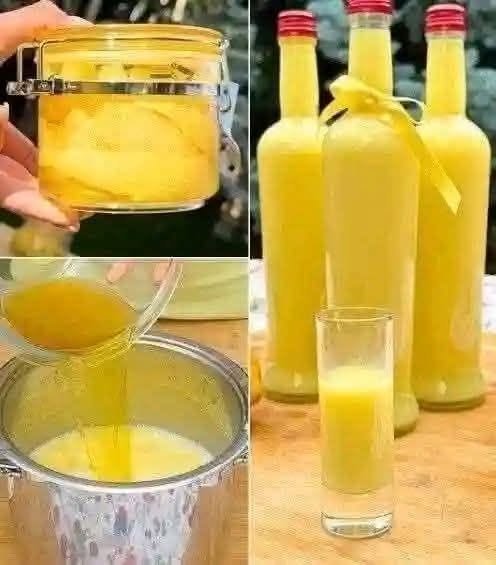
Description
Imagine the sun-drenched Amalfi Coast captured in a glass—that’s the magic of homemade Limoncello. This bright, zesty Italian liqueur is surprisingly simple to make, requiring just a few ingredients and a little patience. With its intense lemon aroma and smooth, sweet-tart flavor, it’s the perfect way to end a meal. This particular recipe has been thoughtfully adapted to align with a low-carb lifestyle and can be integrated into a high protein diet plan, allowing you to enjoy a classic digestif without the sugar spike.
Can This Low-Carb Limoncello Support Weight Loss Goals?
Yes, this sugar-free Limoncello can support your weight loss goals by allowing you to enjoy a flavorful drink without a high carbohydrate load. By using a zero-carb sweetener like allulose or monk fruit, this recipe eliminates the empty calories and sugar that can derail a ketogenic or low-carb diet. This makes it easier to stay in a state of ketosis, which is associated with increased satiety and fat burning, without feeling deprived of a classic after-dinner treat.
Does This Limoncello Fit a High-Protein Lifestyle?
While Limoncello itself is not a source of protein, it is an excellent addition to a high-protein lifestyle because it provides a satisfying flavor experience without the carbohydrates that typically accompany alcoholic beverages. With nearly zero net carbs per serving, it won’t disrupt your daily macros, allowing you to enjoy your high-protein snacks and meals without worrying about exceeding your carb limit. It is a perfect way to unwind after a high-protein breakfast or dinner.
My Personal Experience
-
Incredible Aroma: The process of infusing the lemon zest fills the kitchen with an incredible, fresh lemon fragrance that is intoxicating—far superior to any store-bought version. It makes the waiting period totally worthwhile.
-
Customizable Sweetness: Making it at home allows you to control the sweetness perfectly, ensuring it never tastes cloying or syrupy, especially when using a high-quality sugar substitute. You can tailor it exactly to your palate.
-
Perfect Digestif: A small, chilled glass after a heavy meal is incredibly refreshing and aids digestion, making it a staple in my home after dinner parties. It’s a tradition my friends and family now look forward to.
-
Proud Gift: This Limoncello makes for a stunning and personalized gift, looking beautiful in a decorative bottle and tasting far more authentic than anything from a store. It’s a hit every time I give it away.
Perfect For:
-
Low-Carb Desserts
-
Keto Diet Plans
-
High-Protein Snacks (enjoyed alongside)
-
Digestif after a high protein meal
-
Summer entertaining
-
Homemade gifts
Why You’ll Love This Recipe
-
Authentic Italian Flavor: This recipe delivers the vibrant, refreshing taste of traditional Italian Limoncello that you can’t get from commercial brands. It’s based on classic methods .
-
Satisfies Sweet Cravings: It provides a sweet, satisfying end to a meal without the sugar, helping you stick to your low-carb goals. It curbs the desire for heavier, carb-laden desserts.
-
Simple, Clean Ingredients: With only 4 ingredients—lemons, alcohol, water, and sweetener—it’s a clean recipe that is gluten-free and easy to make. There are no artificial ingredients or hidden additives .
-
Versatile Enjoyment: It’s perfect for sipping ice-cold, adding to cocktails, or even drizzling over high-protein desserts like keto-friendly cheesecake. It adds a gourmet touch to any occasion .
Common Mistakes to Avoid
-
Including the White Pith: The most critical step is zesting only the yellow outer layer of the lemon. The white pith is intensely bitter and will ruin the flavor of your liqueur .
-
Using Warm Simple Syrup: Always let your sugar syrup cool completely to room temperature before combining it with the infused alcohol. Warm syrup will make your Limoncello turn cloudy .
-
Not Using Organic Lemons: Because you are infusing the zest, it’s essential to use organic, unwaxed lemons to avoid any wax or pesticide residue in your final product .
-
Rushing the Infusion: Be patient! Rushing the infusion time will result in a weak, watery lemon flavor instead of the robust, aromatic taste that defines great Limoncello. Let it sit for at least a week .
Required Equipment
-
Vegetable Peeler: For peeling wide, thin strips of lemon zest while easily avoiding the bitter white pith .
-
Large Glass Jar with a Tight Lid: Provides a non-reactive environment for the alcohol to infuse with the lemon zest over several days .
-
Fine-Mesh Strainer & Cheesecloth: Crucial for straining out all the lemon zest particles, ensuring a clear, smooth final liqueur .
-
Funnel: Makes decanting the finished Limoncello into bottles effortless and prevents messy spills .
-
Glass Bottles for Storage: The best way to store and serve your Limoncello; they look great and don’t react with the alcohol .
Storage Instructions
Store your finished Limoncello in sealed glass bottles in the refrigerator for up to 6 months, or in the freezer indefinitely (it will not freeze solid due to the alcohol content) . The freezer is the ideal place to keep it for serving, as it is best enjoyed ice-cold. Because the recipe has nearly zero carbs and no sugar, it remains a high protein-friendly treat for months.
Recipe Details
-
Preparation Time: 15 minutes
-
Cooking Time: 5 minutes
-
Total Time: 7-10 days + 1 week
-
Servings: 32 (1-ounce servings)
-
Best Season for This Recipe: Summer
-
Total Calories (Per Serving): ~35
Description
This Limoncello recipe is a classic Italian digestif, made vibrant with fresh lemon zest and a sugar-free simple syrup. It’s the ultimate way to enjoy a sweet, refreshing treat on a low-carb or keto diet.
📝 Ingredients:
-
8 large organic lemons (unwaxed)
-
750 ml (1 bottle) high-proof vodka (100 proof) or Everclear
-
1 cup (240 ml) water
-
¾ cup (or to taste) granulated sweetener (Allulose or Monk Fruit recommended)
Note: The quality of the lemons is paramount. Choose organic, thick-skinned lemons for the best flavor and to avoid any bitter waxes or chemicals .
Directions
-
Prepare the Lemons: Wash and thoroughly dry the lemons. Using a vegetable peeler, carefully peel the zest from the lemons in long strips, taking care to avoid the white pith .
-
Infuse the Alcohol: Place the lemon zest in a large, clean glass jar. Pour the vodka over the zest, seal the jar tightly, and let it sit in a cool, dark place for 7-10 days. Gently shake the jar every day to encourage flavor extraction .
-
Make the Simple Syrup: After the infusion period, combine the water and sweetener in a saucepan over low heat. Stir until the sweetener has completely dissolved. The mixture should become clear. Remove from heat and let it cool to room temperature completely. This is essential for a clear Limoncello .
-
Combine and Rest: Strain the infused vodka through a fine-mesh sieve lined with cheesecloth into a large bowl or jug, discarding the zest. Stir in the cooled simple syrup. Using a funnel, pour the mixture into clean, sterilized glass bottles and seal tightly .
-
Mature the Flavor: Let the bottled Limoncello mature in a cool, dark place for at least 1 week. This step allows the flavors to meld and smooth out . For best results, wait 15-30 days.
-
Serve: To serve, place the bottle in the freezer for several hours. The high alcohol content prevents it from freezing, giving you a perfectly chilled, syrupy liqueur .
Nutrition Facts (Per 1-ounce Serving – Approximate)
(Based on using a zero-calorie sweetener)
-
Calories: ~35
-
Fats: 0.1g
-
Cholesterol: 0mg
-
Sodium: 1mg
-
Potassium: 4mg
-
Total Carbohydrates: 1g
-
Fiber: 1g
-
Net Carbs: 0g
-
Sugars: 0g
-
Protein: 0.2g
-
Calcium: 2mg
Notes
-
Storage: Store in the fridge for up to 6 months or in the freezer for over a year . It will not freeze.
-
Reheating: Not applicable; serve chilled.
-
Allergy Notes: This recipe is naturally gluten-free, dairy-free, and vegan .
-
Flavor Boosts: For a more authentic sour note, add the juice of the zested lemons to the mixture before bottling . You can also experiment with other citrus fruits like oranges or grapefruits .
Frequently Asked Questions (FAQs)
1. Does homemade limoncello go bad?
Due to its high alcohol content, homemade limoncello is incredibly shelf-stable. When stored in a sealed bottle in a cool, dark place, it can last for one to two years, and even longer in the freezer or fridge .
2. Why is my limoncello bitter?
Bitterness almost always comes from the white pith of the lemon zest. Be very careful to peel only the yellow outer layer and avoid any of the white, spongy pith beneath, as it will impart a harsh, bitter flavor .
3. What’s the best alcohol to use for limoncello?
The best alcohol is a high-proof, neutral spirit like 100-proof vodka or Everclear (190 proof). The higher the proof, the more efficiently it extracts the lemon oils, resulting in a more concentrated and flavorful liqueur .
4. How long should I let the lemon zest infuse in the alcohol?
The minimum recommended time is 7 days, but many recipes suggest up to 30-40 days for a more intense flavor. The liquid should turn a vibrant yellow color when it’s ready .
5. What is the best sweetener for a low-carb limoncello?
Allulose or monk fruit sweetener are the best options as they have zero net carbs and do not crystallize, ensuring a smooth, sugar-free syrup .
6. Can I make this high-protein or keto-friendly?
Yes, by using a sugar substitute like Allulose or monk fruit, this recipe becomes completely keto-friendly and can easily fit into a high-protein lifestyle as a satisfying zero-carb treat .