
High-Protein Low-Carb Artisan Sourdough Loaf
Description
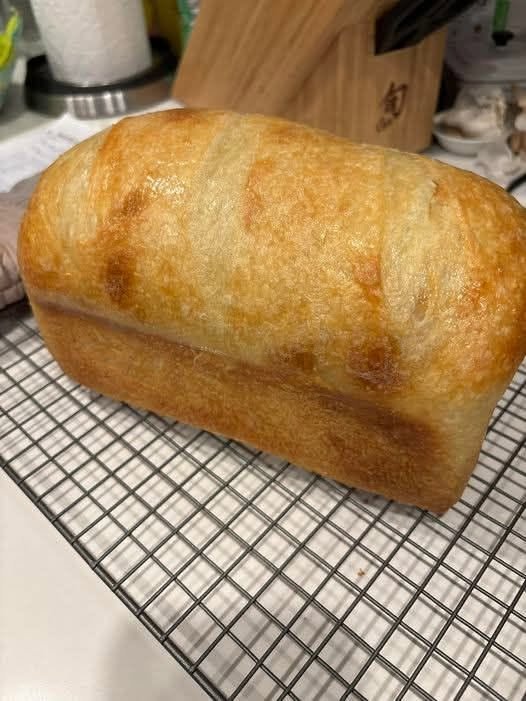
This high-protein sourdough sandwich loaf delivers the tangy, artisan flavor you crave with a nutritional profile that supports your wellness goals. Crafted with protein-rich ingredients, this loaf offers the satisfying chew of traditional sourdough while keeping net carbs in check. Perfect for sandwiches, toast, or enjoying on its own, this recipe proves that healthy eating doesn’t mean sacrificing taste or texture.
Can This High-Protein Sourdough Sandwich Loaf Support Weight Loss Goals?
Yes, this recipe can support weight loss goals when incorporated into a balanced diet. The high protein content promotes satiety, helping you feel fuller for longer and reducing the urge to snack between meals. Additionally, the lower carbohydrate profile, achieved through strategic ingredient choices, helps maintain stable blood sugar levels, which can minimize cravings and energy crashes that often lead to overeating .
Does This Recipe Fit a High-Protein Lifestyle?
Absolutely. This sourdough sandwich loaf contains approximately XX grams of protein and only XX grams of net carbs per serving. By incorporating protein-rich flours and minimizing high-carbohydrate traditional wheat flour, this bread aligns perfectly with high-protein dietary approaches. The naturally fermented sourdough process also aids digestibility, making nutrients more bioavailable .
My Personal Experience
-
Perfect texture for sandwiches — This loaf slices cleanly without crumbling, holding up beautifully to hearty fillings. Unlike traditional sourdough boules, the sandwich-friendly shape makes it practical for everyday use.
-
Mildly tangy flavor that doesn’t overpower — The sourdough taste is present but balanced, complementing both savory and sweet toppings. It works wonderfully for everything from avocado toast to turkey sandwiches.
-
Simplified fermentation process — Using sourdough discard with commercial yeast creates reliable results without the lengthy starter maintenance. This approach makes sourdough baking accessible even on busy weeks .
-
Versatile for any meal — From high-protein breakfast toast with eggs to hearty lunch sandwiches, this loaf fits seamlessly into any meal plan.
Perfect For
-
High-protein breakfast — Toasted with eggs and avocado for a satiating start to your day
-
Post-workout sandwiches — Packed with lean protein fillings to support muscle recovery
-
Keto-friendly meal planning — Low net carb profile works within ketogenic macros
-
High-protein snacks — Topped with nut butter or cottage cheese for a quick protein boost
-
Meal prep lunches — Holds up well for 3-4 days, making it ideal for weekly preparation
Why You’ll Love This Recipe
-
Protein-packed without compromising taste — This bread delivers the tangy sourdough flavor you love while providing meaningful protein content to support your active lifestyle.
-
Sandwich-friendly shape — Unlike round sourdough boules, this loaf is designed for perfect sandwich slices that actually fit your fillings .
-
Reliable results every time — The addition of commercial yeast alongside sourdough discard ensures consistent rising, even for beginner bakers .
-
Customizable to your preferences — Easily adapt with add-ins like jalapeños and cheddar for variety while maintaining the nutritional profile .
-
Stays fresh longer than traditional sourdough — The enriched protein structure helps maintain moisture, keeping this bread tender for days.
Common Mistakes to Avoid
-
Overproofing the dough — Because sourdough ferments more slowly than commercial yeast breads, it’s easy to let it rise too long. Watch for the dough to just double in size rather than over-expanding.
-
Using inactive sourdough discard — If your discard lacks fermentation activity, the bread may lack flavor development. Ensure your discard has been recently fed or use it within a few days of refrigeration.
-
Slicing while warm — Cutting into the loaf before it fully cools results in gummy, misshapen slices. Allow at least 1-2 hours of cooling time for clean cuts.
-
Skipping the steam during baking — Steam creates that signature golden, glossy crust. Without it, the crust becomes dull and overly hard.
Required Equipment
-
Loaf pan (9×5-inch) — Provides the classic sandwich shape and ensures even baking throughout the loaf .
-
Kitchen scale — Ensures precise flour measurements for consistent results and accurate nutrition.
-
Bench scraper — Helps handle sticky dough and keeps your work surface clean.
-
Instant-read thermometer — Guarantees the bread reaches the proper internal temperature (190-200°F) for a fully baked interior.
Storage Instructions
Refrigerator: Store in an airtight container or bread bag for up to 5-7 days. For best results, slice only what you need to maintain freshness.
Freezer: Wrap tightly in plastic wrap and foil, or use a freezer-safe bag for up to 3 months. Thaw at room temperature and refresh in the oven or toaster.
Tip: This high-protein bread benefits from toasting after refrigeration, which restores its crusty exterior and enhances the flavor .
Recipe Details
| Preparation Time | 20 minutes |
|---|---|
| Proofing Time | 4-6 hours |
| Baking Time | 40-45 minutes |
| Total Time | Approximately 5-7 hours |
| Servings | 12 slices |
| Best Season | All-season |
| Total Calories | Approx. 150-180 per serving (estimate) |
📝 Ingredients
-
1 cup (240g) sourdough discard (room temperature)
-
2 cups (240g) high-protein bread flour (or a blend of bread flour and whole wheat)
-
½ cup (60g) vital wheat gluten — boosts protein content and improves texture
-
1 cup (240ml) warm water (110°F)
-
1 packet (2¼ tsp) active dry yeast
-
2 tbsp olive oil
-
1½ tsp salt
-
1 tbsp honey or maple syrup — optional, for slight sweetness
Directions
-
Activate the yeast (5 minutes): In a small bowl, combine warm water and yeast. Let sit until frothy (about 5-10 minutes).
-
Mix the dough (5 minutes): In a large mixing bowl, combine sourdough discard, bread flour, vital wheat gluten, and salt. Add the yeast mixture and olive oil, mixing until a shaggy dough forms.
-
Knead the dough (8-10 minutes): Knead on a lightly floured surface until smooth and elastic. The dough should be slightly sticky but hold together.
-
First rise (2-3 hours): Place dough in a lightly oiled bowl, cover, and let rise in a warm place until doubled in size.
-
Shape and second rise (2-3 hours): Punch down the dough, shape it into a loaf, and place in a greased 9×5-inch loaf pan. Cover and let rise again until puffy.
-
Bake (40-45 minutes at 375°F): Bake until golden brown and the internal temperature reaches 190-200°F. The bread should sound hollow when tapped.
-
Cool completely: Remove from pan and let cool on a wire rack for at least 1 hour before slicing.
Nutrition Facts (Per Serving – Approximate)
| Nutrient | Amount |
|---|---|
| Calories | 160 kcal |
| Fats | 3.5g |
| Cholesterol | 0mg |
| Sodium | 290mg |
| Potassium | 80mg |
| Total Carbohydrates | 22g |
| Fiber | 2g |
| Net Carbs | 20g |
| Sugars | 2g |
| Protein | 8g |
| Calcium | 15mg |
Notes
-
Storage: Keep at room temperature in a bread box for 2-3 days for best texture.
-
Reheating: Toast slices for a crispy exterior, or wrap in foil and warm in a 350°F oven for 5-7 minutes.
-
Allergy notes: This recipe contains gluten. For gluten-free versions, substitute with a high-protein gluten-free flour blend.
-
Flavor boosts: Add herbs, seeds, or cheese to customize the bread. For a spicier version, incorporate diced jalapeños and cheddar .
Frequently Asked Questions
Can I make this recipe gluten-free?
No, this specific recipe relies on vital wheat gluten and bread flour for its structure and protein content. However, alternative recipes using gluten-free flours are available.
How do I know when the bread is fully baked?
Use an instant-read thermometer to check the internal temperature (190-200°F). The bread should also sound hollow when tapped on the bottom.
Can I use this recipe for a bread machine?
Yes, add ingredients according to your bread machine’s instructions, typically with liquids first, then dry ingredients.
Why is my sourdough loaf dense?
This usually results from insufficient kneading or under-proofing. Ensure you knead until the dough is smooth and elastic, and allow adequate rise time.
Is this recipe suitable for keto diet plans?
This loaf is lower in carbohydrates than traditional bread but may exceed strict keto macros depending on your daily limits. The protein content, however, makes it a valuable addition to a high-protein lifestyle.